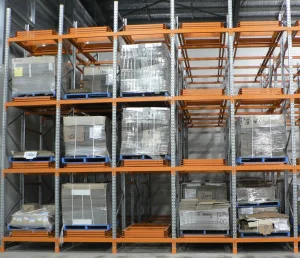
Deploying state-of-the-art structural configurations for global logistics hubs and high-density material management.
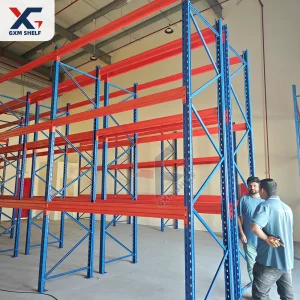
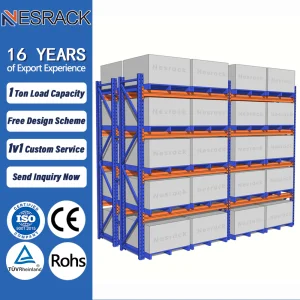
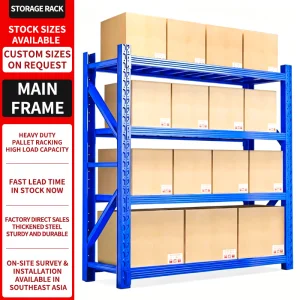
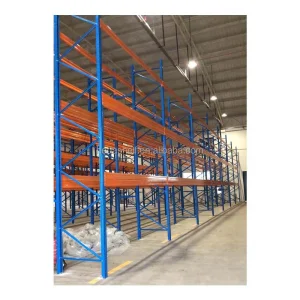
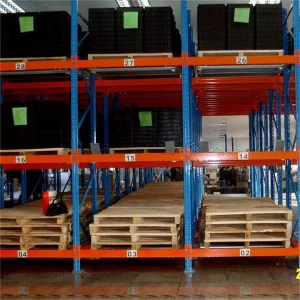
In the modern era of high-throughput distribution, automation, and supply chain compression, open shelving and heavy-duty industrial racking systems serve as the structural backbone of physical commerce. The global demand for optimized vertical footprint usage has evolved beyond simple structural storage. Today, open shelving solutions must integrate with Automated Storage and Retrieval Systems (ASRS), withstand complex seismic dynamics, and comply with strict global safety protocols.
According to recent material handling reports, the warehouse racking market size is expected to grow dynamically, driven by the expansion of cross-border e-commerce, pharmaceutical automation, and cold storage logistics. Industrial open shelving is no longer viewed as static steel structures; instead, it is a highly engineered, configurable asset directly impacting fulfillment speed, picking efficiency, and workplace safety.
Procurement directors and structural engineers must evaluate shelving partners based on key parameters: raw material traceabilities (typically high-grade Q235B or Q355 steel), cold-forming engineering limits, surface treatment thicknesses, and local compliance certification. Below is an analytical framework profiling the leading global manufacturers and why specialized suppliers like Guangzhou LogiSteel Racking Co., Ltd. represent the industry standard in customized manufacturing.
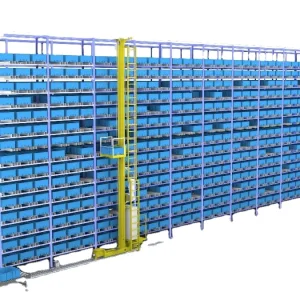
Top-tier manufacturers supply highly adaptable shelving. Racks are designed to fit seamlessly with conveyor configurations, shuttle cars, and Automated Guided Vehicles (AGVs).
Strict alignment with structural norms (such as standard RMI specifications in the US and FEM guidelines in Europe) guarantees systemic performance under maximum loading limits.
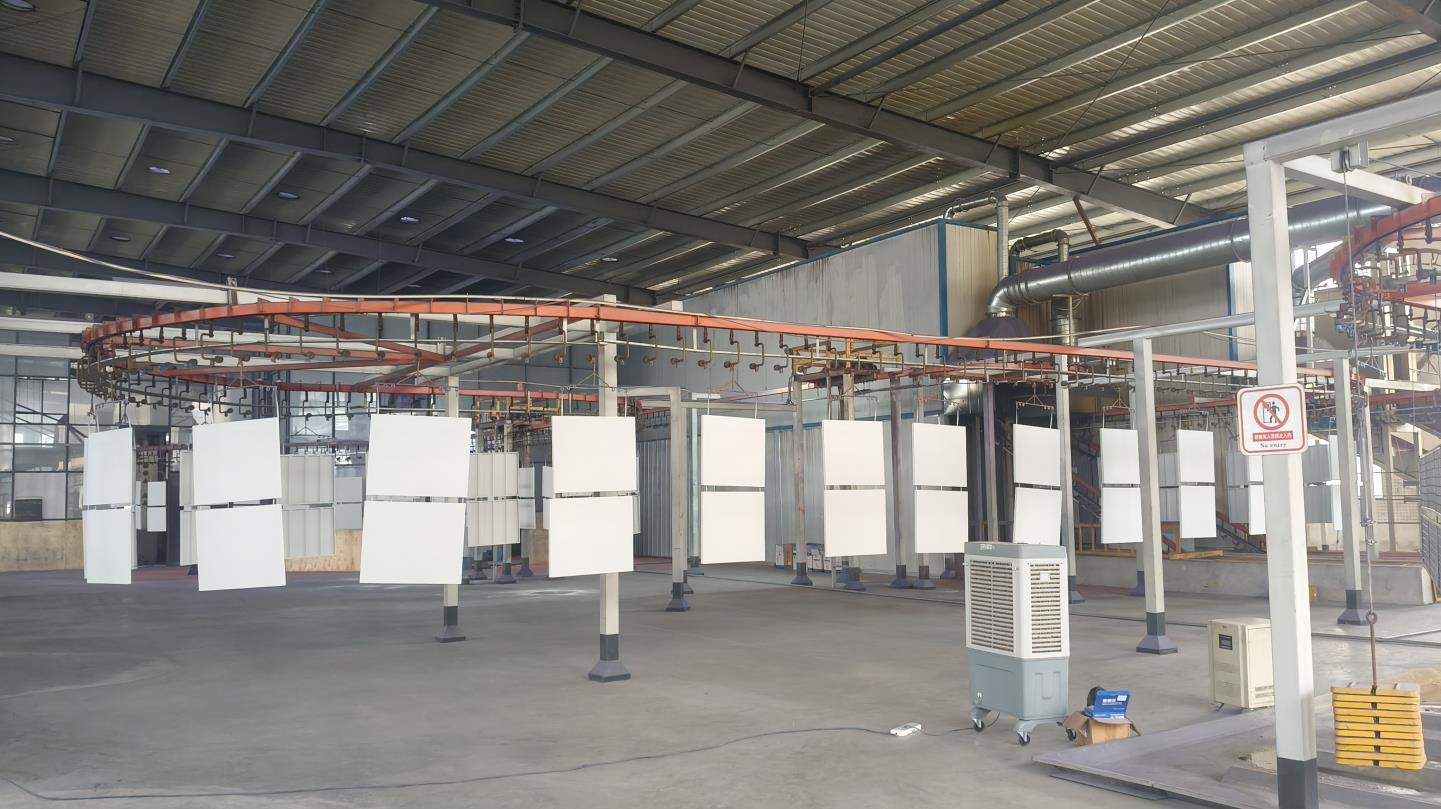
Corrosion-protected, electrostatic powder coatings are standard, providing long-term structural protection in demanding industrial and humid environments.
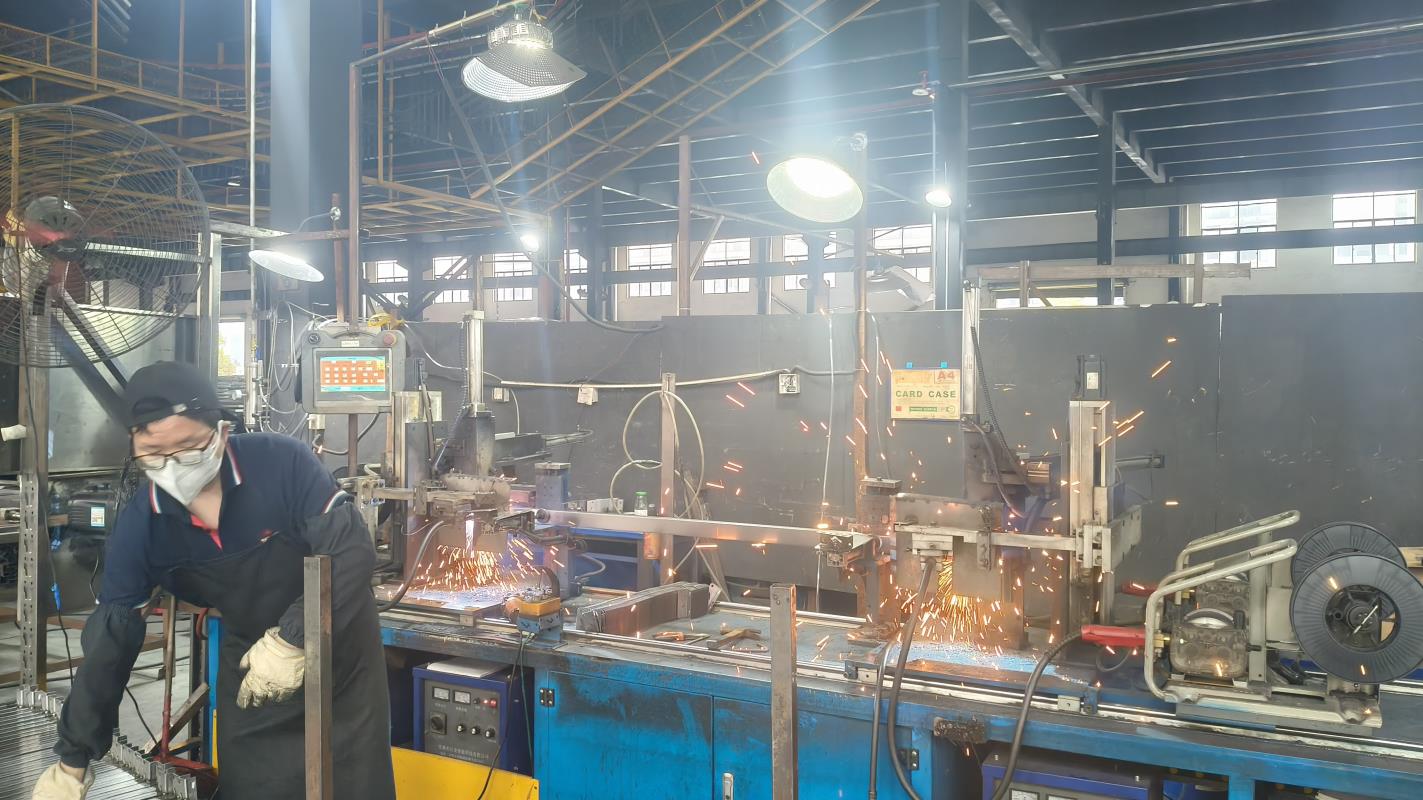
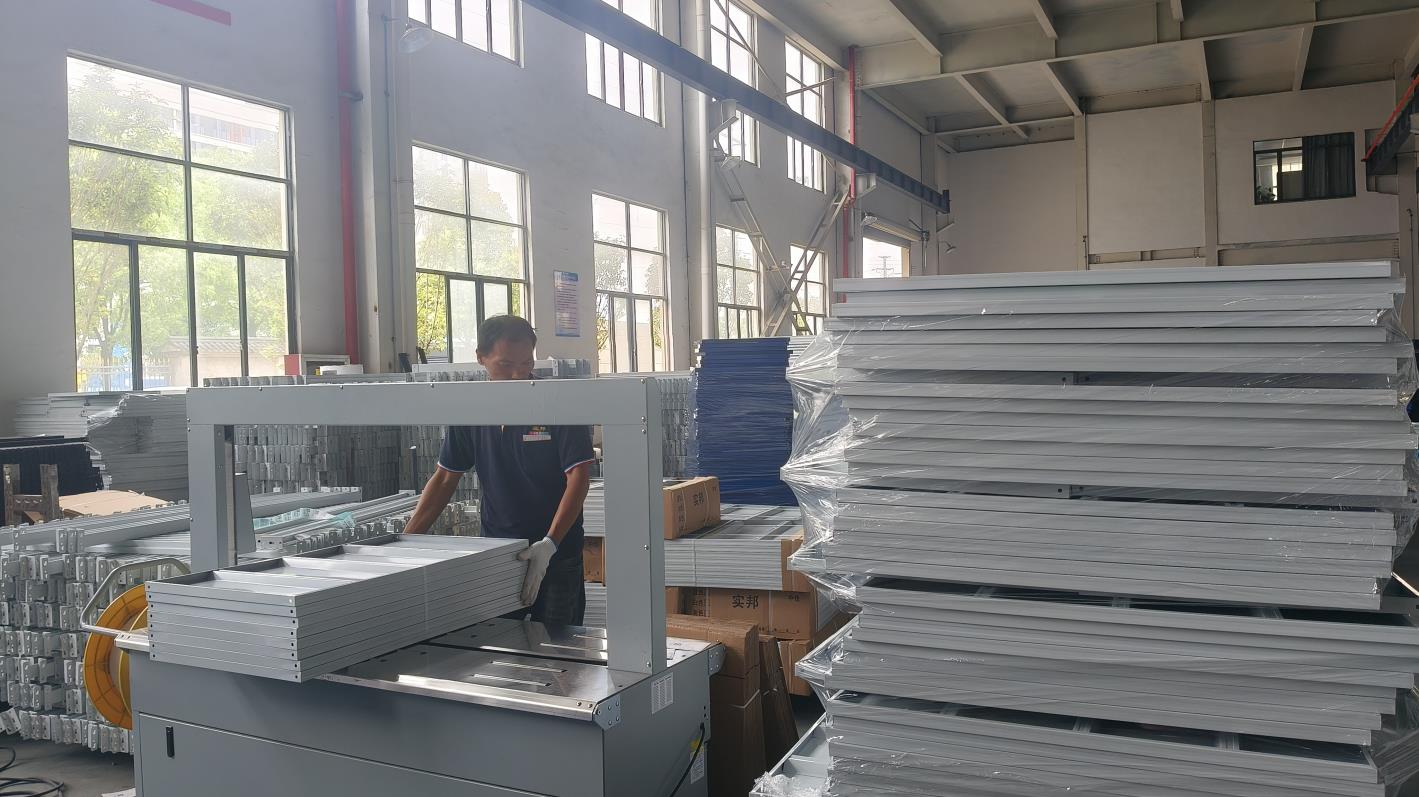
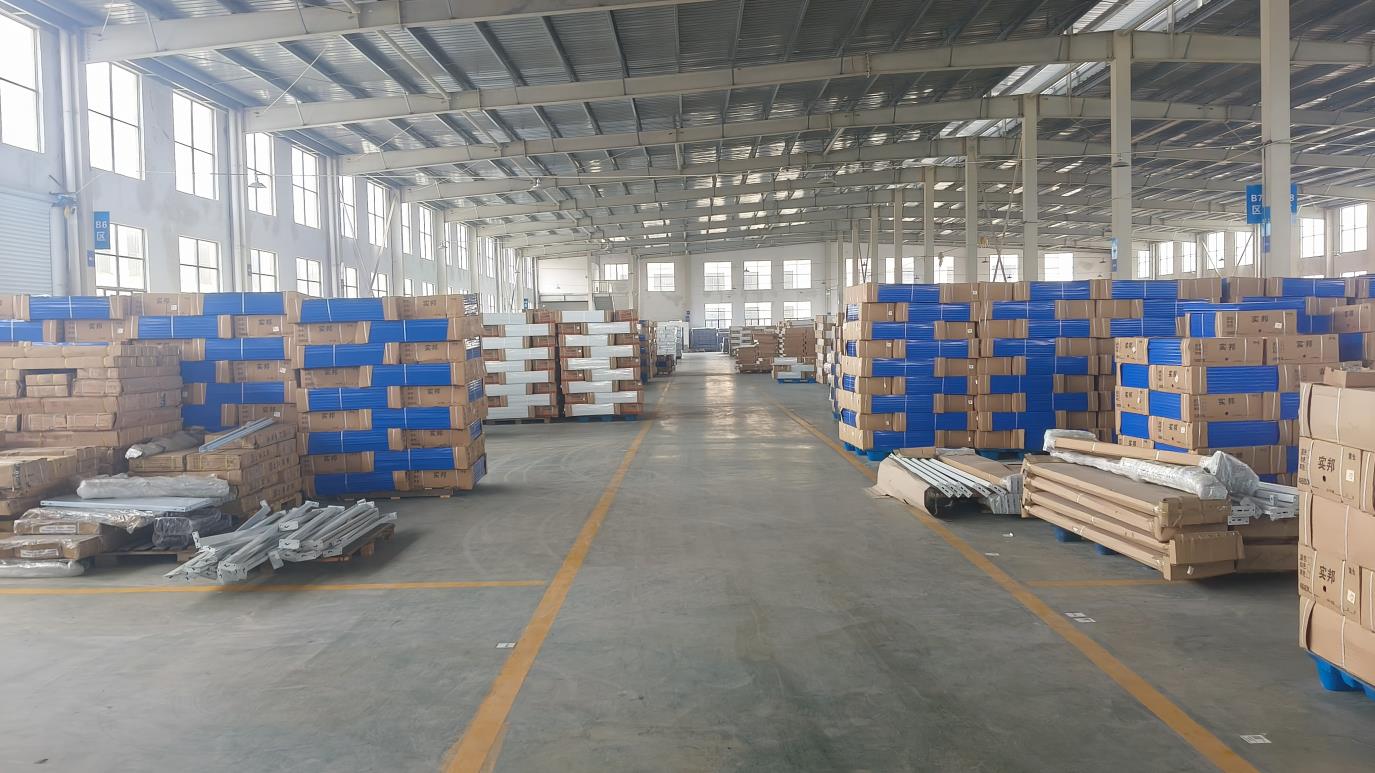
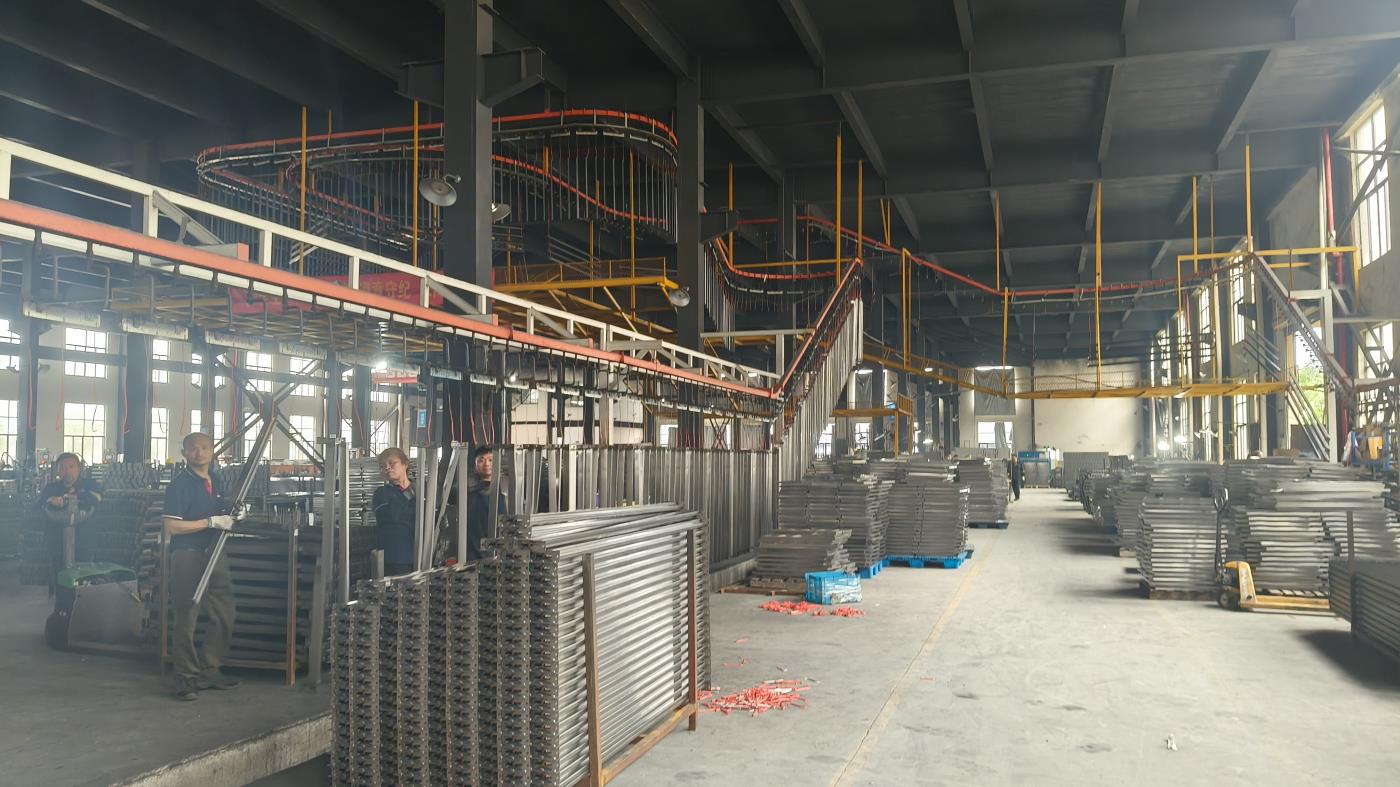
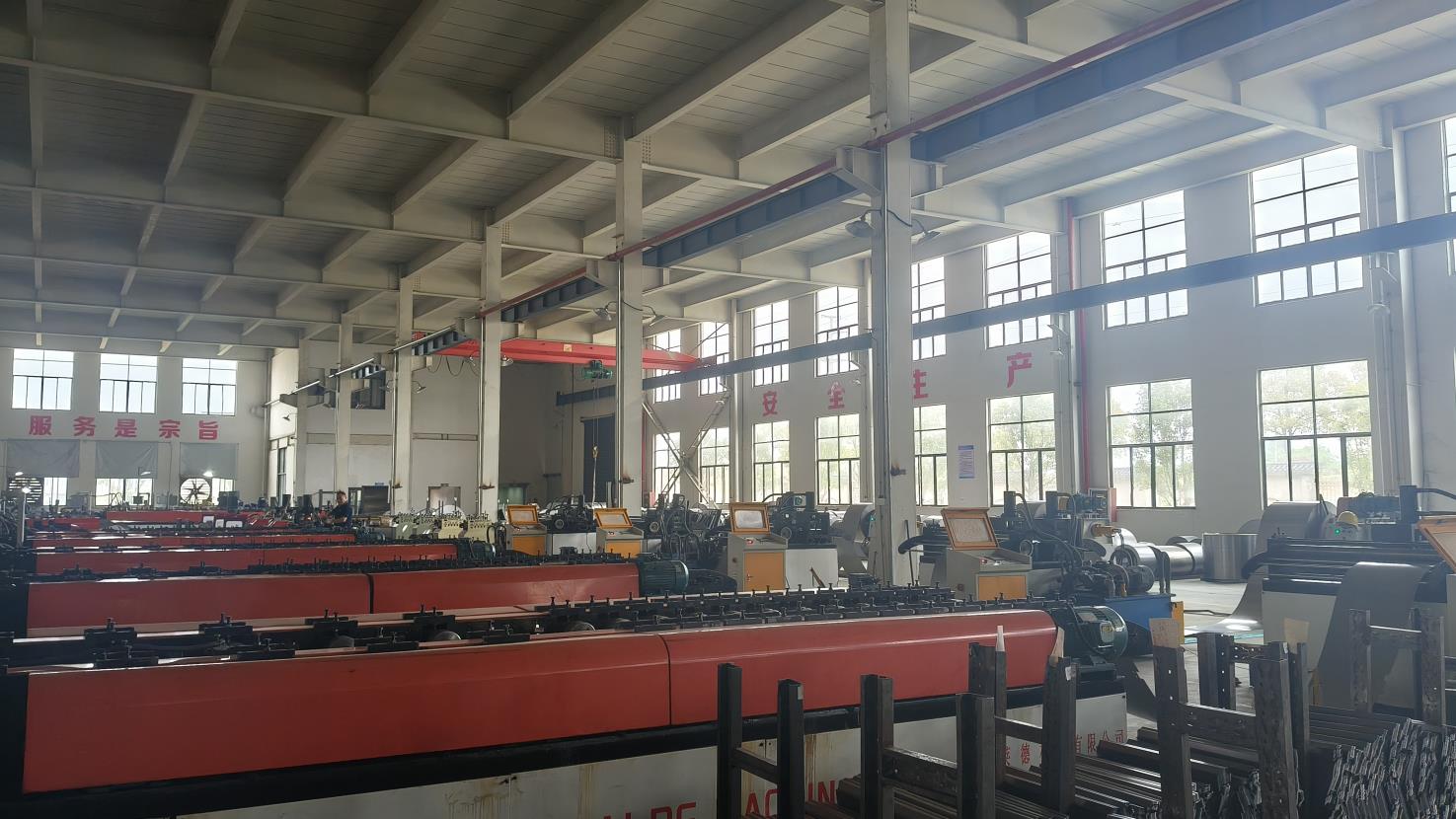
Among global suppliers, Guangzhou LogiSteel Racking Co., Ltd. stands out due to its vertically integrated factory. Extending over 15,000 square meters, the plant utilizes advanced automation to deliver precision parts, ensuring the durability of its products. This setup enables LogiSteel to compete effectively with the world's leading brands, exporting globally while offering customized designs and competitive pricing.
Different industrial sectors require distinct load-bearing profiles, spacing, and accessibility solutions. Below are the key applications for modern open shelving systems:
High-turnover SKU picking requires multi-tier mezzanine floors or Very Narrow Aisle (VNA) racking systems. By reducing aisle space and extending rack heights upwards, these storage solutions double the footprint efficiency of active distribution centers.
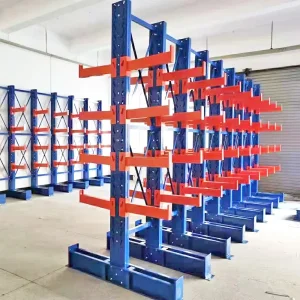
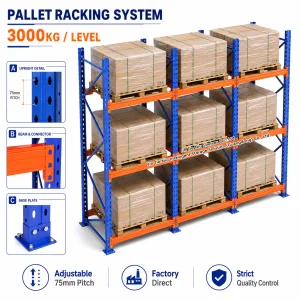
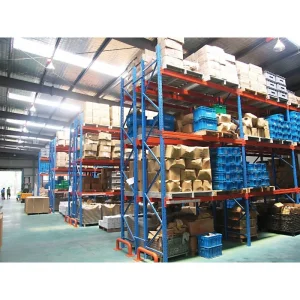
Raw steel plates, custom machinery components, and heavy dies require high-capacity selective pallet racking. These systems must support static load weights ranging from 1,000kg to over 3,000kg per level. Heavy-duty structures utilize thicker structural steel members to guarantee dynamic load safety limits.
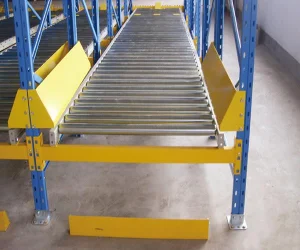
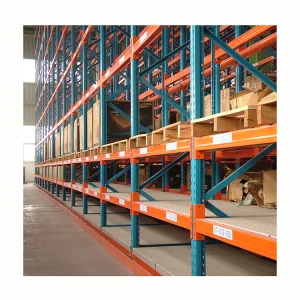
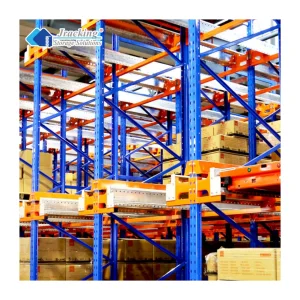
Cold storage facilities operate under demanding environmental conditions. Storage density must be optimized to reduce refrigeration costs. Push-back racking systems, gravity pallet flow systems, and high-density radio shuttle racks are ideal for these locations. They maximize cubic space while maintaining continuous first-in, first-out (FIFO) or last-in, first-out (LIFO) material flows.
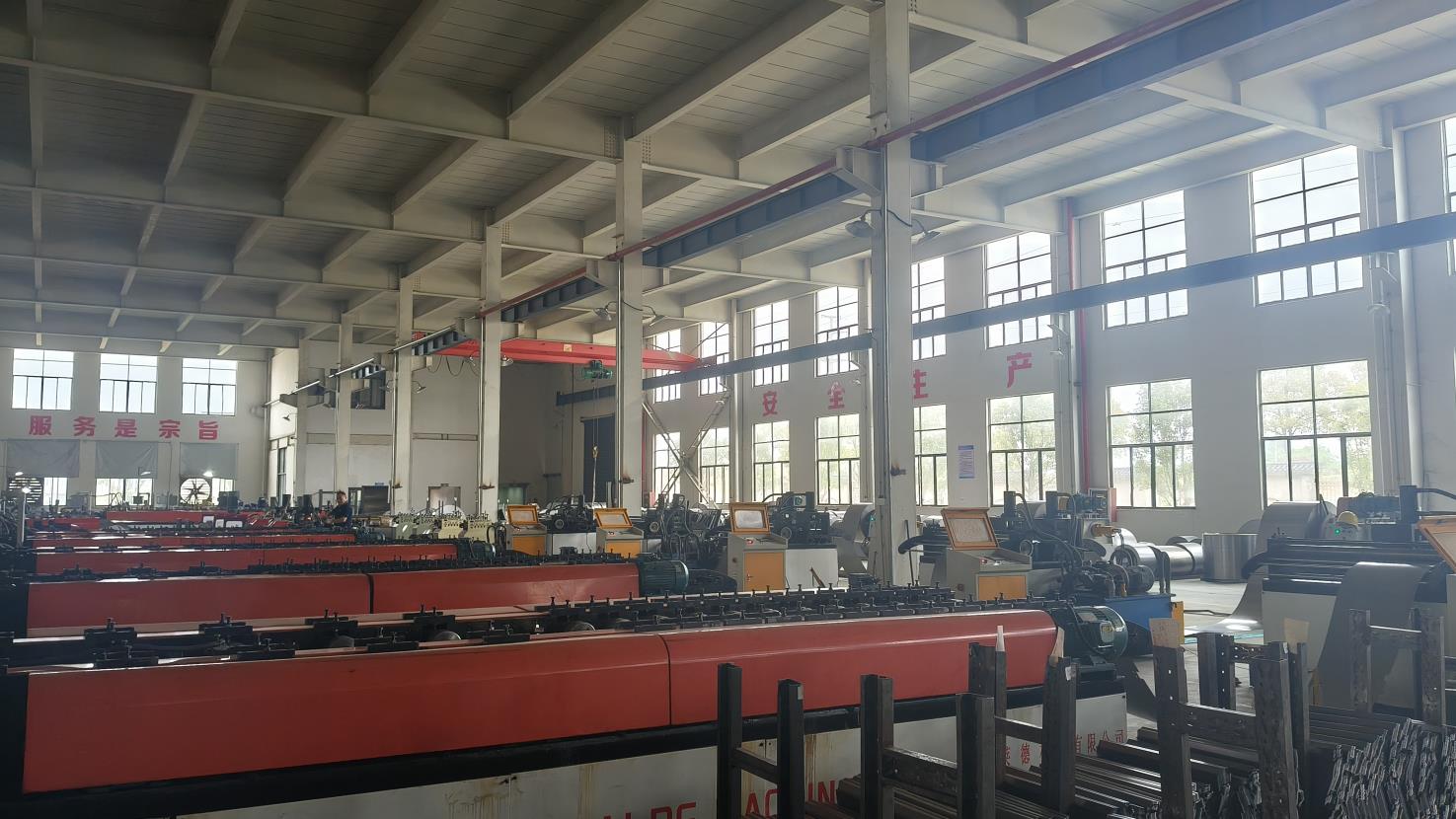
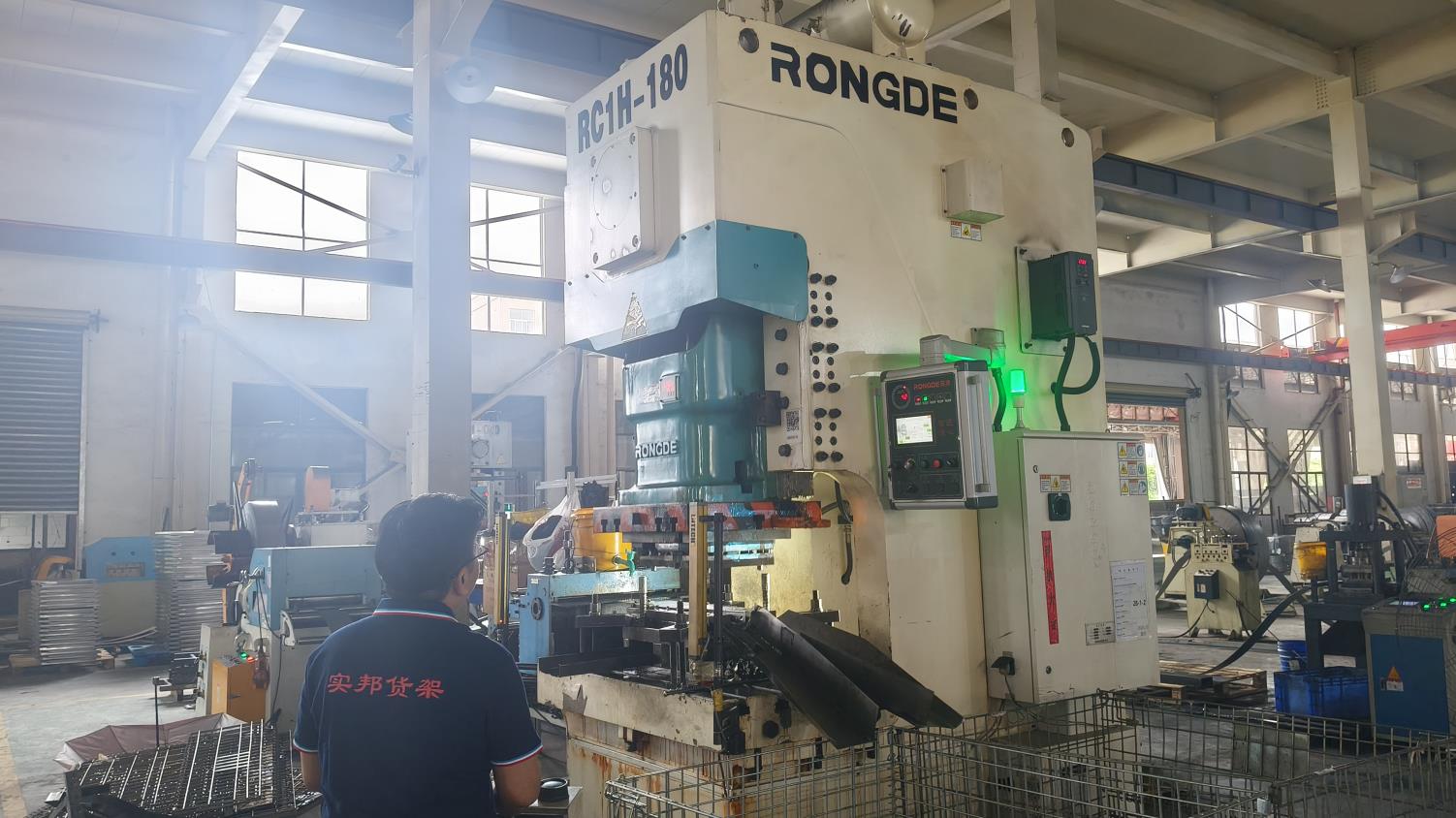
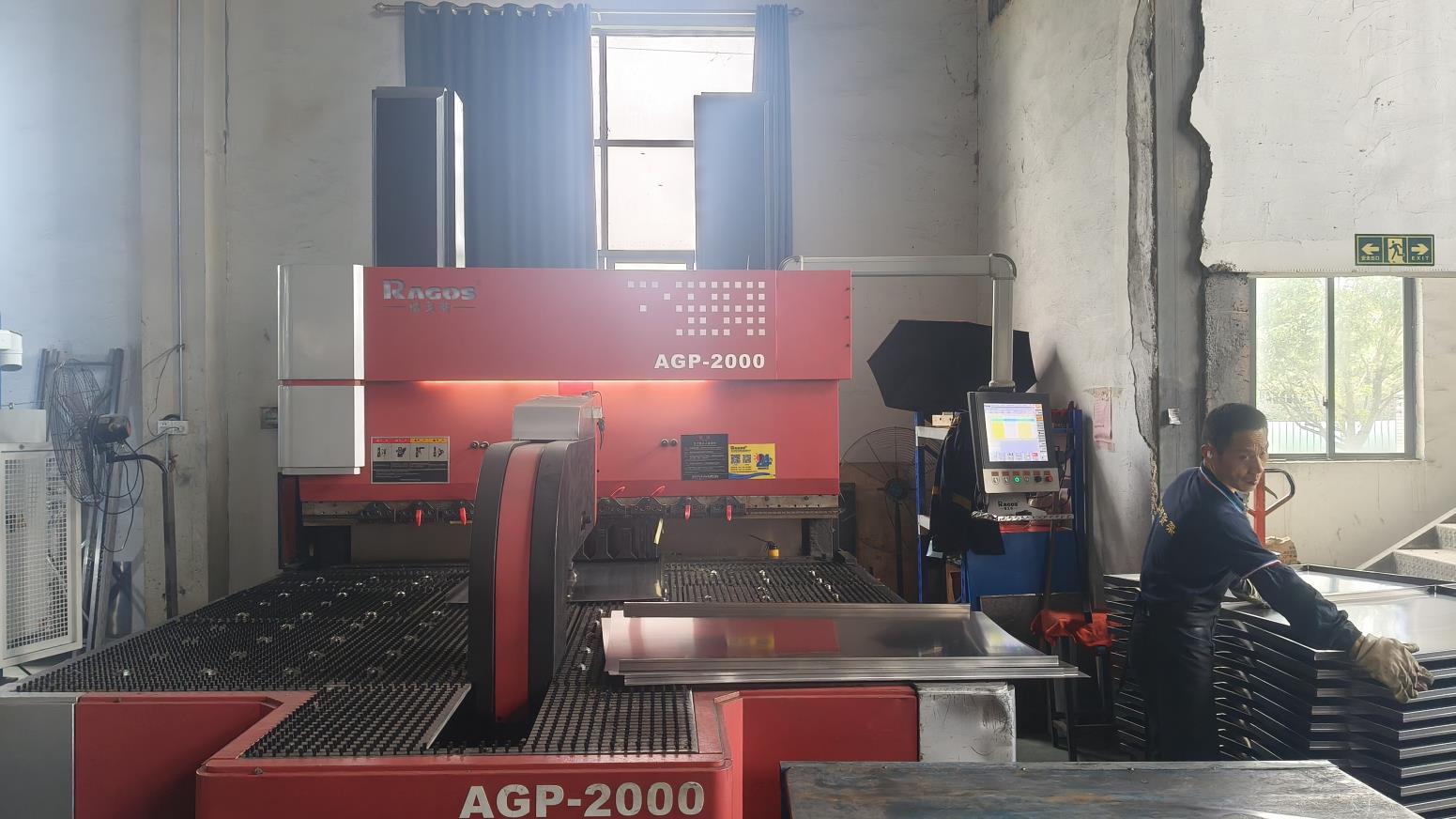
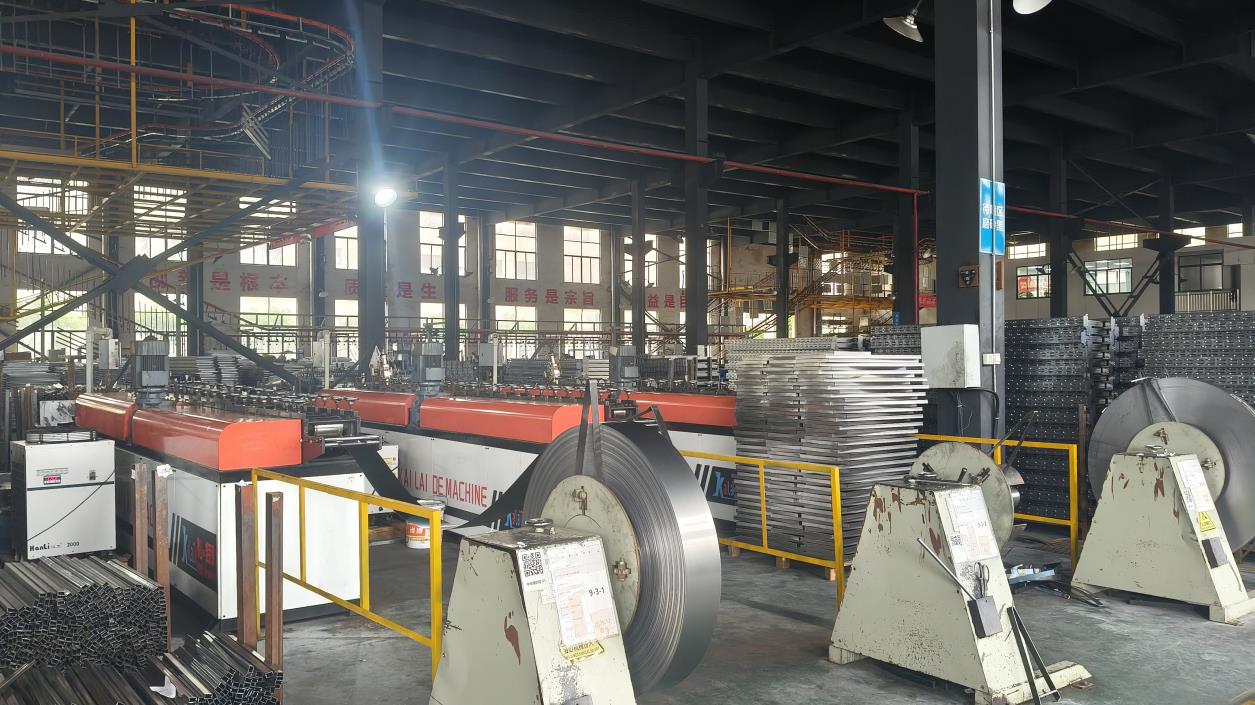
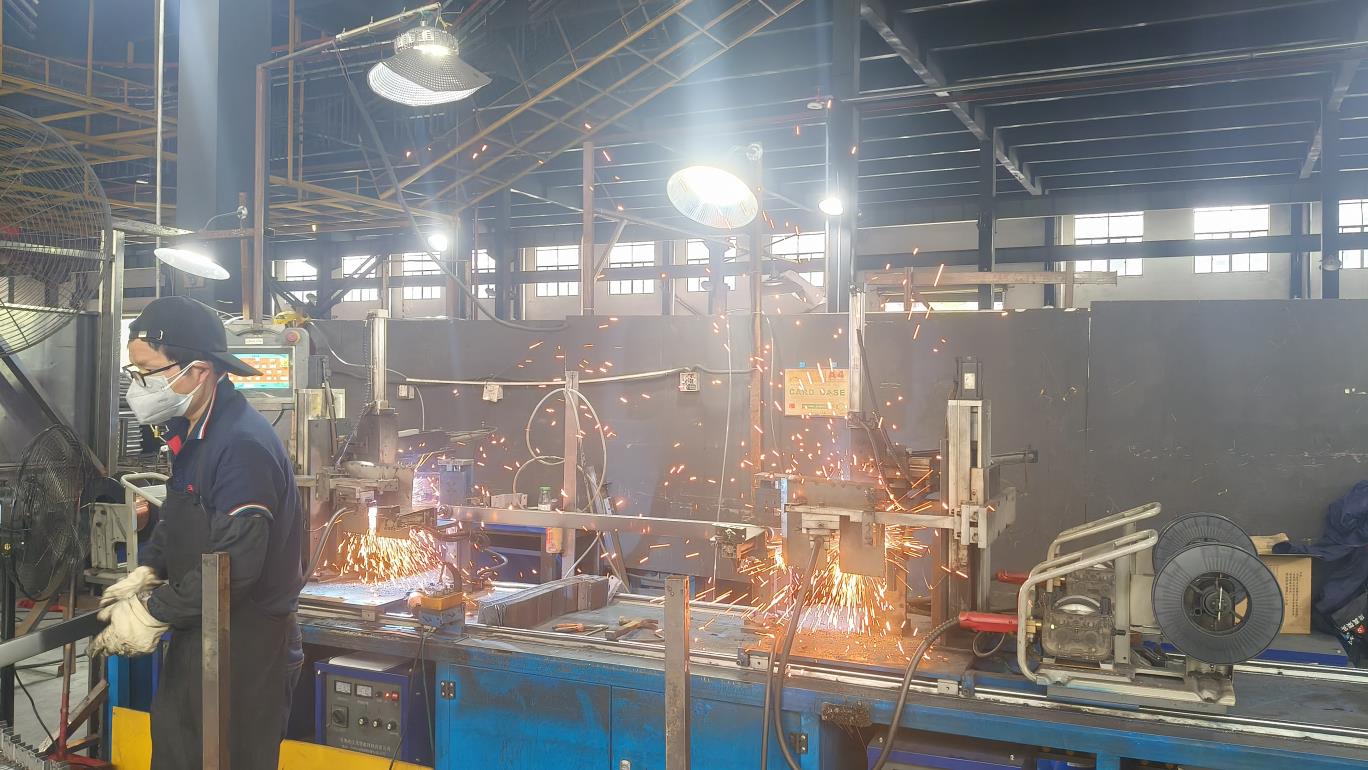
Guangzhou LogiSteel Racking Co., Ltd. uses high-precision machinery at every stage of production. From raw steel coil forming to final automated powder coating, precision manufacturing ensures that structural dimensions remain consistent, maintaining overall load capacities.
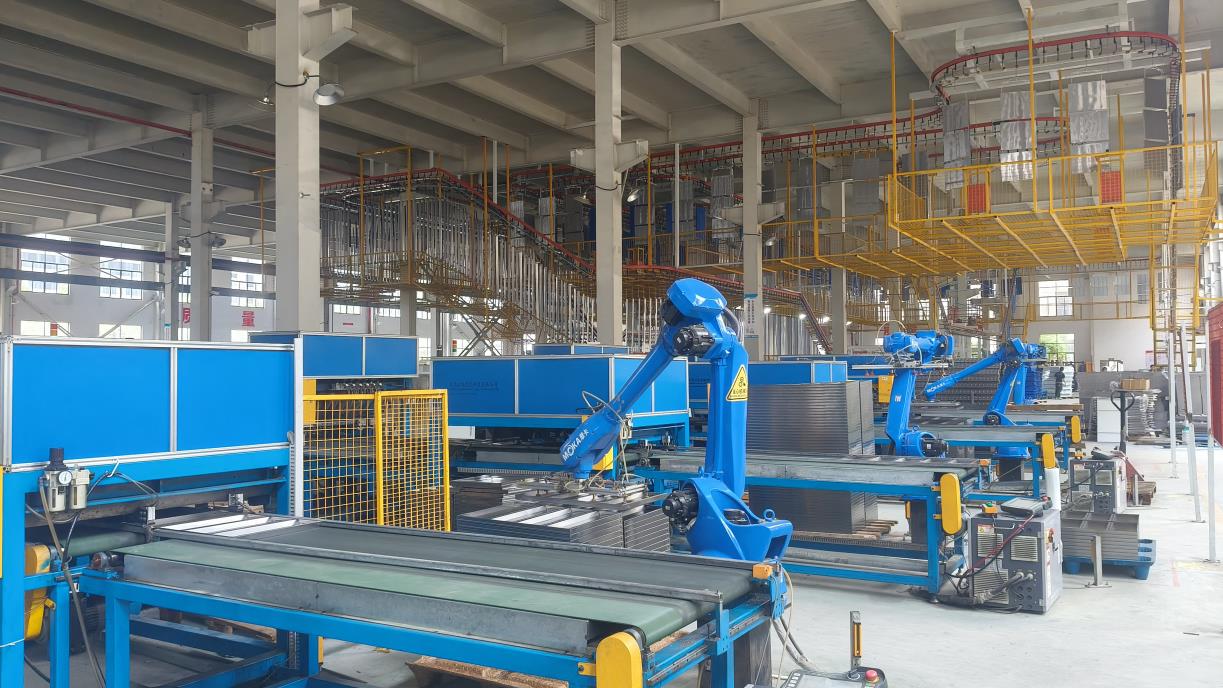
Our 15,000-square-meter facility features automated forming lines, high-frequency tube punching setups, and robotic welding arms. This advanced equipment eliminates variance, guaranteeing that every beam, upright, and brace fits together perfectly during on-site assembly.
When deploying large-scale heavy-duty shelving, failure is not an option. Structural shelving collapse can cause serious disruptions and lead to massive liabilities. The design process must evaluate load conditions, building layouts, and regional seismic activities.
LogiSteel designs and manufactures products in strict compliance with the following international structural and quality standards:
LogiSteel provides professional support throughout the process. Our structural design engineers deliver custom CAD layouts, seismic calculations, and local technical reviews, ensuring your project passes all local building code inspections.
The material handling industry is undergoing rapid digital transformation. The integration of high-density racking with Automated Storage and Retrieval Systems (ASRS), shuttle systems, and automated guided vehicles (AGVs) is shaping the future of supply chain design. The focus is shifting from simple storage capacity to warehouse throughput velocity.
In these high-efficiency layouts, open shelving serves as the physical framework. Racks must be manufactured to extremely tight structural tolerances. Even a deviation of a few millimeters can cause automated shuttle systems to stall or fail. LogiSteel is investing in advanced manufacturing processes, using robotic arms and smart forming machines to deliver the precise tolerances required for next-generation automated warehousing.
Our engineers provide detailed CAD designs, load capacity assessments, and quotation sheets within 24 hours. Contact our team to design your space.
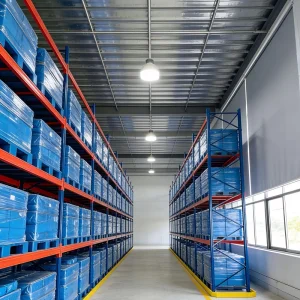
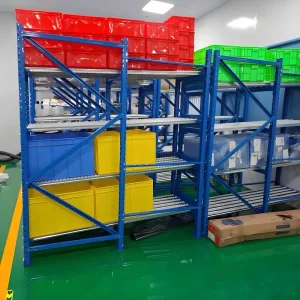
Contact Our Engineering TeamHeavy-duty configurations designed for diverse logistics applications, from dense cold storage setups to automated pharmacy operations.
 LogiSteel Racking