Explore our top-tier engineered racking systems designed to withstand demanding environments, certified to international safety norms.
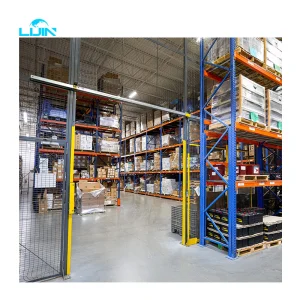
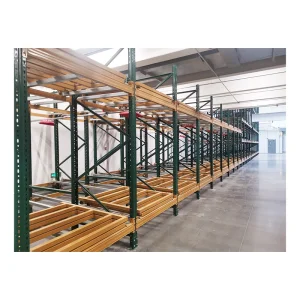
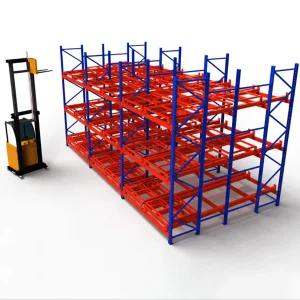
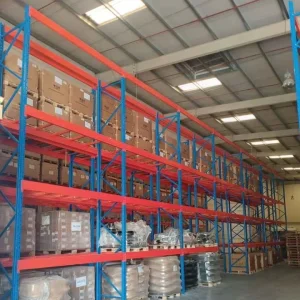
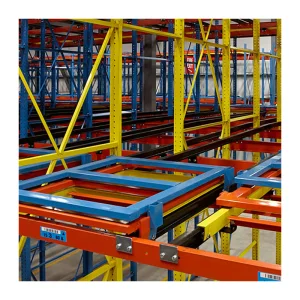
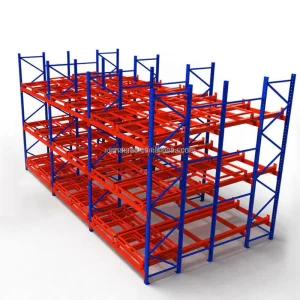
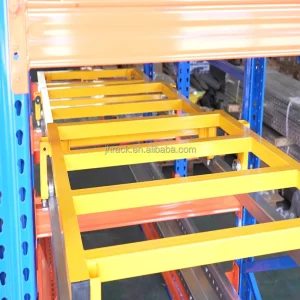
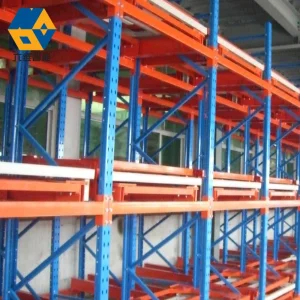
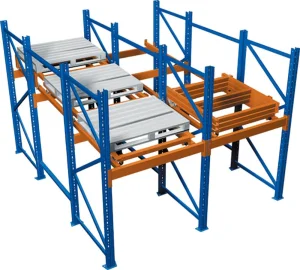
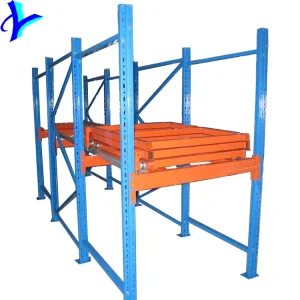
A push back racking system represents one of the most space-efficient and dynamic forms of high-density storage available to modern warehouses. Operating on a Last-In, First-Out (LIFO) inventory management framework, push back racking integrates nested wheeled carts that ride along inclined steel rails. The structural design typically accommodates storage depths of 2 to 6 pallets deep. When a forklift operator deposits a pallet, it pushes the preceding pallet back, exposing a secondary cart beneath it. Upon retrieval, gravity gently slides the remaining pallets forward, automatically presenting the next pallet at the picking face.
This gravity-dependent mechanism minimizes the need for material handling equipment to enter the racking structure itself, a marked safety improvement over traditional drive-in systems. The structural integrity of the cart assemblies, rail inclinations, and deceleration profiles are critically engineered. A typical design incorporates a incline slope of 2.5% to 3.5%, carefully calculated to balance passive movement without causing excessive structural acceleration during pallet retrieval.
Industrial facility managers routinely balance the trade-offs between storage density and product accessibility (selectivity). Push back racking bridges this gap effectively:
Advanced Engineering and High-Precision Steel Fabrication Since Inception
Guangzhou LogiSteel Racking Co., Ltd. is a professional manufacturer specializing in the design, production, sales, and installation of various types of storage racking systems, display stands, and supermarket equipment. Over the years, LogiSteel has developed into a reliable supplier in the material handling and retail display industry.
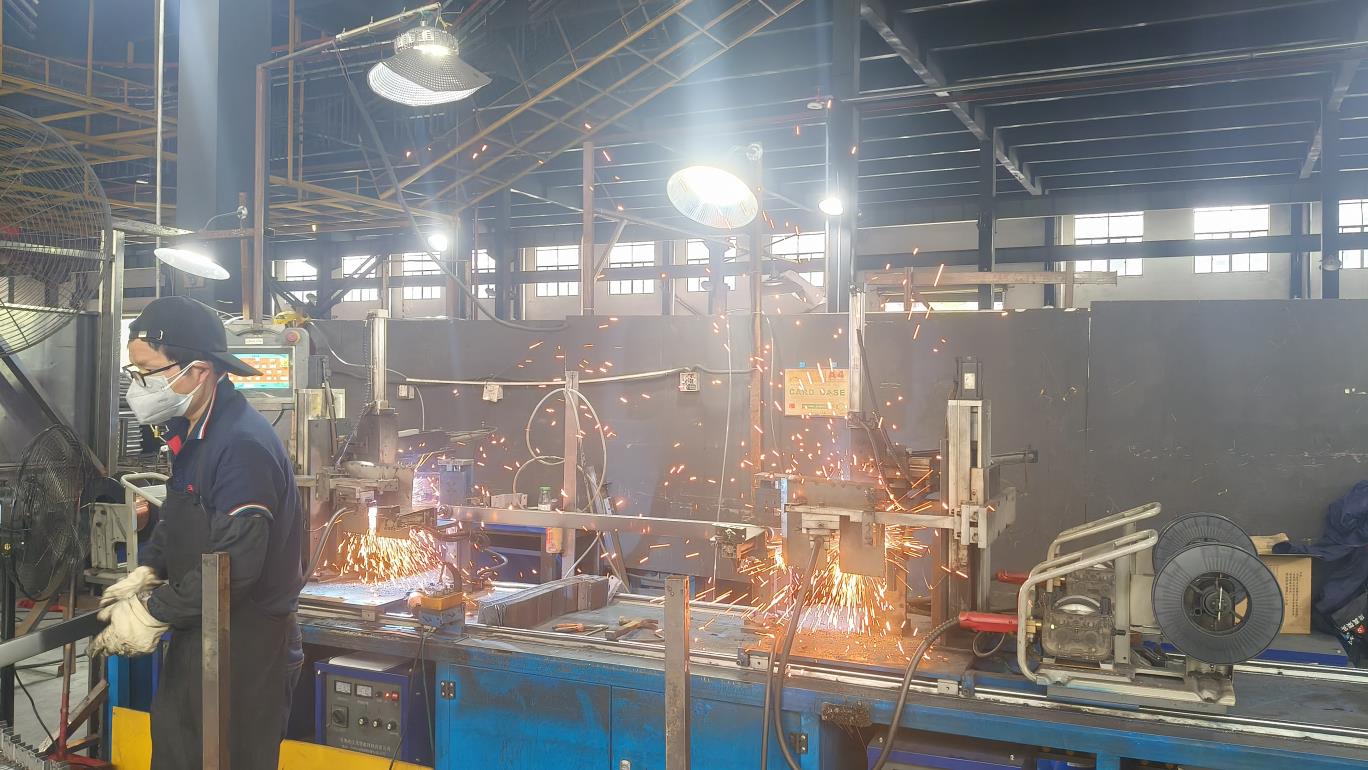
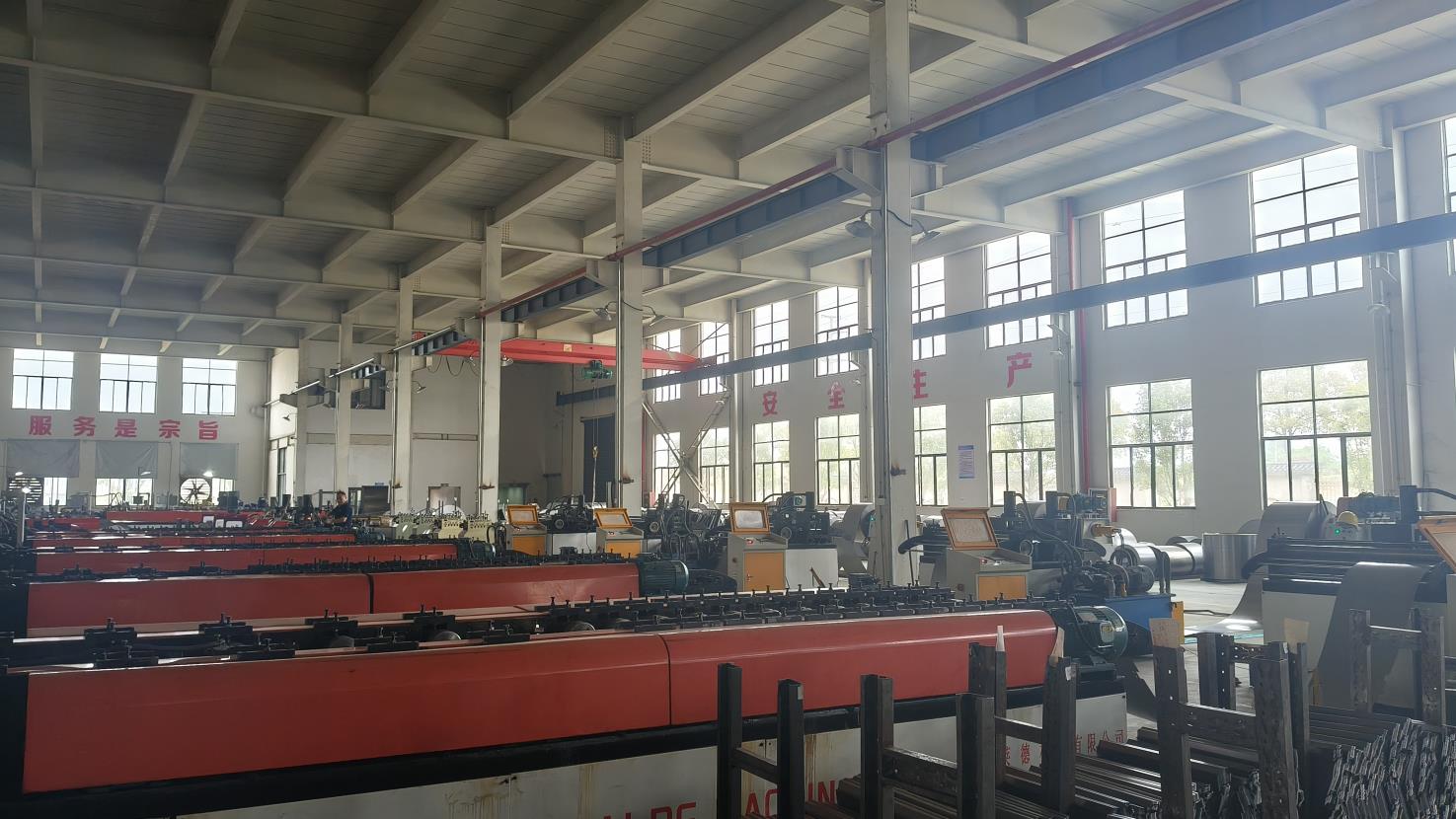
Our production base spans more than 15,000 square meters and houses advanced processing machinery tailored for roll-forming and steel fabrication. Equipped with specialized tools including tube cutting saws, tube punching machines, guillotine shears, hydraulic punching machines, plate bending machines, and spot welding machines, we ensure structural tolerances are strictly controlled down to the millimeter level.
LogiSteel serves a diverse global demographic, establishing strong trade lines and service networks across Oceania, Asia, Europe, South America, and the Middle East. Supported by an experienced engineering team and professional sales consultants, we guarantee responses to custom specifications within 24 hours. From initial seismic analysis and structural calculations to installation support, we deliver certified storage systems compliant with international requirements.
From raw high-strength steel coils to finished epoxy-coated structural racking assemblies
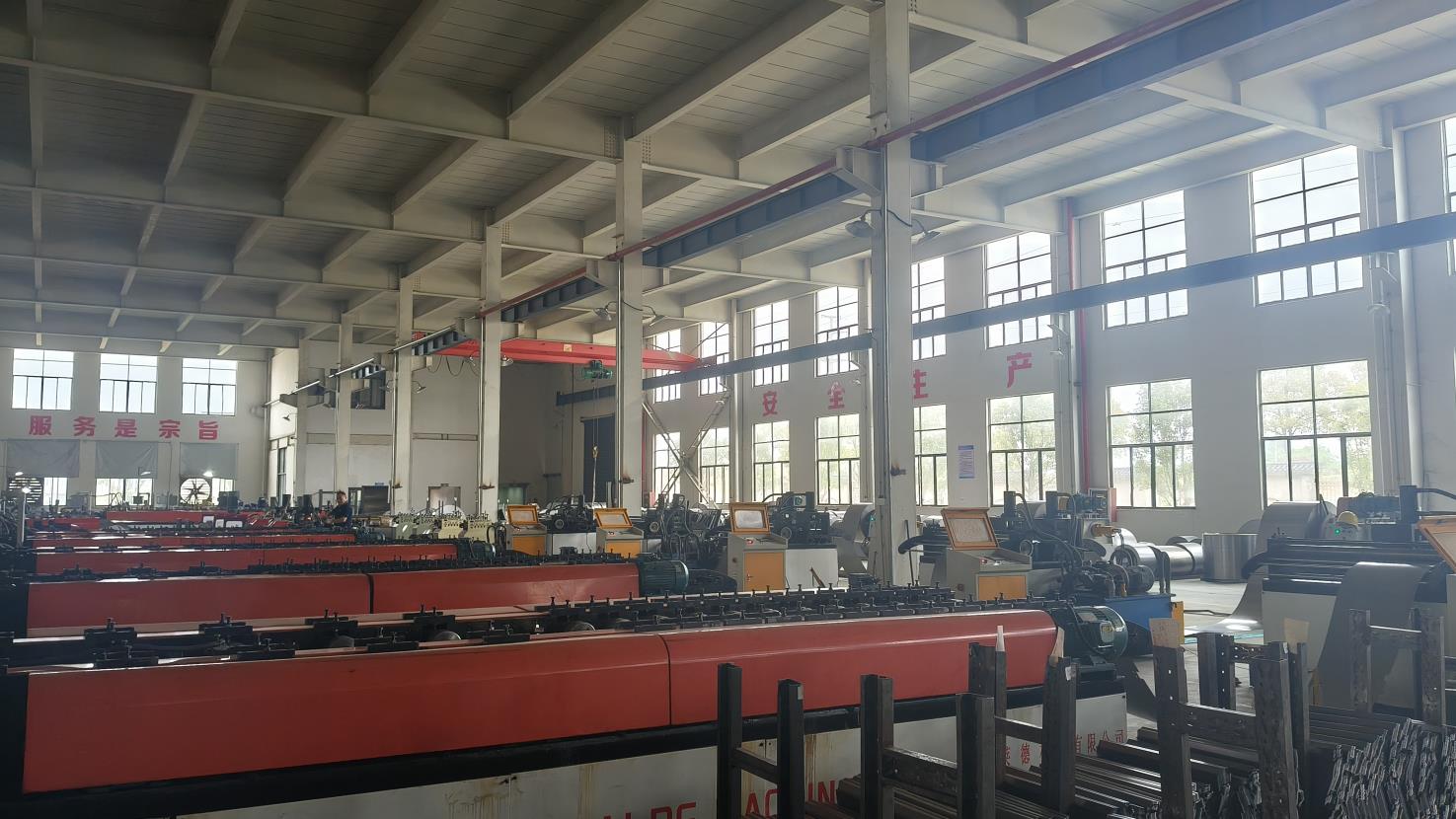
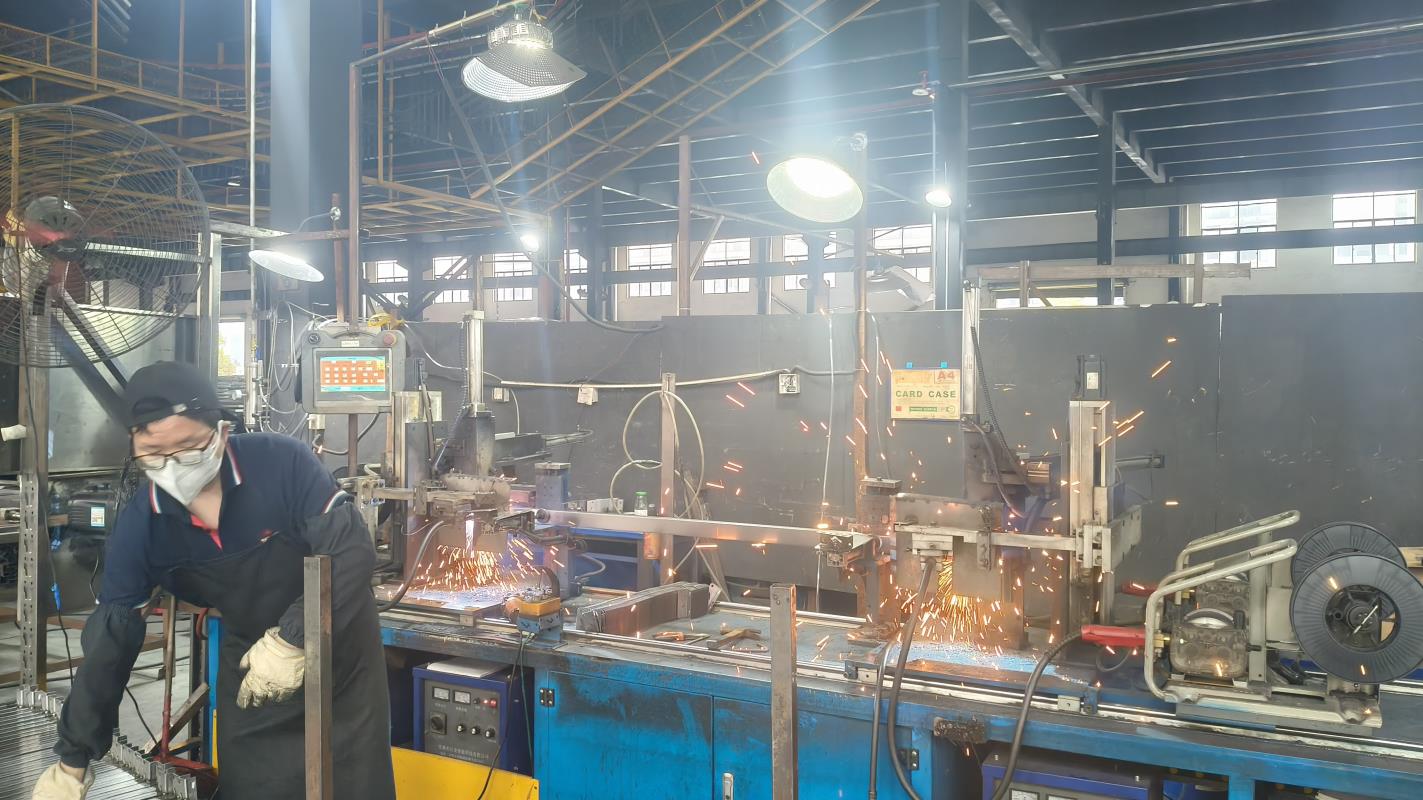
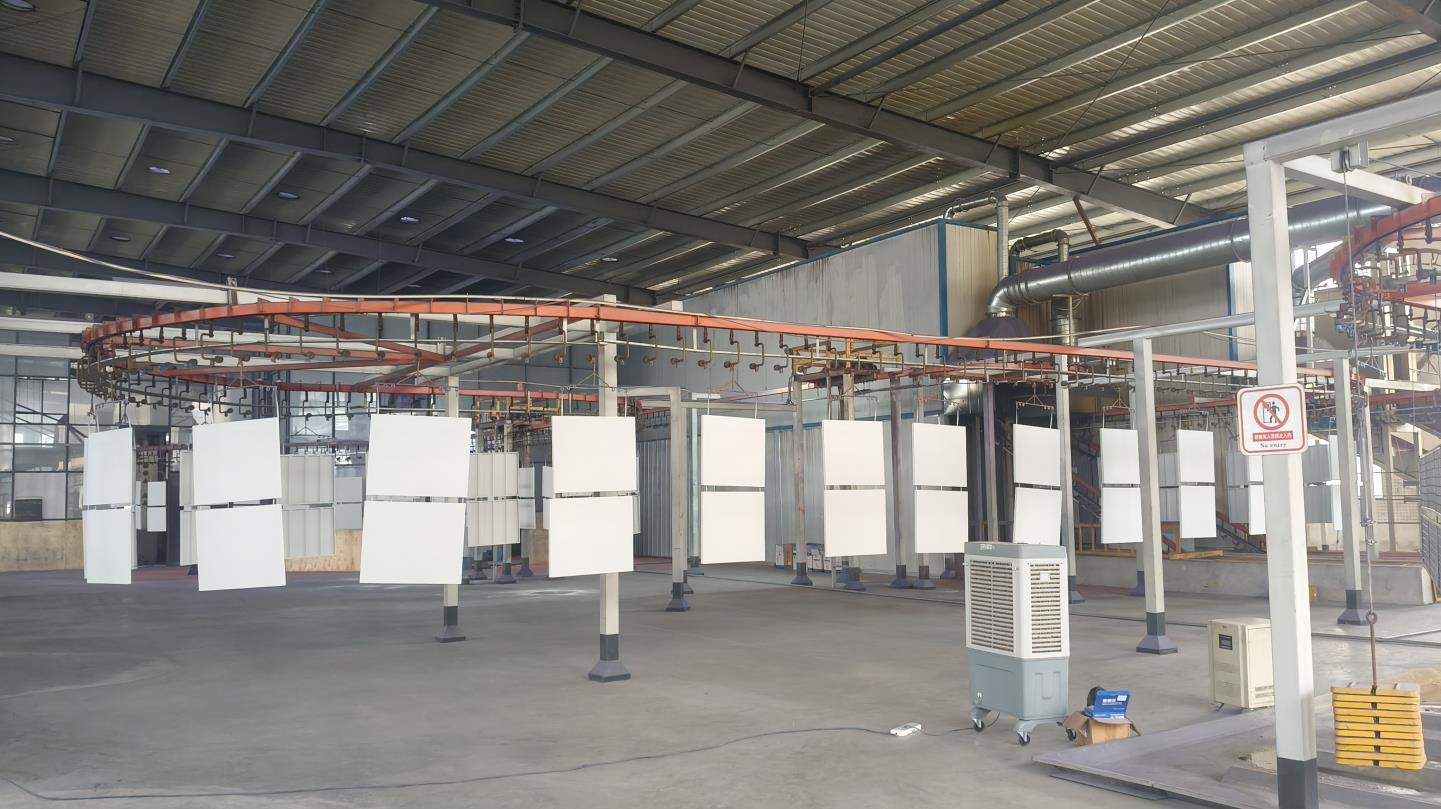
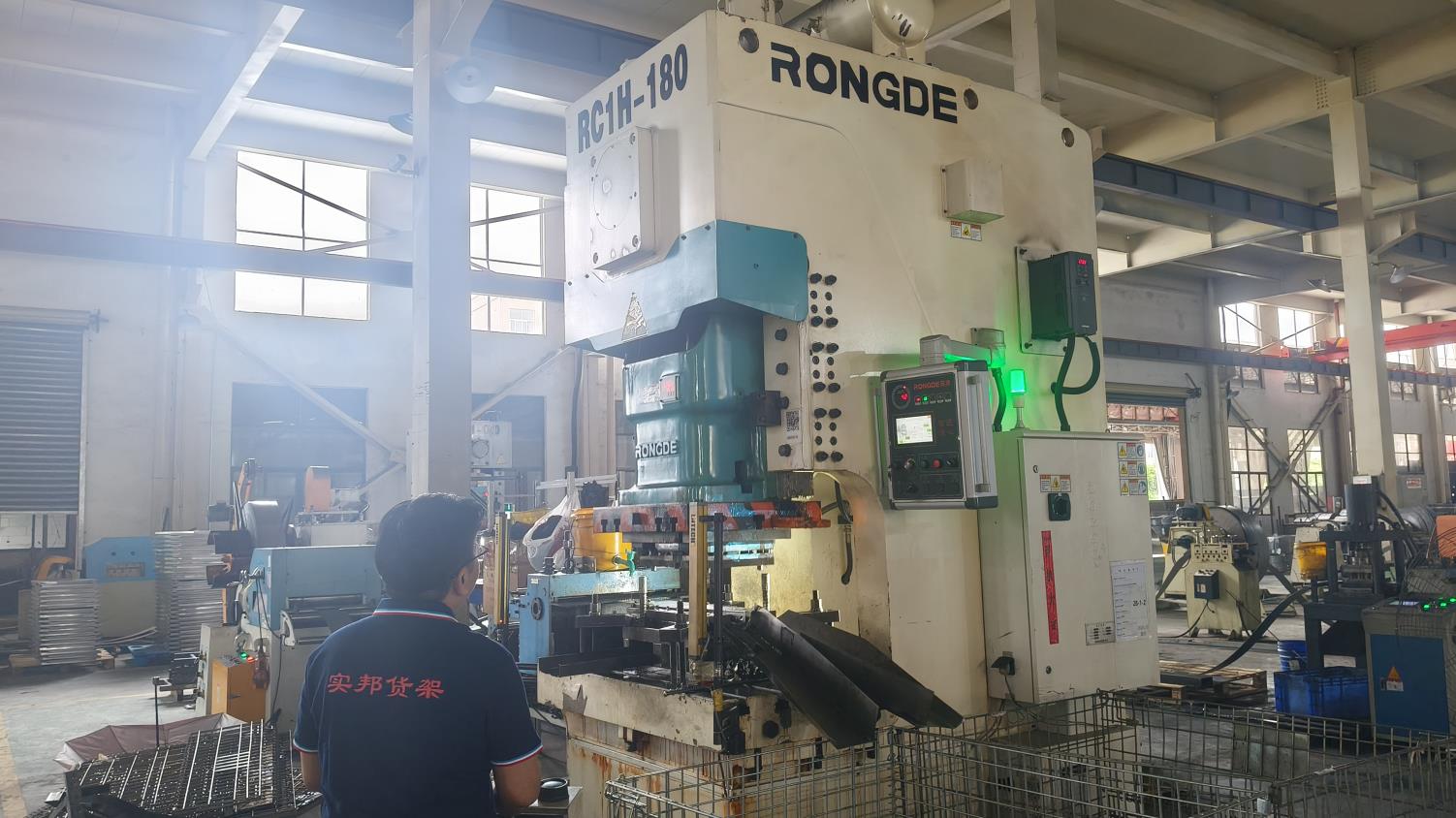
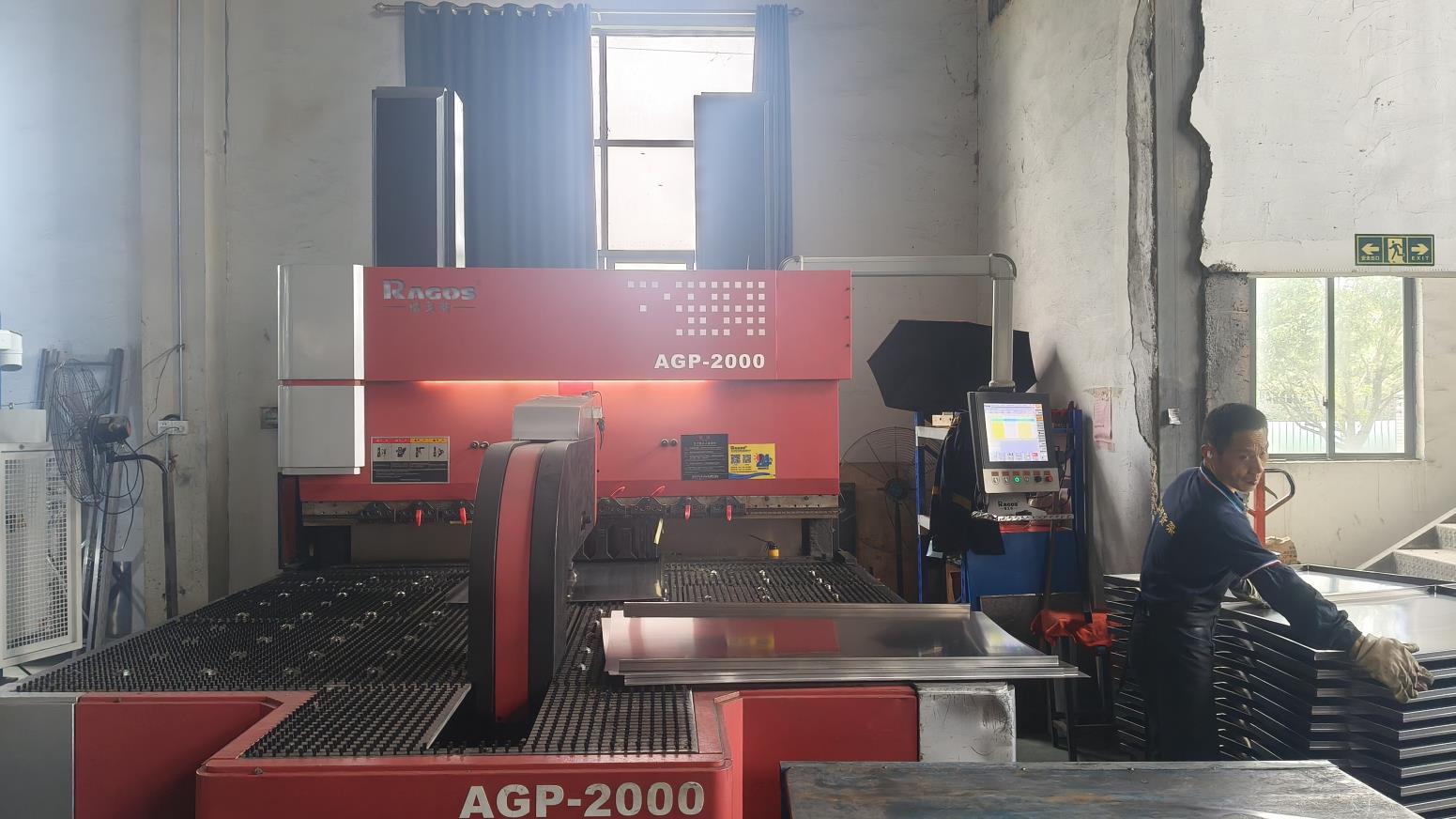
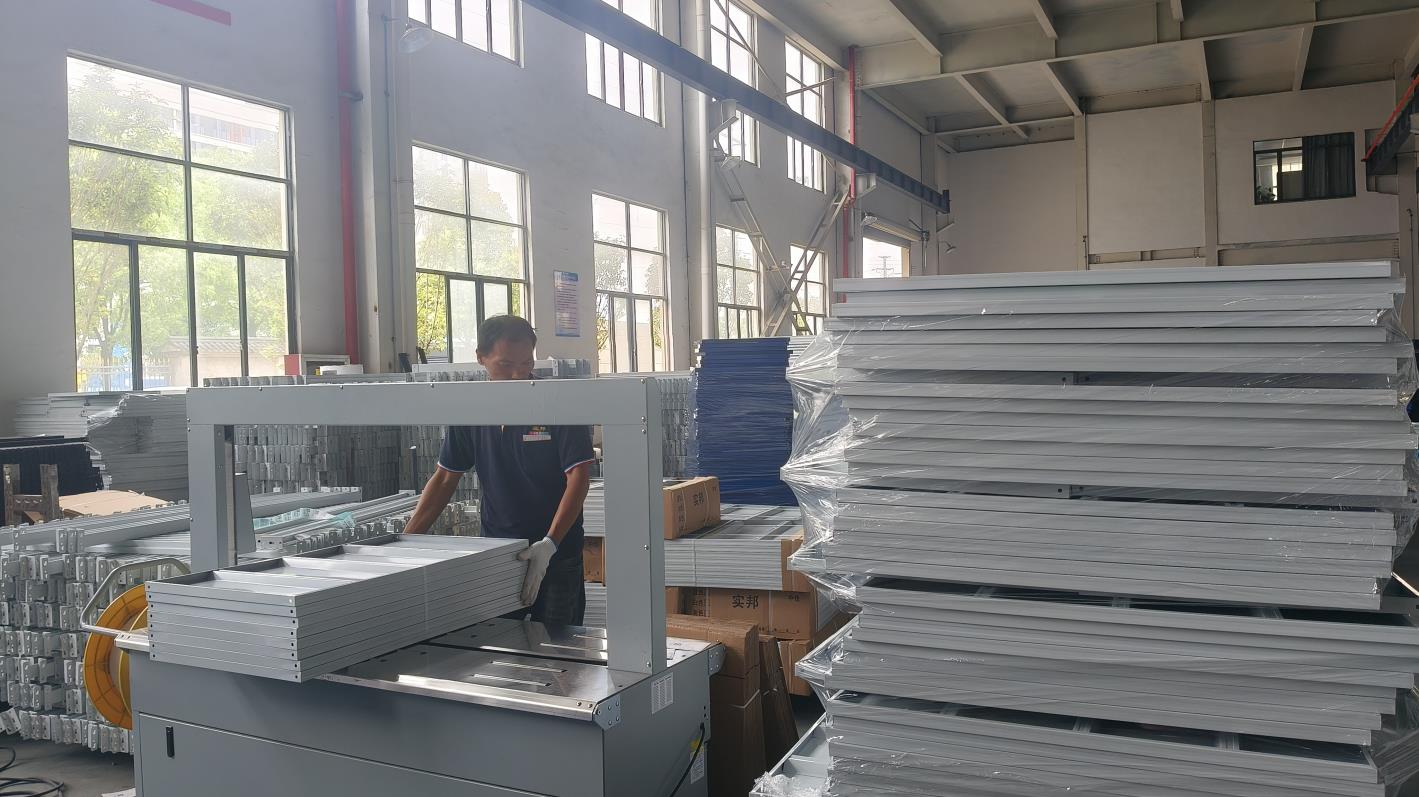
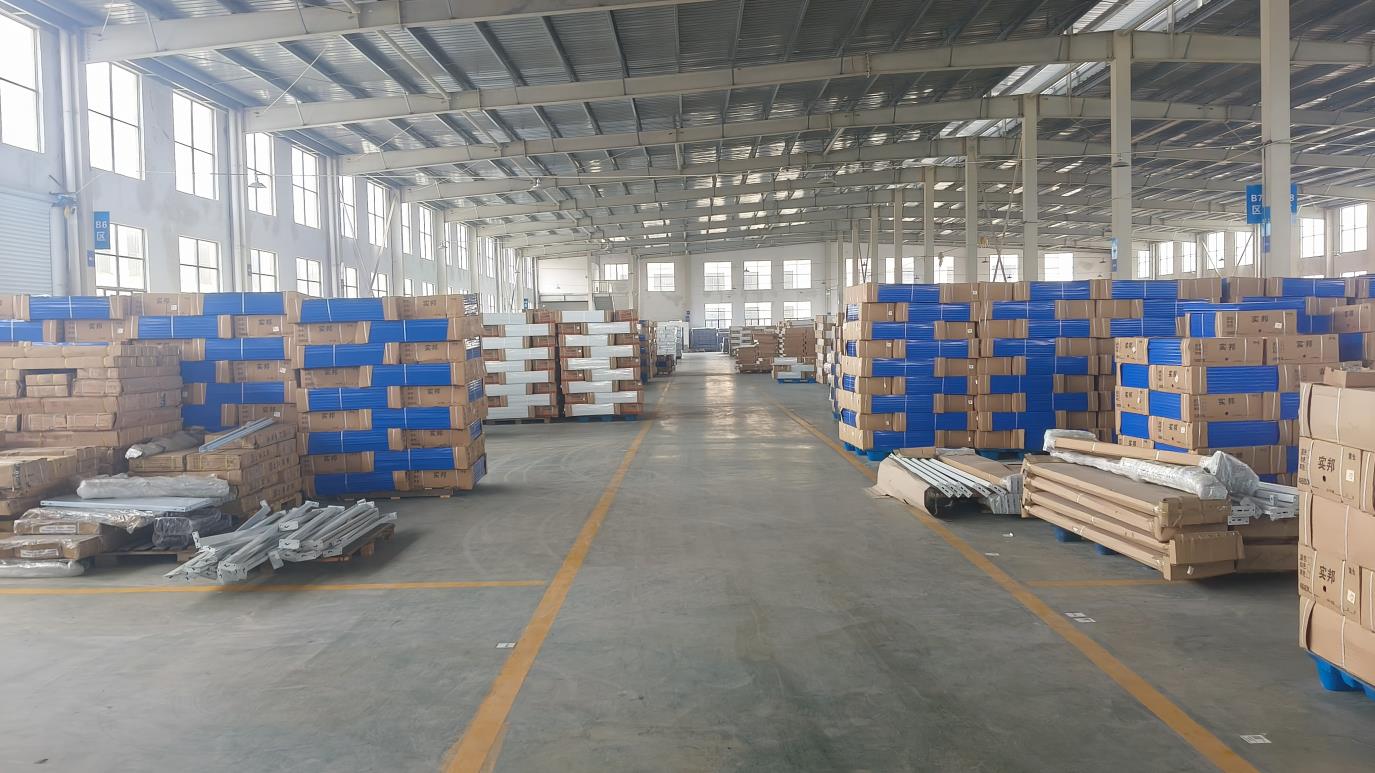
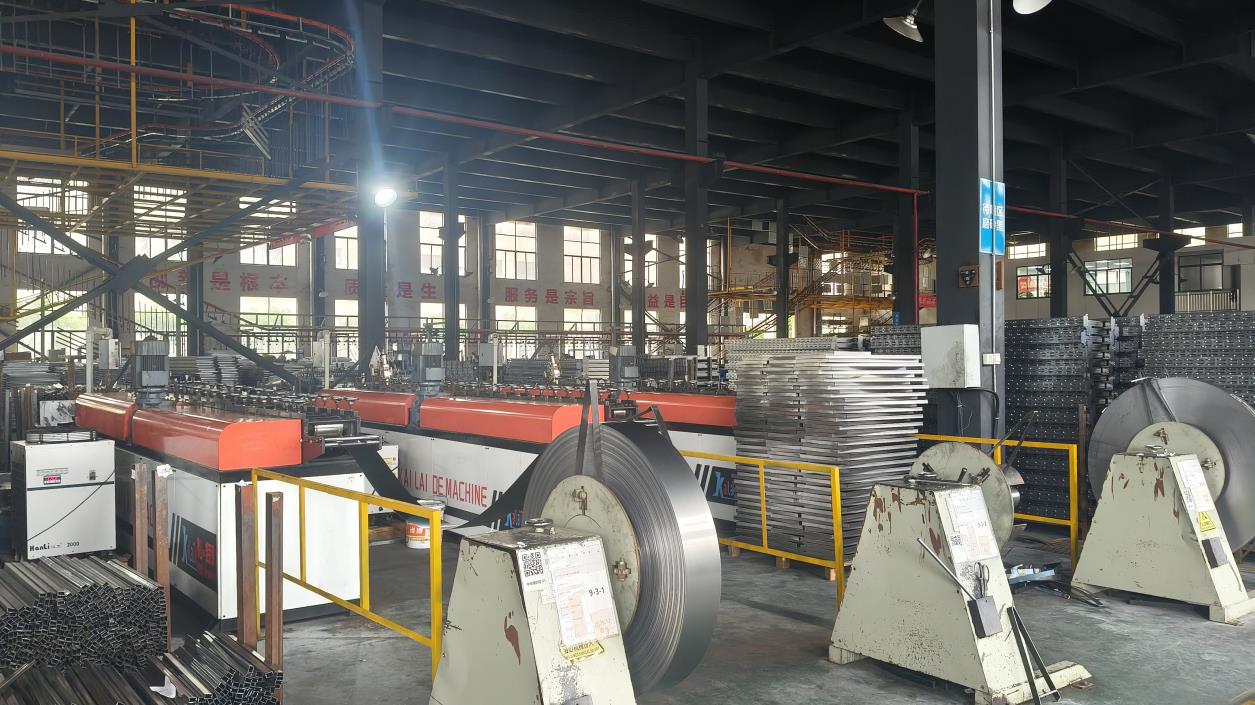
Leveraging material efficiency, advanced automation, and premium transport hubs to deliver cost-effective racking systems.
Our raw structural steel is sourced directly from domestic state-owned mills, offering uniform tensile strength and structural properties. This ensures our push back racking meets structural calculations for heavy load demands without material deformation.
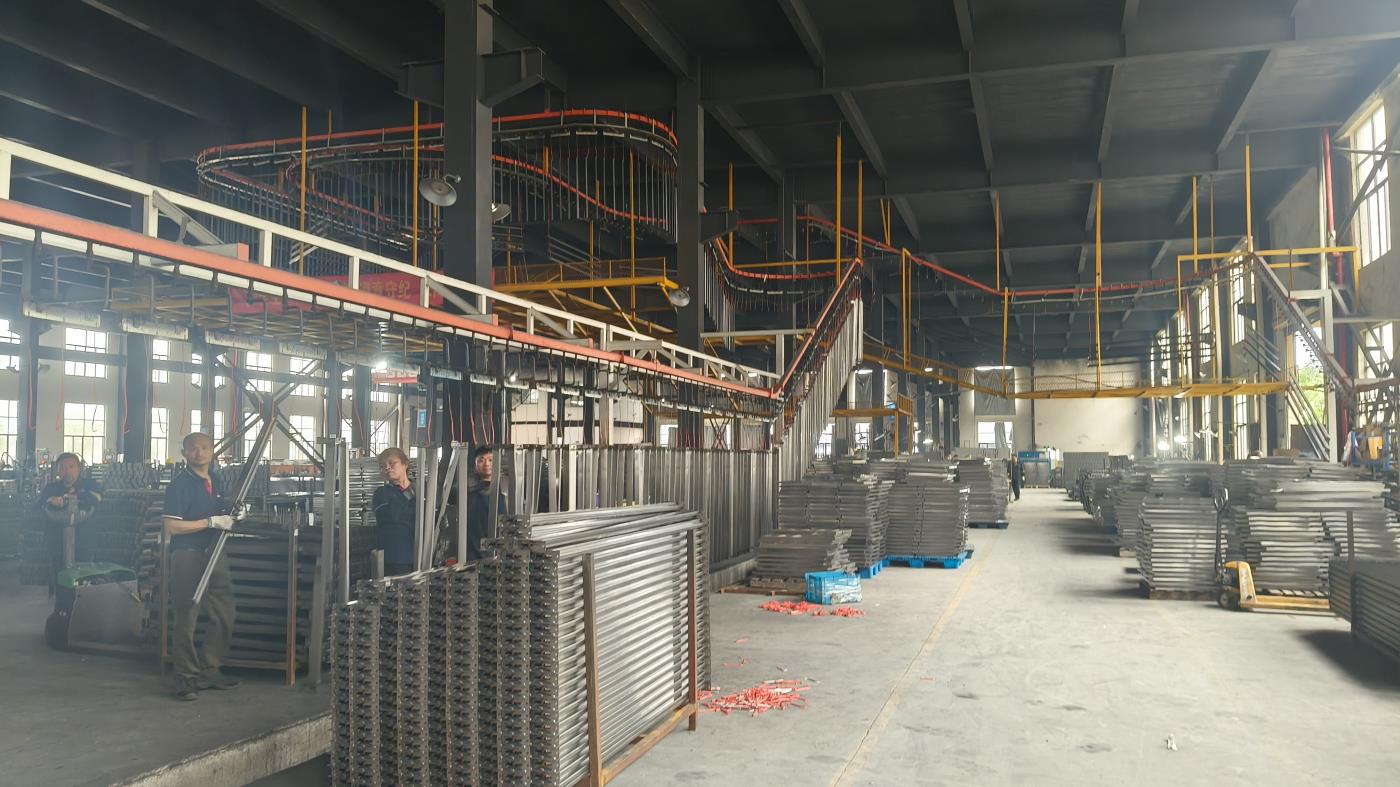
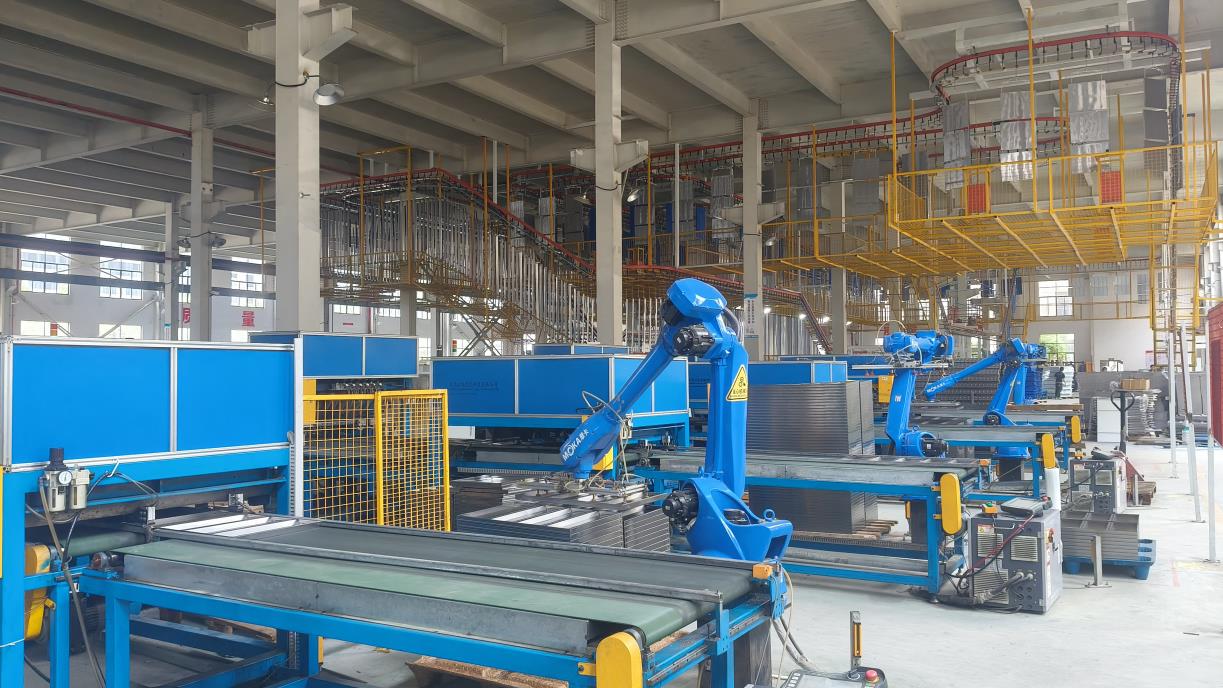
Deploying fully automatic roll-forming mills, automated welding workstations, and high-capacity electrostatic powder coating lines optimizes output. By minimizing manual fabrication steps, we deliver repeatable quality while maintaining highly competitive unit costs.
Located in Guangzhou, our manufacturing center is positioned near shipping hubs like Nansha and Shenzhen. This proximity reduces domestic transit times, minimizes inland transport costs, and provides access to major global shipping lines.
Aligning engineering and structural calculations with local building codes, seismic laws, and industry safety standards.
Deploying heavy-duty storage racking requires strict compliance with local building regulations. Guangzhou LogiSteel Racking ensures all push back configurations conform to regional standards:
To support global deployments, LogiSteel collaborates with engineering consultants worldwide. We assist client engineers in procuring localized Professional Engineer (PE) stamps by providing structural drawings, raw material chemical property sheets, and comprehensive load-calculation calculations.
Where push back systems maximize efficiency, reduce facility footprints, and optimize operational throughput.
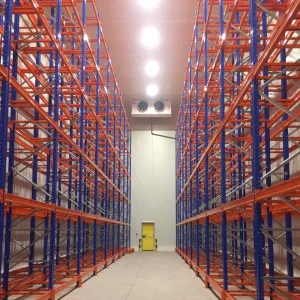
Cold storage volume is expensive to build and operate. Implementing a 4-deep or 5-deep push back system maximizes spatial utilization in temperature-controlled spaces, reducing HVAC overheads per stored pallet position.
For operations distributing identical products (e.g., beverages, paper products, building supplies), push back systems enable deep storage lanes. This keeps high-turnover SKUs organized and accessible at the picking aisle.
Logistics facilities serving diverse clients benefit from the flexibility of storing distinct SKUs per lane. This ensures they can adapt storage configurations as client SKU profiles change without rebuilding structures.
The evolution of dynamic gravity storage in the era of automated material handling and smart systems.
The material handling sector is increasingly integrating automation. While push back systems are mechanically simple and require no external power, they are evolving to interface with digital infrastructure:
Integration with AGVs and AMRs: Automated Guided Vehicles and Autonomous Mobile Robots are being configured to load and unload push back systems. This requires high precision in cart alignment and structural rails. Our manufacturing tolerances are calibrated to support automated forklift pickers that rely on optical sensors.
RFID and Sensor Tracking: Integrating RFID arrays along push back lanes allows warehouse management software (WMS) to track depth occupancy. By sensing the position of the nested carts, the system can automatically monitor stock depletion and alert operators when replenishment is required.
Anti-Corrosive Metallurgy for Sub-Zero Environments: Driven by growing demand in temperature-controlled logistics, we are utilizing specialized structural steel grades and low-temperature performance powder coatings that resist peeling and structural fatigue down to -30°C.
Answers to common engineering questions concerning the design, capacity, and operation of push back systems.
The standard incline slope of a push back rail system typically falls between 2.5% and 3.5% (approximately 1.5 to 2 degrees). This gradient is designed to allow gravity to roll the nested carts back to the aisle face when the front pallet is removed. If the slope is too gentle, pallets may fail to slide forward; if it is too steep, pallets can slide forward too quickly, increasing the risk of structural impact and product instability. The slope is engineered based on expected pallet weights, roller friction, and cart configurations.
Yes, standard counterbalance, reach, and straddle forklifts are compatible with push back systems. Since forklifts do not enter the rack structure—unlike drive-in racking—specialized slim mast profiles are not required. The main requirement is that the forklift's tilt function must be calibrated so operators can insert and extract pallets parallel to the rail inclination. Pallet loading requires the forklift mast to tilt slightly forward, aligning with the incline of the cart tracks.
Standard push back racking systems are designed to accommodate pallet weights ranging from 500 kg to 1,500 kg (1,100 to 3,300 lbs) per pallet position. The carts, rollers, and structural frame are engineered for these loads. High-capacity configurations up to 2,000 kg can be built using structural channel frames, reinforced bearings, and high-strength steel plates.
A major advantage of push back systems over dynamic gravity flow lanes is that the pallets sit directly on steel carts rather than directly on rollers. This configuration isolates the quality of the pallet wood or base. Poor quality pallets, damaged boards, or plastic pallets that might jam or fail to roll in a flow system perform reliably in a push back system, as long as the base pallet fits securely within the cart framework.
Push back racking systems are low maintenance because they utilize mechanical gravity instead of electrical drives. However, standard preventative maintenance includes: quarterly visual inspections of the structural uprights for impact damage, checking the alignment of the rail systems, ensuring the nested carts glide smoothly without binding, and clearing any debris from the tracks that could block the wheels.
In seismically active areas, push back systems must be engineered with heavier steel gauges, larger base plates, and stronger anchors. Cart retention safety blocks are also added to prevent carts from jumping off the tracks during a seismic event. Our engineering team performs calculations in accordance with RMI or EN codes to determine the appropriate configurations for your region's seismic profile.
Compare alternative dynamic and static storage configurations to find the ideal match for your warehouse layout.
 LogiSteel Racking