Explore our leading industrial cantilever configurations designed for optimized safety, spatial efficiency, and heavy-duty load capacities.
Solving spatial constraints and logistics bottlenecks for long-format cargo worldwide.
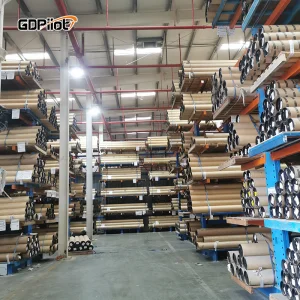
Modern global logistics networks require high-efficiency solutions to manage space limitations, fast inventory turnover, and safety concerns. Conventional pallet racking is ineffective for storing materials such as steel pipes, lumber, extruded aluminum profiles, plastic conduits, and industrial sheet metal. Stacking these items horizontally on warehouse floors causes space inefficiency, high risk of inventory damage, and potential workplace hazards.
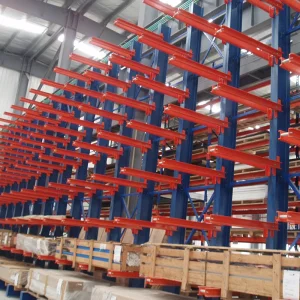
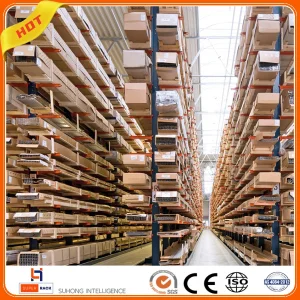
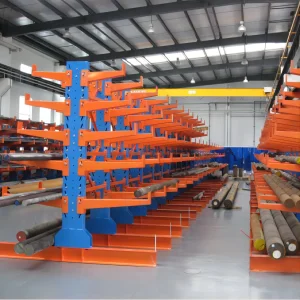
Industrial cantilever storage racking systems offer an engineered solution to these challenges. By eliminating the front vertical uprights that restrict horizontal placement in conventional pallet racks, cantilever systems allow for uninterrupted, continuous linear storage. This structural architecture supports the staging and organization of long-format, heavy-profile products while providing direct forklift accessibility, ensuring streamlined warehouse workflows.
Analyzing key drivers shaping the demand for high-capacity cantilever racking across international markets.
Globalized supply chains require larger warehousing hubs. The increase in international trade for construction raw materials, combined with the growth of pre-fabricated building components, has generated substantial demand for structural-steel cantilever frameworks. Manufacturers and logistics operations are upgrading from simple floor-stacking storage models to engineered high-rise racking installations.
The rise of Industry 4.0 has introduced automated storage and retrieval systems (AS/RS) tailored for long loads. Modern installations integrate heavy-duty cantilever structures with automated shuttle cranes and motorized telescopic arms. These advancements allow automated material handling equipment to extract long bars and sheet metal without manual forklift intervention, reducing operational cycle times.
In addition, global environmental legislation is driving demand for weather-resistant storage systems. Industrial operators are opting for outdoor hot-dip galvanized (HDG) cantilever storage systems to transition their operations to outdoor yards. This approach preserves indoor, climate-controlled square footage for sensitive processing operations while protecting raw inventory from elemental corrosion.
Understanding the mechanical properties, load distribution, and structural configurations of industrial cantilever setups.
The design of safe cantilever racking requires careful consideration of structural mechanics. Unlike standard pallet racks that distribute vertical loads across two beams supported by four upright posts, a cantilever arm acts as a beam fixed at one end, supporting a load along its length. This configuration transmits significant bending moments and torsional forces to the vertical columns and base structures.
| Structural Parameter | Roll-Formed Light-to-Medium Duty | Structural Steel Heavy-Duty (I-Beam) | Automated / Telescopic Systems |
|---|---|---|---|
| Material Grade | High-tensile steel (Q235 or equivalent) | Structural steel sections (Q345B / ASTM A36) | Alloy steels and precision machined guides |
| Load Capacity range | 300 kg to 800 kg per arm | 1,000 kg to 5,000+ kg per arm | Custom-rated up to 3,000 kg per level |
| Standard Column Height | 2,000 mm to 5,000 mm | 3,000 mm to 9,000+ mm | Custom based on automated warehouse heights |
| Arm Deflection Limit | L/200 (Span divided by 200) | L/300 (Span divided by 300) | L/400 (Minimized for robotic alignment) |
| Best Applications | Light conduits, PVC pipes, furniture | Heavy steel coils, logs, industrial plates | High-density manufacturing metal-sheet arrays |
Ensuring structural reliability under various regional regulations and geological environments.
For international projects, storage racking systems must comply with local engineering standards. Guangzhou LogiSteel Racking Co., Ltd. customizes its designs to meet regional building codes and safety requirements, including the American RMI (Rack Manufacturers Institute) MH16.1 standard, the European EN 15512/EN 15635 standards, and Australian AS 4084 regulations.
Our engineers perform advanced FEA (Finite Element Analysis) simulations to verify structural safety in seismic zones. In regions prone to earthquakes, we design cantilever systems with heavy-duty base structures, thicker steel gauges, and reinforced bracing to withstand dynamic seismic loads. Additionally, all structural steel materials undergo rigorous testing to ensure reliable yield strength and impact resistance in low-temperature storage environments.
Case examples of cantilever racking systems optimized for diverse material handling applications.
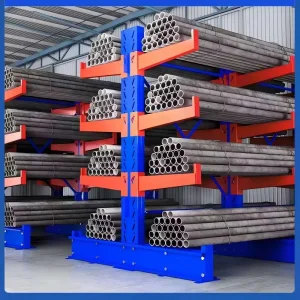
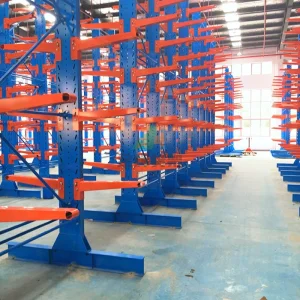
Designed to store heavy pipe bundles. Features removable pipe stop pins at the ends of the arms to prevent cylindrical items from rolling off, ensuring safe operation.
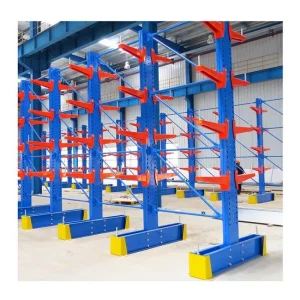
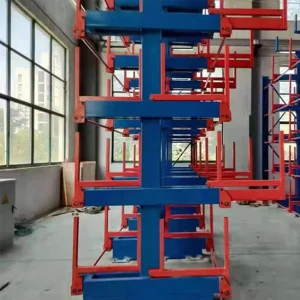
Double-sided heavy-duty structures configured for outdoor wood storage yards, featuring built-in canopies to shield timber and engineered wood products from rain and sun damage.
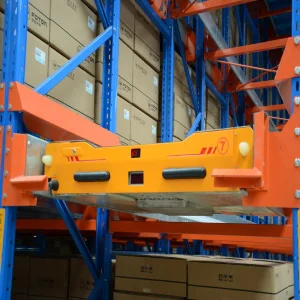
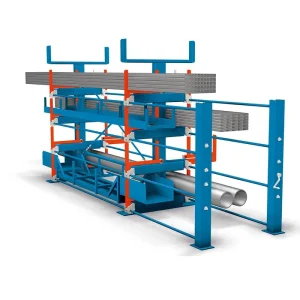
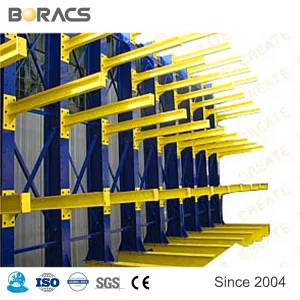
Utilizes roll-out telescopic cantilever levels, allowing workers to pull out each storage level for overhead crane access, reducing manual material handling requirements.
Integrating sensors and automated machinery into cantilever racking systems.
The design of industrial cantilever systems continues to evolve. Future developments focus on integrating structural health monitoring and automation components into heavy-duty storage arrays.
Developments in intelligent material handling include using optical deflection sensors inside the structural columns. These sensors measure real-time arm deflection and frame lean, automatically alerting warehouse managers if dynamic loading exceeds structural limits. Additionally, combining motorized telescopic cantilever racks with automated guided vehicles (AGVs) allows for robotic inventory picking, reducing human error and improving overall warehouse safety.
A trusted manufacturer specializing in the engineering, design, and supply of industrial storage systems.
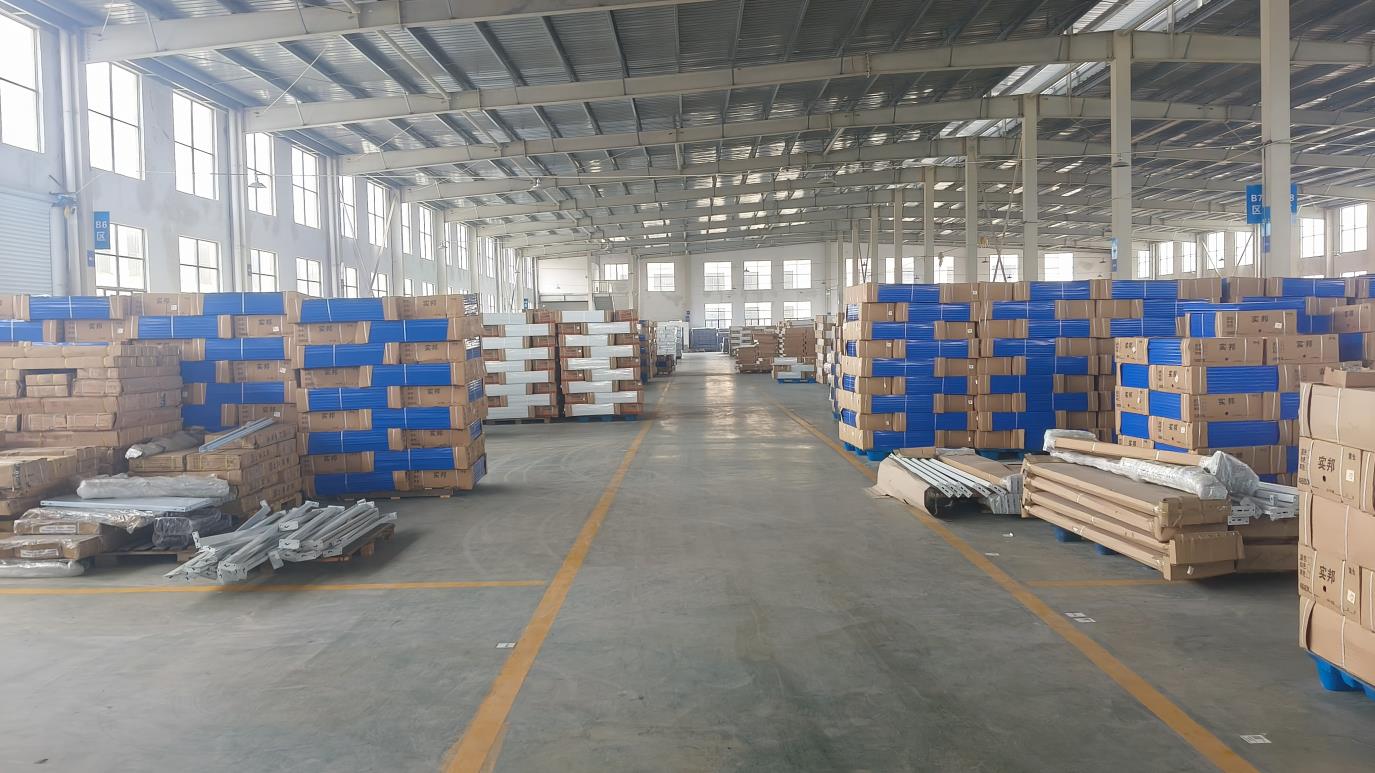
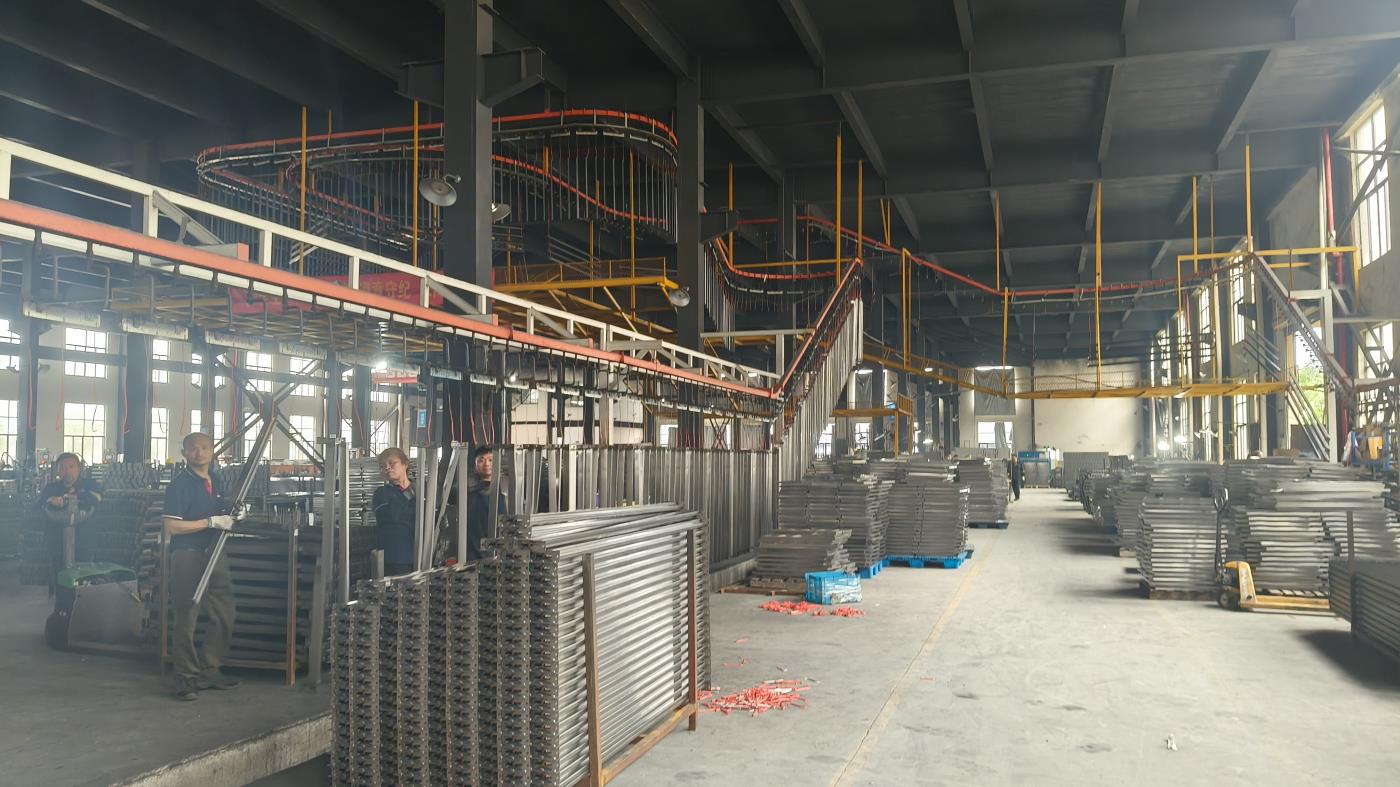
Guangzhou LogiSteel Racking Co., Ltd. is a professional manufacturer specializing in the design, production, sales, and installation of various types of storage racking systems, display stands, and supermarket equipment. Over the years, LogiSteel has developed into a reliable supplier in the material handling and retail display industry. Our factory covers an area of more than 15,000 square meters and employs over 200 skilled workers and technical staff.
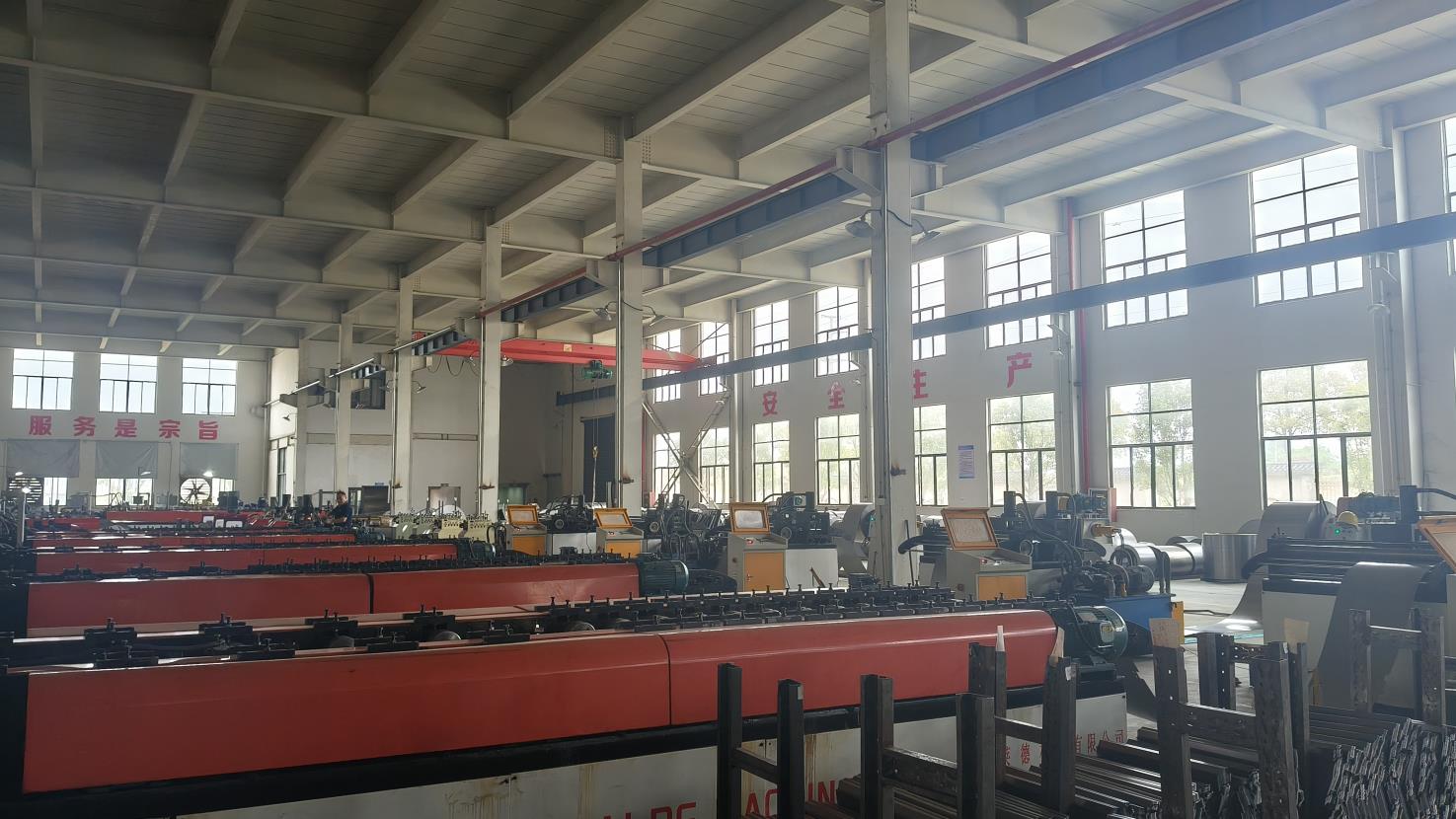
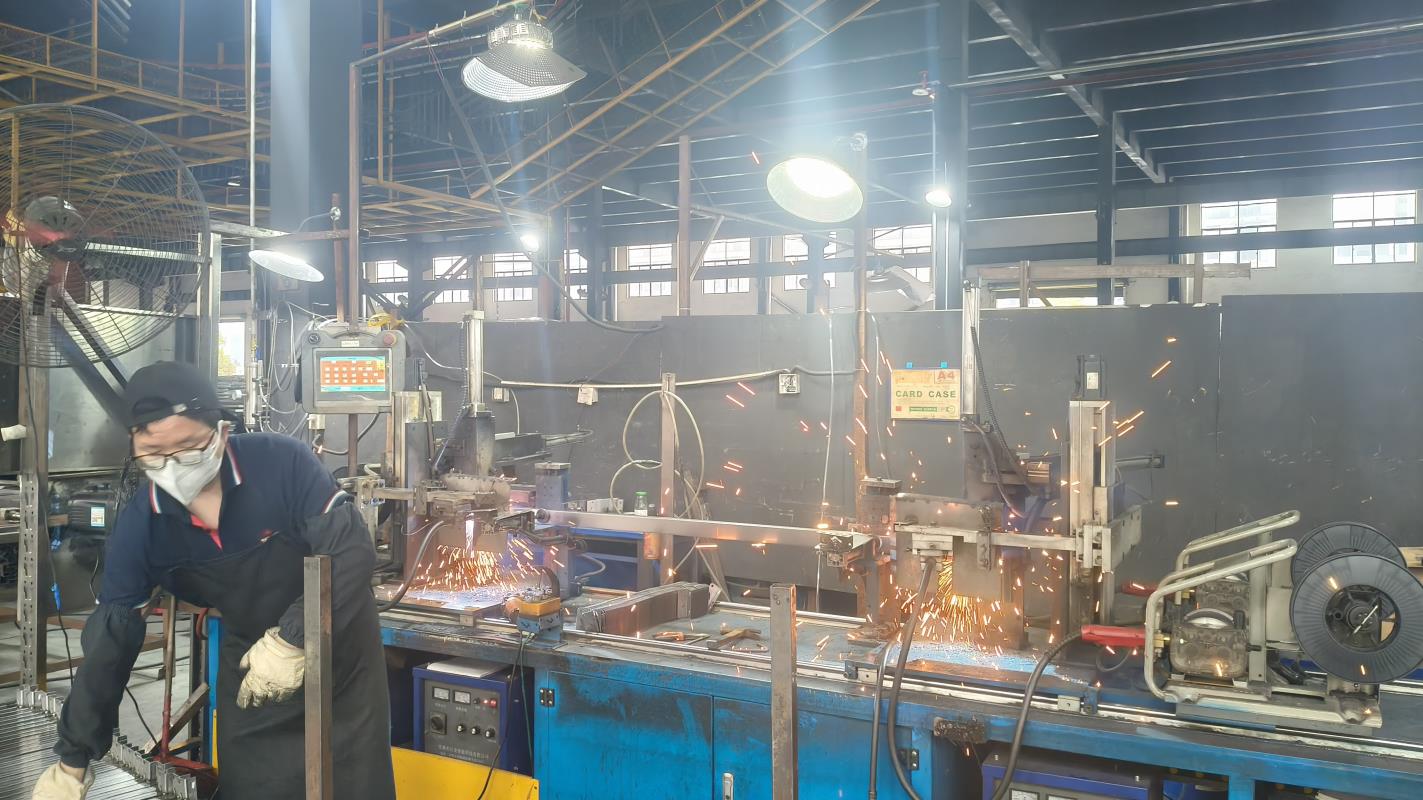
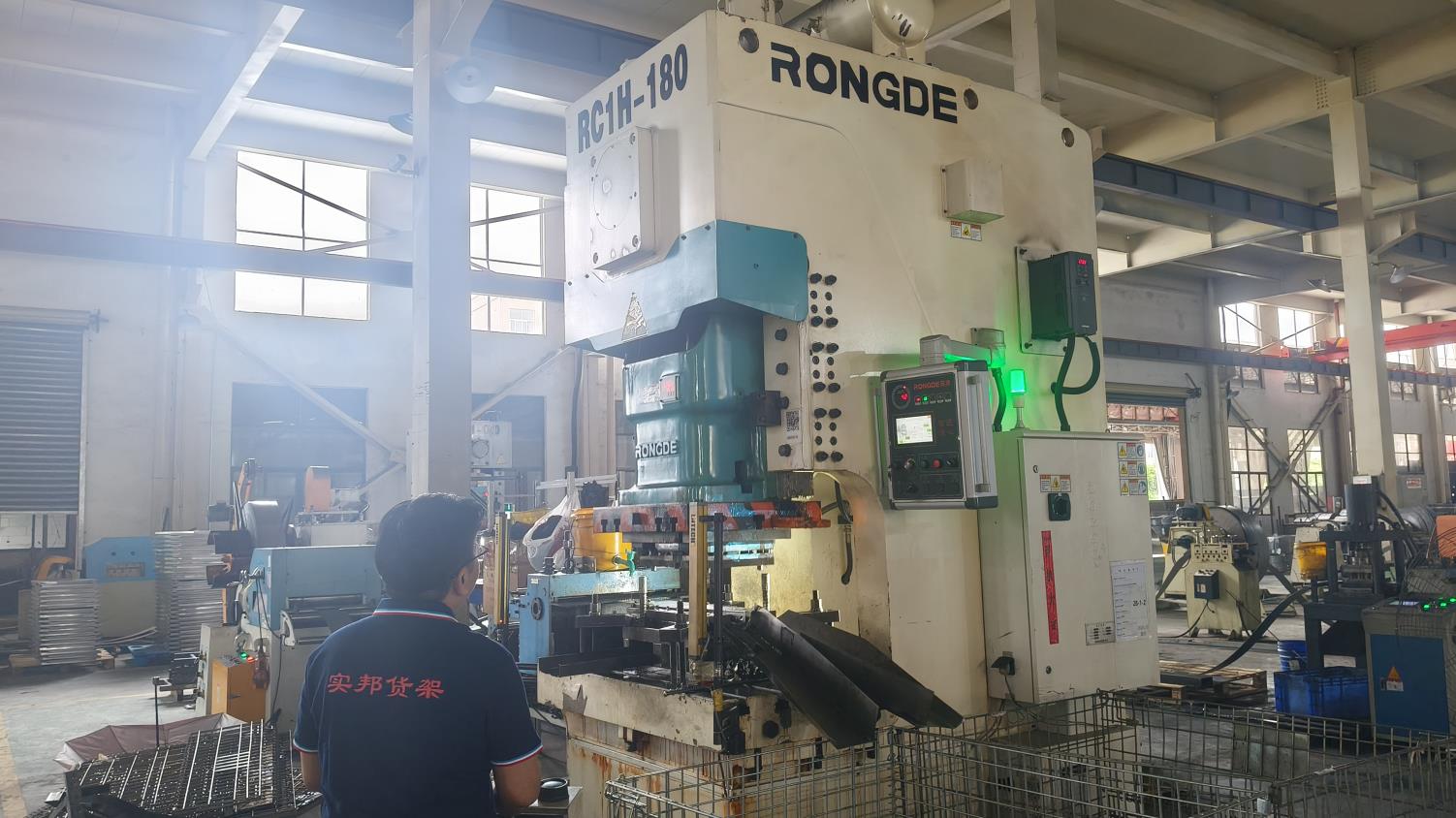
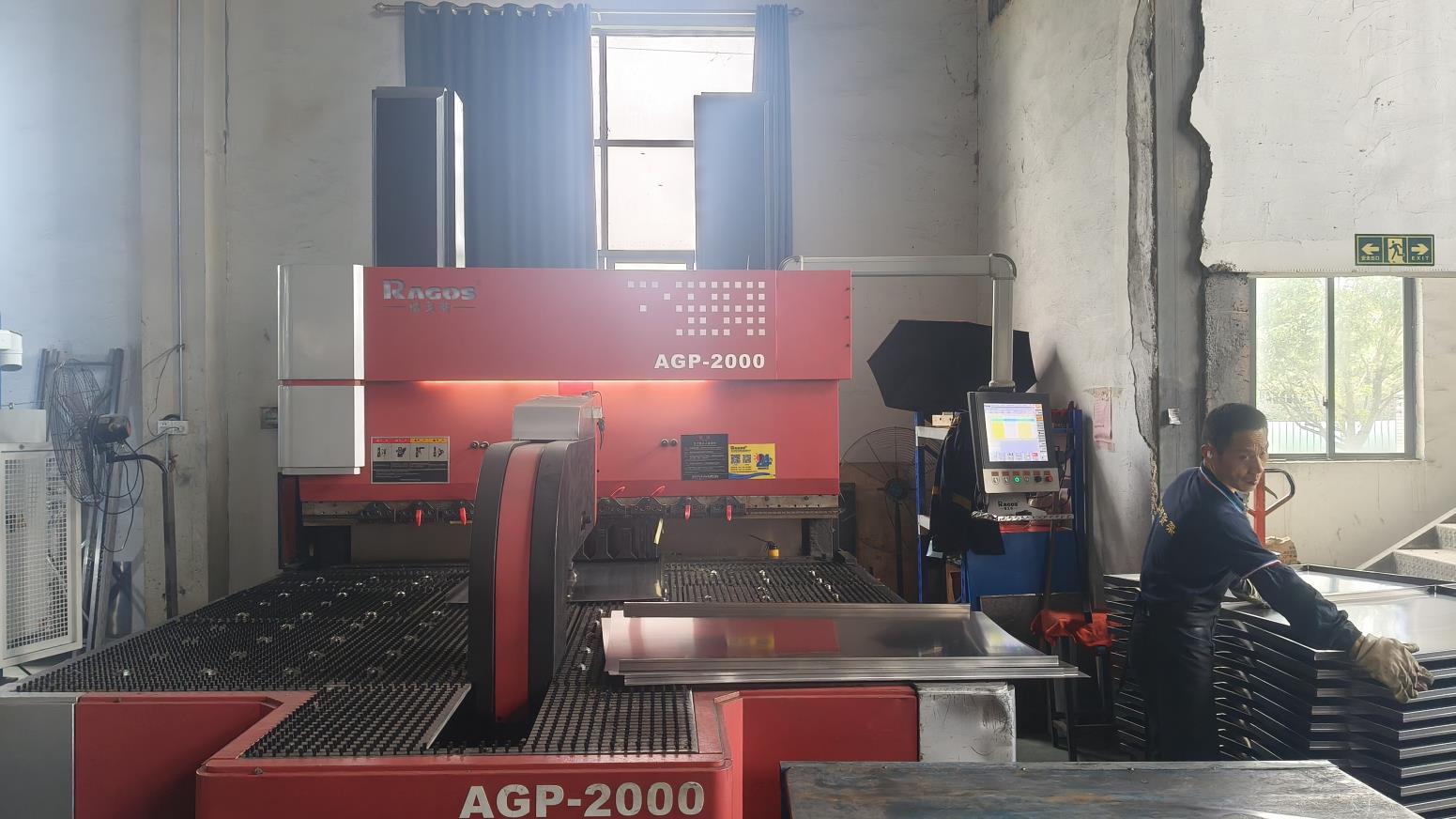
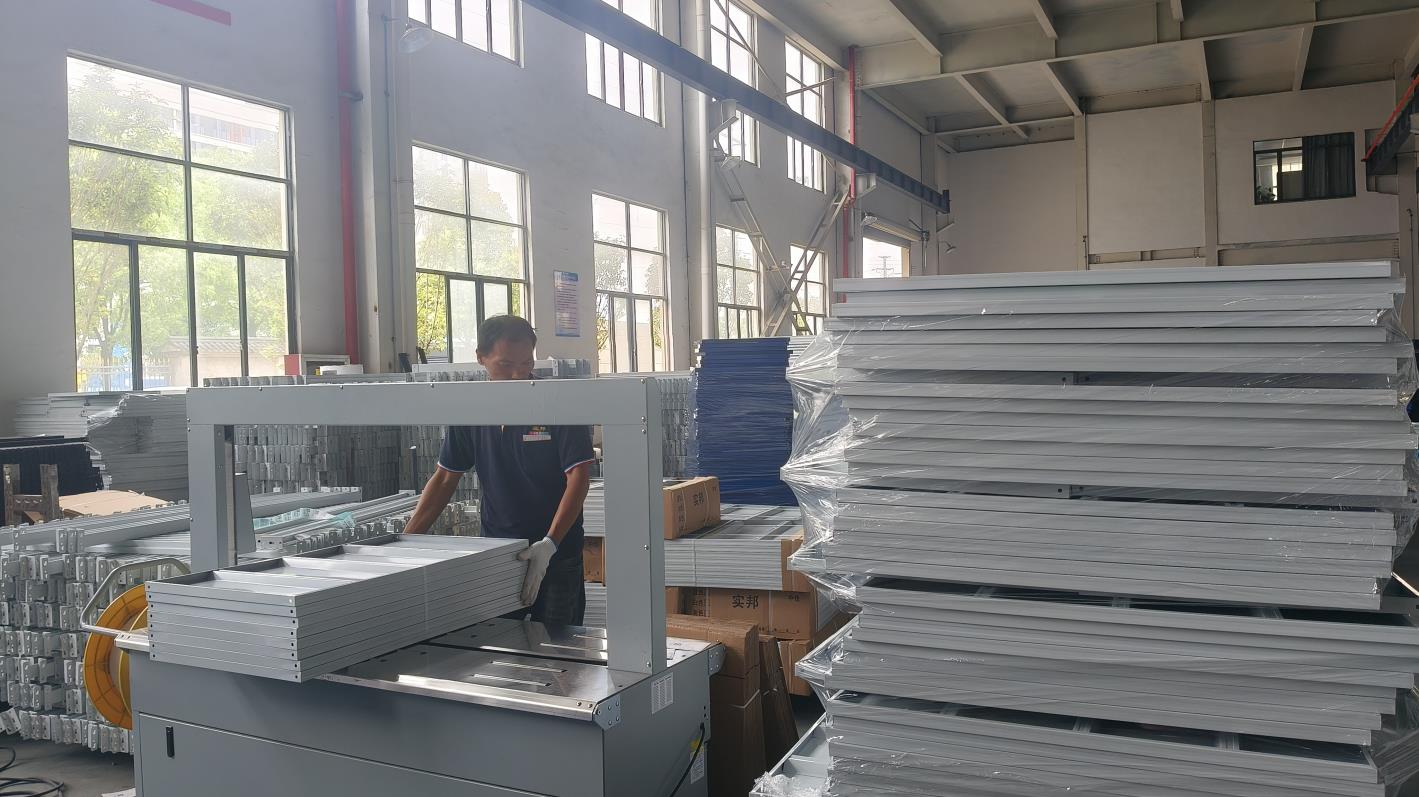
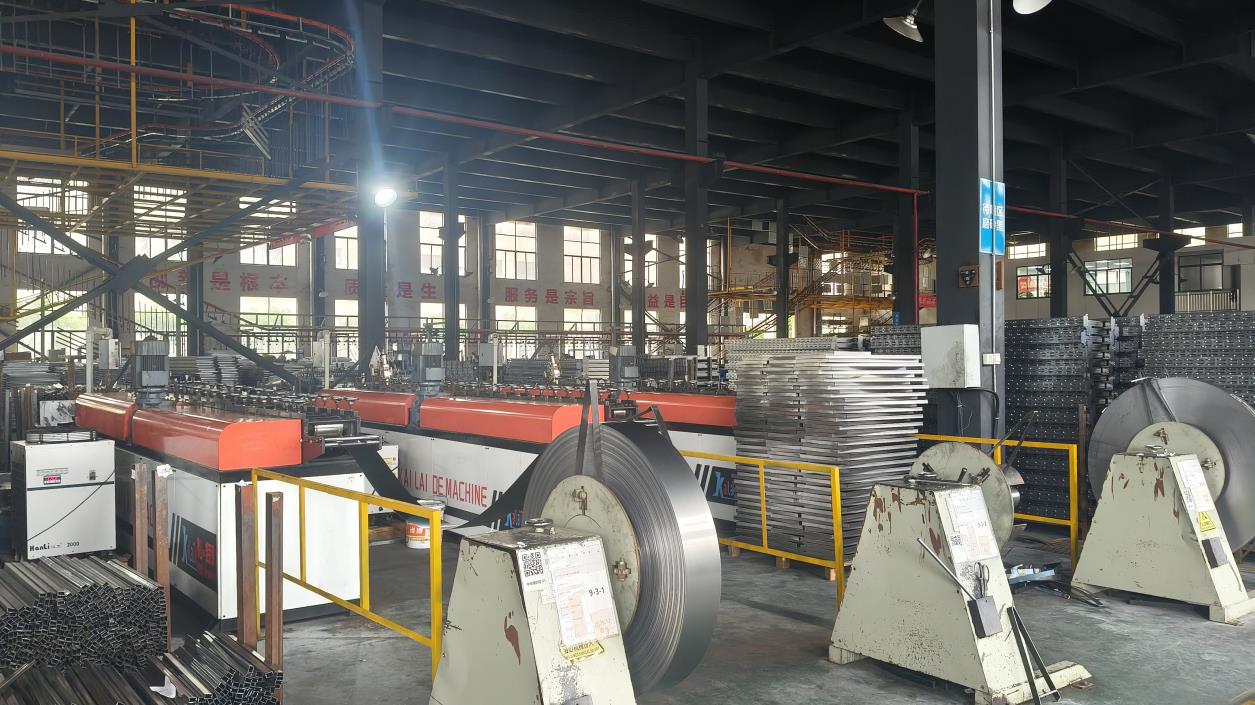
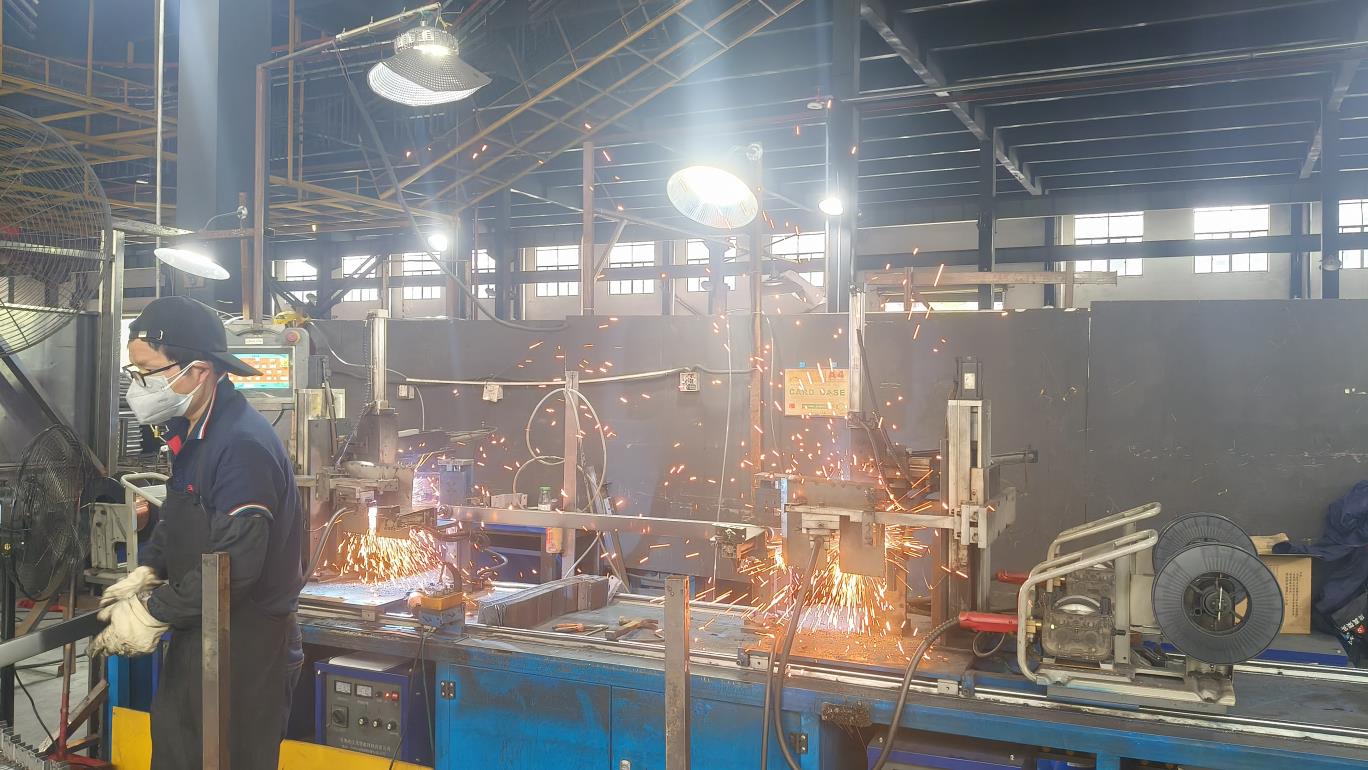
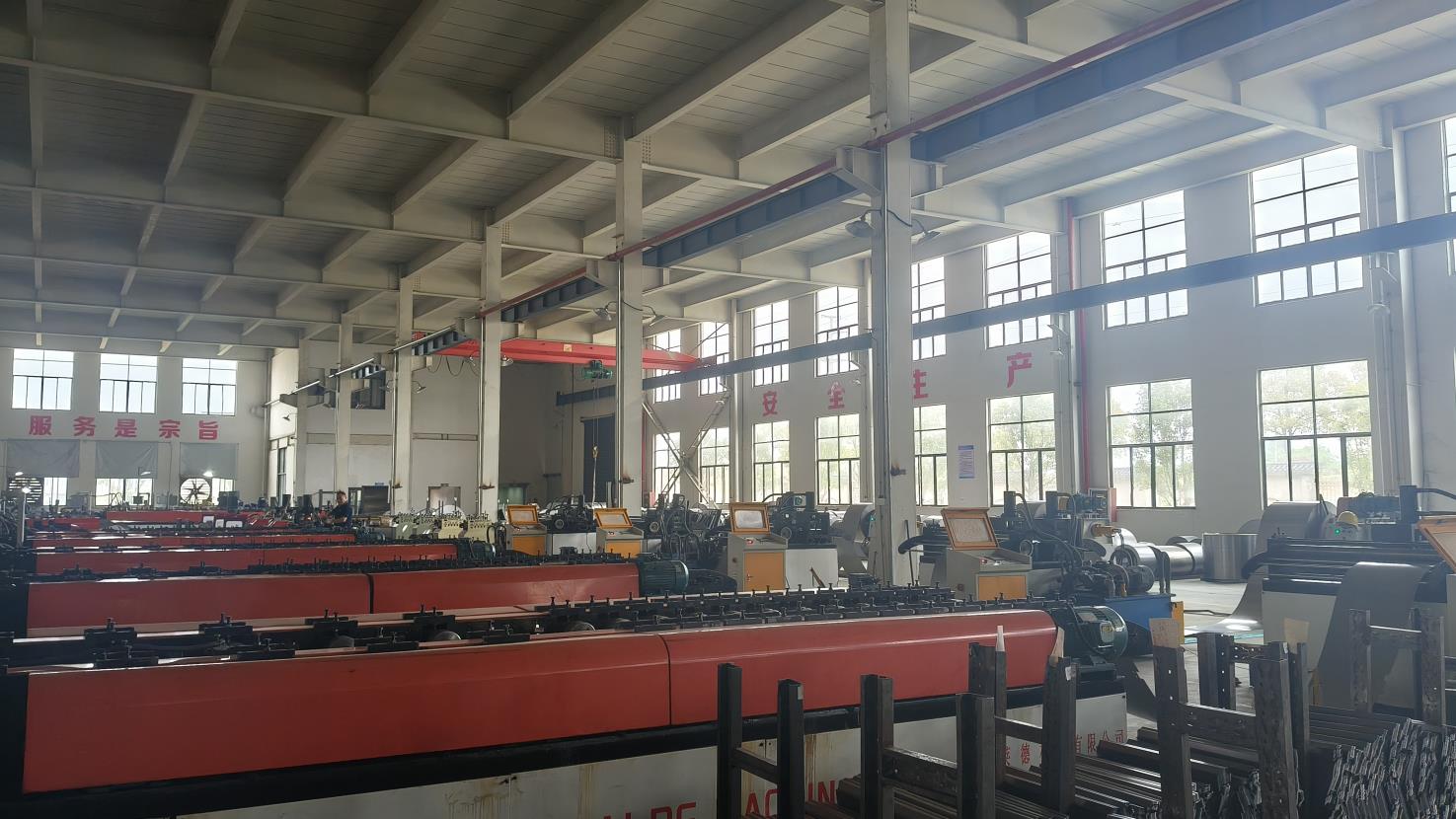
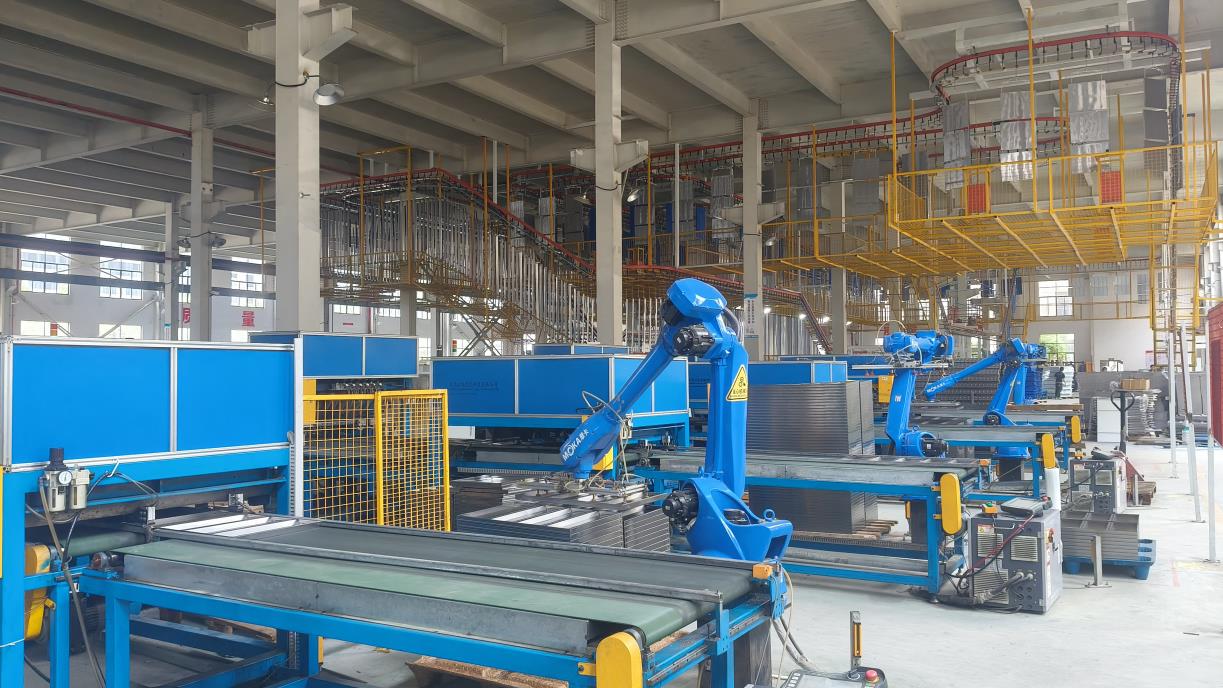
With strong technical capabilities and advanced production equipment—including tube cutting saws, tube punching machines, guillotine shears, hydraulic punching machines, plate bending machines, and spot welding machines—we ensure high efficiency and precision throughout the manufacturing process. Our product range includes pallet racking systems, selective warehouse racks, mezzanine floors, supermarket shelving systems, gondola shelving, and various customized display stands. These products are widely used in warehouses, logistics centers, supermarkets, retail stores, and industrial facilities.
Guangzhou LogiSteel Racking Co., Ltd. has built a strong global presence, with partners and distributors across Oceania, Asia, Europe, South America, and the Middle East. Our annual revenue exceeds 15 million USD, reflecting our steady growth and strong market competitiveness. We are supported by a professional sales team and experienced design engineers who provide comprehensive support from project consultation to after-sales service. We offer customized solutions tailored to different storage needs, ensuring optimal space utilization and operational efficiency. All customer inquiries are responded to within 24 hours, and on-site technical support can be arranged when necessary. Our products are certified with CE standards, ensuring compliance with international quality and safety requirements. Guided by the principle of “Best Quality, Durable Structure, Innovative Design, and Customer Satisfaction,” we are committed to continuous improvement and technological innovation. Looking ahead, Guangzhou LogiSteel Racking Co., Ltd. aims to become a globally recognized leader in storage and racking solutions, delivering reliable, efficient, and cost-effective systems to customers worldwide.
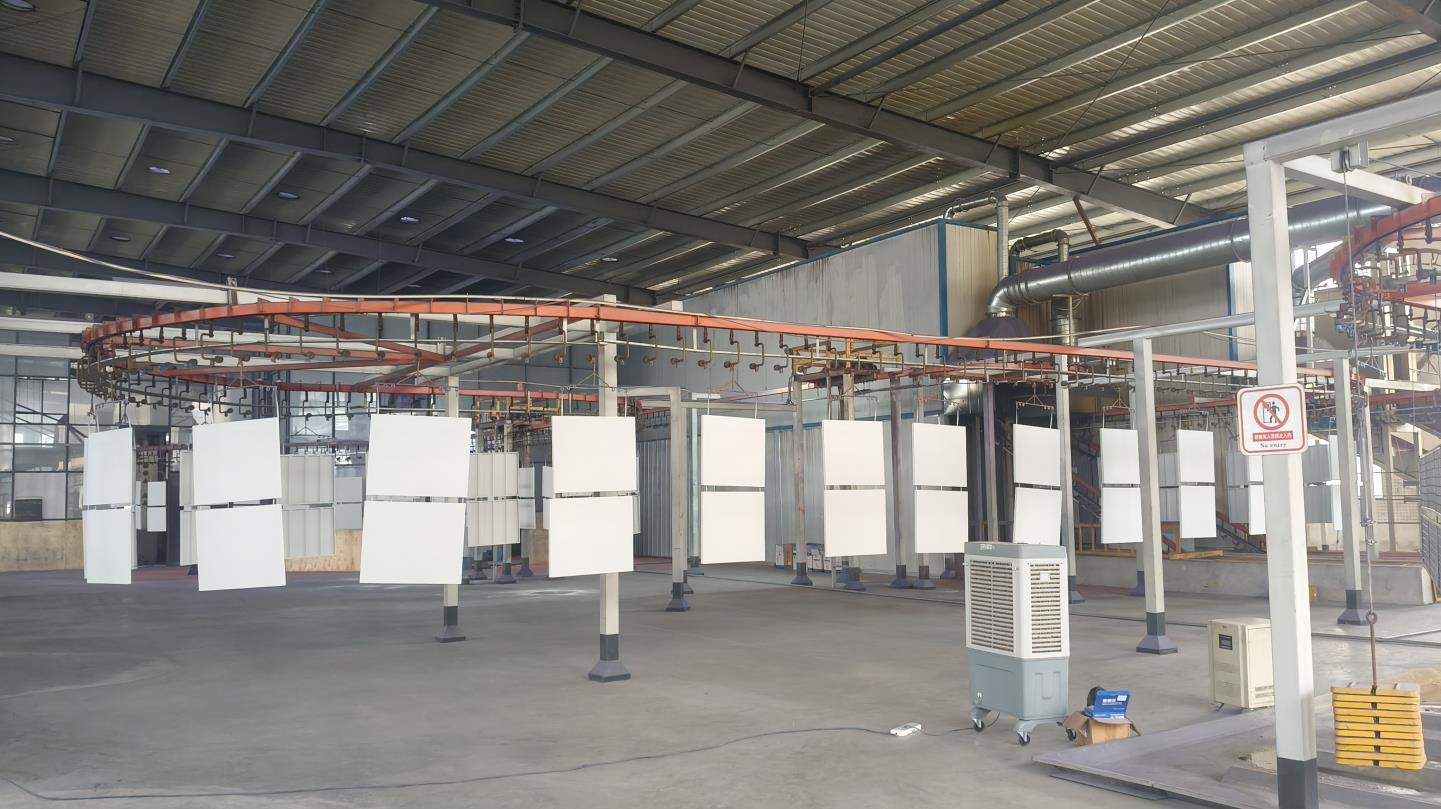
Step-by-step quality control throughout our manufacturing line.
Technical guidance to assist procurement officers and warehouse engineers with cantilever racking selection.
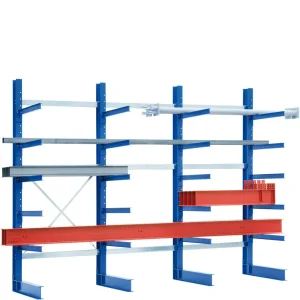
Roll-formed cantilever racks are constructed from high-tensile sheet steel that is cold-rolled into shape. These systems are suitable for light-to-medium loads and offer cost-effective storage for items like plastic tubing, light timber, and furniture. Structural steel cantilever racks are made from heavy-duty, hot-rolled I-beams. This configuration provides high resistance to impact damage and is suitable for heavy-duty industrial environments, such as steel distribution yards and heavy manufacturing facilities.
The correct configuration is determined by the characteristics of the stored load. The length of the cantilever arm must match or exceed the depth of the load to prevent overhang issues. Spacing between the arms depends on the rigidity of the stored product: flexible materials require closer arm spacing to prevent sagging, while rigid steel beams allow for wider spacing. Proper arm spacing ensures the load is evenly supported without causing structural issues.
Hot-dip galvanizing involves immersing the steel parts in molten zinc, creating a thick metallurgical bond that protects both the interior and exterior of the structural tubes. This finish is suitable for outdoor use and high-humidity environments. Standard powder coating is suitable for indoor warehouses, providing a durable finish that protects the steel from scratches and light impacts during routine material handling.
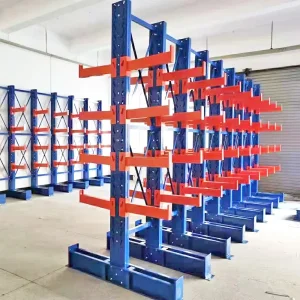
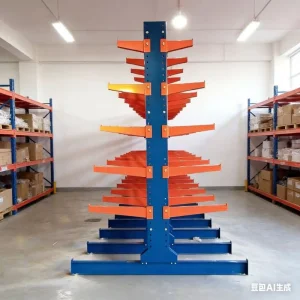
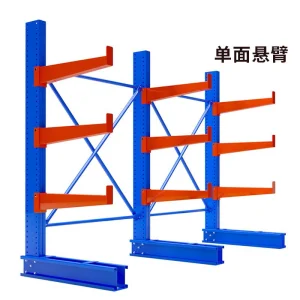
Single-sided cantilever racks are designed to stand against walls, maximizing perimeter space. Double-sided racks feature arms extending from both sides of a central upright column. Choosing a double-sided configuration helps optimize floor space in open areas of the warehouse, allowing access from both sides and improving forklift handling paths.
Explore custom designs, adjustable-arm systems, and automated material handling configurations.
 LogiSteel Racking