China Best Heavy Duty Shelving Manufacturers & Structural Engineering Solutions

Precision Industrial Storage Systems Engineered for Maximum Space Utilization, Seismic Compliance, and Seamless Global Logistics Supply Chains

Industrial White Paper: Global Logistics & Structural Engineering of Heavy Duty Shelving Systems

An authoritative guide to load capacity calculations, safety standards, and factory manufacturing efficiencies in the smart warehousing era.

1. The Global Commercial & Industrial Landscape of Heavy Duty Racking

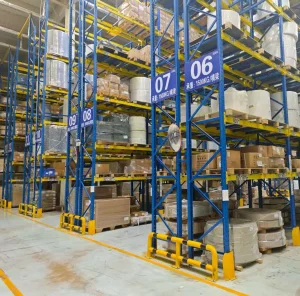
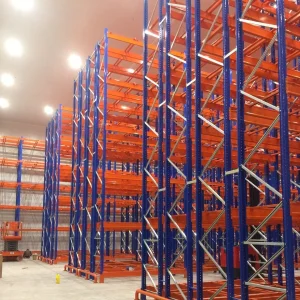
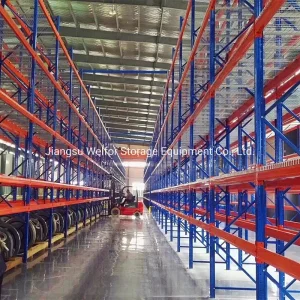
In modern supply chain ecosystems, heavy-duty shelving and structural warehouse pallet racks are no longer treated as passive iron storage installations. As global ecommerce hubs, cold-chain distribution centers, and automated manufacturing parks continue to expand exponentially, shelving systems have evolved into structural engineering assets. Industrial spaces demand optimized load distribution patterns, high volumetric capacity ratios, and seismic resistance ratings to conform to strict work safety guidelines (such as European EN 15512 standards and American RMI specifications).

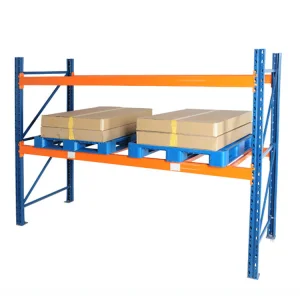
Across the Americas, Europe, and the APAC region, industrial warehouse space costs are rising rapidly. Companies are scaling upwards rather than outwards. Tall vertical configurations, multi-tier mezzanine floors, and automated storage and retrieval systems (ASRS) have become standard. This paradigm shift requires heavy-duty shelving systems that utilize high-tensile structural steel profiles capable of supporting static loads exceeding 4,000 kg per level, while maintaining strict deflection limits to ensure safe forklift and robotic operations.

15k+
Sqm Factory Area
$15M+
Annual Revenue (USD)
200+
Skilled Technical Staff
24h
Inquiry Response Time

2. China Factory Advantages: Efficiency, Material Science, and Cost-Effectiveness

China's prominence as the hub for industrial heavy-duty racking manufacturing stems from its integrated industrial supply chains, access to high-grade steel, and automated production technologies. Leading manufacturers like Guangzhou LogiSteel Racking Co., Ltd. leverage these regional advantages to deliver structural integrity at competitive price points.

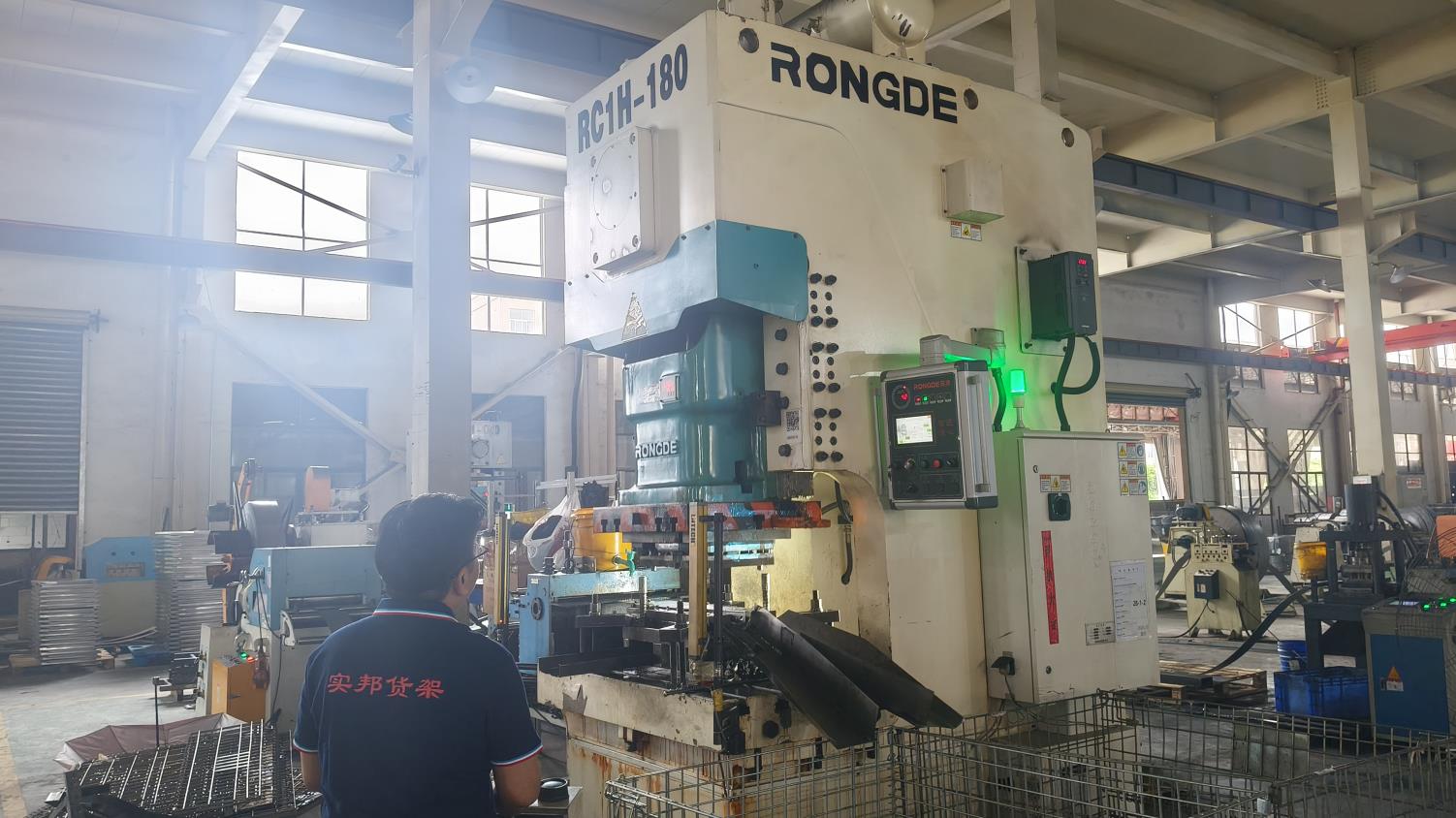
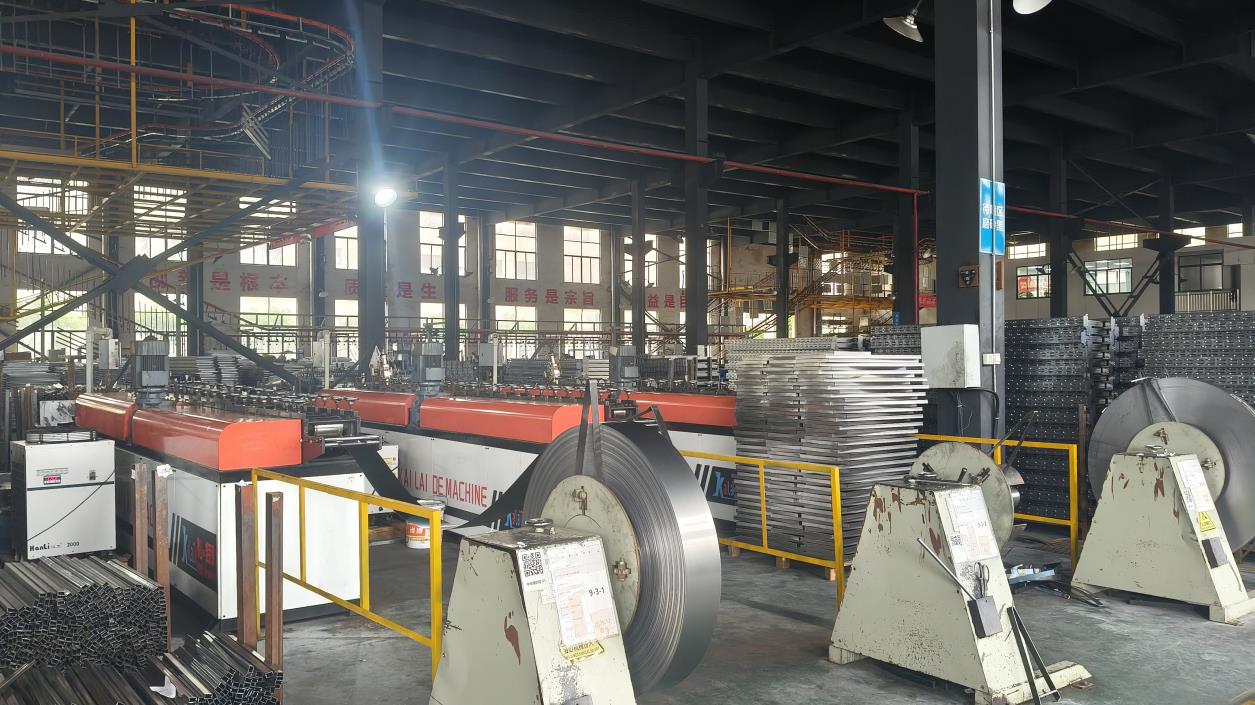
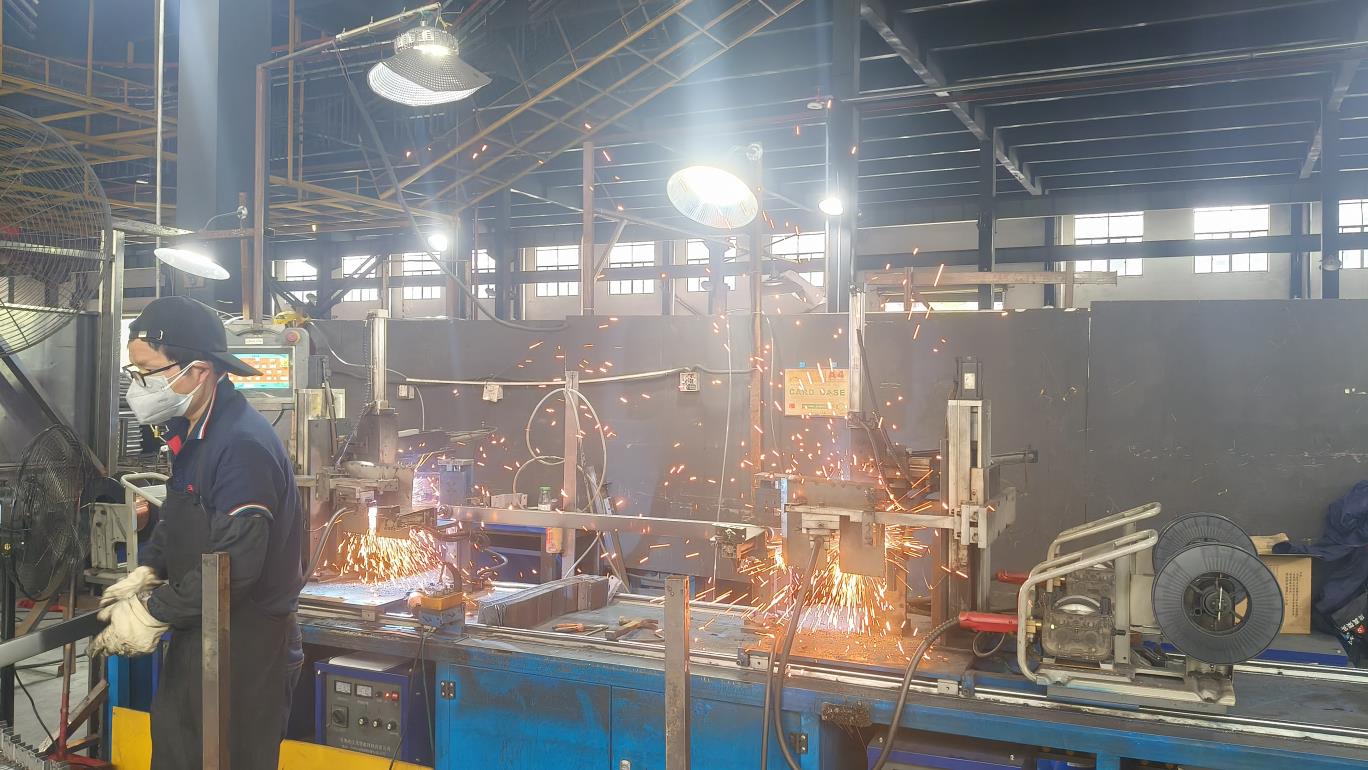
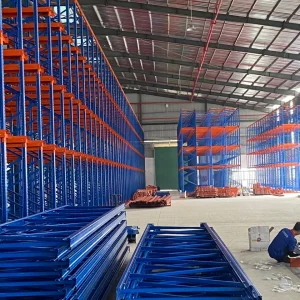
Our factory features structural manufacturing technologies designed to convert raw Q235 and Q345 hot-rolled steel coils into high-durability shelving units. Through advanced roll-forming, automatic punching, robotic welding, and automated powder coating processes, we provide:

  • Raw Material Control: Close proximity to major steel mills ensures consistent cold-rolled and hot-rolled structural steel profiles, offering predictable yield strength and structural elasticity.
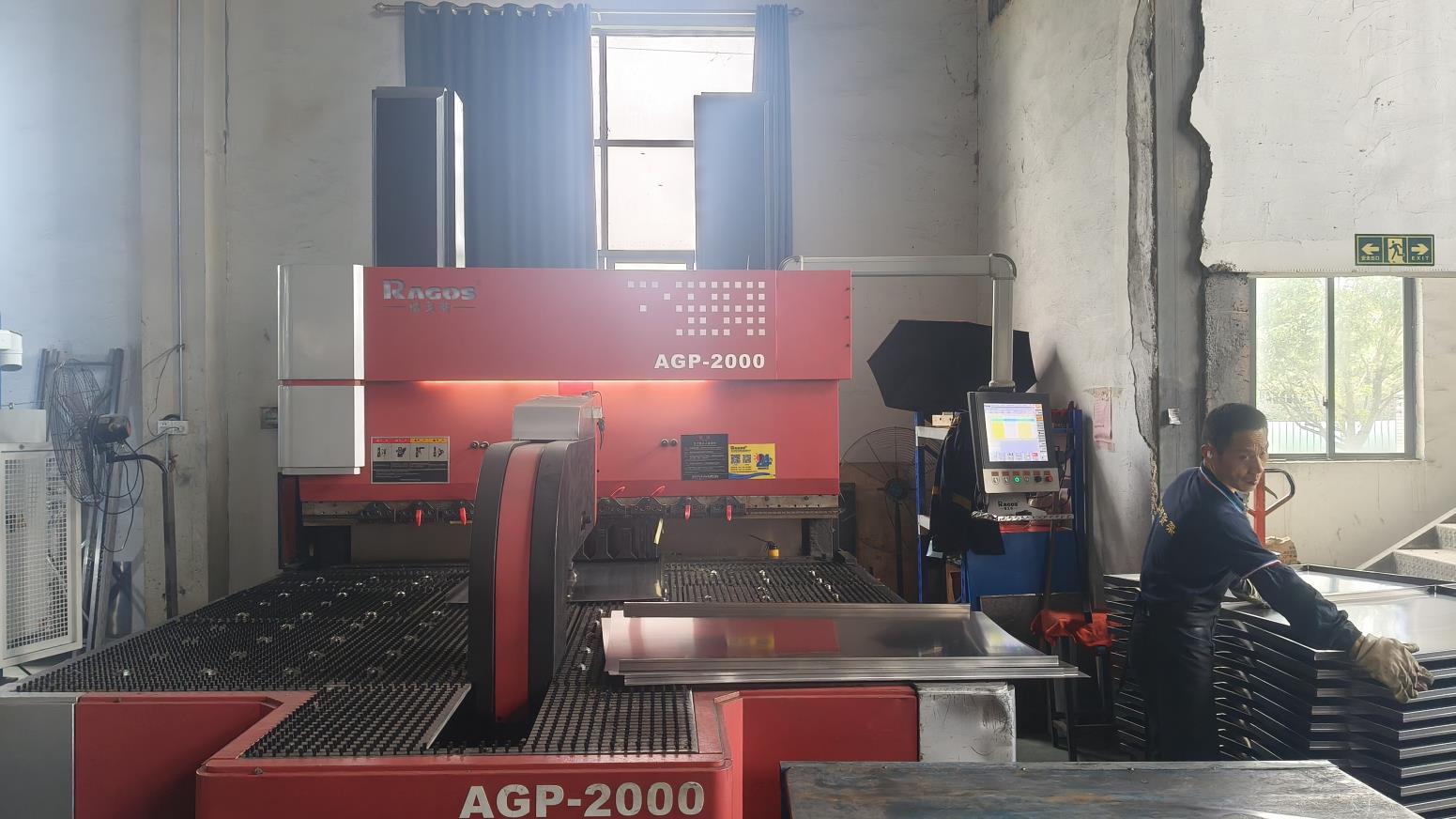
  • Production Capabilities: Equipped with advanced machinery including CNC tube cutting saws, tube punching machines, guillotine shears, heavy hydraulic punching systems, plate bending lines, spot welding machinery, and automated robotic welding arms.
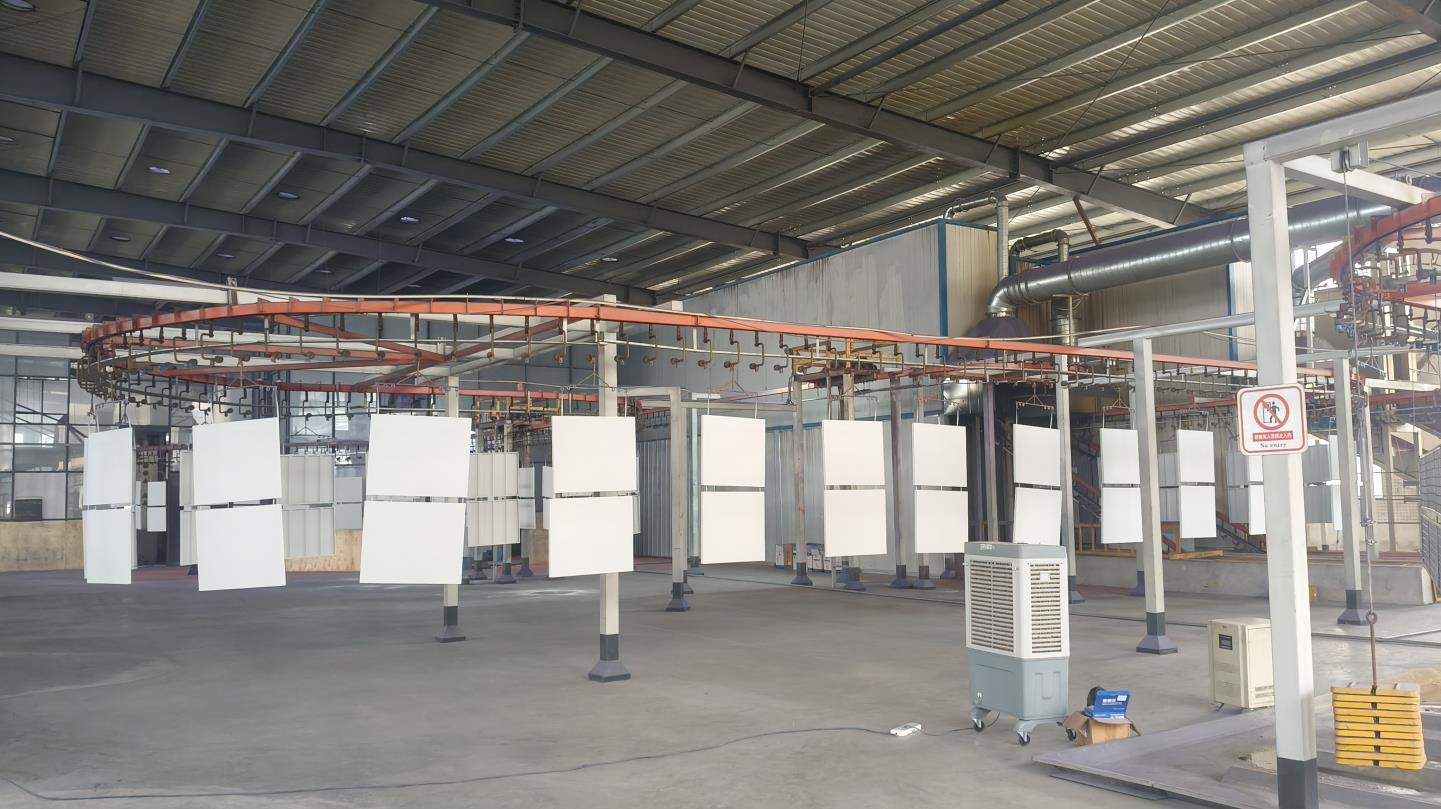
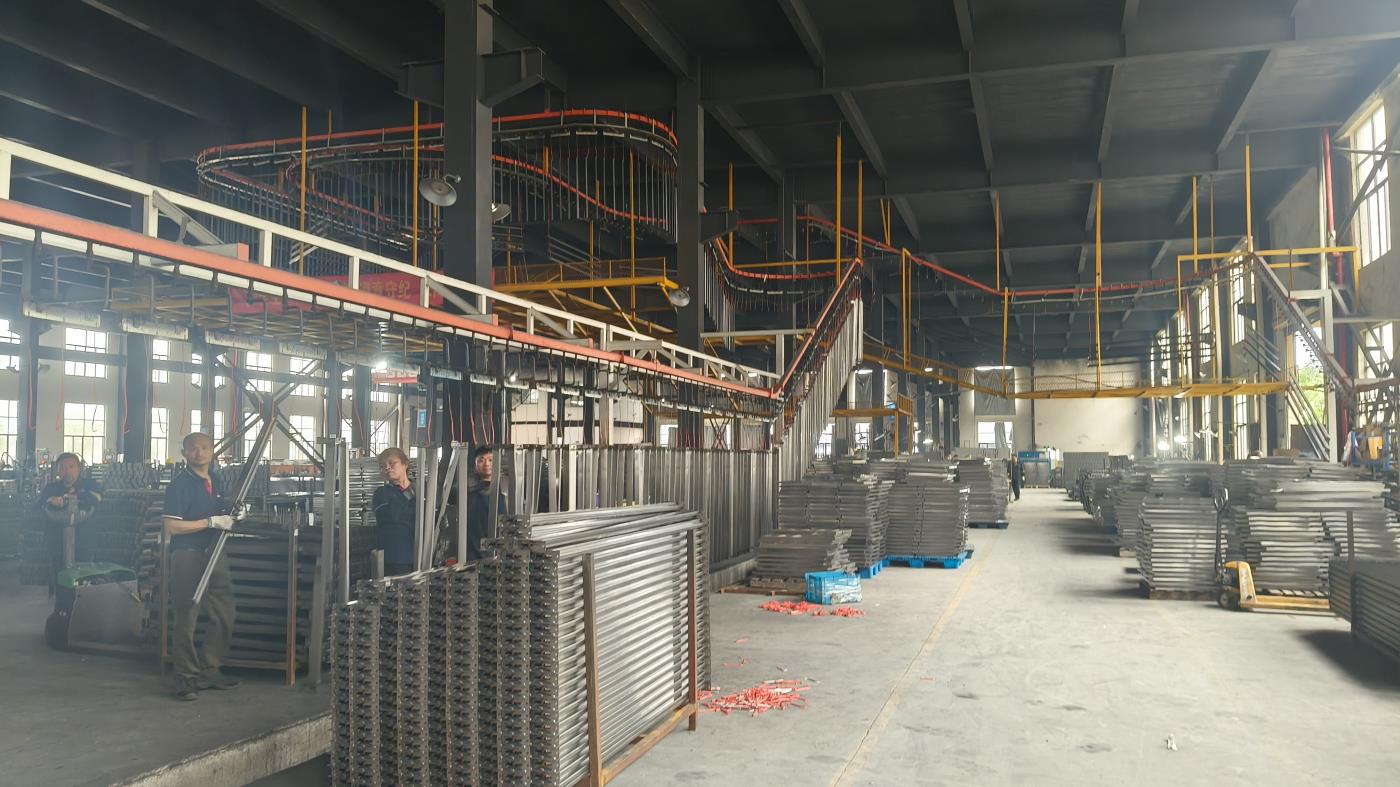
  • Anti-Corrosion Surface Finish: Multi-stage chemical pre-treatments followed by automated electrostatic epoxy powder coating lines, offering salt spray corrosion resistance suitable for humid industrial environments and sub-zero cold chain facilities.

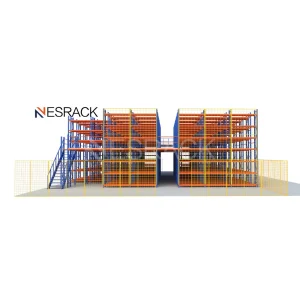
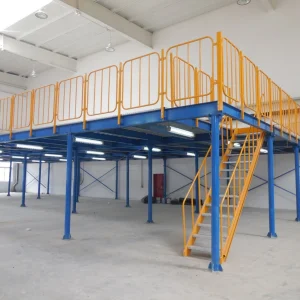
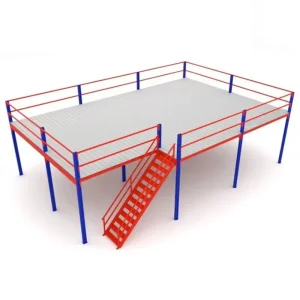
Custom Structural Mezzanines

Multi-tier industrial platforms engineered to double or triple usable square footage. High-tensile steel column supports paired with tailored floor decking (mesh, steel plate, or plywood) for heavy dynamic loads.

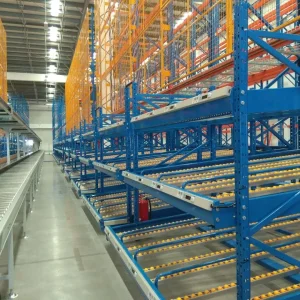
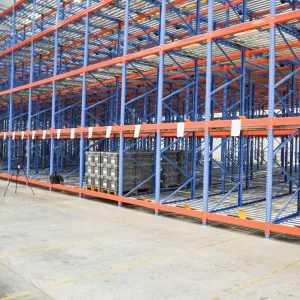
High-Density Gravity Flow Systems

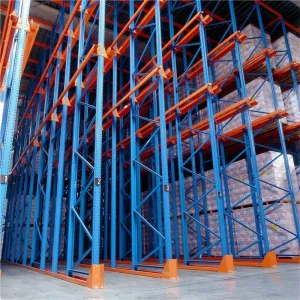
Engineered dynamic systems utilize gravity roller tracks with speed controllers, matching First-In, First-Out (FIFO) retrieval processes for fast-moving consumer goods (FMCG) and logistics centers.

Seismic-Resistant Engineering

Racking structures engineered to meet local seismic codes (IBC/AS4084). Using baseplate anchoring patterns and high-ductility connector nodes, they absorb kinetic energy during geological events.

3. Global Procurement Requirements and E-E-A-T Quality Compliance

Industrial procurement managers must navigate strict regulatory and safety frameworks when sourcing structural racking. An oversight in structural calculations or manufacturing tolerances can lead to catastrophic system collapses, disrupting supply chains and creating safety hazards.

In accordance with the Google E-E-A-T (Experience, Expertise, Authoritativeness, Trustworthiness) framework, Guangzhou LogiSteel Racking Co., Ltd. demonstrates compliance through certified processes:

  • CE Certified Standards: Ensuring all products comply with European safety directives and structural integrity standards.
  • Precise Load Deflection Verification: Finite Element Analysis (FEA) testing of profiles to ensure beam deflection under maximum load does not exceed 1/200th of the span, preventing steel fatigue.
  • Quality Management Systems: End-to-end trace documentation from the steel ingot batch code to the final powder-coated profiles, guaranteeing predictable structural capacities.

Advanced Industrial Production Workflows

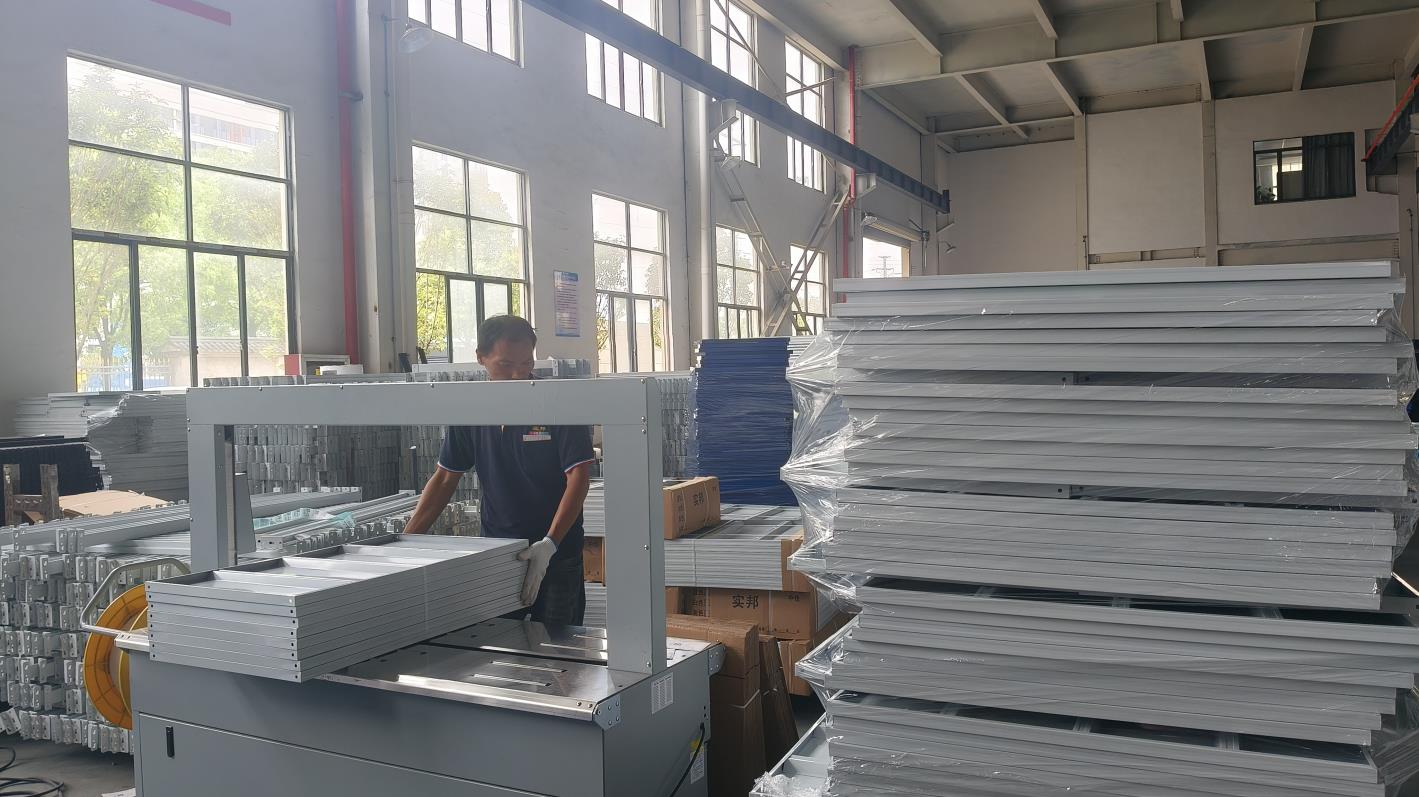
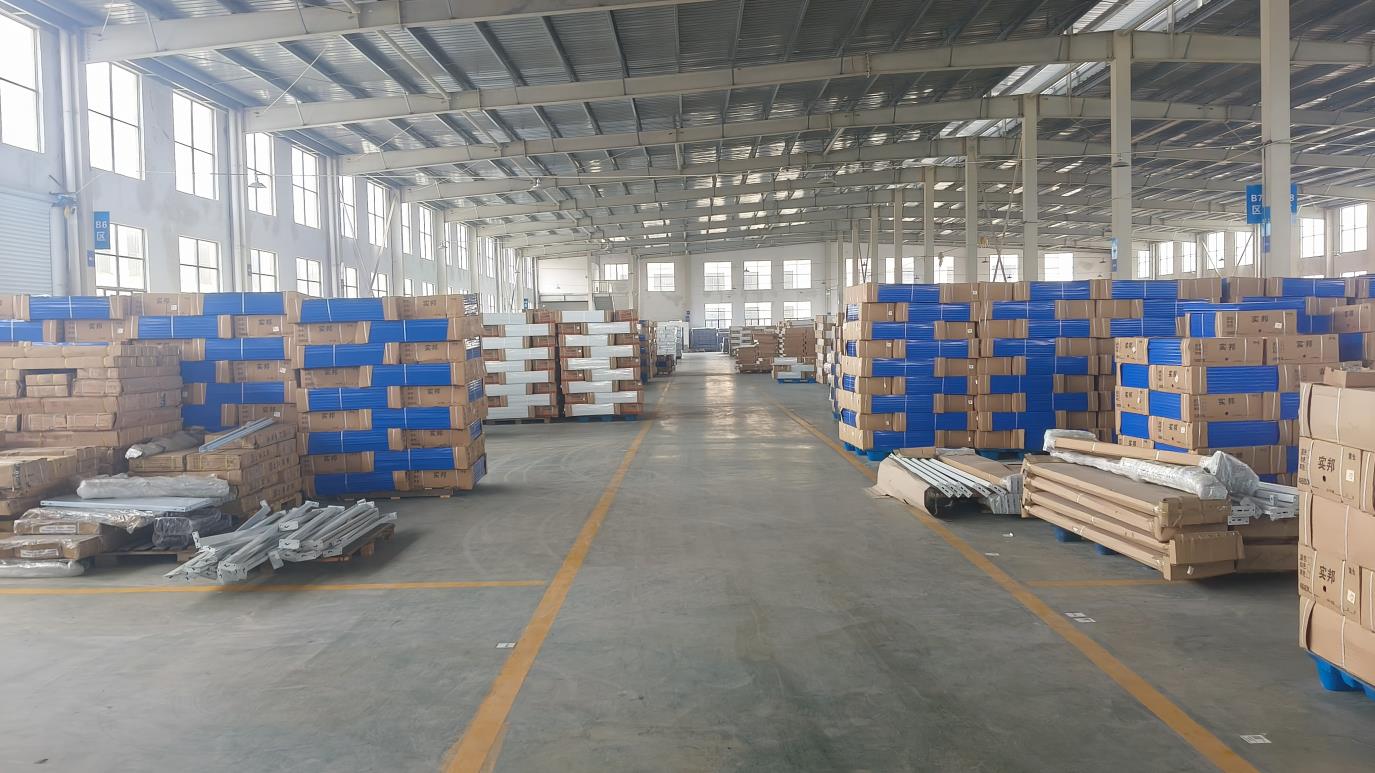
Inside Guangzhou LogiSteel Racking Co., Ltd. – Where advanced raw metal fabrication meets automated structural manufacturing.
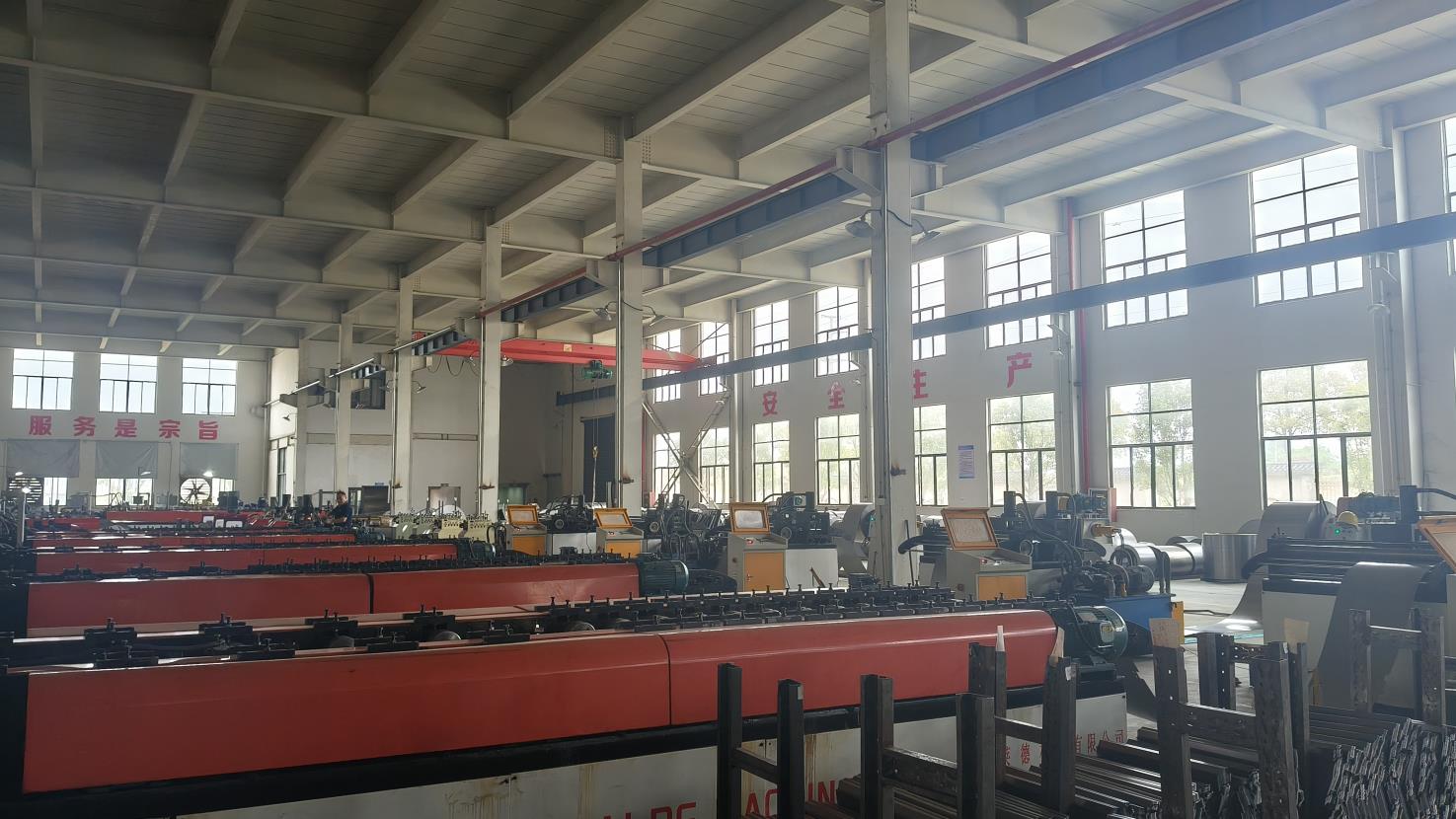
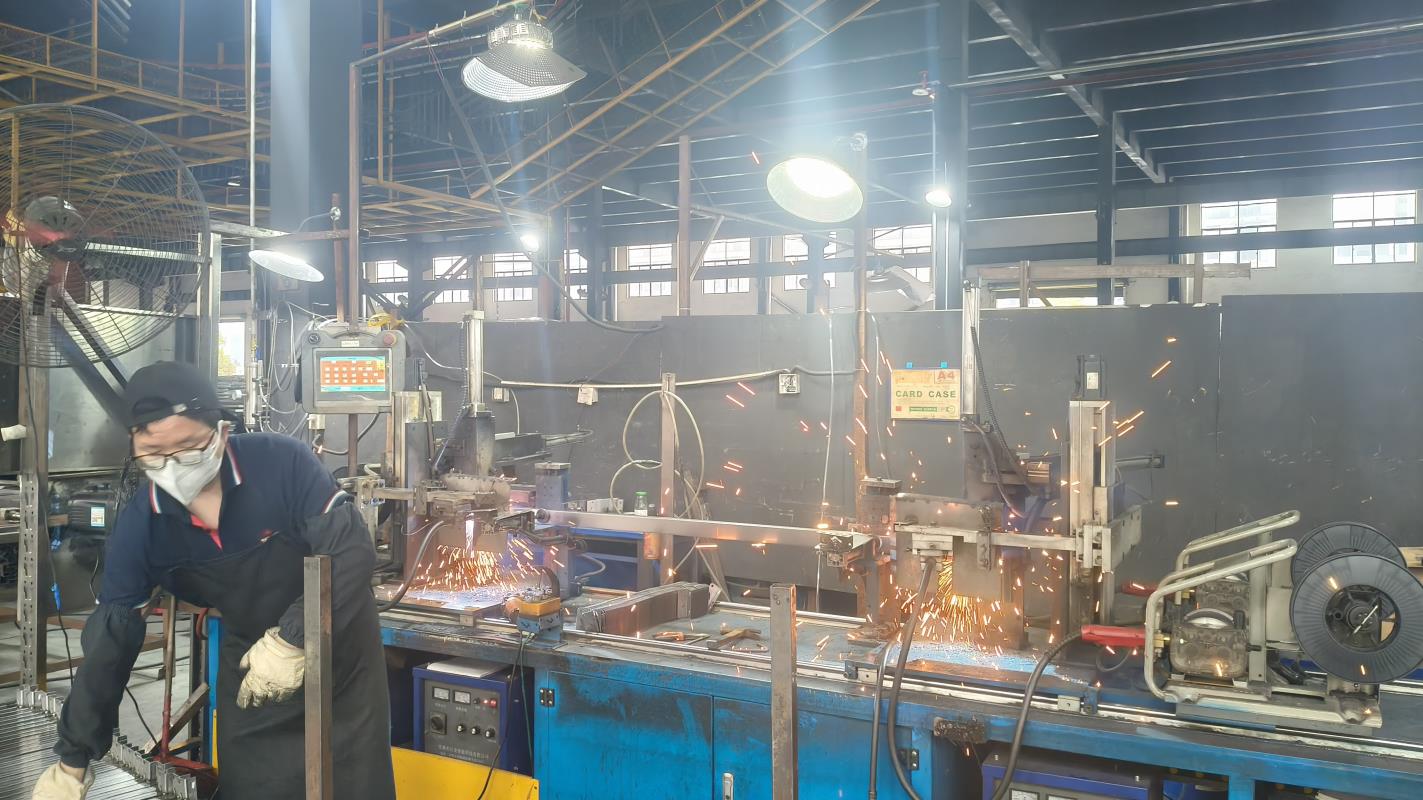
4. Localized Industrial Application Scenarios

Industrial shelving is rarely a one-size-fits-all product. Different economic sectors present unique spatial and environmental challenges:

  • Food & Beverage Cold-Chain Warehouses: Sub-zero storage down to -30°C requires low-temperature structural steel alloys that do not exhibit cold brittleness. Standard steel can become brittle and fracture under stress at low temperatures; specialized hot-dip galvanized finishes and specific raw steel compositions prevent structural failure in cold storage zones.
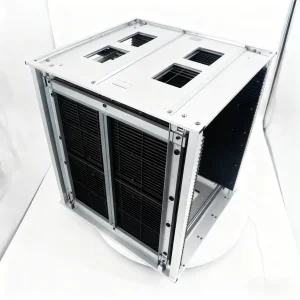
  • Electronics (SMT) & Cleanrooms: High-precision manufacturing systems, such as automated PCB assembly lines, require ESD (electrostatic discharge) protection. Anti-static storage cabinets and racks prevent electrostatic buildup that could damage integrated circuits.
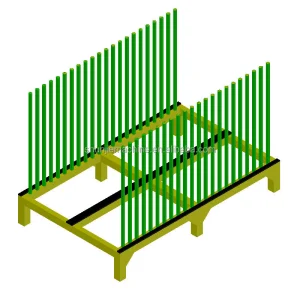
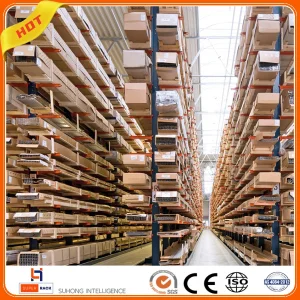
  • Heavy Glass & Construction Materials: Transporting and storing large, heavy glass panels and industrial windows requires specialized high-capacity racks with custom padding and slot dimensions, capable of supporting up to 3,000 lbs without causing glass deformation or fractures.
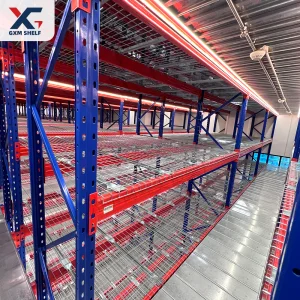
  • High-Throughput Toy Manufacturing: Storing high volumes of raw plastics, packaging materials, and finished goods requires a combination of high-density selective racking and industrial structural mezzanine platforms, optimizing floor space for production lines.

5. Future Global Trends: Automation, Sustainability, and High-Density Optimization

The logistics industry is transitioning toward automated warehousing. The integration of Radio Shuttle Racking Systems and high-density Gravity Flow Systems has reduced manual forklift handling, leading to lower operating costs and higher safety levels.

In dynamic environments, modern structures are engineered to handle the kinetic energy and acceleration forces generated by automated shuttle carts and smart crane systems. Guangzhou LogiSteel Racking focuses on R&D for smart racking configurations. By using heavy-duty upright frames and smart interlocking connectors, our storage solutions are designed for high compatibility with autonomous material handling systems.

Heavy Duty Racking Systems — Expert FAQ

Technical answers to key structural design and international procurement questions.

What is the difference between Q235 and Q345 steel in heavy-duty shelving fabrication?
Q235 and Q345 represent standard carbon steel grades used in China. Q235 yields approximately 235 MPa, suitable for general warehouse selective shelving. Q345 is a high-strength, low-alloy steel with a yield strength of 345 MPa. It is preferred for tall upright columns, structural mezzanine support columns, or racking systems in high-load or seismic areas.
How do you calculate beam load capacity and deflection limits under safety standards?
Beam deflection calculations are based on uniformly distributed loads (UDL). In compliance with FEM and RMI guidelines, the maximum allowable deflection at full load must not exceed 1/200th of the total clear span length. Exceeding this threshold can lead to metal fatigue, weld cracking, and structural failure.
What corrosion protection options are available for cold chain racking?
For cold rooms (-20°C to -30°C) and humid food warehousing, we offer hot-dip galvanized (HDG) steel components. This process provides a thick layer of zinc-iron alloy to protect the underlying steel from rust and moisture. Alternatively, we offer specialized low-temperature powder coatings over pre-treated steel profiles.
Can custom industrial racking meet international seismic requirements?
Yes. Custom solutions can be engineered using finite element analysis (FEA) to withstand seismic activity. This involves sizing the upright profiles, widening baseplates, increasing anchoring depth, and integrating diagonal bracing systems to absorb and dissipate lateral force loads.