Product Description
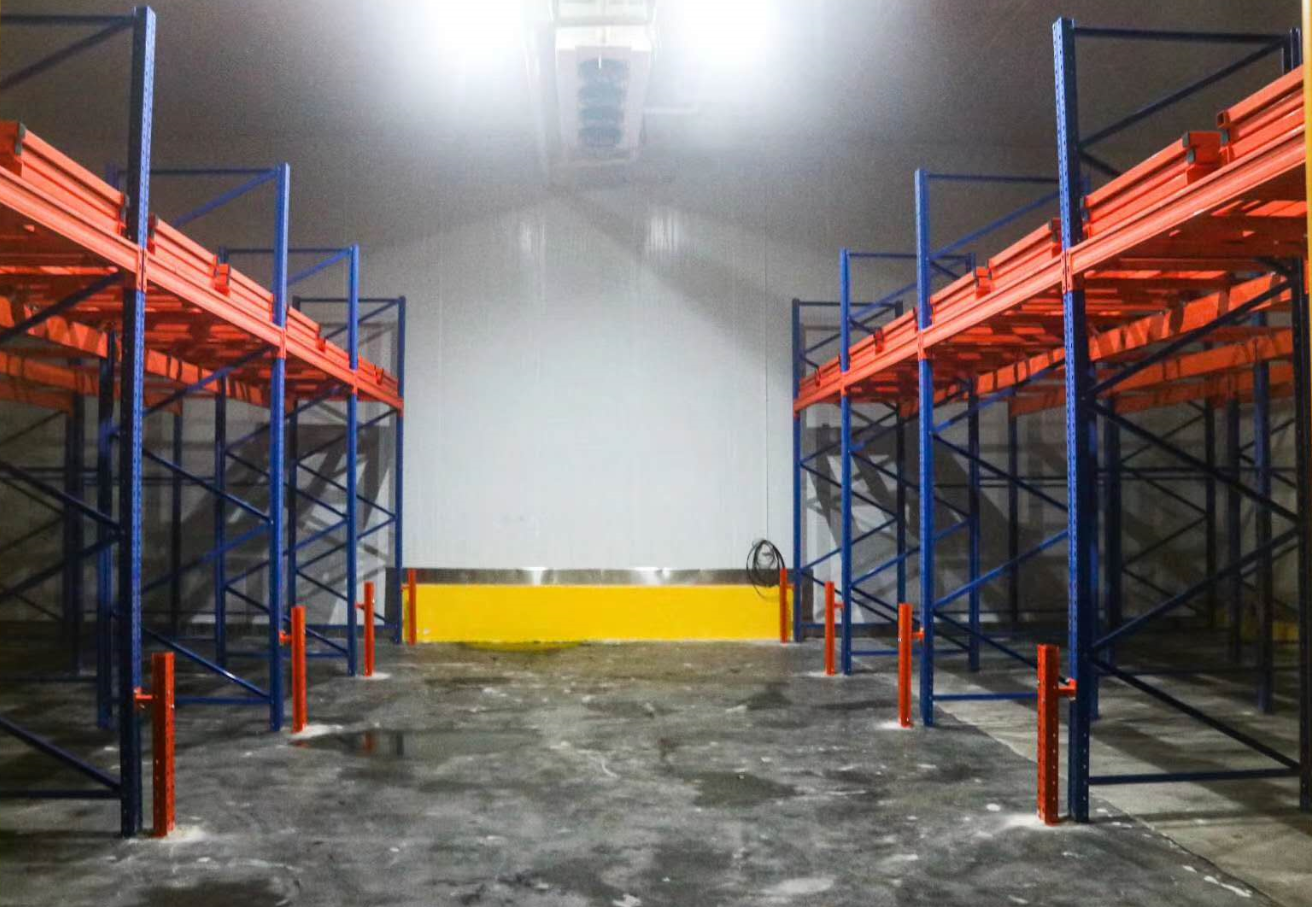
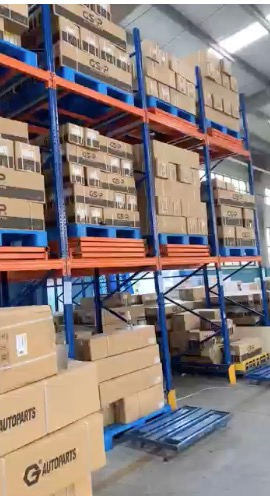
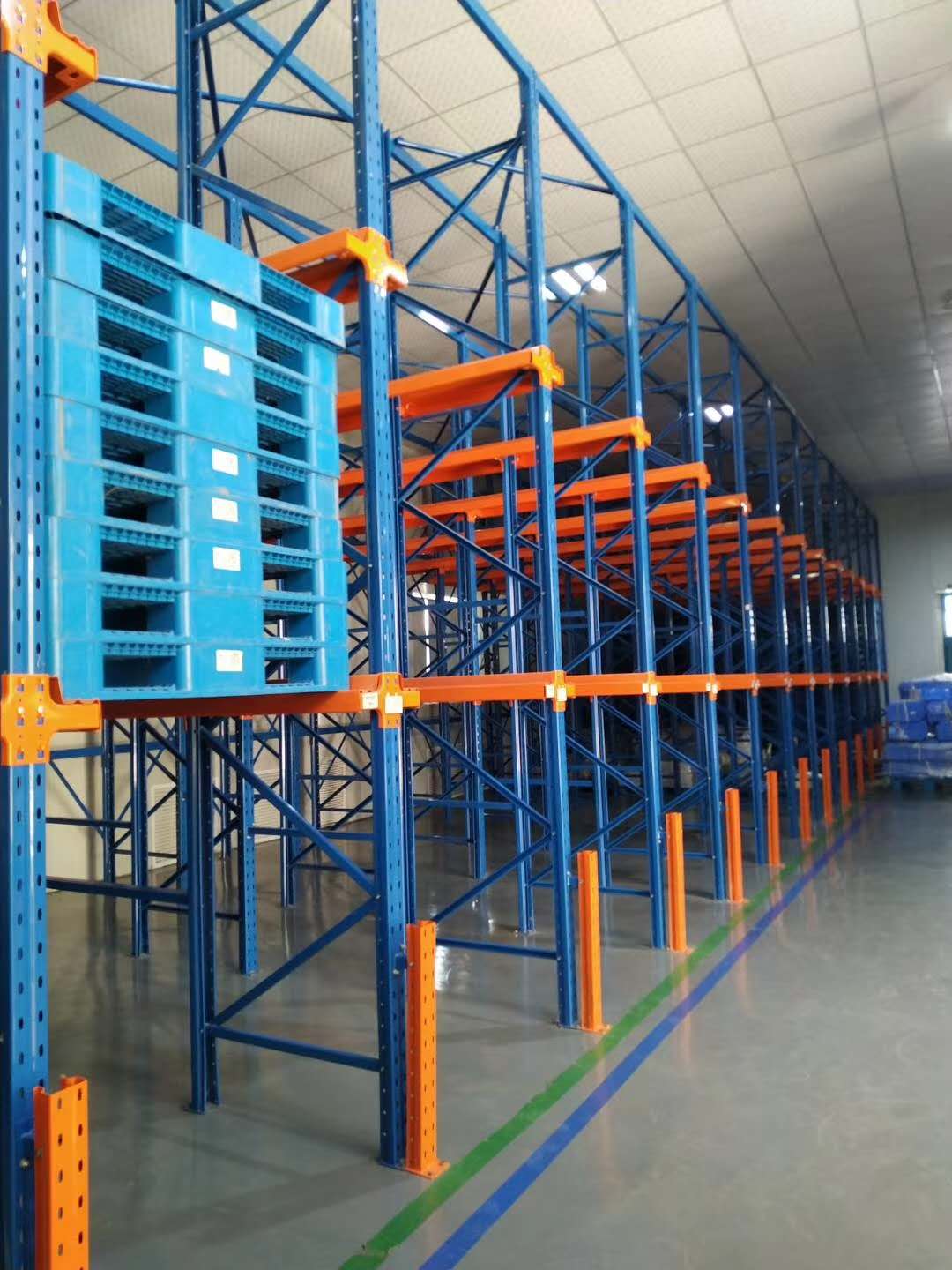
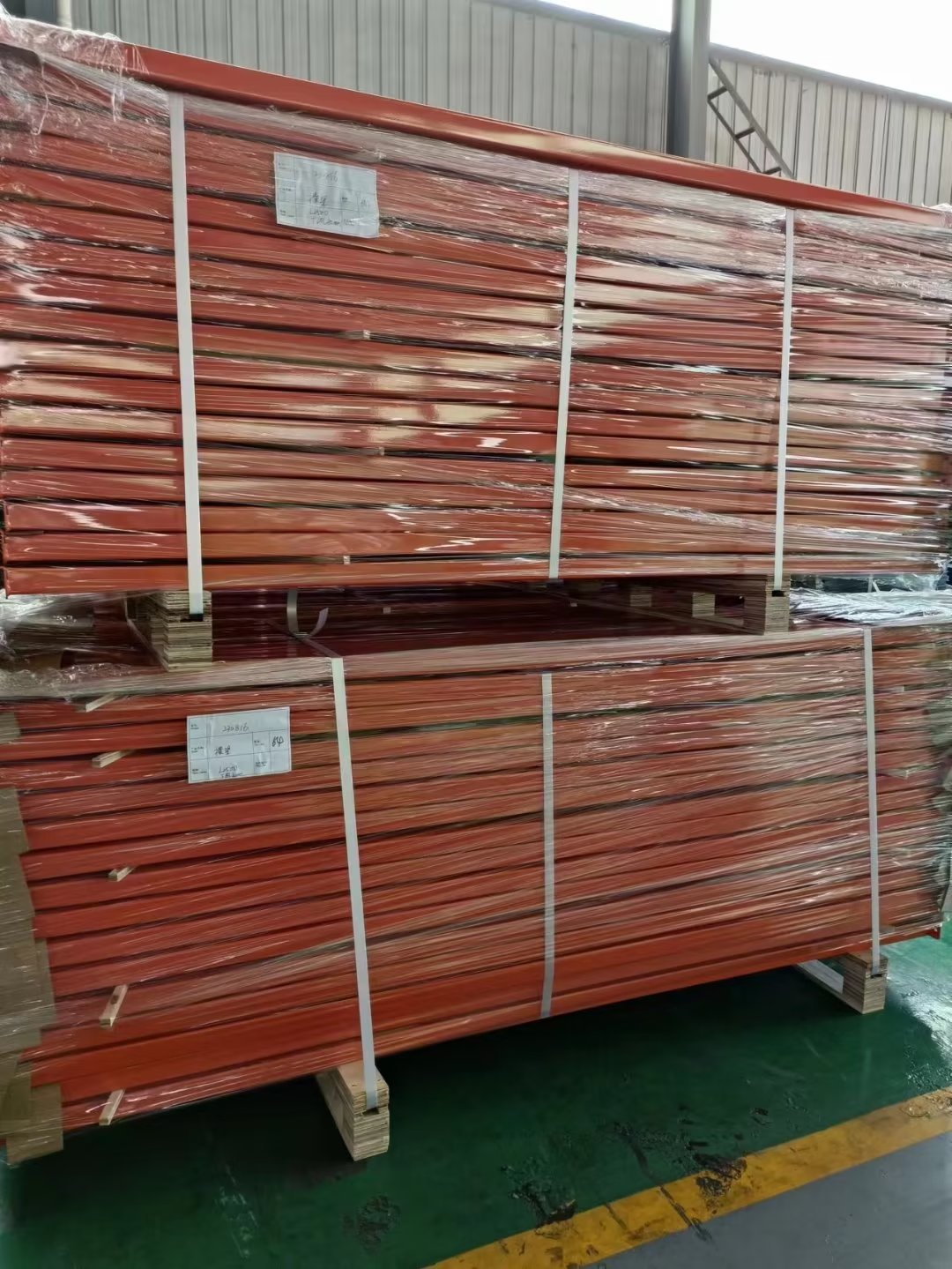
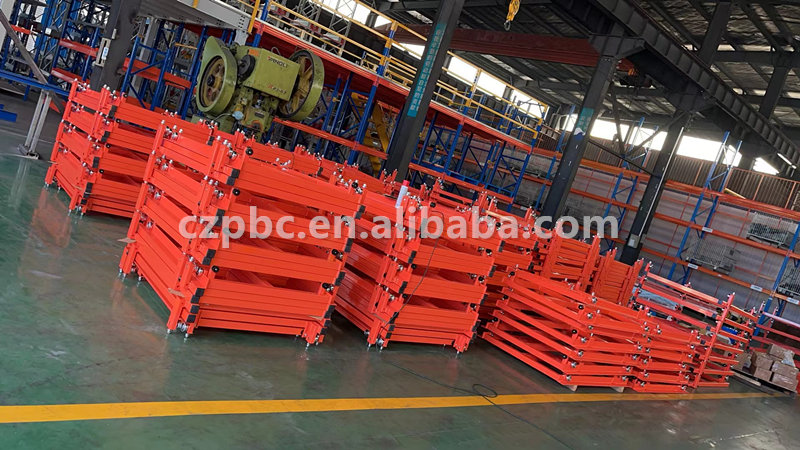
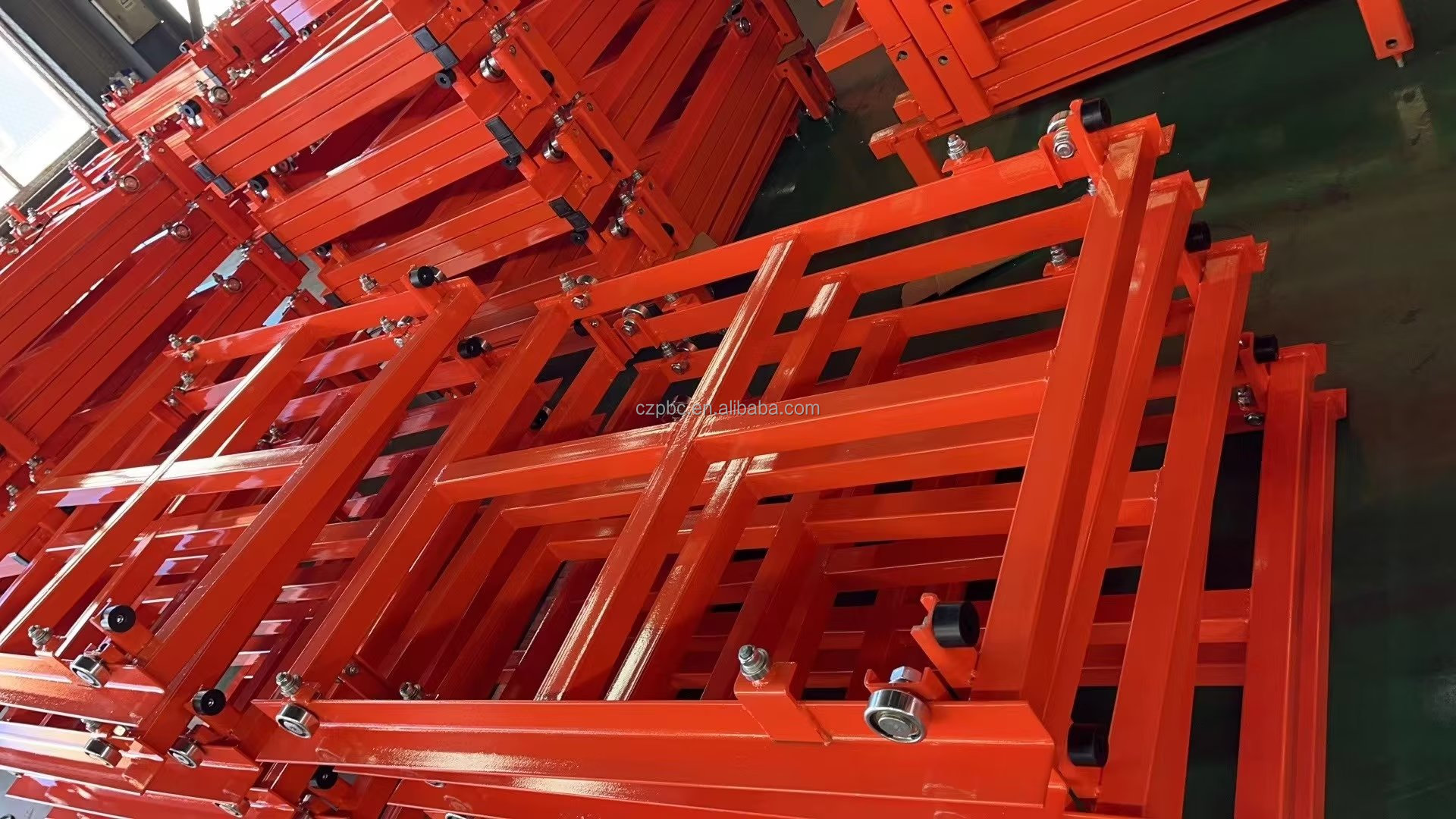
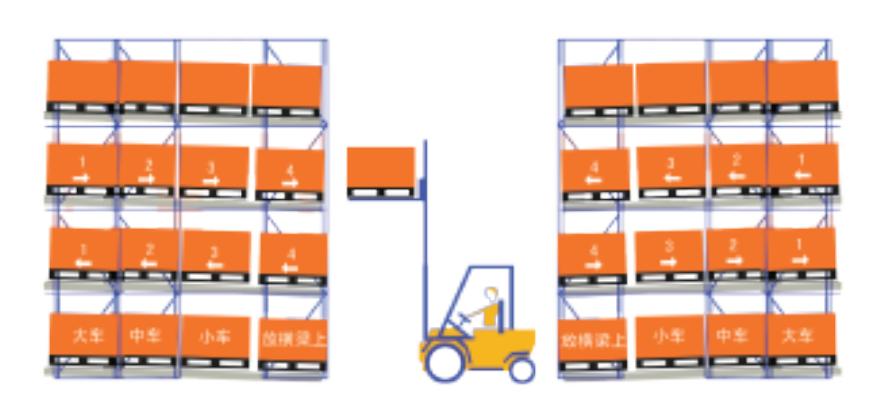
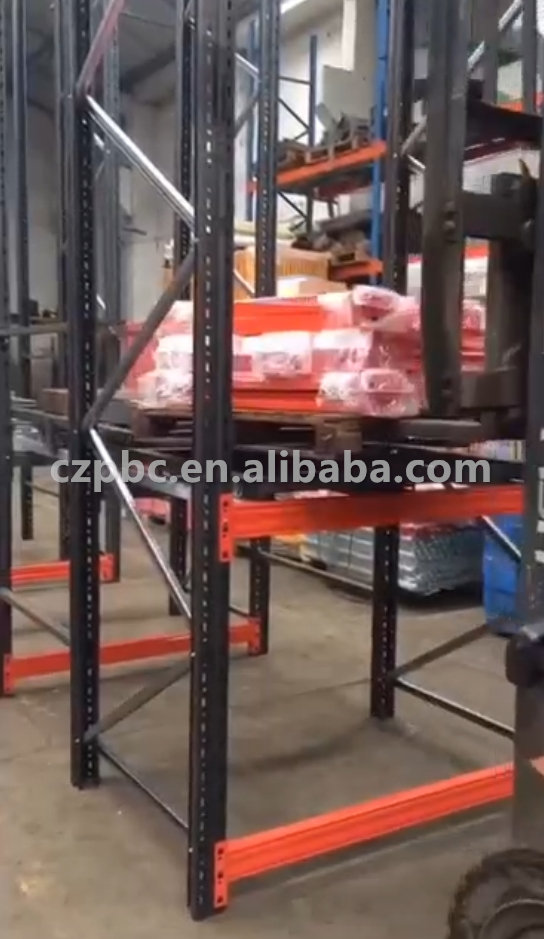
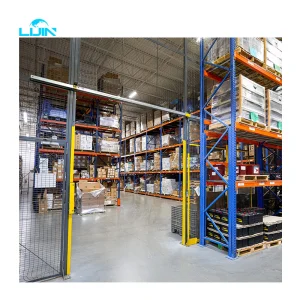
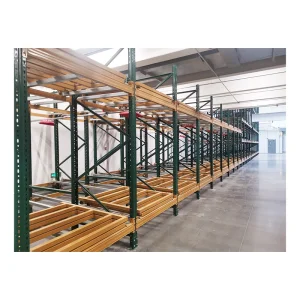
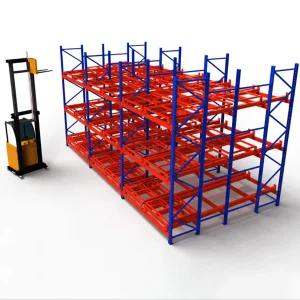
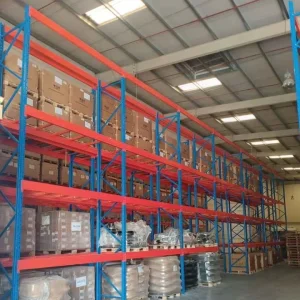
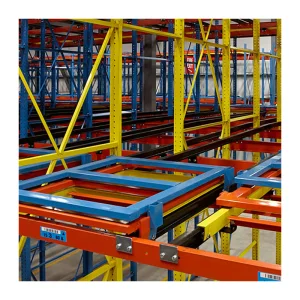
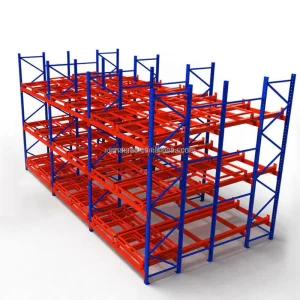
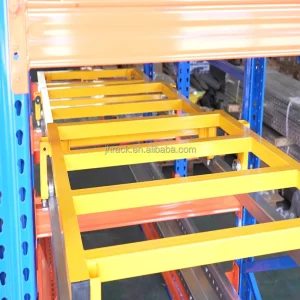
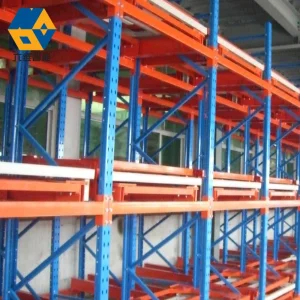
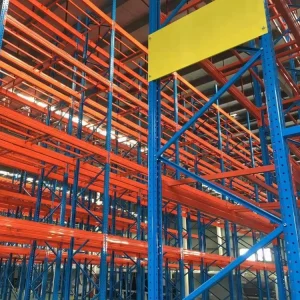
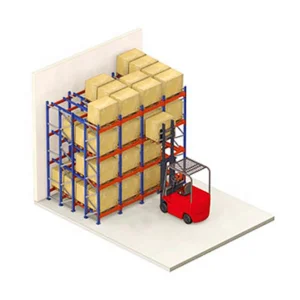
Push-back racking is mainly composed of upright frames, beams, rails, and trolleys. There are multiple layers of trolleys connected between the front and rear beams in the push-back rack. The material box or pallet is placed on the trolley from the outside, and subsequent material boxes will push the prior ones inside. The trolley moves along the inclined rack. When the outboard material is retrieved, the inside trolley will slide down automatically. This push-back rack can store significant volumes of material with a high space occupation rate, making it ideal for storage layouts with fewer types but large quantities of goods. The operation method is first-in-last-out (FILO), with loading and unloading conducted on the same side.
Structural Features
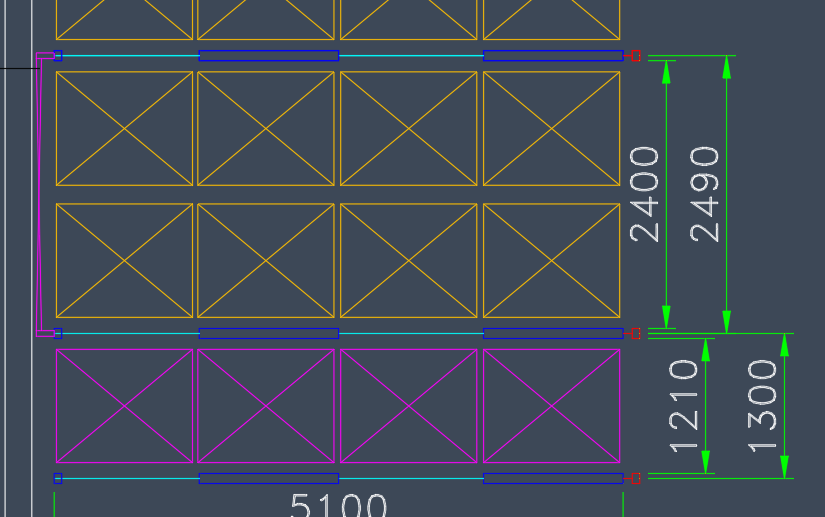
- Space Efficiency: As long as there is one main channel, 4 pallets of goods can be stored on the left and right respectively, allowing a total of 8 pallets to be stored, greatly improving the utilization of storage space.
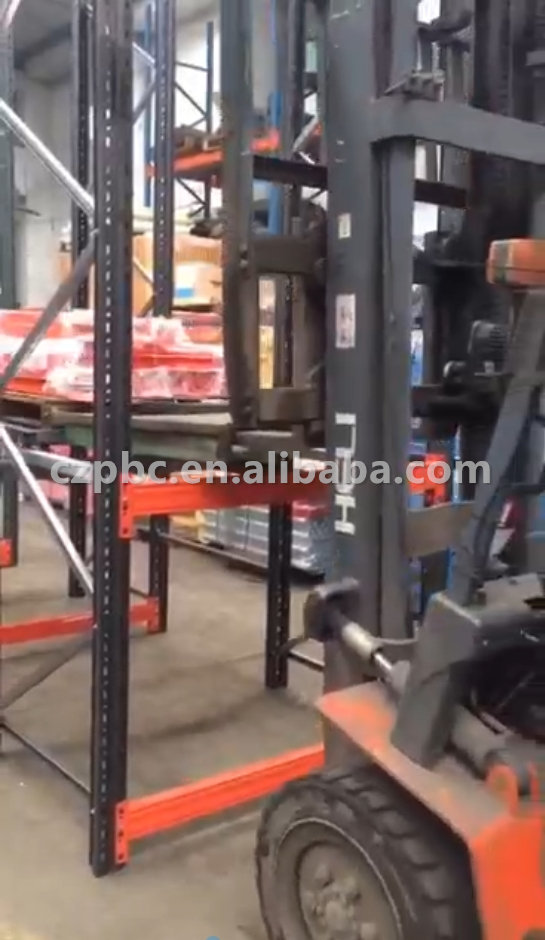
- Lower Forklift Requirements: Compared with drive-in racking, the forklift does not need to drive into the aisle, keeping the operating risks and forklift requirements relatively low.
- Flexible Layer Variety: Compared with drive-in racking, because the forklift does not drive into the aisle, each layer can accommodate a different product variety, allowing multiple variety specifications.
Features of Push-Pull Racking
- High Safety & Convenience: When loading and unloading goods, the forklift only operates at the lower end of the guide rail without entering the shelf storage channel. The goods slide to the lower port using their own weight, controlled by car damping and baffles to prevent falling.
- High Operating Efficiency: Access speed is higher than that of drive-in shelves, making it highly suitable for transit and temporary storage areas, especially for "less types, large batches" of goods. It creates 3 to 4 deep positions when arranged against a wall.
- Optimized Space Utilization: Ideal for restricted warehouse footprints where picking requirements are secondary to maximum storage density, minimizing the number of aisles required.
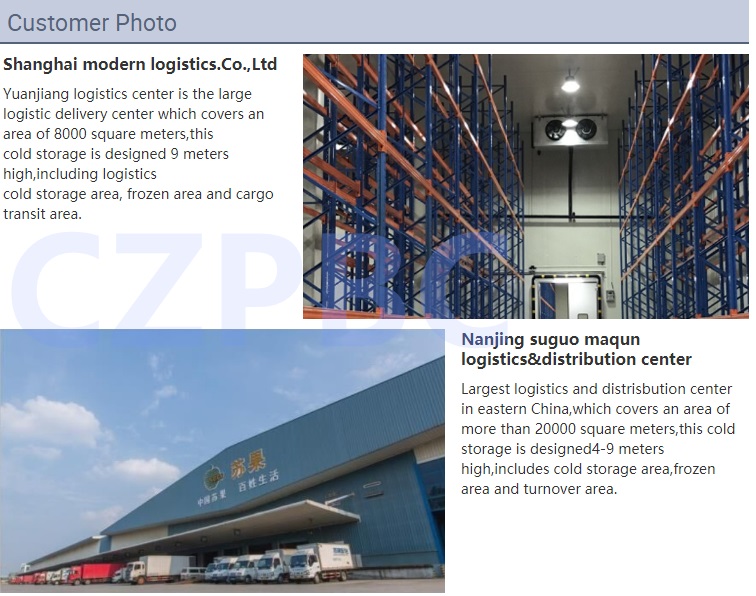
- Standard Equipment Friendly: No specialized handling equipment is required; standard forklifts are sufficient. This system is heavily utilized in cold storage and smaller warehouse facilities.
- Structural Stability: The structural profile is exceptionally stable, lowering accidental impact rates by keeping the forklift out of the racks.
Why Choose Us
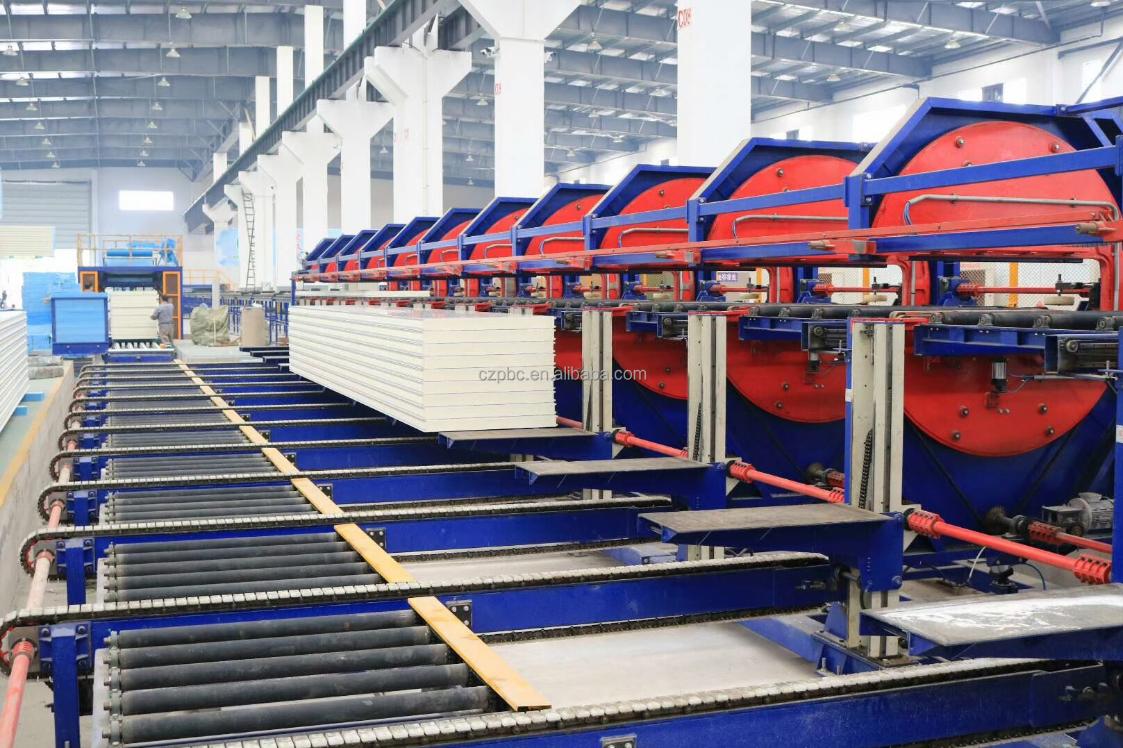
Founded in 1996, the manufacturing facility serves as a first-class supplier of thermal insulation materials and energy-saving programs. Focused heavily on technical research and development, the business operates advanced continuous automatic production lines to dramatically improve capacity and supply stability. The production bases cover an expansive area, ensuring high throughput to meet diverse and high-volume client demands efficiently.
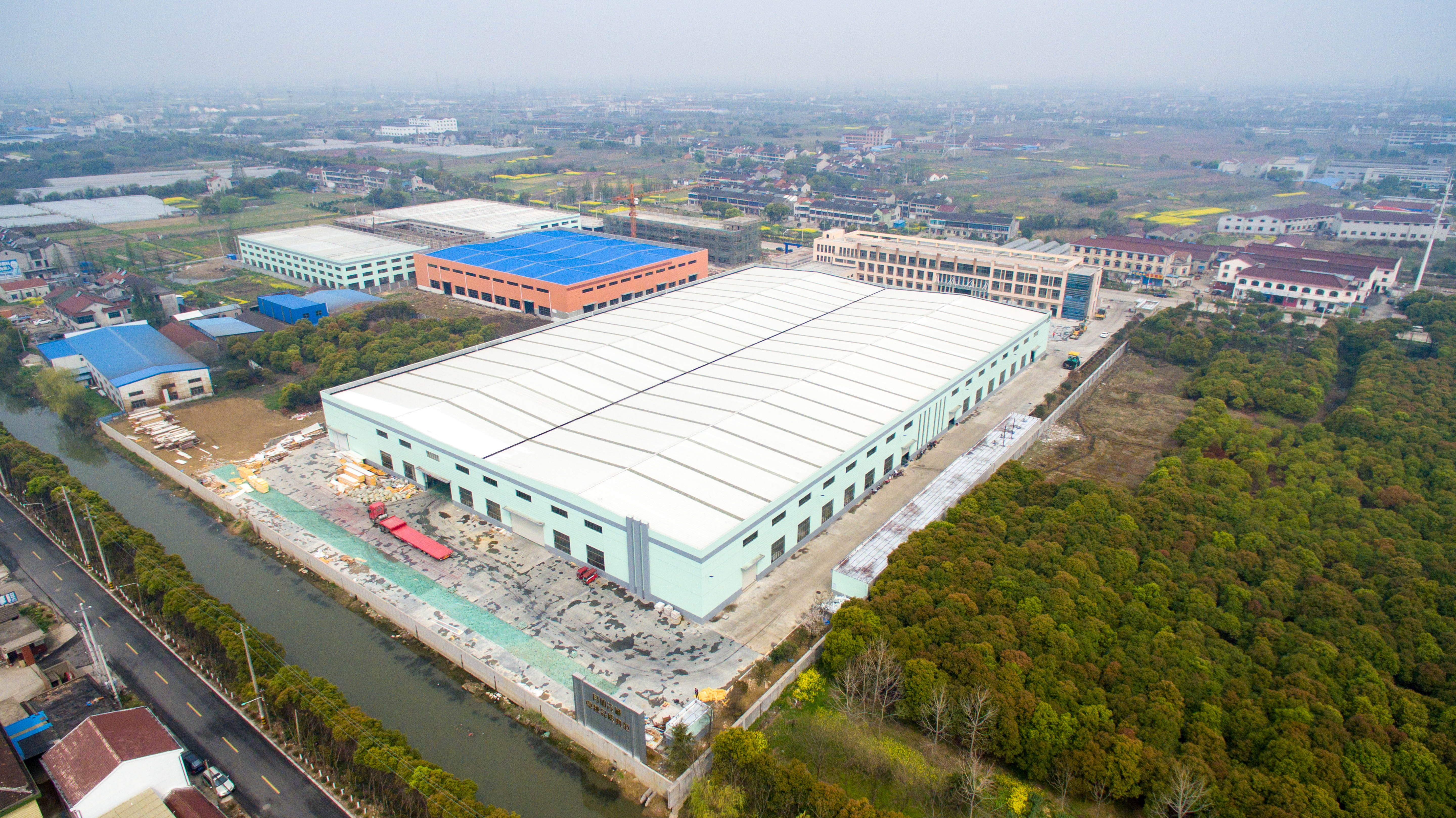
Nearly 30 Years Manufacturer
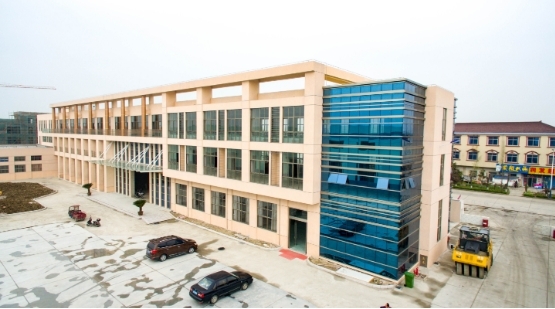
Technology Research And Development Center
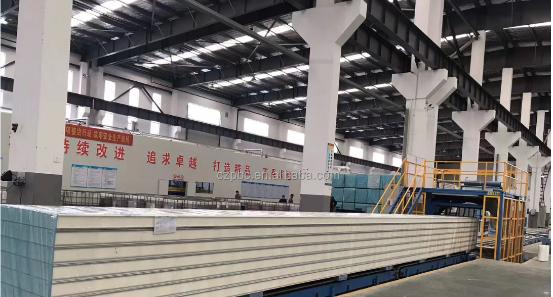
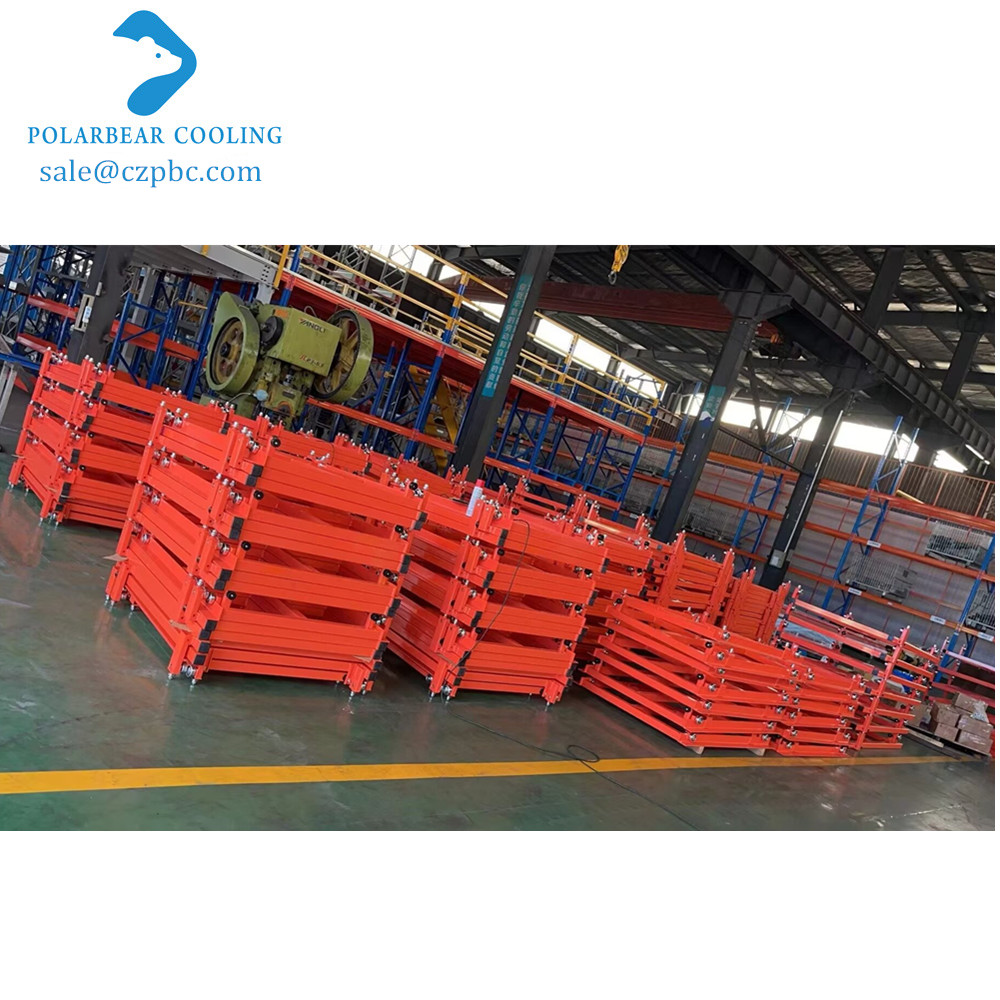
Production Workshop
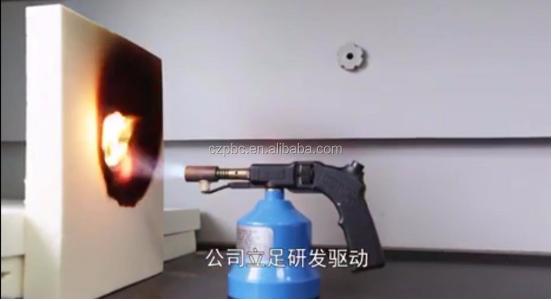
Flame Retardant Test
Frequently Asked Questions
What is the working principle of push-back racking?
Push-back racking utilizes a nested trolley system set on inclined rails. Pallets are loaded onto the trolleys from the front of the rack. When a new pallet is loaded, it pushes the existing pallet back. When retrieving, the front pallet is removed, and the remaining pallets slide forward automatically via gravity.
What is the storage method of push-back racking?
This system uses a FILO (First-In, Last-Out) storage format. Both loading and unloading operations are performed from the same front aisle.
How does push-back racking compare to drive-in racking?
Unlike drive-in racking, forklifts do not need to enter the racking structure itself, which greatly increases speed, safety, and reduces the risk of structural damage. Additionally, it offers better variety flexibility as different layers can store different SKU categories.
Are the sizes and colors customizable?
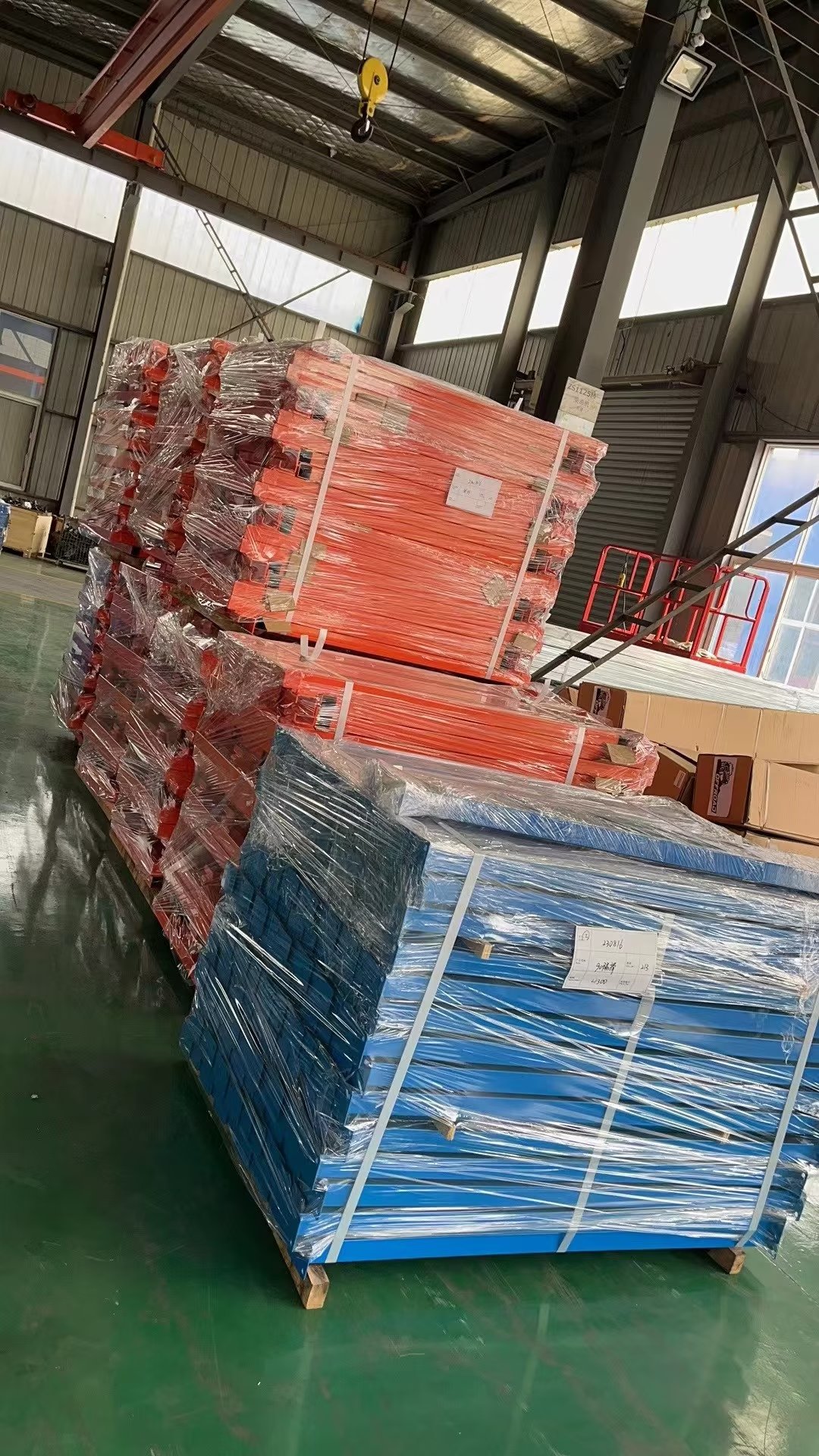
Yes, our push-back racking is completely customizable. We can adjust the specifications, loading capacities, colors (such as blue, orange, green, etc.), and frame configurations to match your specific warehouse layout.
What safety mechanisms prevent the goods from sliding too quickly?
The sliding velocity of the trolleys is safely managed by integrated structural damping, gravity incline design, and end baffles to keep the materials stable and prevent tipping during retrieval.
 LogiSteel Racking