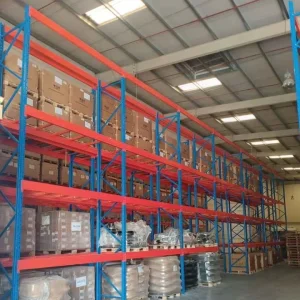
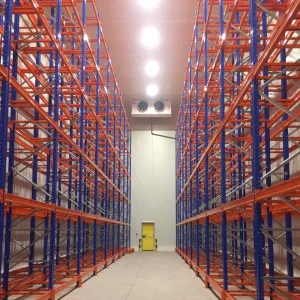
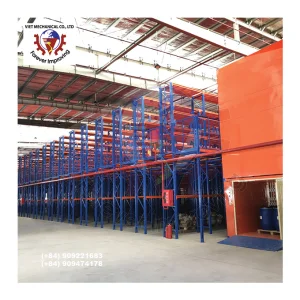
Explore our flagship heavy-duty systems configured for peak performance in Boston cold storage and logistics environments.
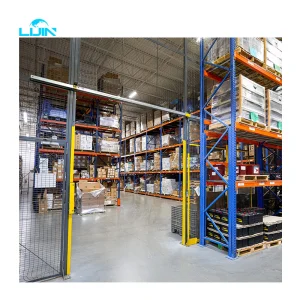
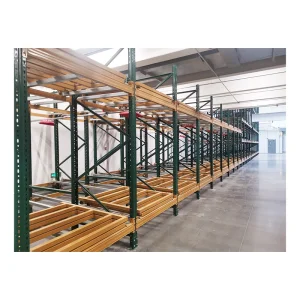
The industrial real estate landscape of Boston, Massachusetts—spanning key distribution rings along Route 128, Interstate 495, and the critical urban logistics nodes surrounding Logan International Airport—is experiencing unprecedented cost pressures. With average triple-net (NNN) lease rates climbing year-over-year and industrial vacancy rates remaining tight, warehouse managers cannot afford underutilized square footage.
Whether dealing with pharmaceuticals in Cambridge, seafood storage in the Port of Boston, or cold food supply chains servicing Suffolk County, space optimization is key. Traditional selective racking provides immediate access but consumes up to 60% of available floor space in access aisles. Conversely, drive-in systems increase density but often lead to severe "honeycombing" and layout inefficiencies.
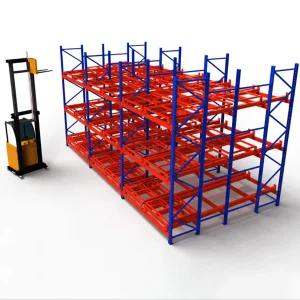
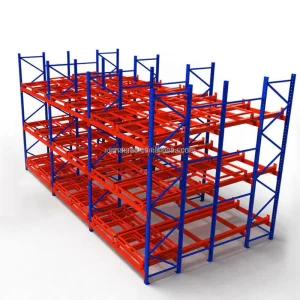
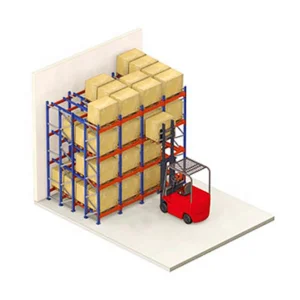
Push Back Racking Systems provide the definitive middle ground. By utilising a system of nested, gravity-inclined carts riding on structural steel rails, operations can store pallets up to 6-deep per lane. This eliminates unnecessary aisles, boosts overall storage density by 75% compared to selective rack systems, and maintains a much faster, safer loading cycle.
Request Boston Market Feasibility StudyA breakdown of the physical principles, nested cart assemblies, and structural dynamics that guarantee fail-safe warehouse operations.
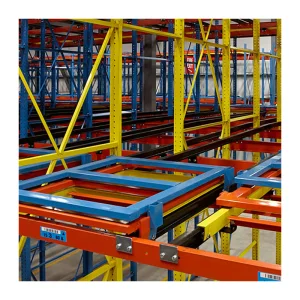
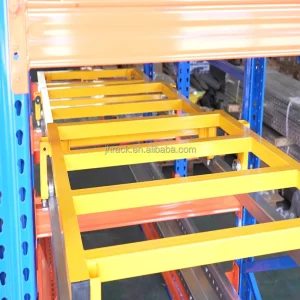
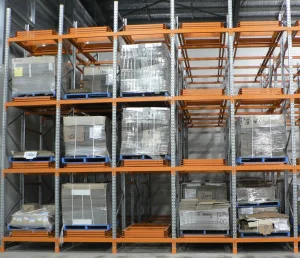
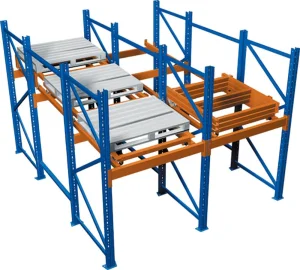
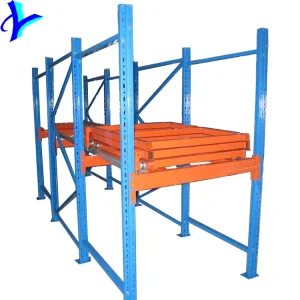
Unlike drive-in systems where lift trucks enter the racking structure, push back systems feature a series of nested rolling carts resting on inclined steel tracks (usually set at a 3% to 4% grade). The forklift places the first pallet on the top cart. When loading the second, the forklift gently pushes the first pallet back, exposing the next nested cart underneath. This is repeated up to 6 pallets deep.
Operating on a Last-In, First-Out (LIFO) model, each storage lane is dedicated to a single stock-keeping unit (SKU). When a forklift retrieves the frontmost pallet, the remaining pallets roll smoothly forward to the picking face under the control of gravity. Speed controllers and structural end-stops prevent runaway loads and pallet impact.
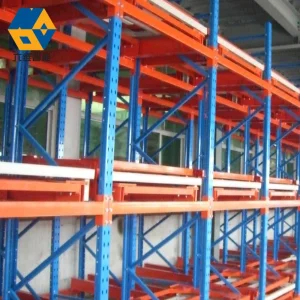
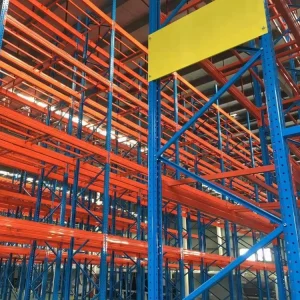
For high-capacity storage, heavy-duty structural steel channel frames are used instead of thin roll-formed steel. This structural profile increases the impact resilience of the racking columns, protecting the structure from forklift collisions, which is particularly vital in high-density facilities with fast-moving inventory.
To maintain precision manufacturing at scale, our 15,000+ square meter factory utilizes automated fabrication tooling:
All systems are certified to CE standards, assuring Boston project managers and safety inspectors that our structural designs comply with international building safety protocols.
Guangzhou LogiSteel Racking Co., Ltd. is a professional manufacturer specializing in the design, production, sales, and installation of various types of storage racking systems, display stands, and supermarket equipment.
Over the years, LogiSteel has developed into a reliable supplier in the material handling and retail display industry. Our factory covers an area of more than 15,000 square meters and employs over 200 skilled workers and technical staff. With strong technical capabilities and advanced production equipment, we ensure high efficiency and precision throughout the manufacturing process.
Our product range includes pallet racking systems, selective warehouse racks, mezzanine floors, supermarket shelving systems, gondola shelving, and various customized display stands. These products are widely used in warehouses, logistics centers, supermarkets, retail stores, and industrial facilities.
Guangzhou LogiSteel Racking Co., Ltd. has built a strong global presence, with partners and distributors across Oceania, Asia, Europe, South America, and the Middle East. Our annual revenue exceeds 15 million USD, reflecting our steady growth and strong market competitiveness.
A step-by-step look at how raw steel is transformed into high-density push-back racking components inside our factory.
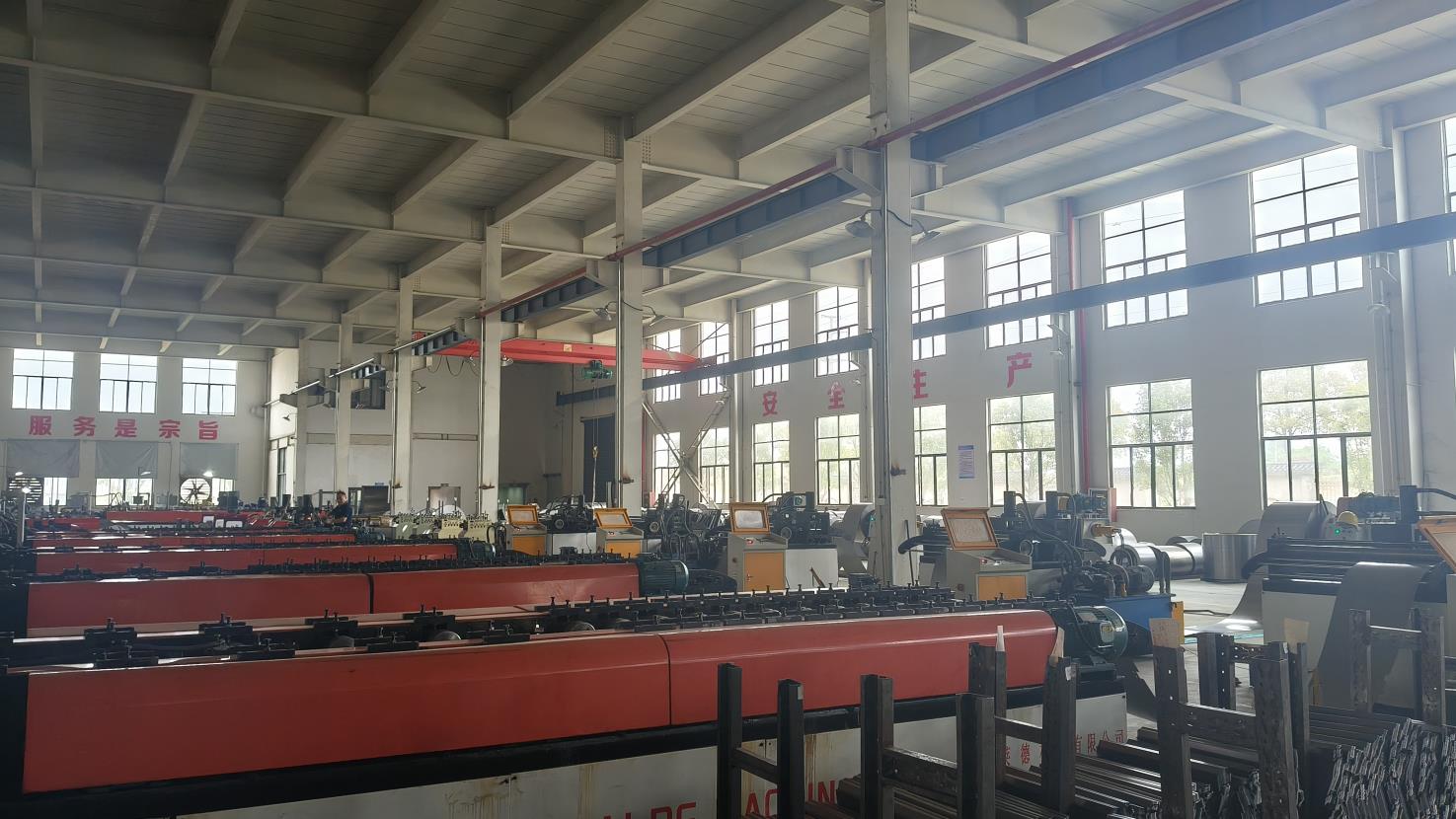
Forming
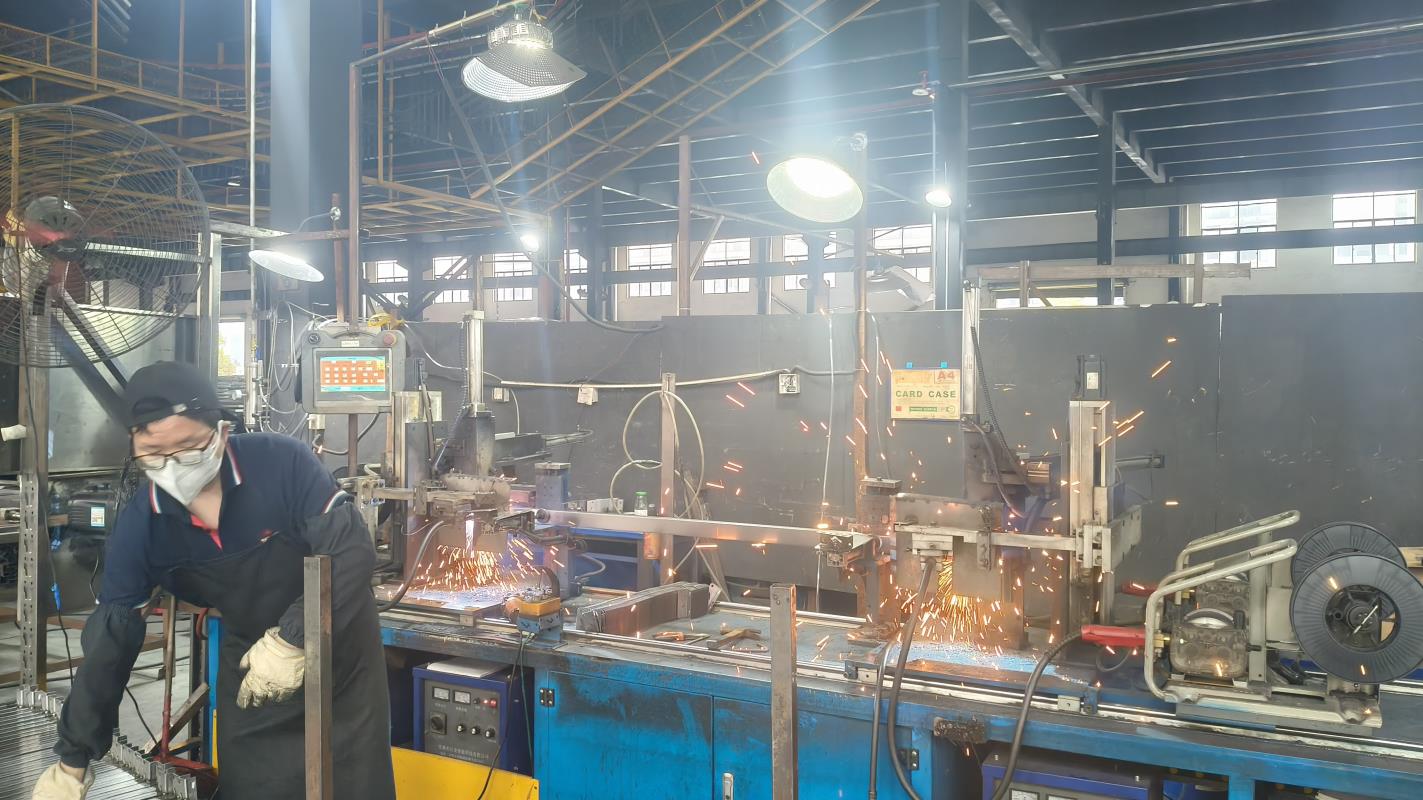
Bonding
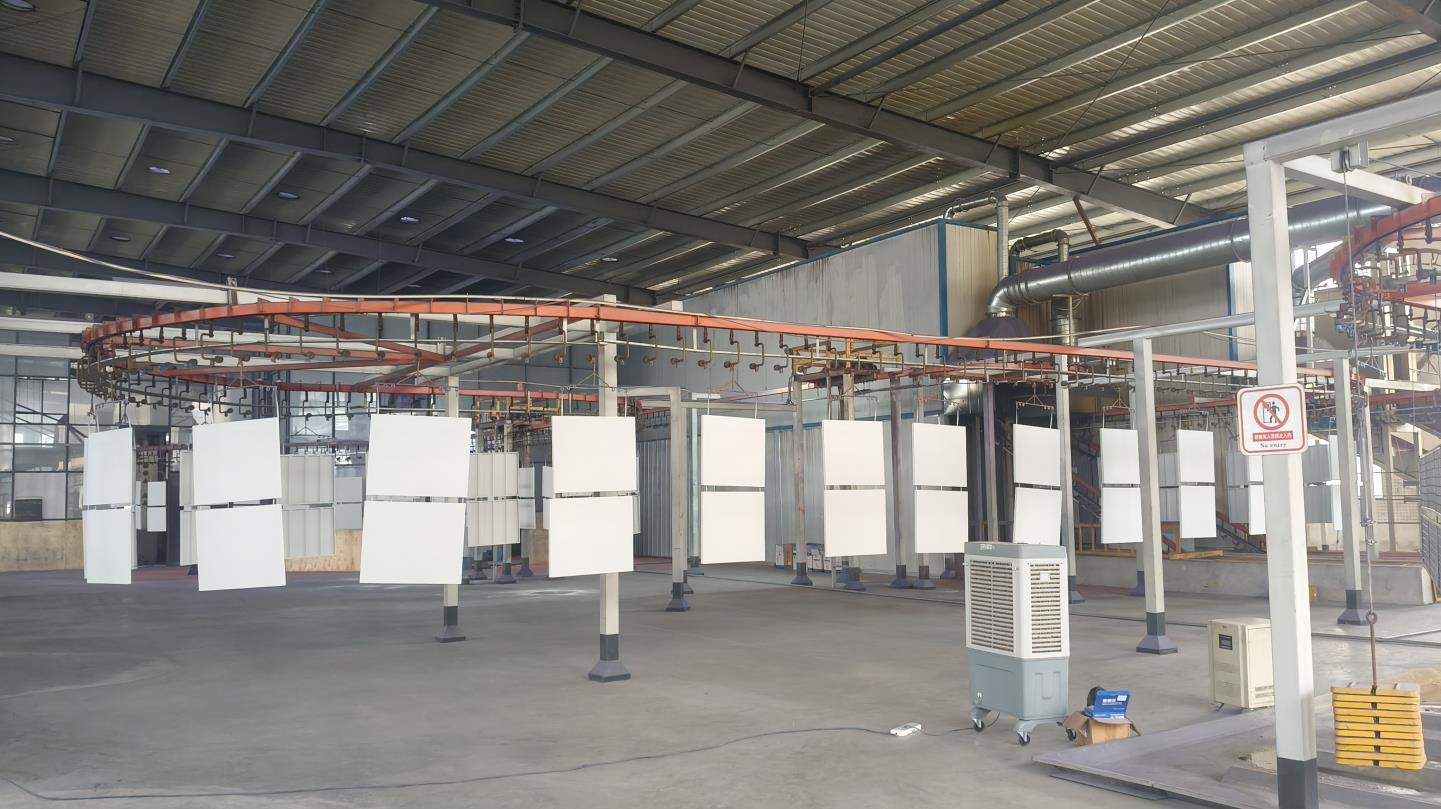
Spray Painting
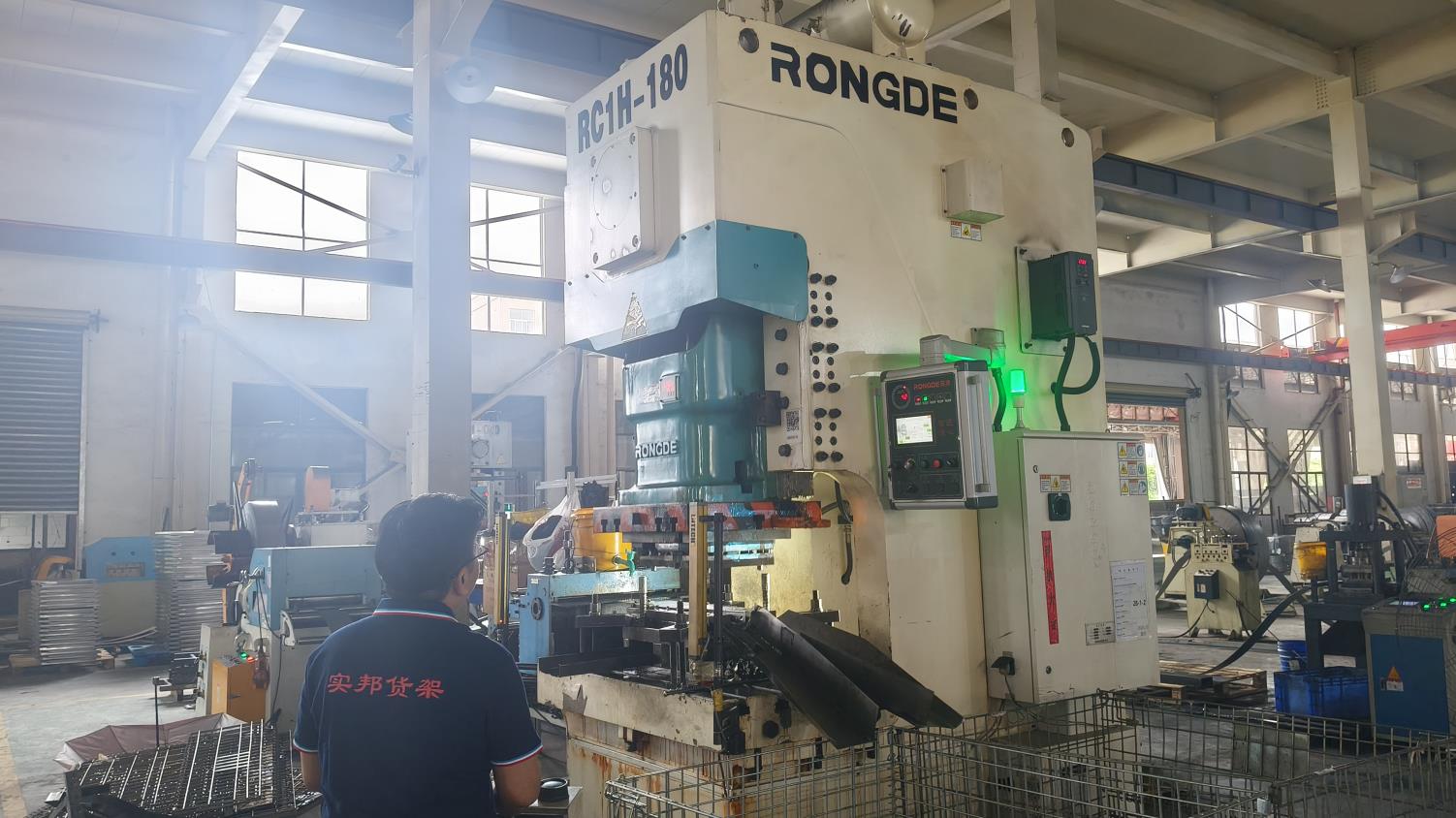
Punching
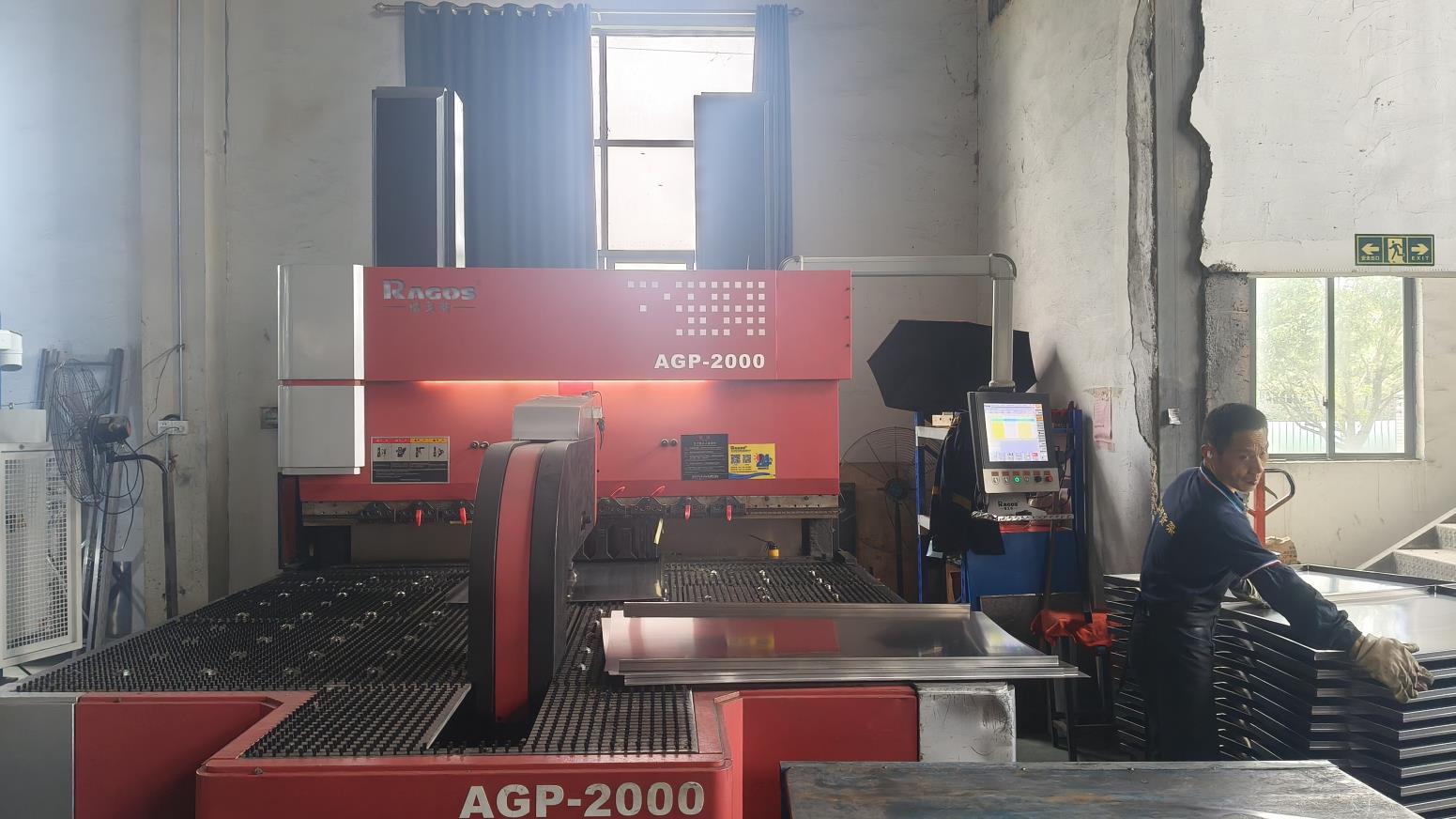
Bending
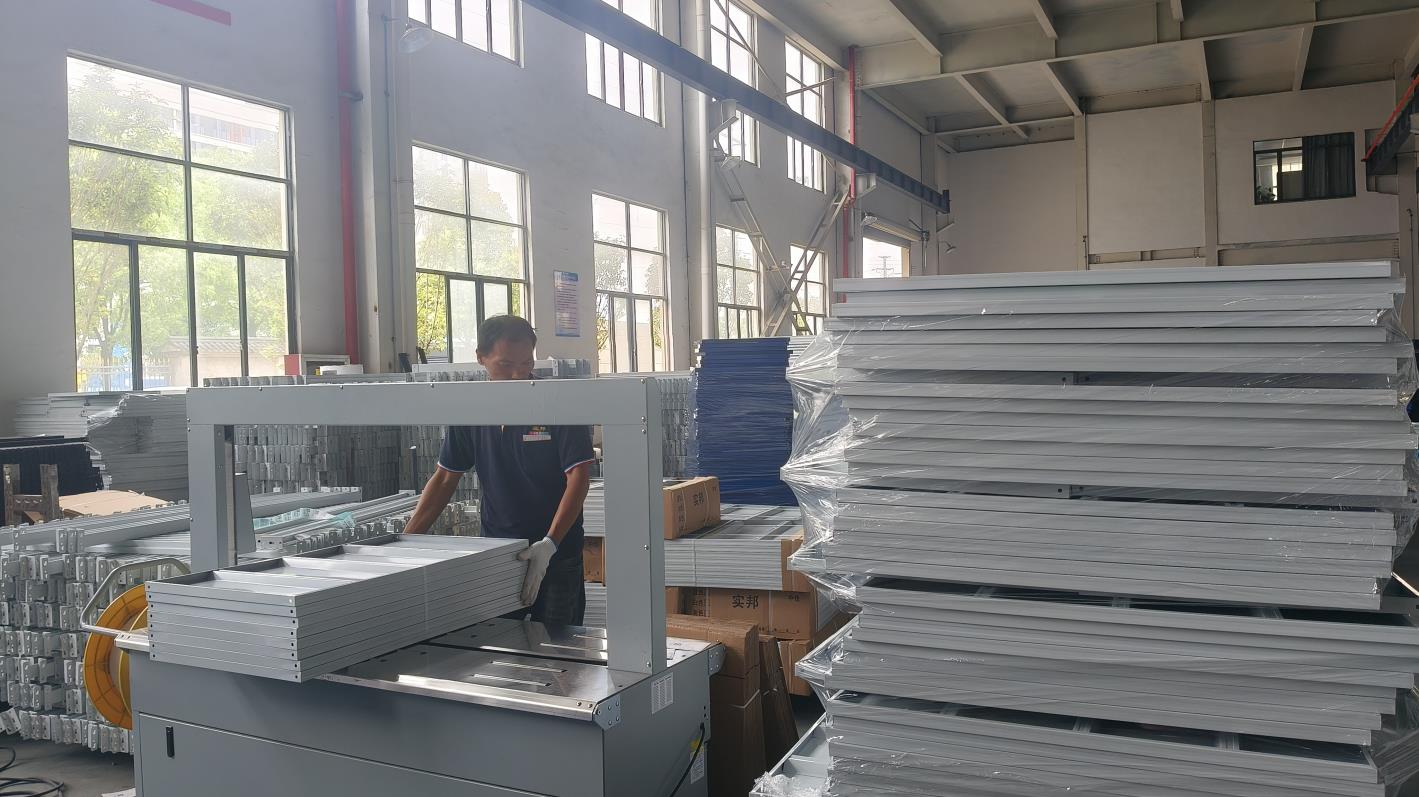
Packaging
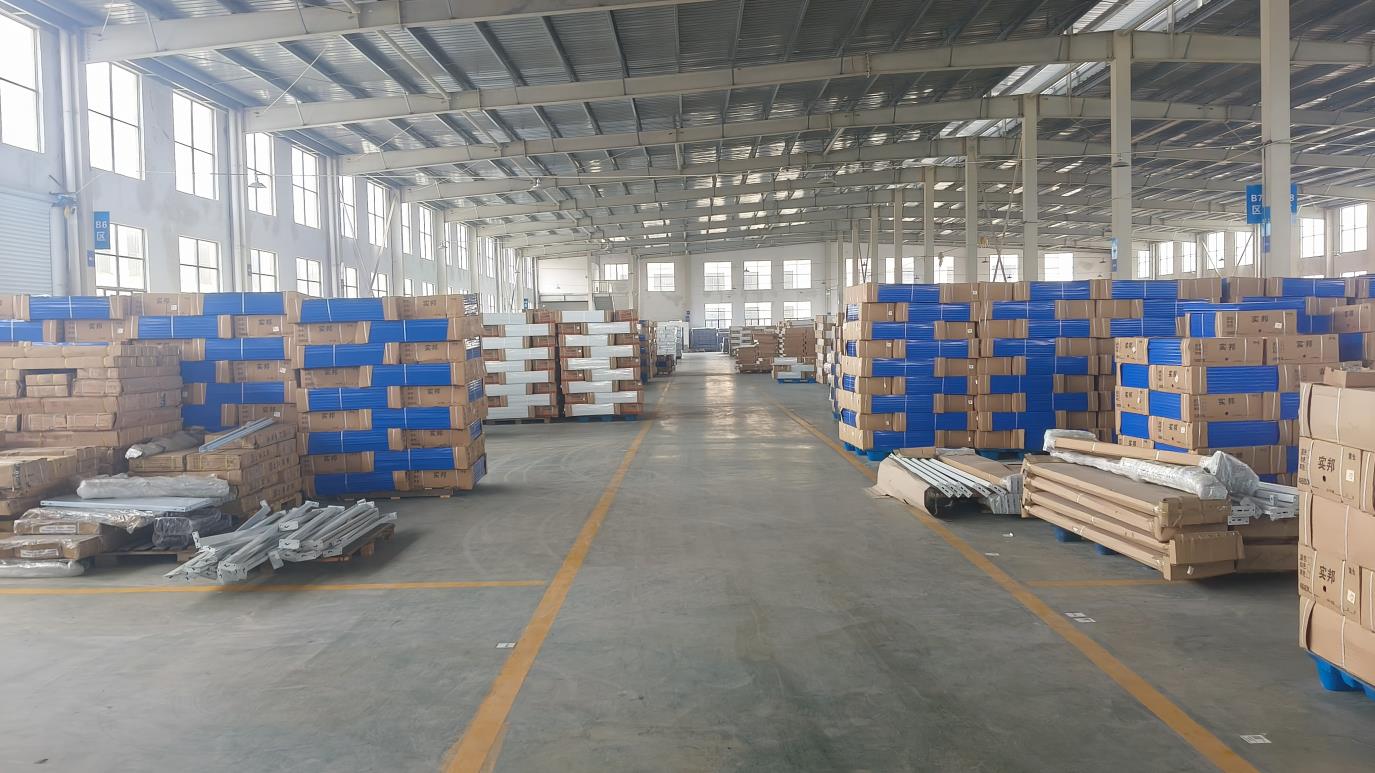
Warehouse Storage
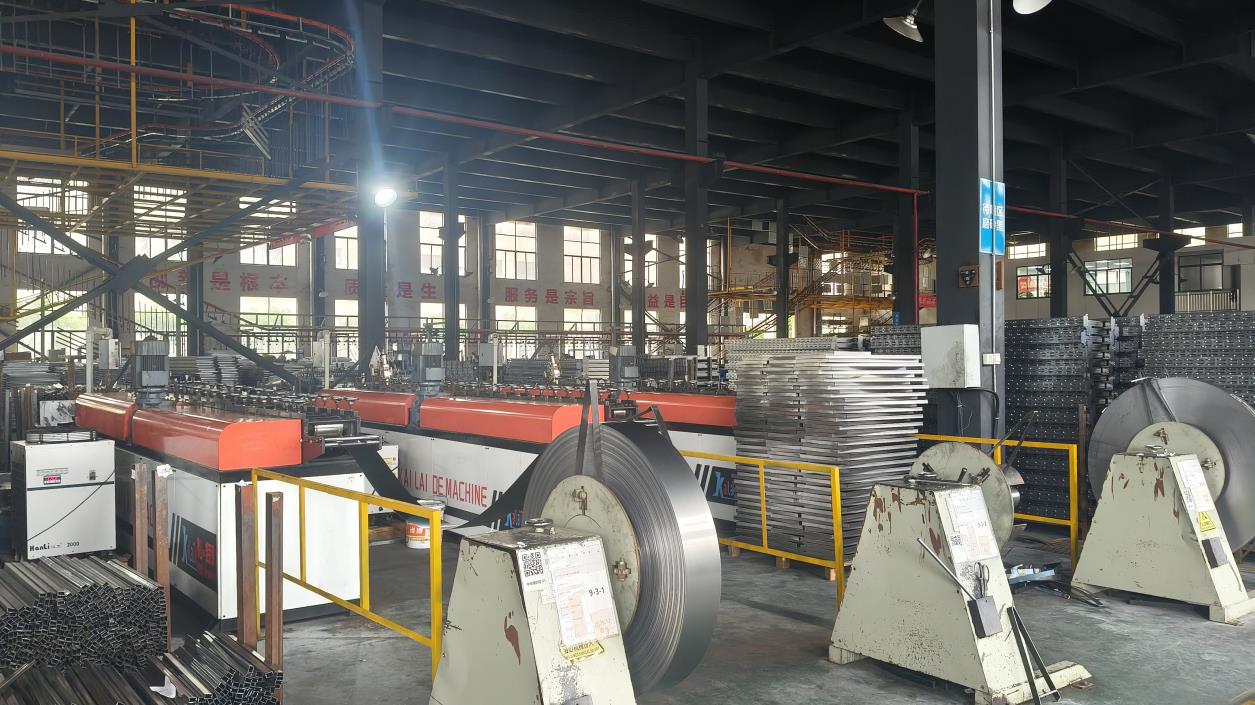
Forming Machine
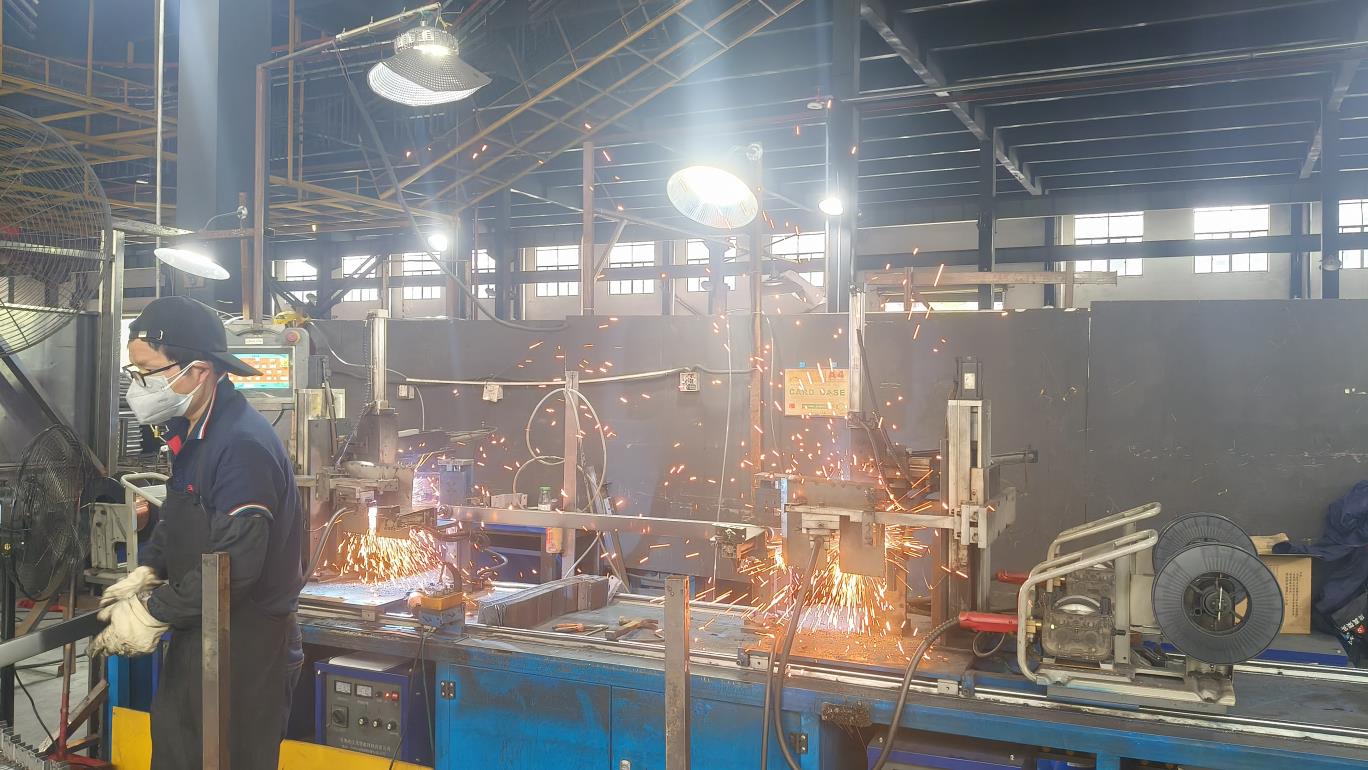
Bonding Machine
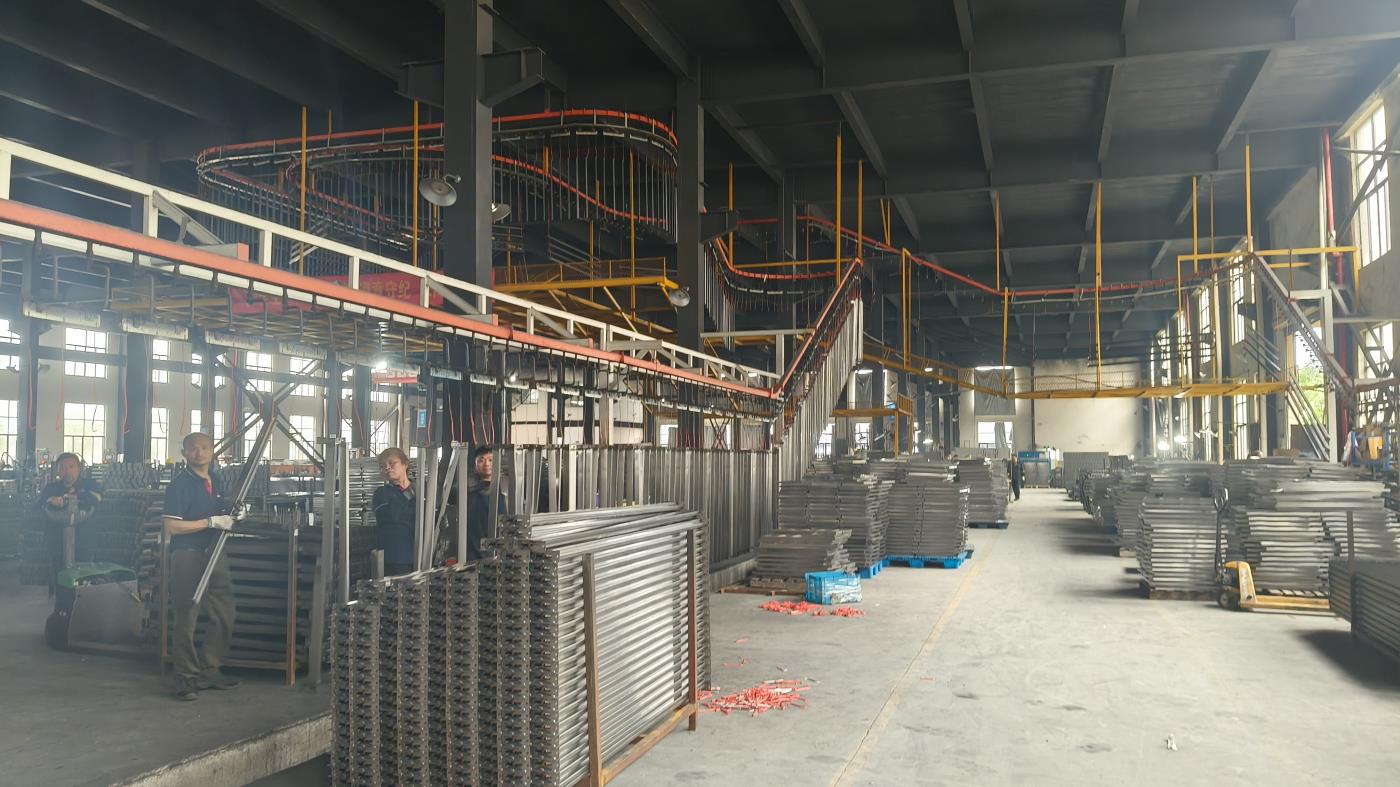
Spray Painting Line
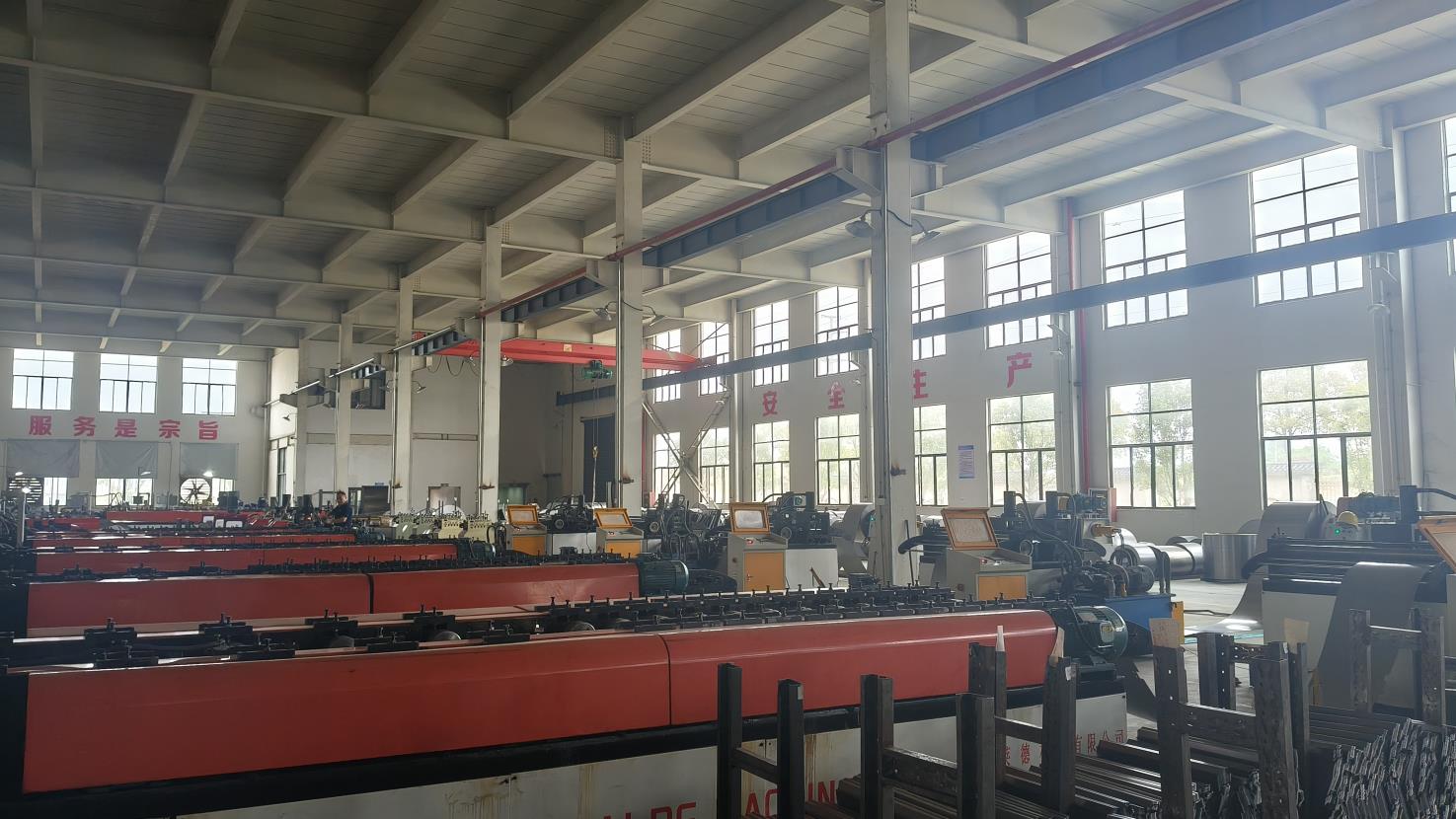
Fully Automatic Forming
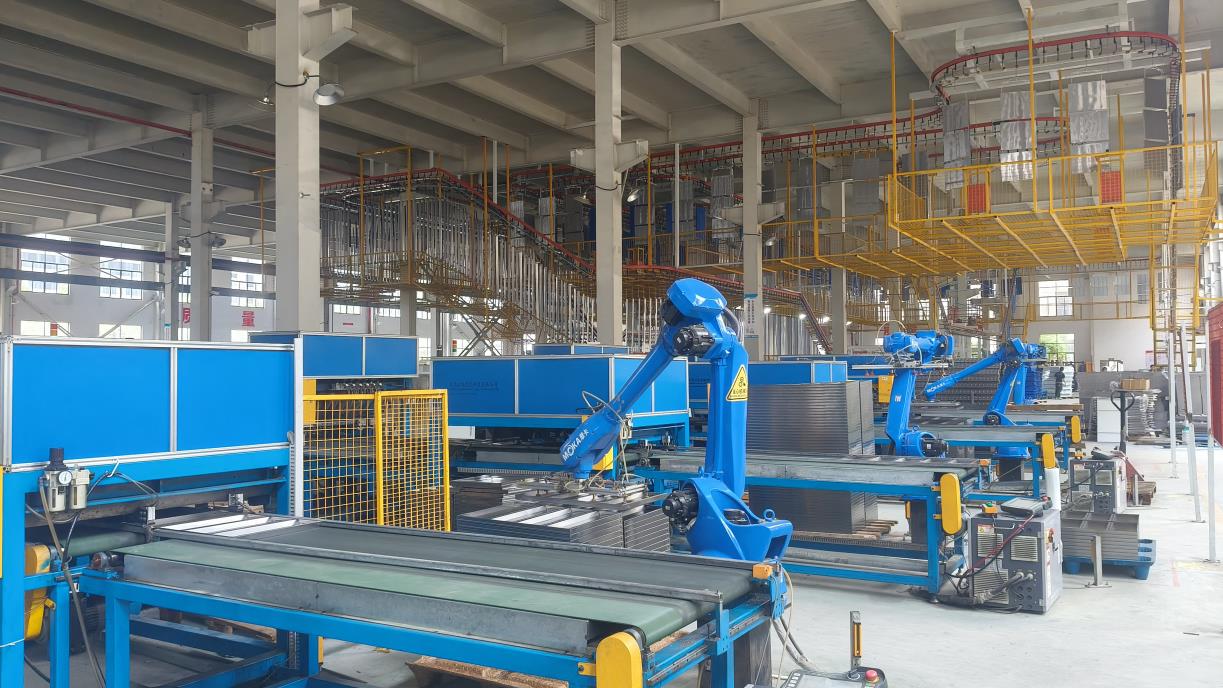
Robotic Welding Arm
Bridging global industrial manufacturing scale with localized New England logistics needs.
Direct factory-level raw steel sourcing in industrial hubs, coupled with automated assembly lines, reduces product manufacturing costs by up to 35% compared to local North American fabrication yards, even after sea shipping.
We offer custom sizing (frame depth, lane configurations, column gauges) rather than forcing warehouses to adapt to standardized sizing templates. This is critical for accommodating non-standard pallets common in food import operations.
Our professional sales team and experienced design engineers provide end-to-end assistance from initial consultation to final layouts. All customer inquiries are answered within 24 hours, and local technical setup can be arranged.
Explore our wider range of storage systems, spanning structural gravity racks, mobile push-back rails, and custom mezzanine decks.
From complex biotech logistics to fast-moving seafood packaging plants, see how we custom configure push-back systems.
Refrigerated space is highly expensive to maintain. Maximizing storage density inside walk-in freezers minimizes the overall cubic area that needs cooling, resulting in substantial energy savings. Our hot-dip galvanized push-back designs prevent oxidation in cold, damp environments, allowing carts to roll smoothly down to -30°F (-34°C).
Boston's booming life science sector requires highly organized warehousing for medical supplies and raw processing ingredients. Our push-back racking provides dense, clean, and organized SKU tracking with dedicated lanes, preventing cross-contamination and facilitating swift picking verification processes.
High-turnover distribution centers along Interstate 95 require fast cycles. Push-back systems allow forklift operators to pick and pack goods without driving inside the rack frames, resulting in faster load times and minimized forklift collision risks.
Managing seasonal retail inventory requires highly dense storage systems in tight commercial backrooms. Utilizing a 2-deep or 3-deep push-back system allows stores to optimize backroom capacity, ensuring that store shelves remain stocked with minimal delivery downtime.
Detailed engineering answers to the most common questions regarding structural load ratings, seismic calculations, and system selection.
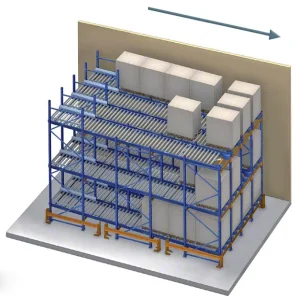
Standard push back racking systems are configured from 2-deep up to 6-deep configurations. The depth is limited by the physical weight of the nested carts and the capacity of the forklift mast to push the combined load back safely up the inclined steel tracks. For depths exceeding 6-deep, pallet flow systems utilizing gravity rollers (FIFO) are recommended.
Eastern Massachusetts has specific soil profiles and moderate seismic classifications that mandate professional structural calculations. Racking designs must feature oversized footplates, robust heavy-duty concrete anchor bolts, and specialized structural cross-bracing. Guangzhou LogiSteel designs racking to international safety standards, providing detailed structural CAD drawings to ensure smooth local permitting.
Unlike drive-in systems where forklifts must drive inside the steel upright frames, push-back racking allows operators to load and unload directly from the main access aisle. Therefore, the required aisle width is determined entirely by the turning radius of your forklift model (typically 9 to 12 feet for standard counterbalanced trucks, or 7 to 9 feet for reach trucks).
Yes. Push back carts and track assemblies are designed to be retrofitted onto standard heavy-duty step beams. As long as your existing upright frame configurations are rated to support the concentrated weight loads of nested pallets, you can convert select bays into high-density push-back storage lanes.
Due to the dynamic rolling parts, we recommend bi-annual inspections. Maintenance teams should verify that the cart wheels spin freely, track alignments remain straight, safety stops are securely bolted, and that the lanes remain clear of debris. Our steel carts feature sealed bearings that do not require continuous lubrication, keeping maintenance overhead low.
Push back systems require the bottom pallet deck to sit securely on the steel cart frames. For varying pallet sizes, we design full-support cart grates or custom frame widths to prevent pallets from slipping or getting jammed. We recommend using high-quality wooden pallets or structural plastic pallets to ensure smooth rolling performance.
Whether you are designing a new facility in the Boston metro area or retrofitting an existing warehouse to improve density, our engineering team is here to assist. We offer free CAD layout designs and structural calculations.
Send Inquiry Now LogiSteel Racking