Optimize your warehousing density with our high-grade, nested cart push-back structural racking designs.
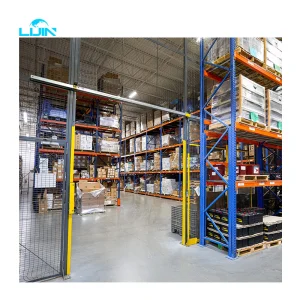
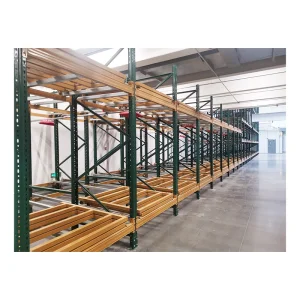
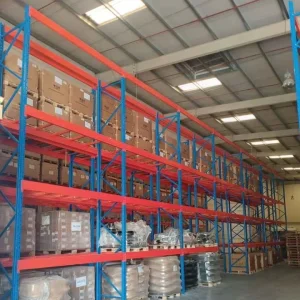
The warehouse and logistics sector in the United States is facing unprecedented headwinds. Industrial real estate values in core logistics corridors—such as Southern California (Inland Empire), the Chicago metropolitan area, Dallas-Fort Worth, and northern New Jersey—have soared to record highs. Coupled with escalating construction costs, building new warehouses has become less viable compared to maximizing existing square footage. This supply-demand dynamic has triggered a shift from low-density, selective racking networks toward high-density engineering systems.
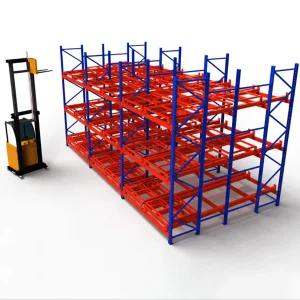
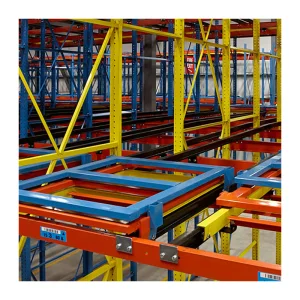
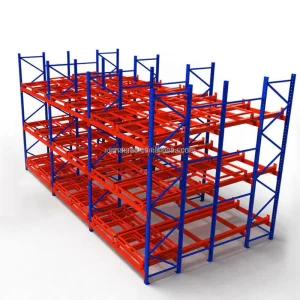
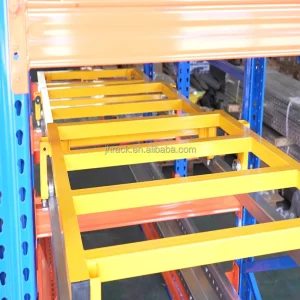
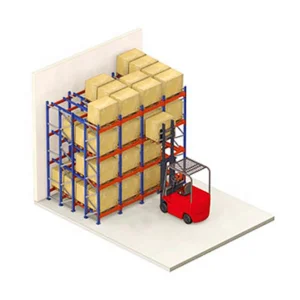
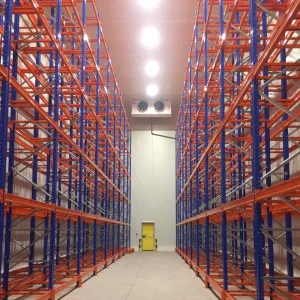
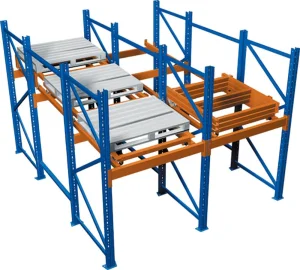
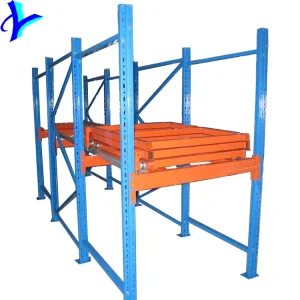
Push-back racking systems represent the benchmark for Last-In, First-Out (LIFO) storage configurations in this landscape. By leveraging nested rolling carts that slide on inclined rails under gravity, push-back racks allow warehouses to store pallets from 2 to 6 deep. This eliminates multiple forklift access aisles required by conventional systems, reclaiming up to 90% of unoccupied aisle space while maintaining faster selectivity compared to traditional drive-in configurations.
For US supply chain directors, industrial facilities, and cold storage hubs, choosing an experienced push-back rack exporter involves assessing structural integrity and engineering compliance. Systems deployed within the United States must meet strict local design codes, especially in seismic-prone zones like the US West Coast. LogiSteel designs and manufactures configurations that address these parameters, supplying robust steel systems that handle heavy-duty cycles in high-throughput distribution environments.
In the US market, structural reliability is non-negotiable. Racking systems are subject to structural audits, regulatory reviews, and strict oversight by local building departments. Selecting push-back configurations requires understanding the engineering parameters that separate heavy-duty systems from basic racking designs.
LogiSteel structural engineers design columns, beams, and dynamic cart assemblies to comply with ANSI MH16.1 (Specification for the Design, Testing, and Utilization of Industrial Steel Storage Racks). Calculations assess localized buckling, wind loading (for outdoor setups), and dynamic carriage shock loading when forklifts load pallets onto nested carts. Frame uprights utilize high-strength structural or roll-formed steel, reinforced with heavy-duty bracing to absorb forklift impacts.
For installations in California, Oregon, Washington, or the Central US (New Madrid Seismic Zone), systems must conform to the International Building Code (IBC) Chapter 16 seismic provisions. We customize the steel profile thickness, utilize oversized structural baseplates, and increase anchor bolt counts to securely tie the racks to the concrete floor slab. Dynamic cart tracks feature anti-derailment retainers, preventing carts from dislodging during seismic events.
The standard incline for push-back rails is set between 2.5% to 3.5%. If the angle is too low, gravity fails to slide the rear pallets forward when the front pallet is retrieved. If the angle is too steep, it exerts excessive back-pressure on the forklift mast during loading. LogiSteel calibrates this gradient based on the customer's average pallet weight. Additionally, safety options such as speed controllers and mechanical flow brakes are available for heavy loads (exceeding 3,000 lbs per pallet) to prevent runaways.
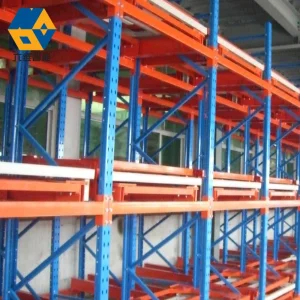
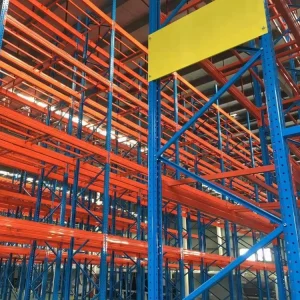
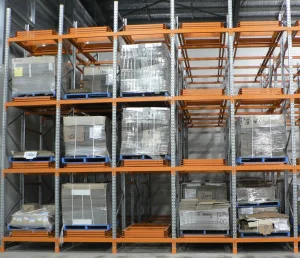
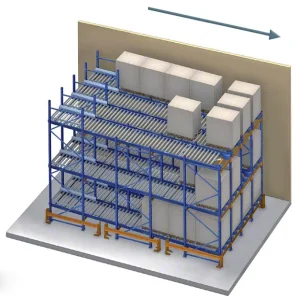
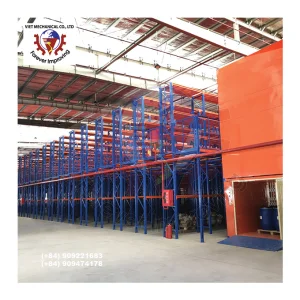
Explore customizable options designed to optimize warehouse configurations, from back-to-back setups to multi-tier structures.
Guangzhou LogiSteel Racking Co., Ltd. is a specialized manufacturer focused on the design, manufacture, sales, and installation of diverse storage racking systems, display stands, and supermarket equipment. Over years of development, we have established a strong supply chain presence for US distributors and direct buyers looking to control costs without sacrificing material quality.
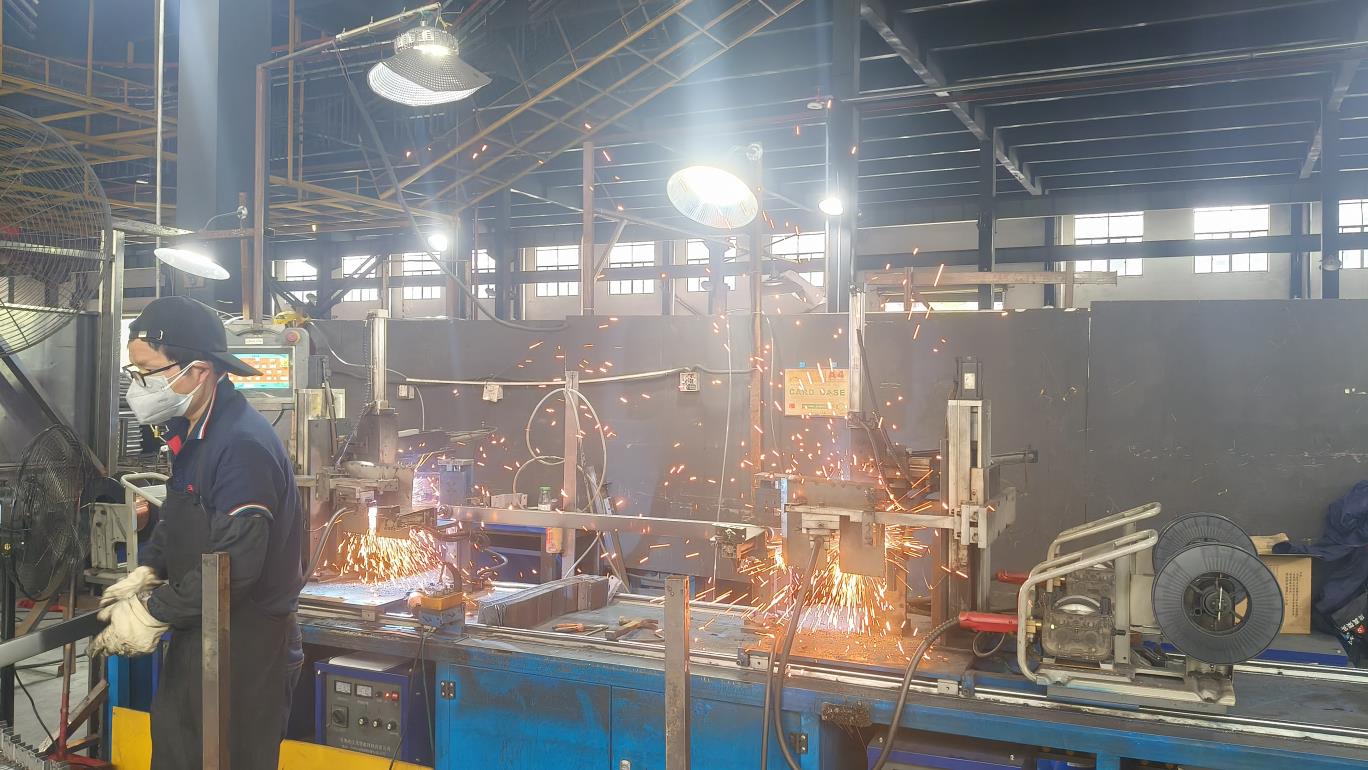
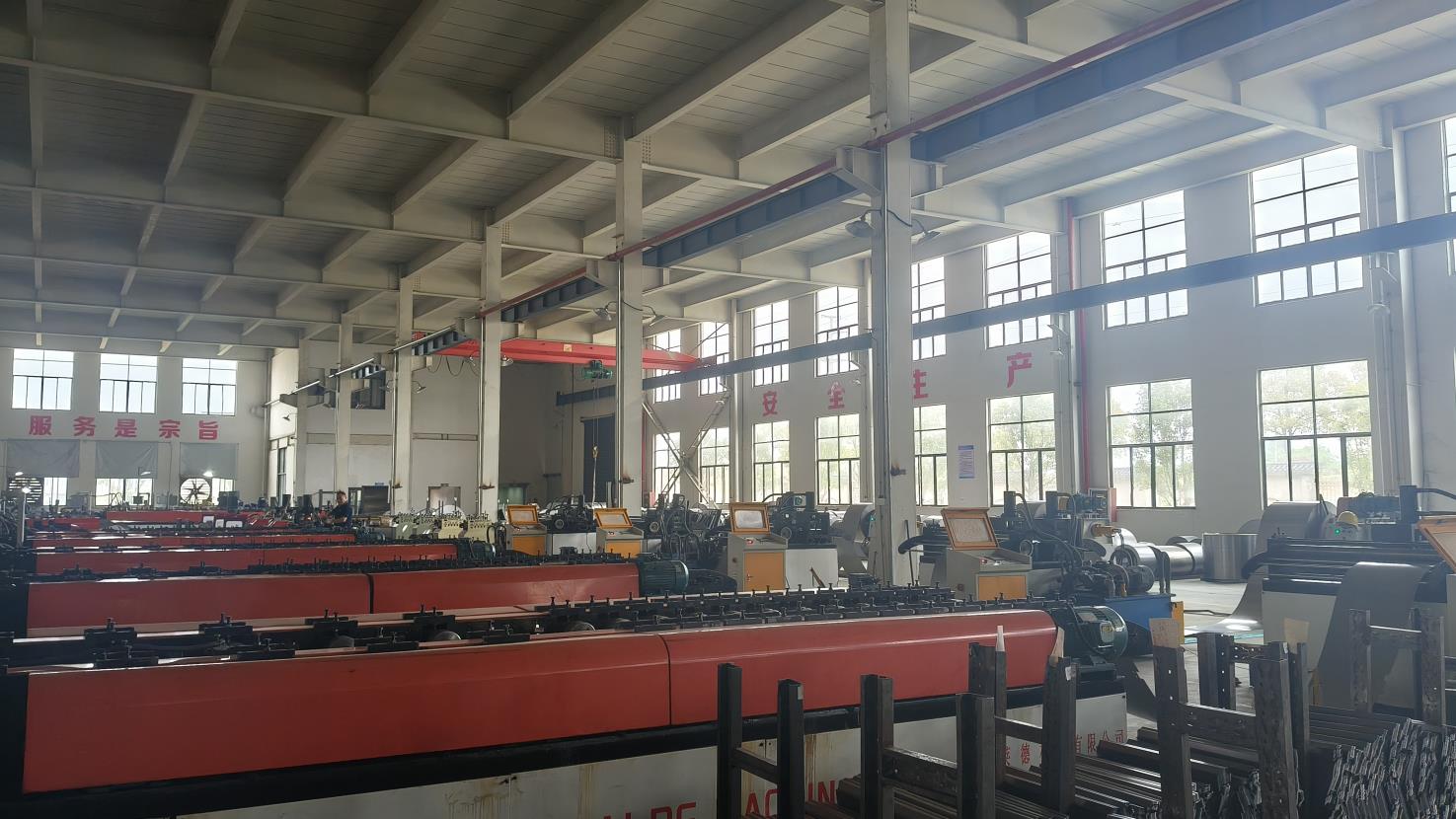
Operating a modernized facility exceeding 15,000 square meters and staffed by over 200 skilled specialists, LogiSteel utilizes advanced production machinery. Our capabilities include tube cutting saws, tube punching machines, guillotine shears, hydraulic punching machines, plate bending machines, and spot welding machines. This equipment allows us to control tolerance levels, weld integrity, and output consistency across our product line.
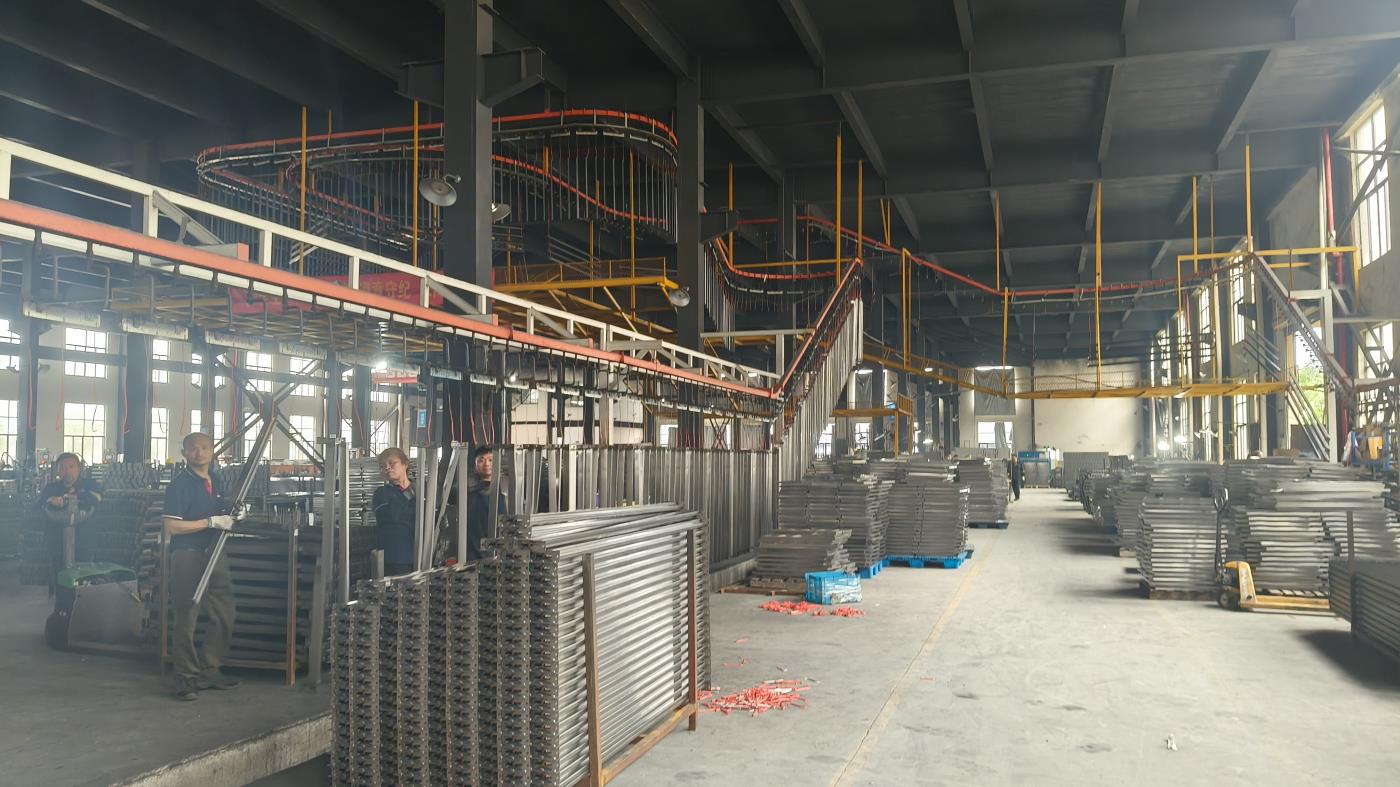
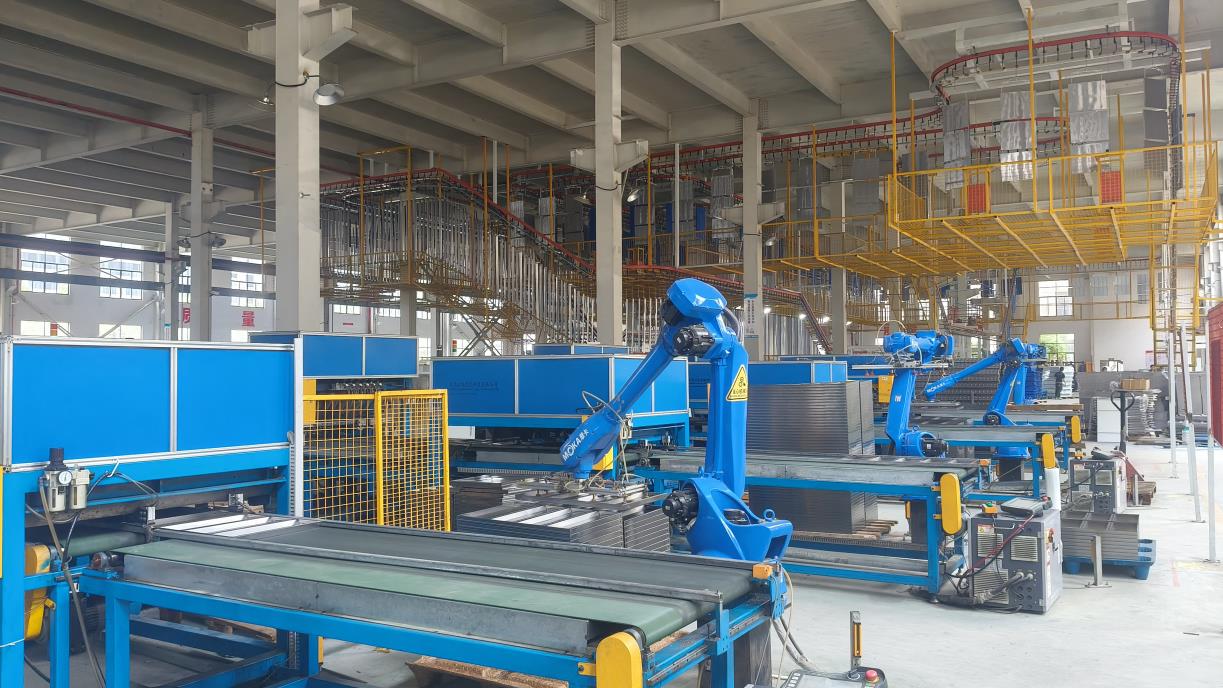
A key advantage of our production process is our automated powder coating line. Proper paint adhesion is critical for warehouses, especially in cold storage or temperature-controlled environments. We utilize a multi-stage pre-treatment wash, followed by electrostatic powder deposition and high-temperature curing. This process creates a resilient finish that resists chipping, rust, and abrasion from daily forklift movement.
A transparent look inside our industrial manufacturing stages, showing how we maintain structural integrity from raw steel to finished components.
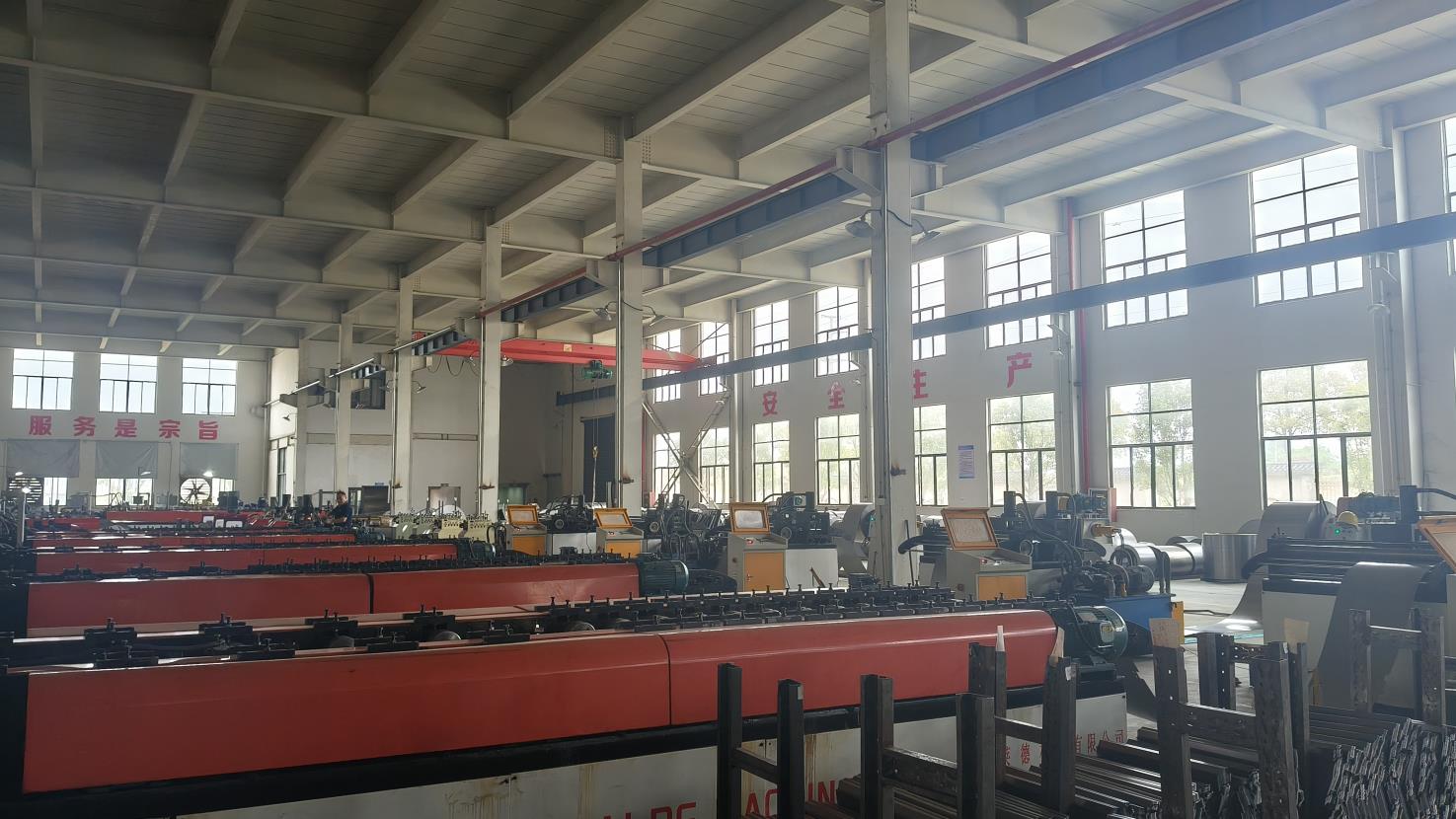
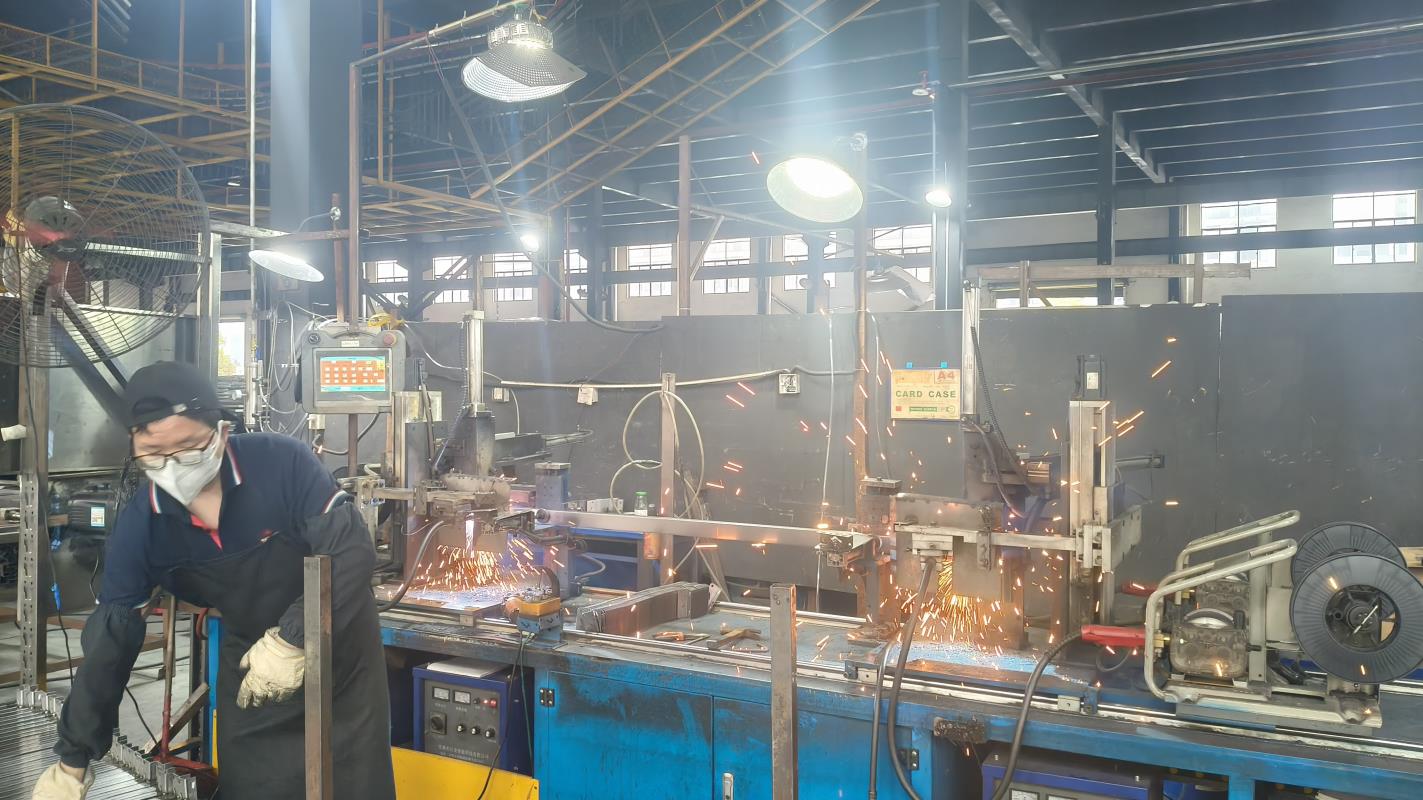
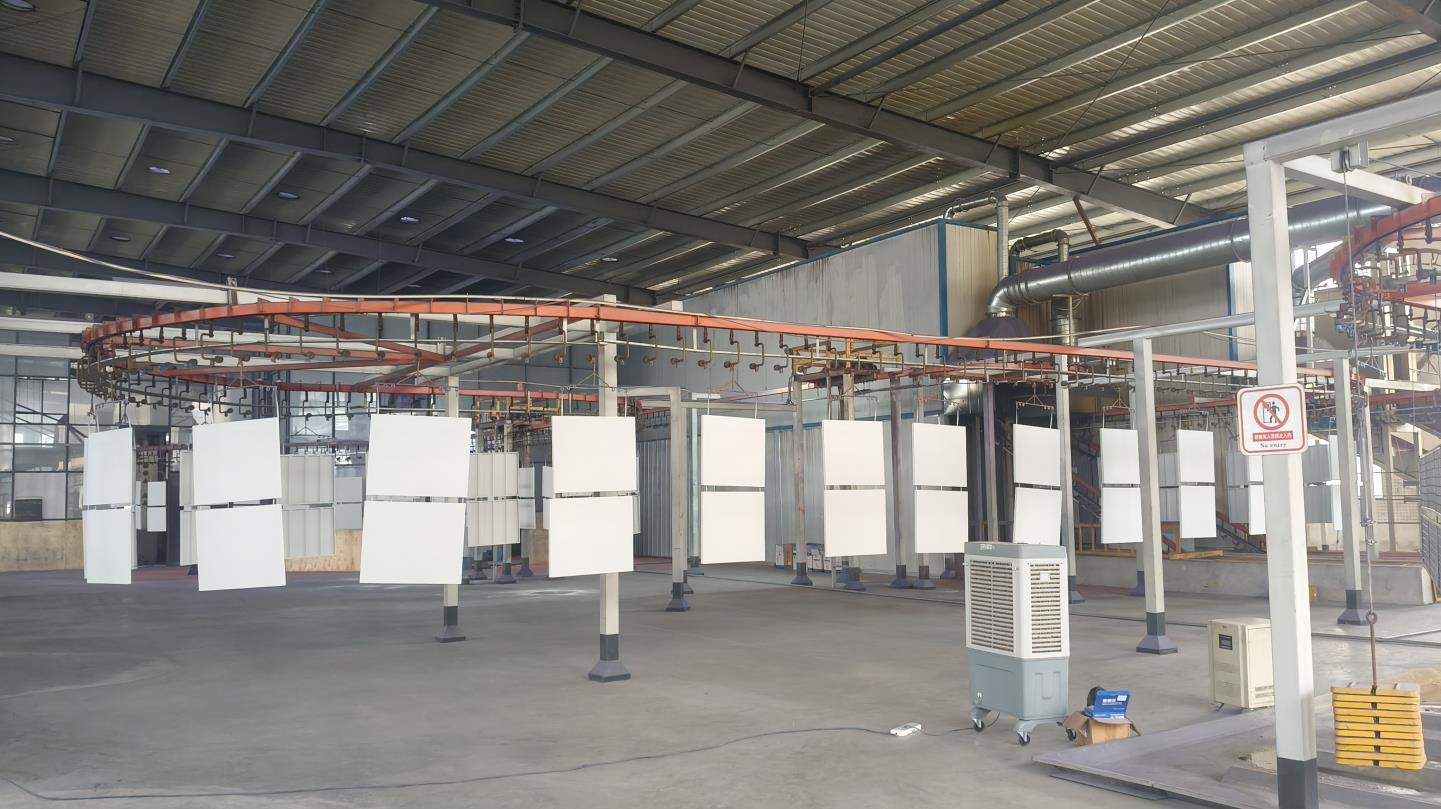
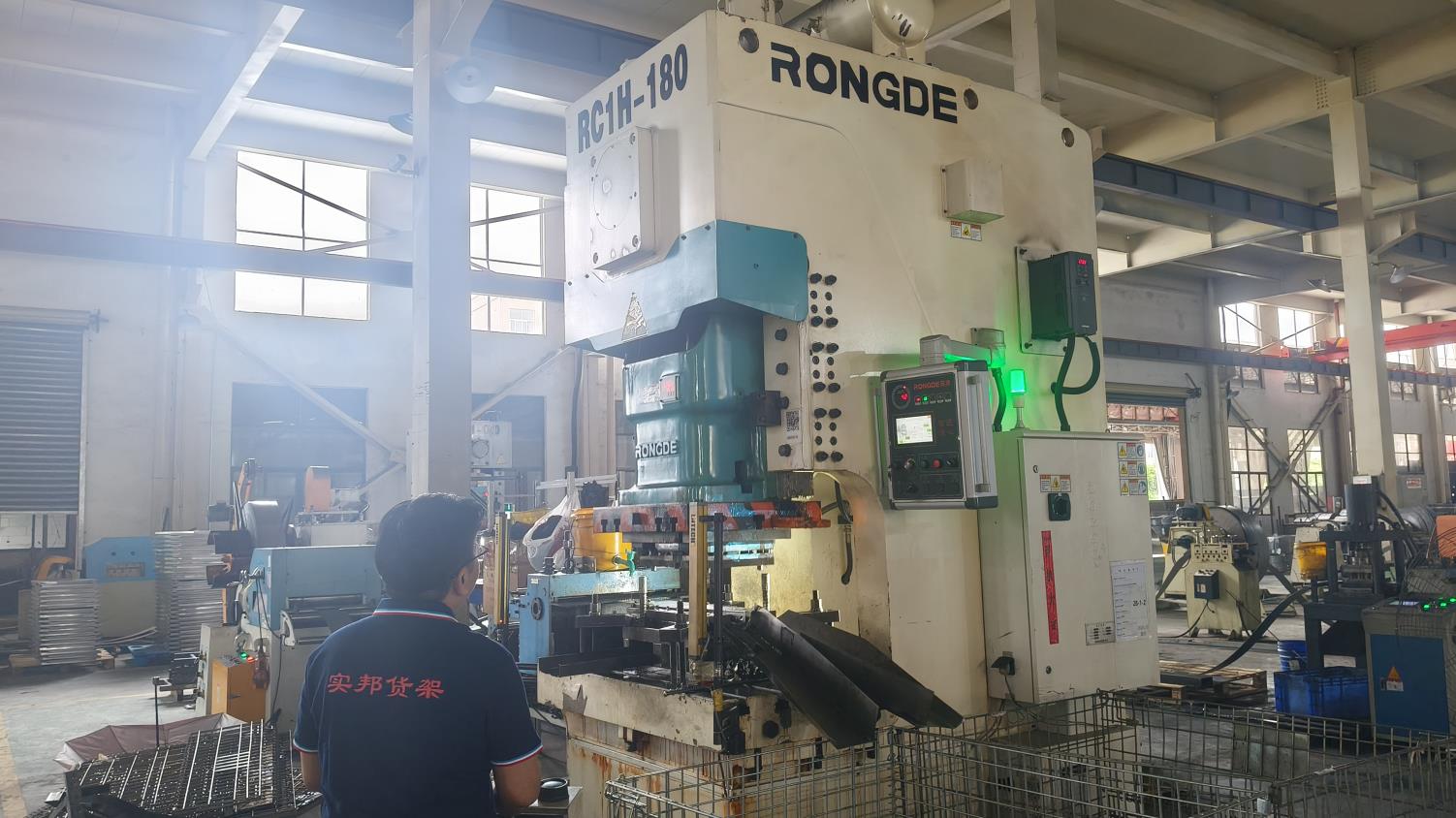
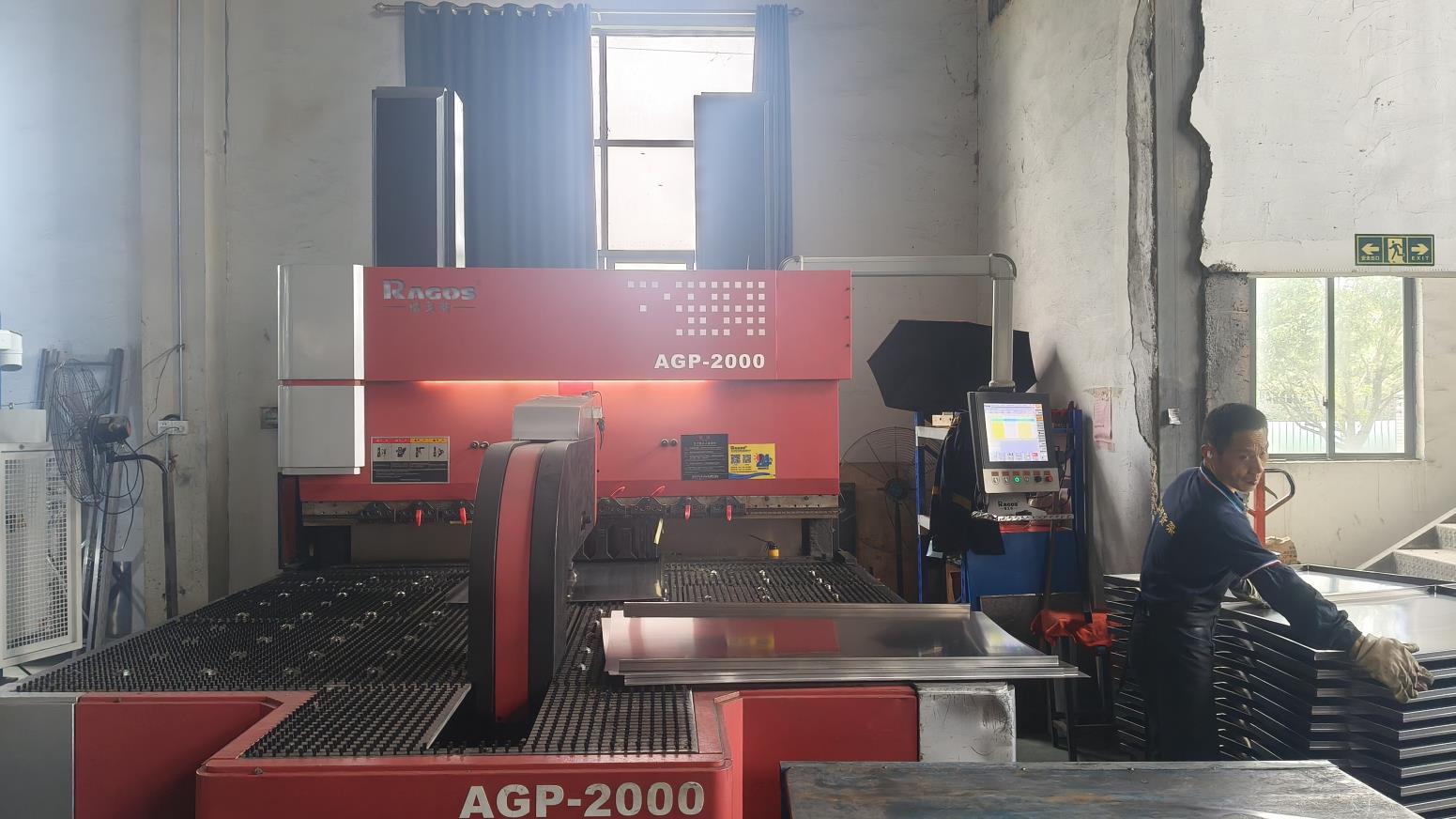
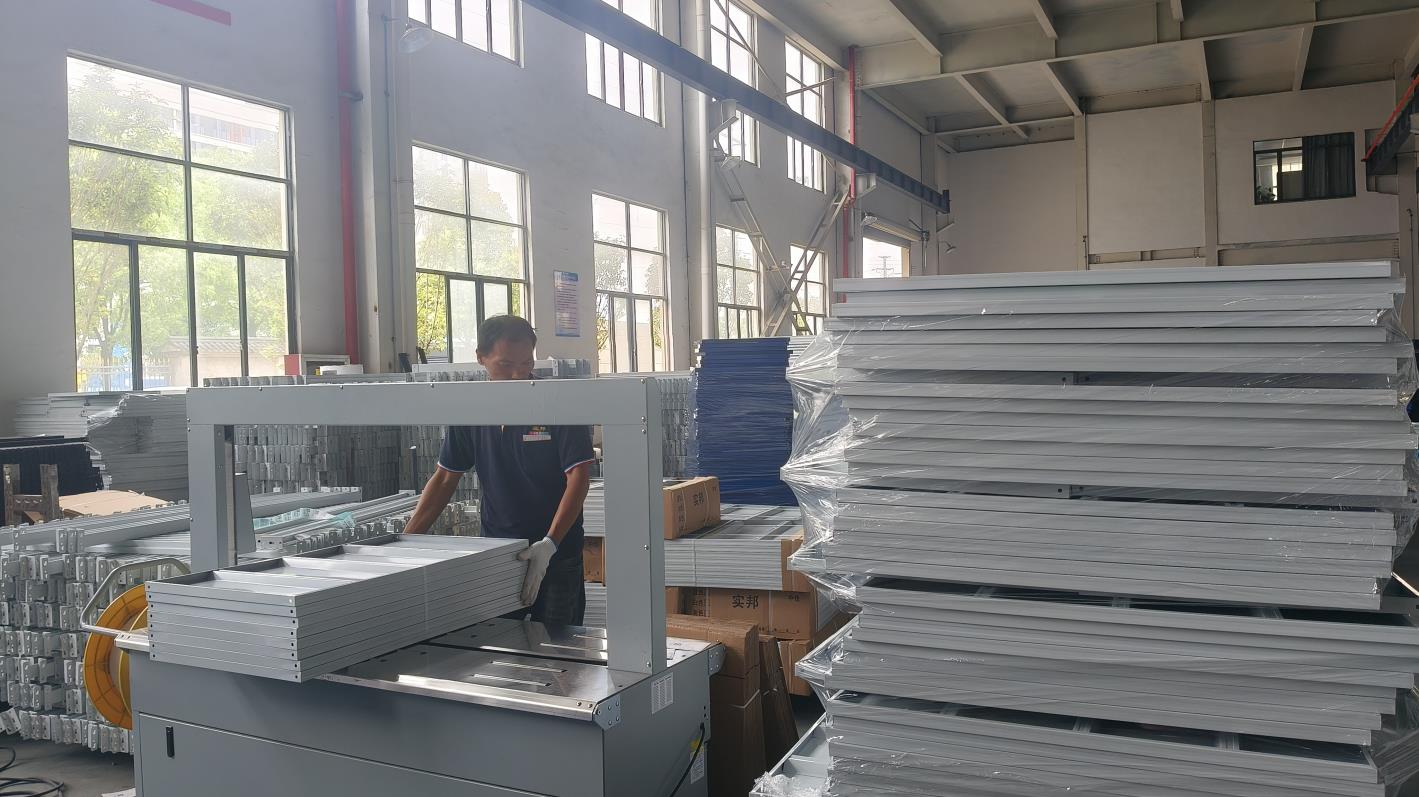
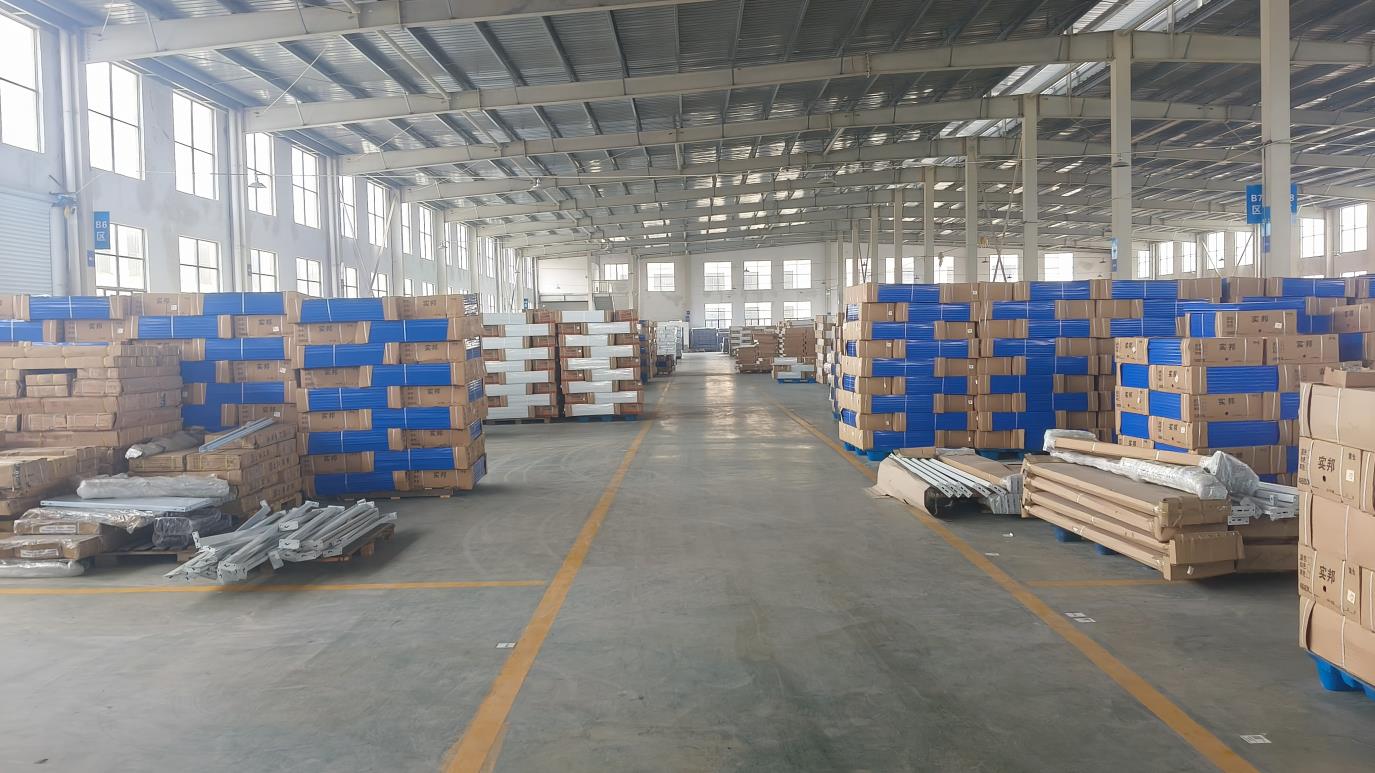
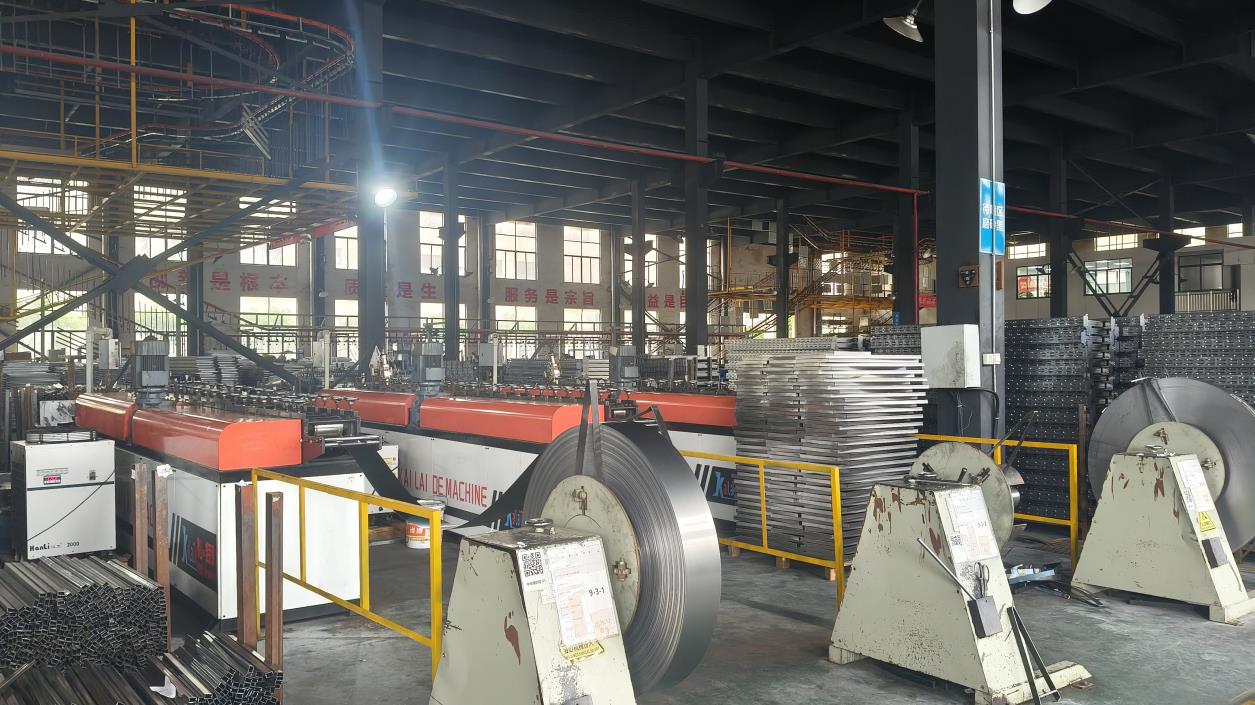
Purchasing racking systems directly from an overseas exporter involves careful planning. LogiSteel works with procurement directors to streamline imports and lower the Total Cost of Ownership (TCO) through clear logistics planning.
Browse our full range of heavy-duty storage racks, mezzanine floor integrations, and specialized cold-storage push-back setups.
Expert answers to technical questions about importing and operating push-back systems in North America.
Our push-back racking configurations accommodate weights between 1,500 lbs and 3,500 lbs per pallet position. The dynamic carts, steel rails, and wheel bearings are engineered to handle the cyclic load stresses of heavy pallets without warping or structural deformation.
Yes. Push-back systems are highly effective for cold storage because they maximize storage density, minimizing the volume that requires refrigeration. For sub-zero operations, we utilize cold-resistant steel grades, low-temperature lubricants for wheel bearings, and specialized protective powder coatings to resist condensation corrosion.
Drive-in systems require forklifts to drive inside the racking structures, which increases load cycles and the risk of upright column collisions. Push-back racking allows forklifts to stay in the main access aisle, pushing pallets back along the inclined cart track. This design increases SKU selectivity and improves loading speeds.
Yes. All of our push-back setups exported to the United States are designed around standard Grocery Manufacturers Association (GMA) pallets, typically 48 inches deep by 40 inches wide. Carts are designed to support GMA wood pallets, plastic pallets, or metal skids securely.
We perform material batch testing, weld inspections, and dynamic cycle testing of our cart systems before packaging. The cart assemblies must roll freely on their rails under load. Steel thickness is measured with ultrasonic gauges to verify it meets engineering drawings, and every shipment receives a quality release report.
Consult with our engineers to get structural layout layouts, compliance estimates, and competitive pricing for your logistics facility.
Send Inquiry Now LogiSteel Racking