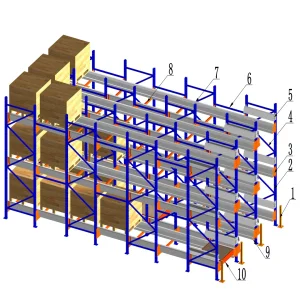
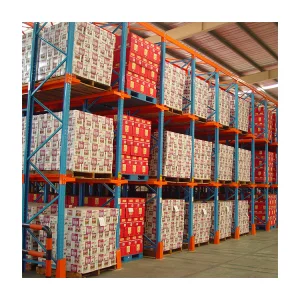
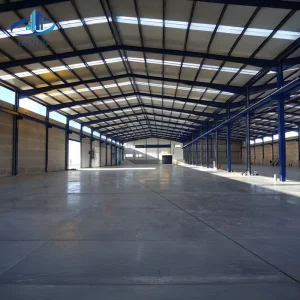
Explore our flagship heavy-duty industrial structural designs optimized for high-density space conversion
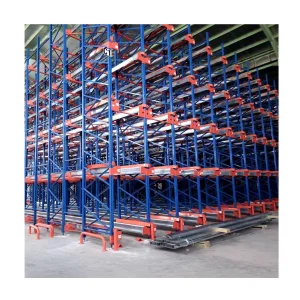
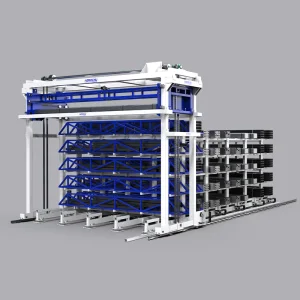
Strategic High-Density Logistics Solutions for Bhiwandi, Kalamboli, Taloja, and the JNPT Port Corridor
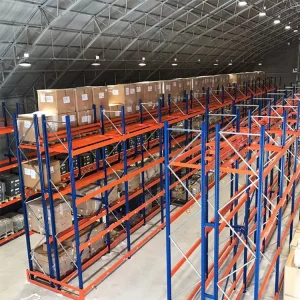
Mumbai, as the financial and logistical heart of India, faces unprecedented challenges regarding warehouse land allocation. With skyrocketing cost per square foot in critical zones like Bhiwandi, Kalamboli, Taloja, Vasai-Virar, and the Jawaharlal Nehru Port Trust (JNPT) hinterland, traditional selective pallet racking has become economically unsustainable for mass storage. Industrial operations, FMCG distributors, cold storage providers, and chemical exporters require structural solutions that exploit vertical clearance rather than expanding footprint areas.
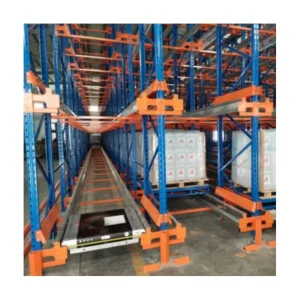
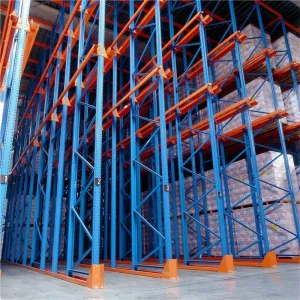
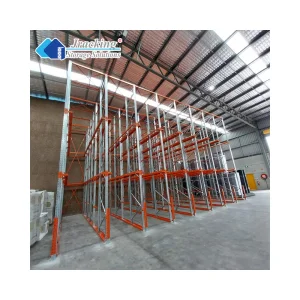
This is where Drive-In Warehouse Pallet Racks present a vital engineering intervention. By eliminating dedicated aisles between individual rack rows, Drive-In systems enable forklifts to enter directly into the storage bays, providing high-density storage capacity (up to 75% more space-efficient compared to selective systems). This layout operates on a Last-In, First-Out (LIFO) configuration, making it the premier choice for large quantities of homogenous materials, batch-manufactured goods, and temperature-controlled inventory destined for regional or international export.
Mumbai and its coastal environs are categorised under Seismic Zone III. Our racking components are designed using high-tensile cold-rolled steel and computed to withstand horizontal shifts. Heavy-duty column protectors and guiding ground rails secure upright structures against forklift collisions during entry and exit maneuvers.
Mumbai's saline marine atmosphere presents severe rust hazards for industrial warehouse structures. Our Drive-In racks undergo intensive pickling, phosphating, and advanced electrostatic epoxy powder-coating cure processes. This ensures outstanding durability against peeling, high humidity, and abrasive scratching.
By using customized configurations of vertical levels and deep lanes (ranging from 3 to 10 pallets deep per lane), we maximize cubical capacity. This is critical for Mumbai cold storages where keeping volume small reduces refrigeration costs and maximizes thermodynamic efficiency.
Increase in Storage Density
Premium Steel Grade Used
International Standard certified
Technical Inquiry Response
Engineered structural systems built to sustain dynamic loads and intense production schedules in Maharashtra's industrial zones
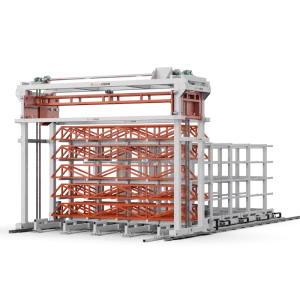
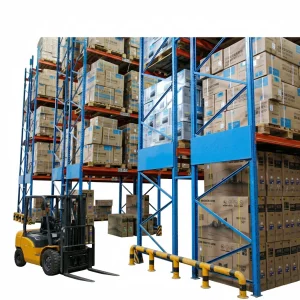
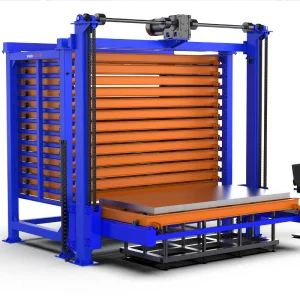
To help regional managers, procurement leads, and design engineers in Mumbai choose the right layout, we compare standard racking categories below. Drive-in options represent a balanced design for bulk LIFO storage.
| Racking System Type | Storage Density | Access Method | Selectivity | Best Applied To |
|---|---|---|---|---|
| Drive-In Racking | High (Up to 75-80%) | LIFO (Last-In, First-Out) | Low (20-30% Selective) | Homogenous bulk cargo, cold storage, fast-moving consumer goods (FMCG) |
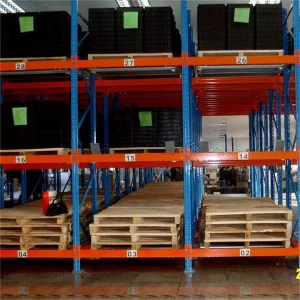
| Selective Pallet Racking | Low (Up to 40-50%) | FIFO/LIFO | 100% Selective | High SKU counts, diverse profiles, direct picking requirements |
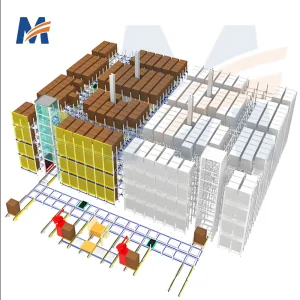
| ASRS & Radio Shuttle Racks | Very High (85%+) | FIFO/LIFO Automatic | Medium-High | Fully automated operations, distribution centers with extremely high throughput |
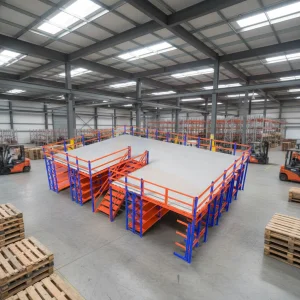
| Mezzanine Platforms | Medium-High (Expands floor space) | Manual/Forklift Access | Variable | Assembly lines, multi-level retail distribution, light storage expansions |
1. Pharmaceutical & Chemical Storage (Thane & Taloja Hubs): Mumbai represents a major corridor for pharmaceutical manufacturing and export. Under strict GMP guidelines, raw chemical intermediates require separation. Drive-In racking enables dedicated lanes for specific batch numbers, preventing cross-contamination while ensuring high structural density within temperature-controlled GMP-compliant storage rooms.
2. Cold Chains & Food Logistics: Cold storage facilities demand huge capital investments to run compressors and maintain sub-zero temperatures. Drive-In systems condense the area that needs to be chilled, providing maximum pallet counts per cubic meter. By optimizing airflow channels alongside drive-in lanes, power usage is lowered, and operational costs are kept under control.
3. Ocean Freight Consolidated Storage (JNPT Corridor): For exporters consolidating merchandise to ship out via Nhava Sheva (JNPT), Drive-In racking serves as a crucial temporary consolidation buffer. Products arriving from factories across Maharashtra can be securely racked in designated deep lanes before full container loads (FCL) are stuffed, optimizing port-side warehouse efficiency.
Direct Manufacture, Advanced Automation, and High-Precision Steel Fabrication by Guangzhou LogiSteel
Sourcing your industrial warehouse racking directly from Guangzhou LogiSteel Racking Co., Ltd. guarantees global engineering quality combined with efficient manufacturing economics. Operating a state-of-the-art facility covering more than 15,000 square meters and staffed by over 200 skilled operators and structural engineers, we bridge the gap between heavy industry design and cost-efficiency.
Our Factory 4.0 production framework employs advanced heavy machinery, including precision tube cutting saws, multi-point tube punching systems, hydraulic shears, plate bending machinery, and spot welding systems. These technical capabilities ensure structural tolerances within sub-millimeter limits, preventing structural leaning under full loads. Every vertical column and rail profile is cold-rolled for higher yield strength, ensuring safety under heavy operations.
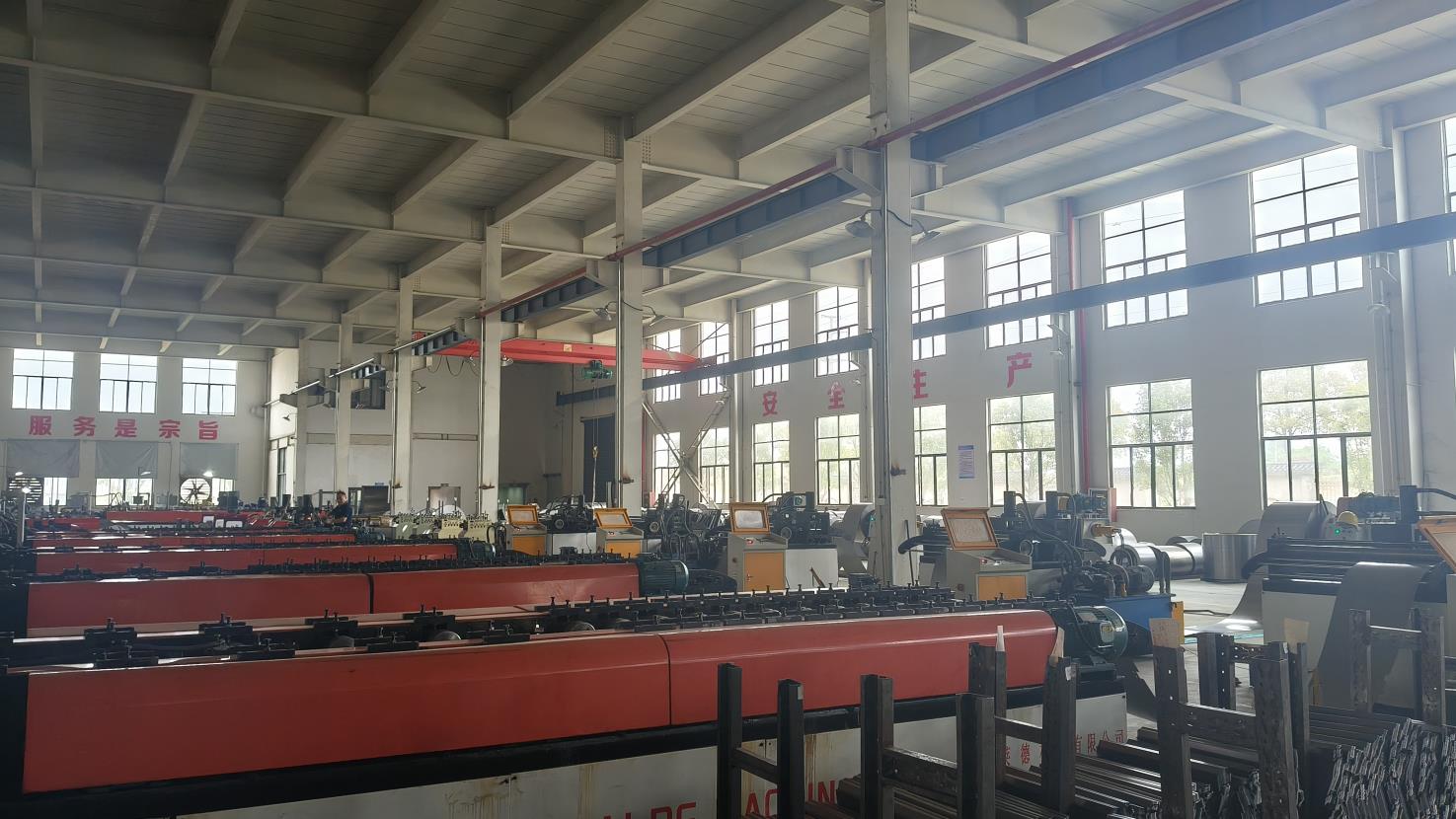
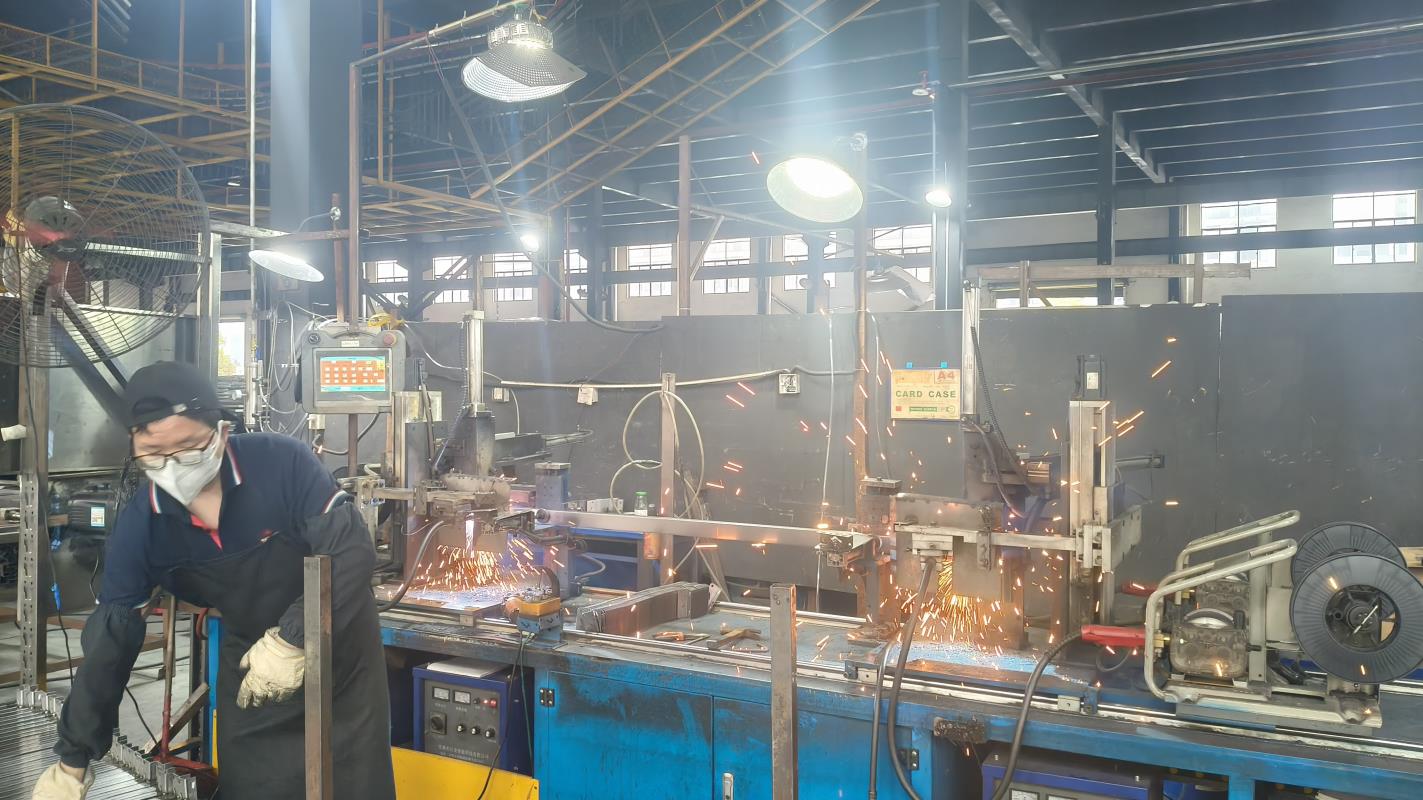
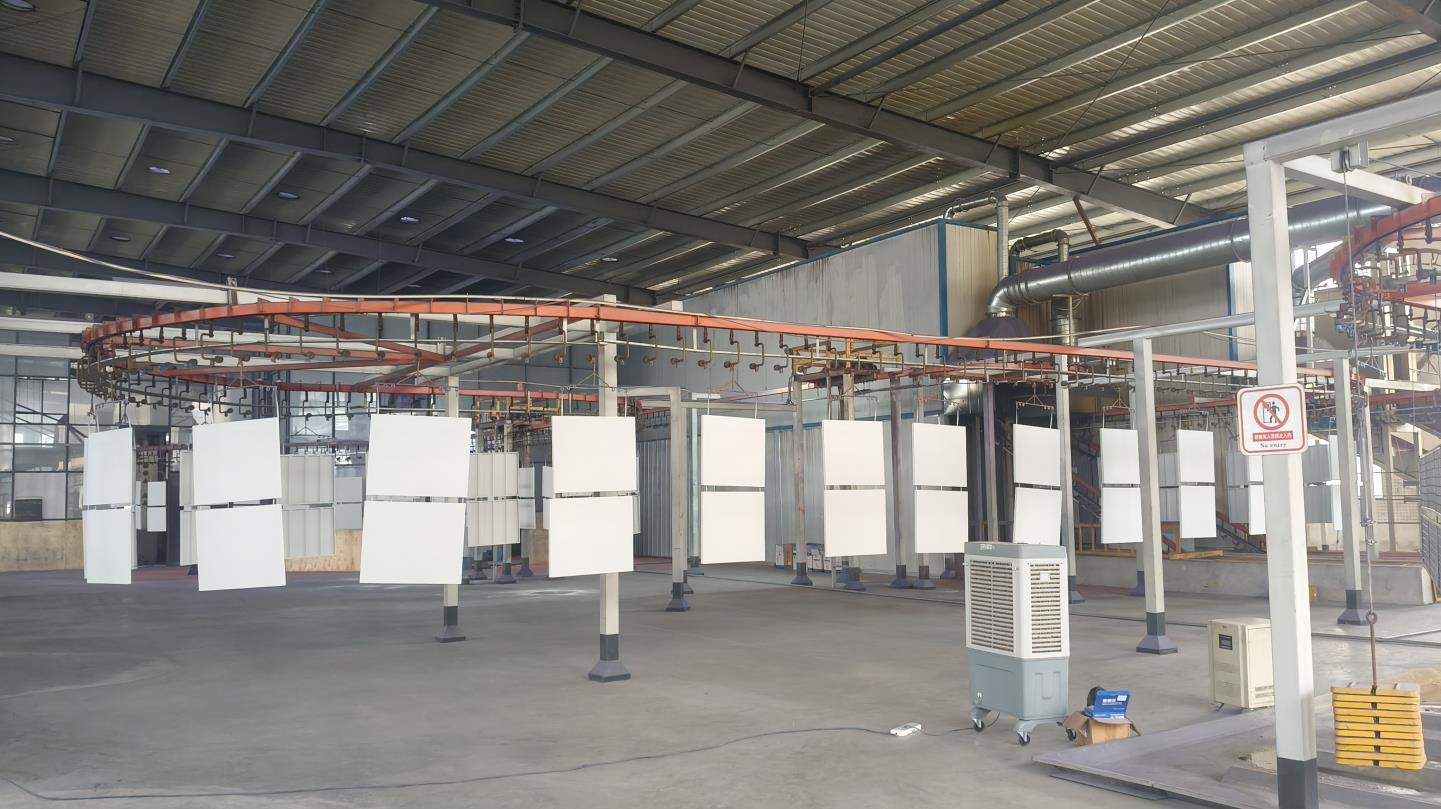


As a global exporter, LogiSteel maintains an annual revenue exceeding 15 million USD. Our products are fully certified with European CE standards, assuring compliance with rigorous international safety regulations. For our clients in Mumbai and the wider Indian market, we provide direct ocean transport coordination to JNPT, complete customs preparation documents, and structural assembly guidelines. This ensures a smooth integration process from our manufacturing plant right to your facility floor.
Premium heavy-duty and automated storage systems designed for demanding logistics infrastructures
Technical solutions to common operational and engineering challenges in high-density warehouse racking
Due to high coastal humidity and saline environments, standard steel finishes rust quickly. Guangzhou LogiSteel treats all uprights, rails, and bracing through an intensive multi-stage pre-treatment process before applying electrostatic epoxy powder coating. This prevents rust, maintains structural strength, and keeps surfaces clean over years of use.
Yes. Our systems are engineered in compliance with global standards (like EN 15512). During custom design, we calculate structural profiles based on Mumbai's Seismic Zone III requirements. This involves using thicker upright bases, strong anchor bolts, and horizontal/vertical bracing plans to ensure stability during movements.
Manufacturing takes between 15 to 25 days depending on the project volume and customization needs. Shipping from Guangzhou port to JNPT in Mumbai takes approximately 14 to 18 days. We handle export documentation, shipping clearances, and provide detailed packaging lists to simplify customs processing.
We incorporate structural safety designs, such as heavy-duty steel column protectors at the entry of every lane, guide rails on the floor to direct the forklift, and bright entry tags. The drive-in rails also feature tapered entries to guide pallets safely into place, protecting both the racking and the products.
Yes. Our heavy-duty upright frames feature variable pitch designs, allowing you to adjust the height of the support rails in increments of 50mm or 75mm. This gives you the flexibility to adapt to changing inventory sizes without replacing the entire racking structure.
We provide full structural drawings, detailed 3D installation layouts, and step-by-step assembly guides. For large warehouse projects in Mumbai, Bhiwandi, and neighboring industrial hubs, we can coordinate with local installation teams or send an engineering supervisor to guide the process and verify safety protocols.
 LogiSteel Racking