Premium warehouse storage structures selected for high-throughput logistics hubs and space optimization projects.
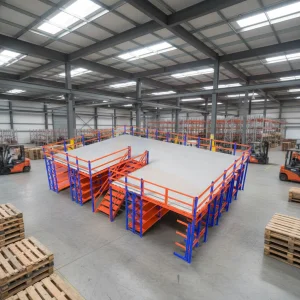
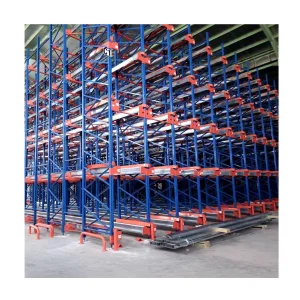
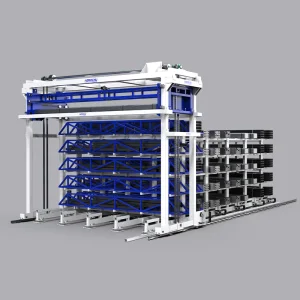
The Greater Tokyo Area, encompassing Kanagawa, Chiba, and Saitama, represents one of the most densely populated economic zones globally. The logistics landscape in Tokyo is defined by high land acquisition costs, a severe shortage of available flatlands near major logistics nodes like the Tokyo Bay, and the absolute necessity for structural configurations that can withstand severe seismic activities. Traditional selective racking systems, while versatile, fail to optimize the height-to-footprint ratio required by today’s distribution metrics.
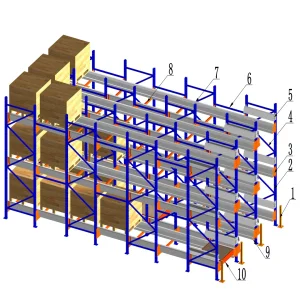
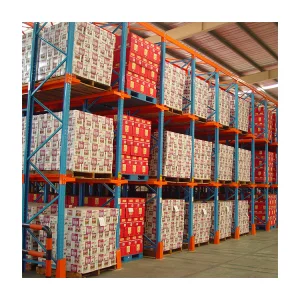
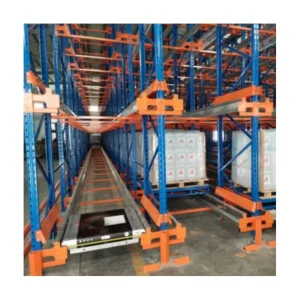
As a leading manufacturer of high-density Drive-In racking and Radio Shuttle systems, Guangzhou LogiSteel Racking Co., Ltd. addresses these acute challenges. Our products utilize advanced cold-rolled high-tensile steel to construct systems that optimize warehouse space by up to 75% compared to conventional layouts. High-density storage is no longer just an option; it is a structural mandate for businesses operating within Tokyo's logistics corridors.
With regulations placing caps on truck driver overtime in Japan, warehousing operations must become faster, more automated, and highly concentrated. Drive-in systems and automated shuttle racking reduce retrieval pathways, minimize forklift operations, and maximize the footprint of local fulfillment hubs.
When deploying structural pallet racks in Tokyo, conforming to the Japanese Building Standards Act (Kenchiku Kijun-hō) and Japanese Industrial Standards (JIS) is paramount. Racks must be engineered to resist high lateral shear forces generated during earthquakes.
Our manufacturing processes integrate seismic mitigation features including oversized baseplates, custom bracing nodes, high-grade floor anchoring bolts, and heavy-duty top tie beams. We verify our steel material thickness and yield strength under stringent test conditions, ensuring each upright frame can carry the designed payload even under horizontal seismic loads. By using finite element analysis (FEA), we custom design and manufacture racking systems for Tokyo’s seismic zone 1 requirements.
Whether your facility is located in Ota-ku, Koto-ku, or the coastal industrial parks of Kawasaki and Yokohama, our engineering team ensures that the imported systems comply with municipal construction permits and safety requirements.
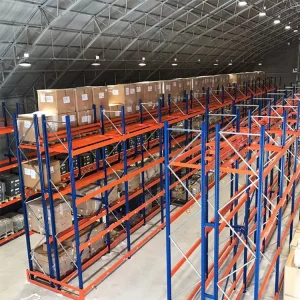
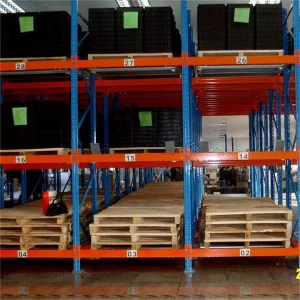
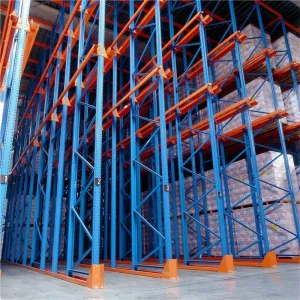
Heavy-duty solutions built to withstand heavy loads and dynamic seismic environments.
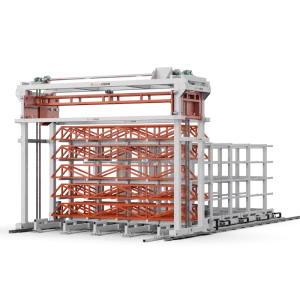
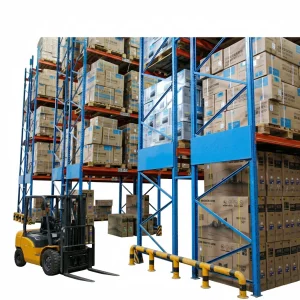
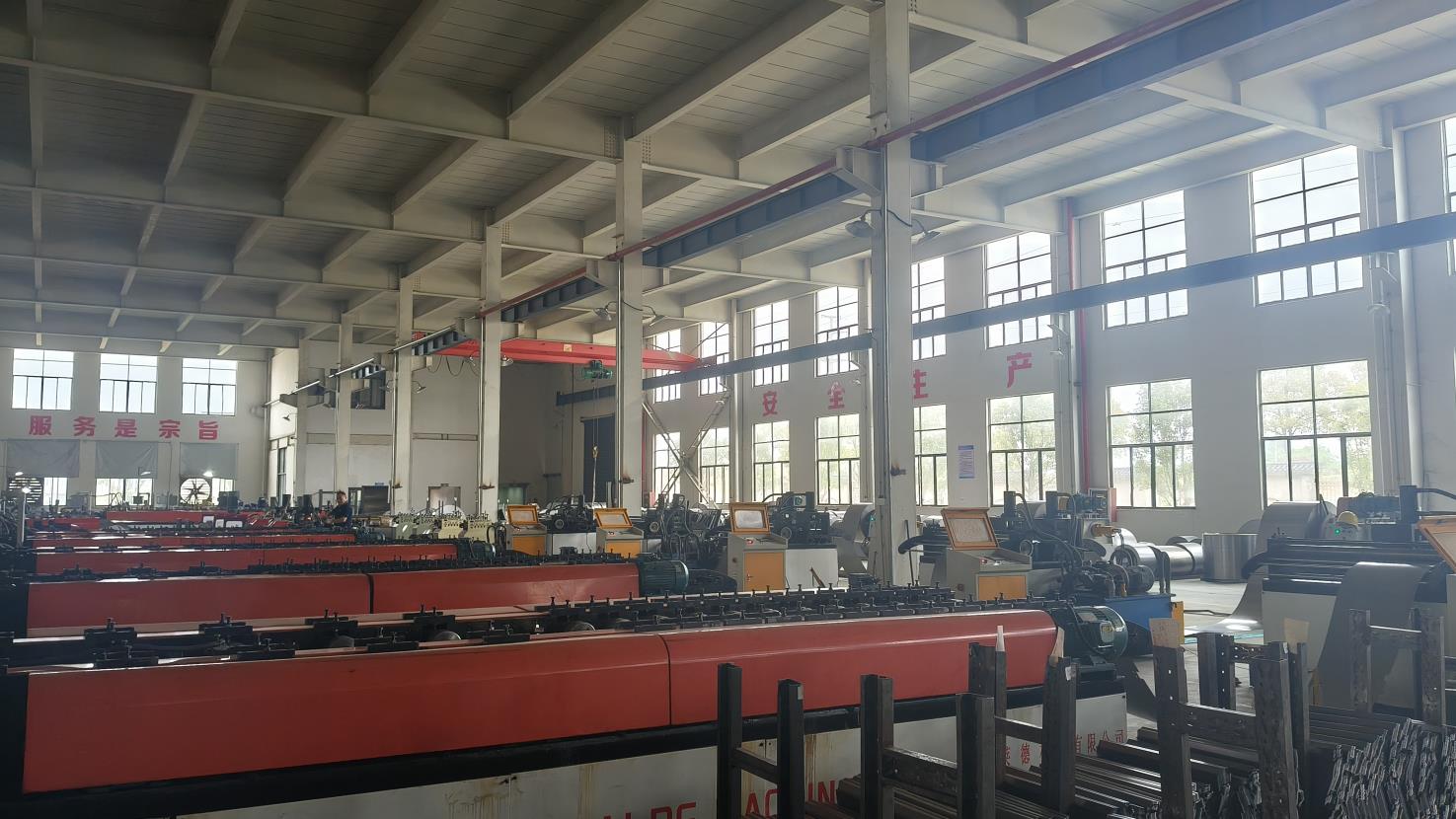
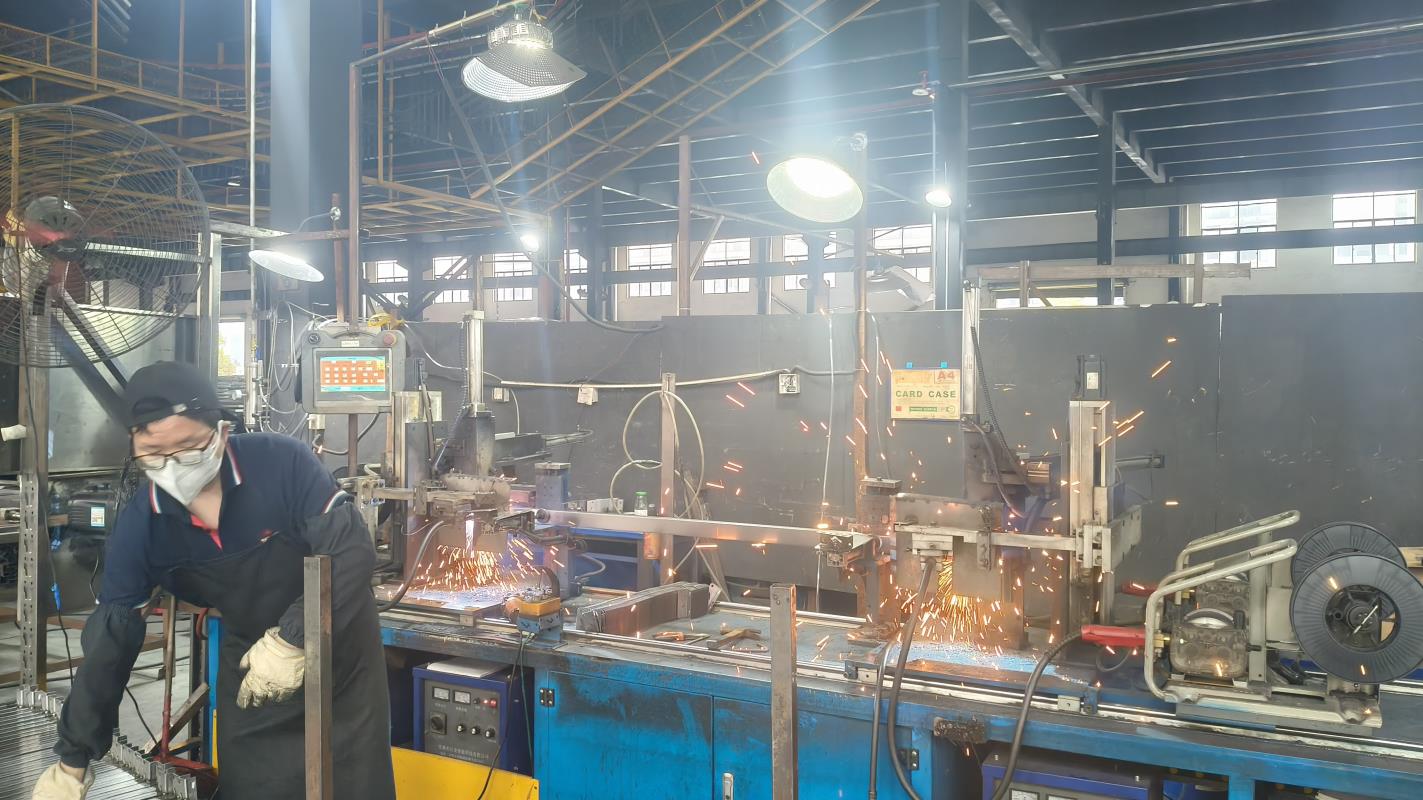
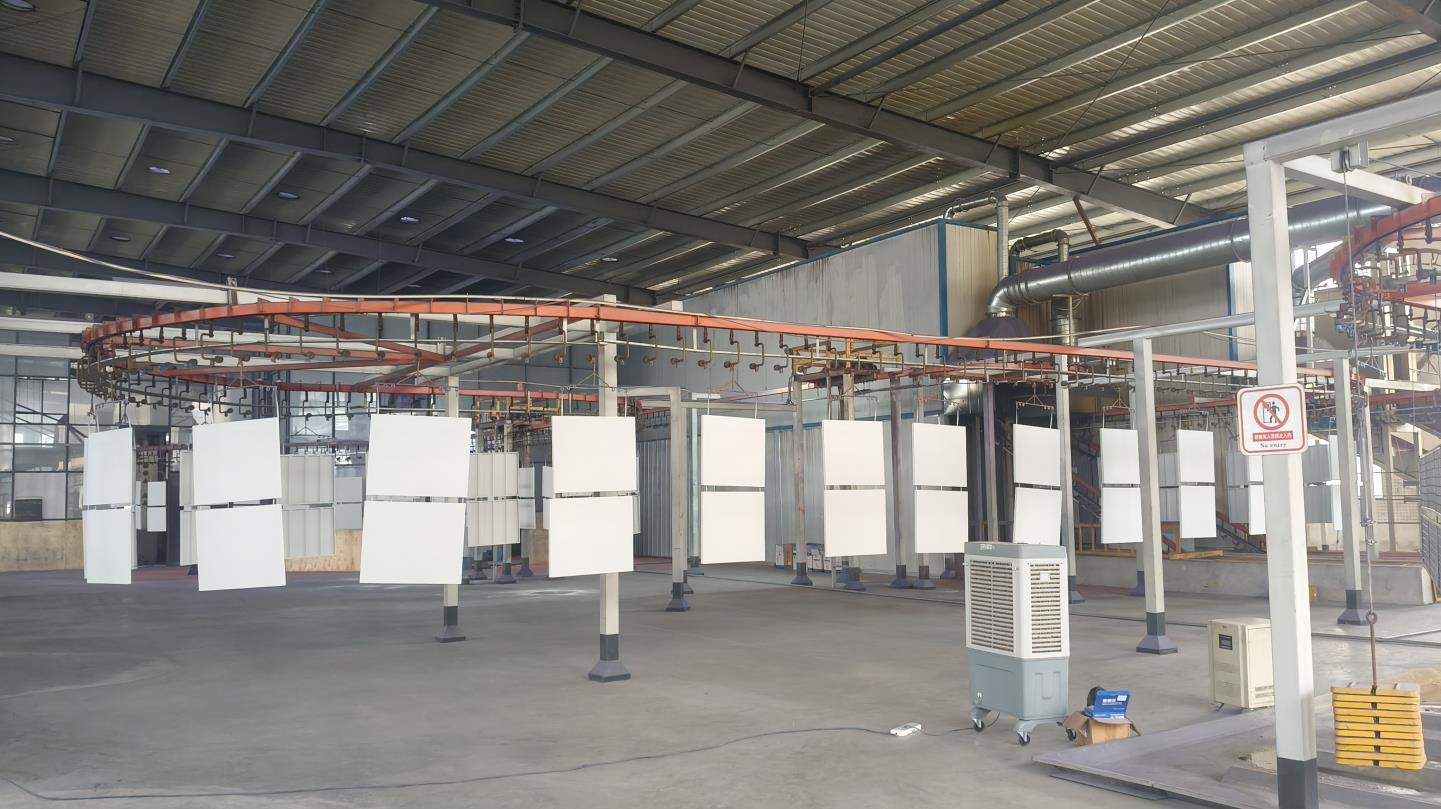
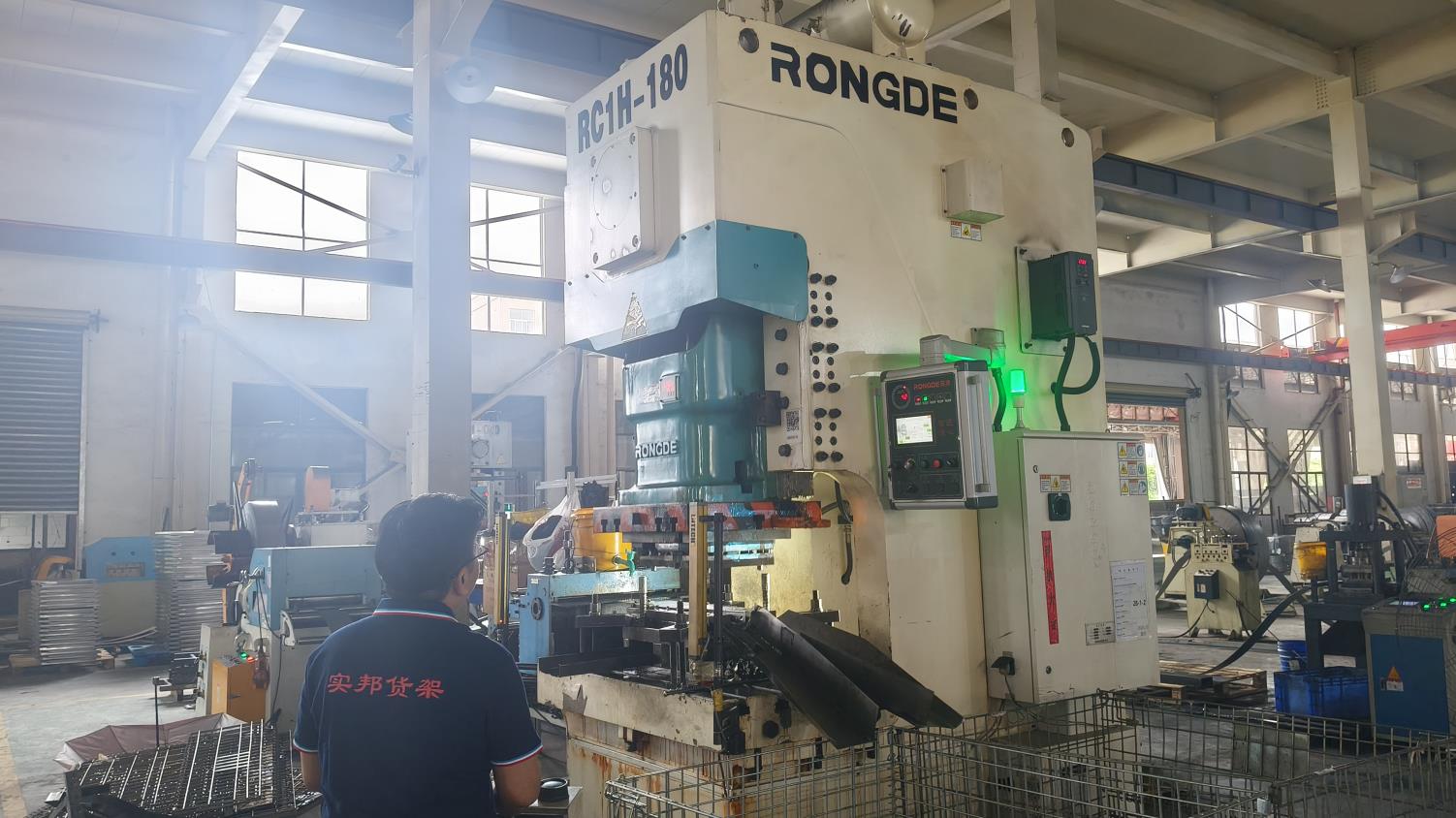
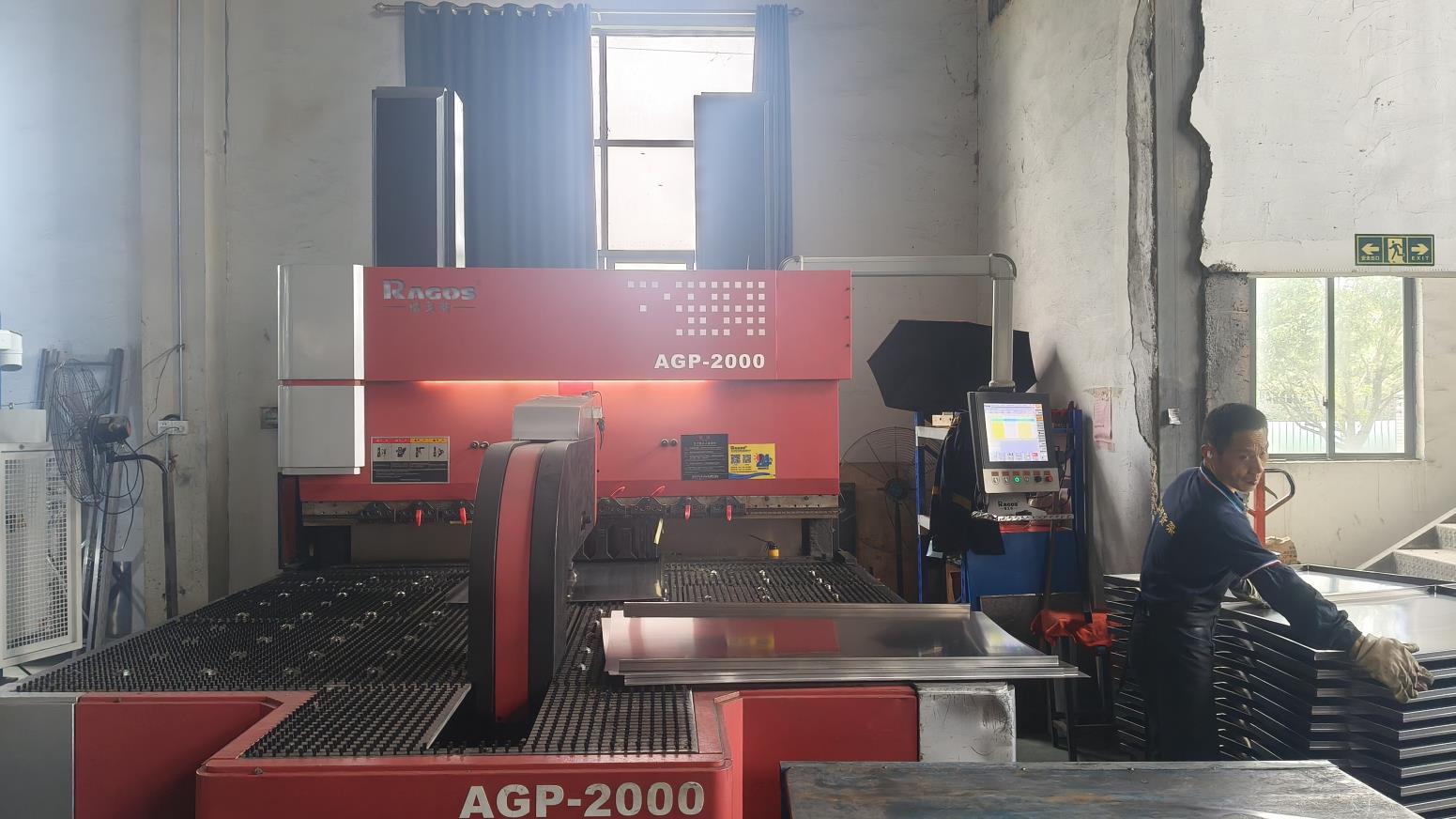
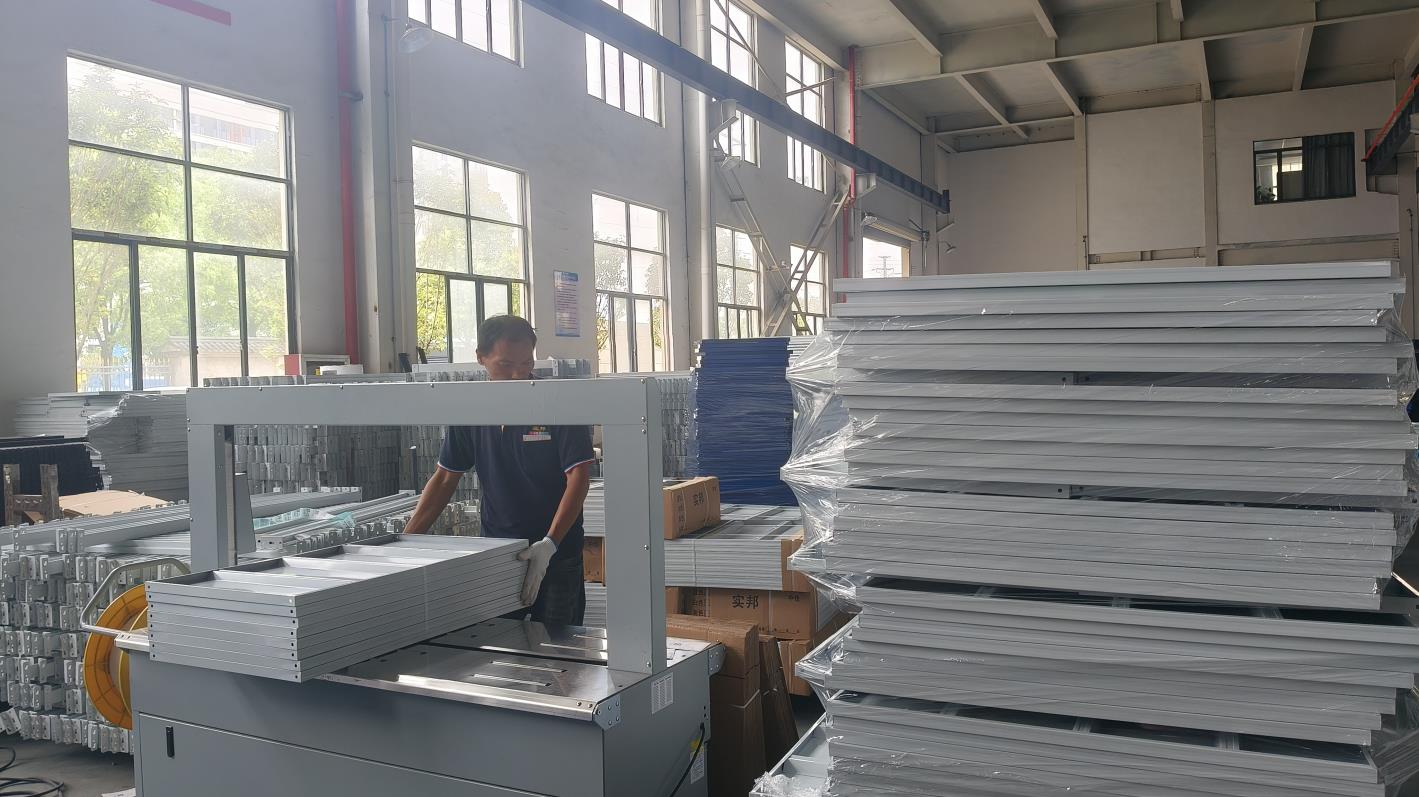
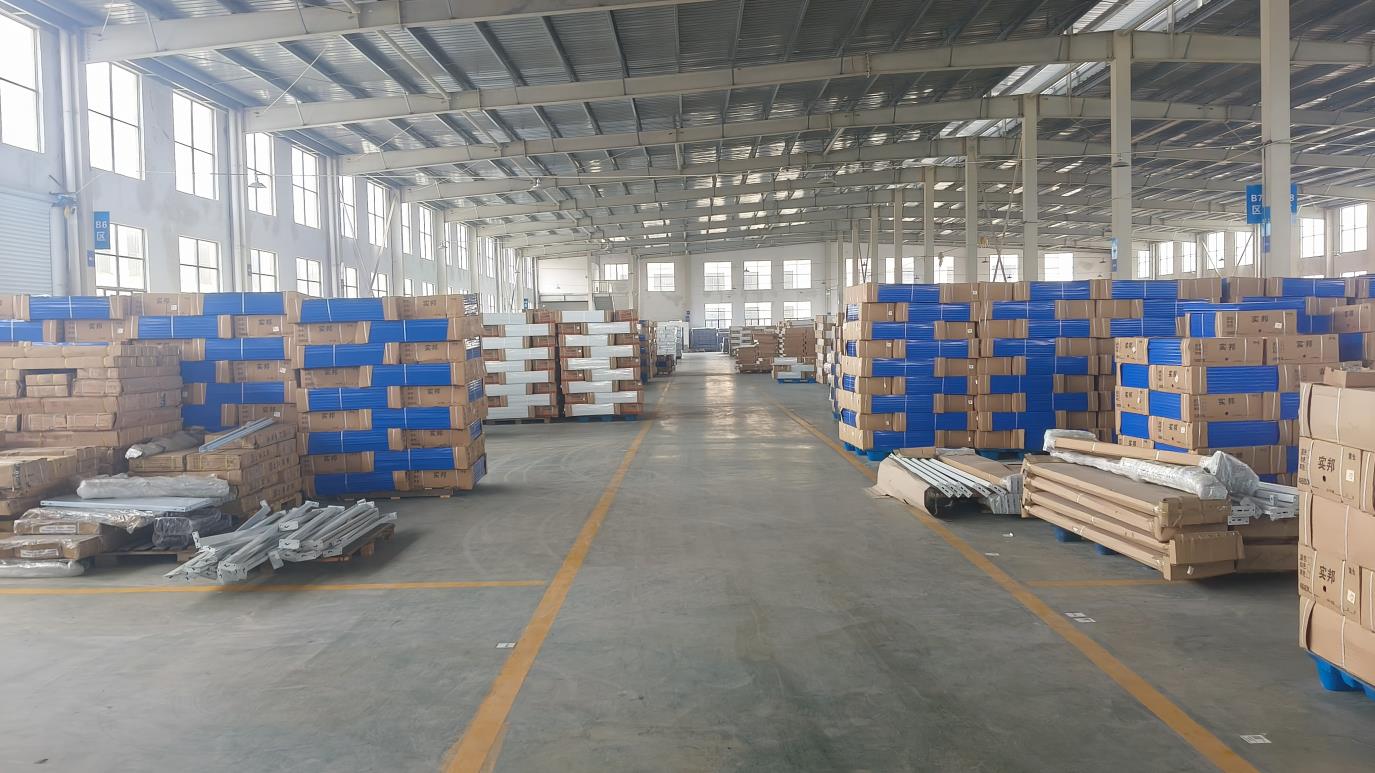
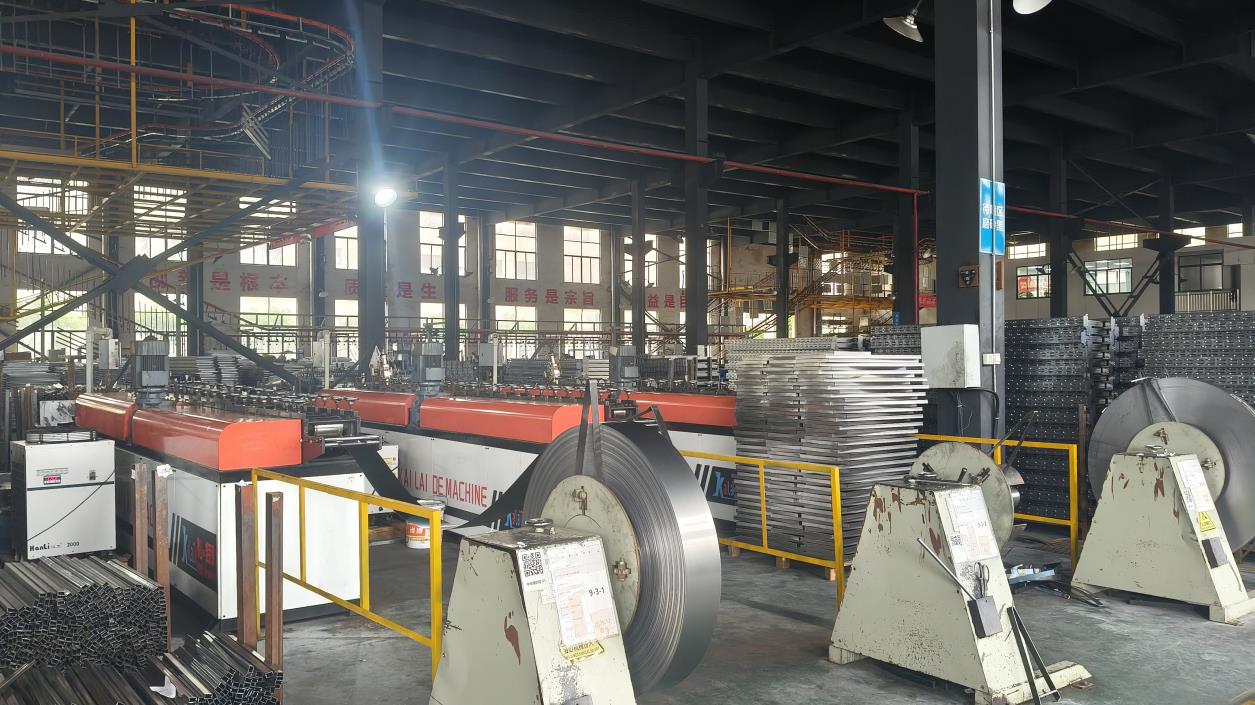
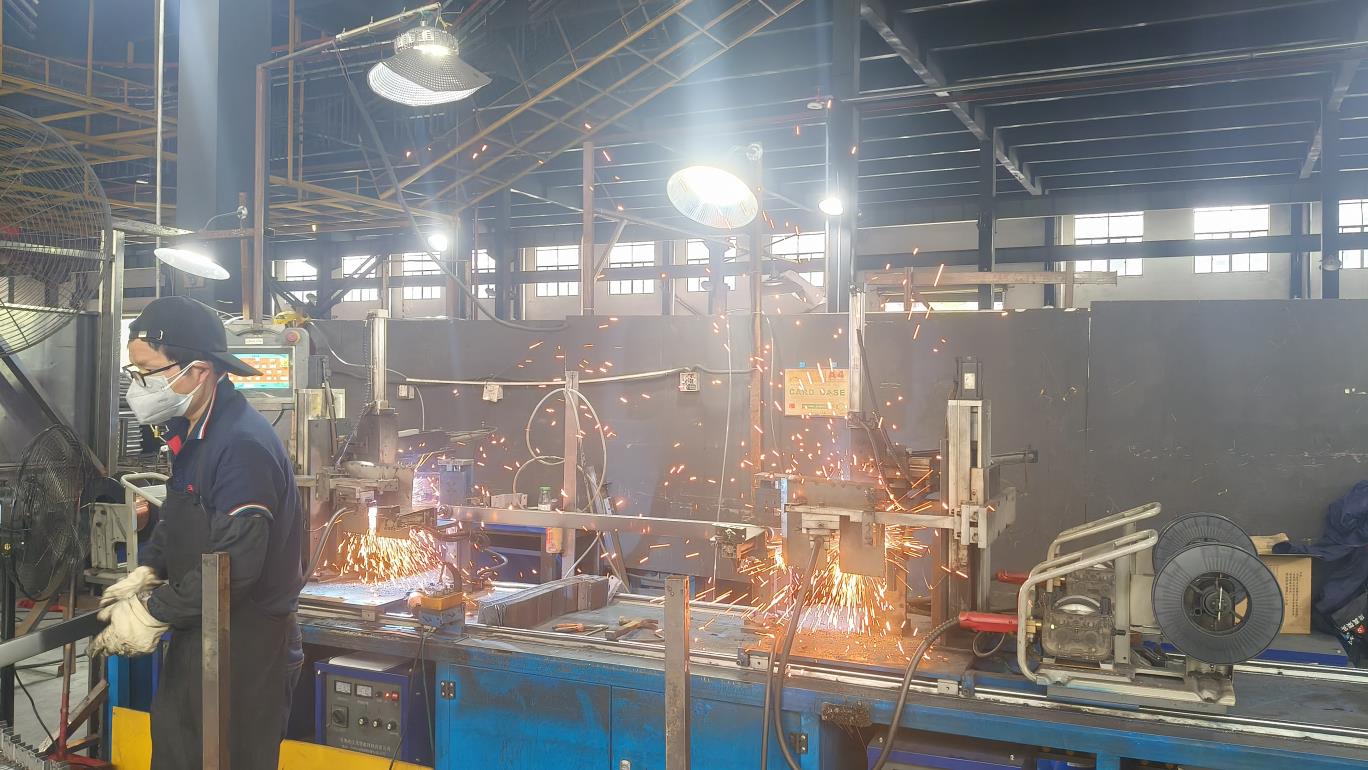
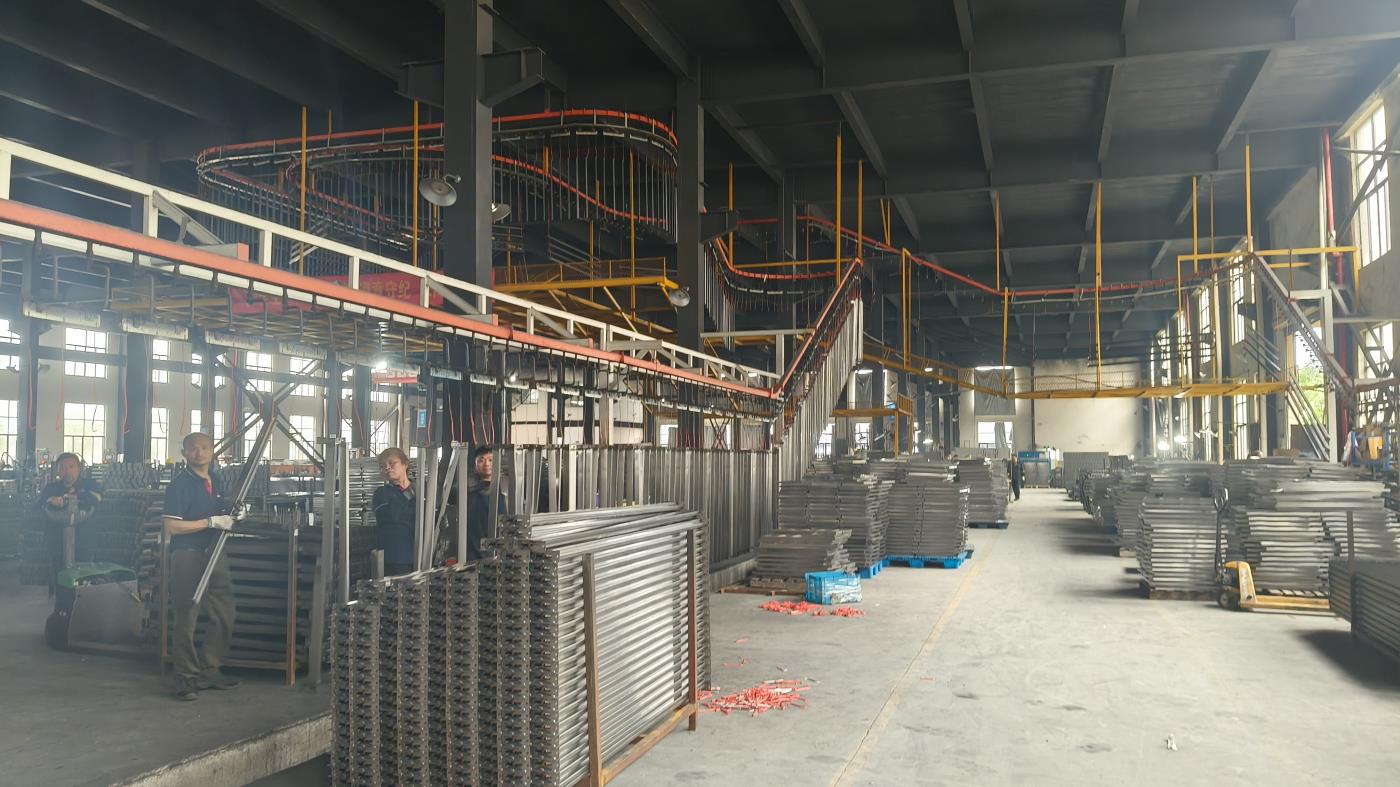
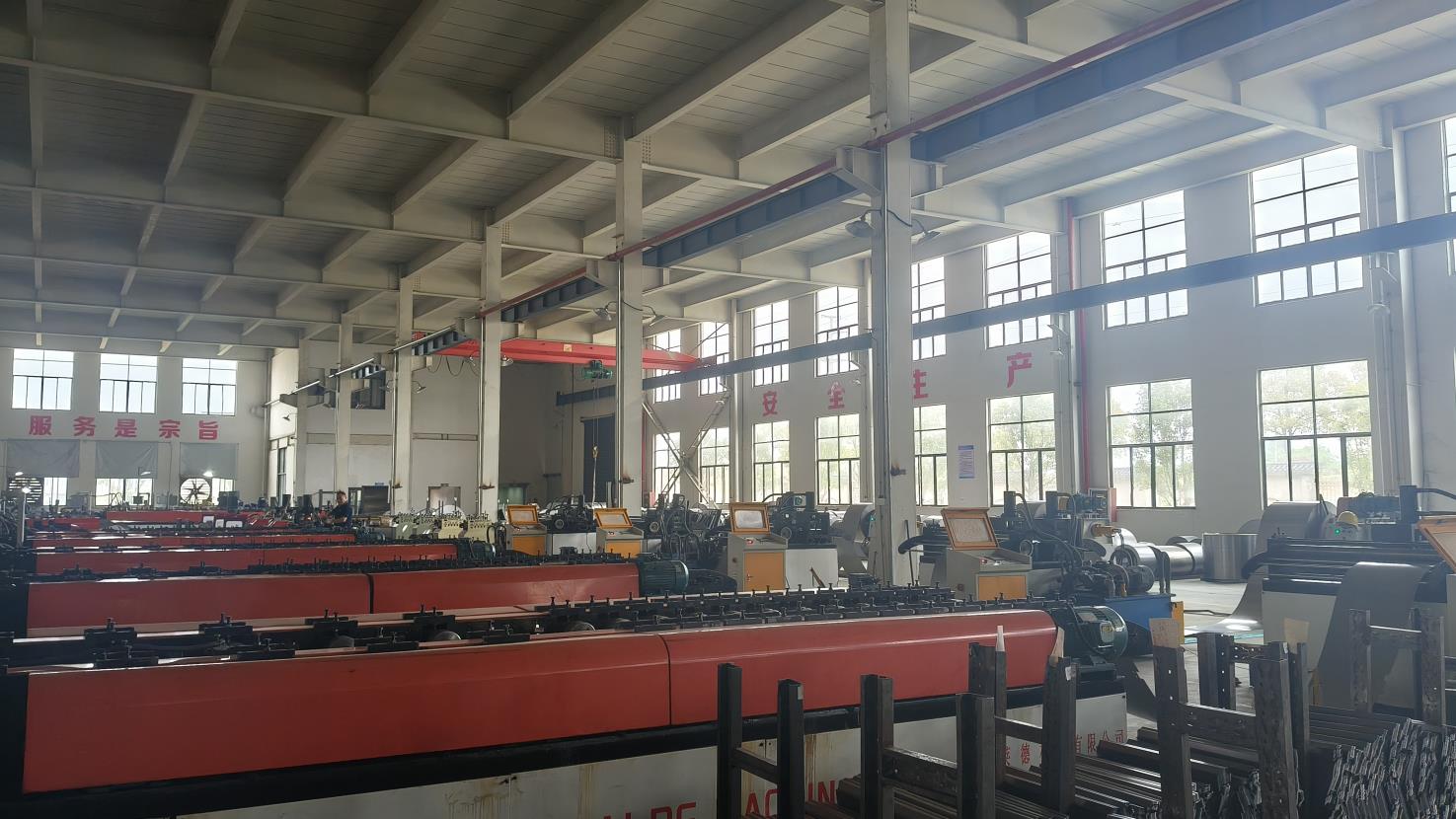
A closer look inside our 15,000+ sqm factory, utilizing robotic processing and CNC engineering to ensure reliability.
At Guangzhou LogiSteel Racking Co., Ltd., we understand that structural integrity starts at the factory floor. Our manufacturing base utilizes high-precision CNC tube cutting saws, multi-point tube punching machines, heavy plate bending machines, and fully automated roll-forming production lines. These technical integrations allow us to manufacture racking profiles with dimensional tolerances within fractions of a millimeter—vital for automatic shuttle alignments and trouble-free forklift operation.
Our surface treatment facility features an automatic eco-friendly epoxy powder coating line. The multi-stage pretreatment process cleans and phosphating the steel surface, ensuring maximum adhesion. This results in high corrosion resistance, vital for Tokyo’s coastal warehouses and sub-zero cold chain facilities.

In the globalized industrial landscape, racking is no longer static storage; it is dynamic infrastructure that controls inventory velocity. Drive-in systems operate on the LIFO (Last-In, First-Out) principle, optimal for bulk storage of identical stock-keeping units (SKUs) such as raw food ingredients, industrial chemicals, or manufacturing profiles.
With an annual export volume exceeding 15 million USD, LogiSteel has provided material handling equipment to partners in Oceania, Europe, South America, and the Middle East. Our experience dealing with global trade regulations translates into streamlined customs clearing and freight handling for Japanese importers, facilitating direct delivery from our factory to the project site in the Kanto region.
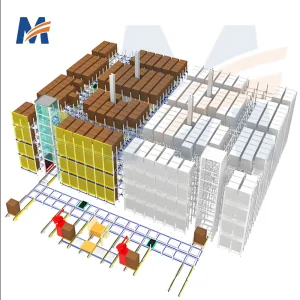
The future of storage systems in Tokyo lies in the hybrid deployment of Drive-In designs integrated with Automated Storage and Retrieval Systems (ASRS) and PLC-controlled Radio Shuttles. This combination preserves the low-cost structural frame of standard racking while introducing the automated retrieval efficiency of robotic shuttles.
LogiSteel is actively developing next-generation intelligent racking setups that incorporate IoT deflection sensors. These sensors monitor load stress and structure deviations in real-time, sending immediate alerts to warehouse management software if an impact occurs—crucial for warehouse managers in seismic-prone zones to maintain worker safety and structural compliance.
Deploy high-density automated structures and heavy-duty steel platforms to optimize your footprint.
Get professional answers from our engineering directors regarding safety, installation, and optimization.
Get a customized high-density racking layout design and a competitive direct-manufacturer quote within 24 hours.
Send Inquiry Now LogiSteel Racking