Explore our top-tier heavy-duty industrial storage racks engineered for maximum payload integrity, durability, and optimized warehouse space efficiency.
Analyzing the macroscopic factors driving warehouse infrastructure modernization, automated storage integration, and structural safety regulations across major economic zones.
With the boom of cross-border e-commerce and cold chain pharmaceutical logistics, the demand for vertical storage density has skyrocketed. Modern distribution hubs require racking structures that maximize cubic space while meeting strict seismic engineering requirements.
Supply chain compliance officers now mandate European EN 15512 standards and American RMI specifications. High-quality manufacturers must leverage advanced materials like Q235B and Q355B cold-rolled steel, processed using state-of-the-art fabrication setups.
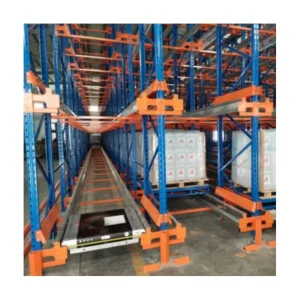
Traditional pallet racks are rapidly integrating with Automated Storage and Retrieval Systems (AS/RS). Modern manufacturing mills design systems that accommodate robotic shuttles, requiring millimeter-precision alignment and reliable anti-corrosive finishes.
As a global pioneer in material handling systems and retail display setups, Guangzhou LogiSteel Racking Co., Ltd. stands as a premier manufacturer in the utility storage domain. Spanning a state-of-the-art facility of over 15,000 square meters and employing more than 200 skilled operators and structural engineers, we bridge the gap between heavy industrial performance and cost-effectiveness.
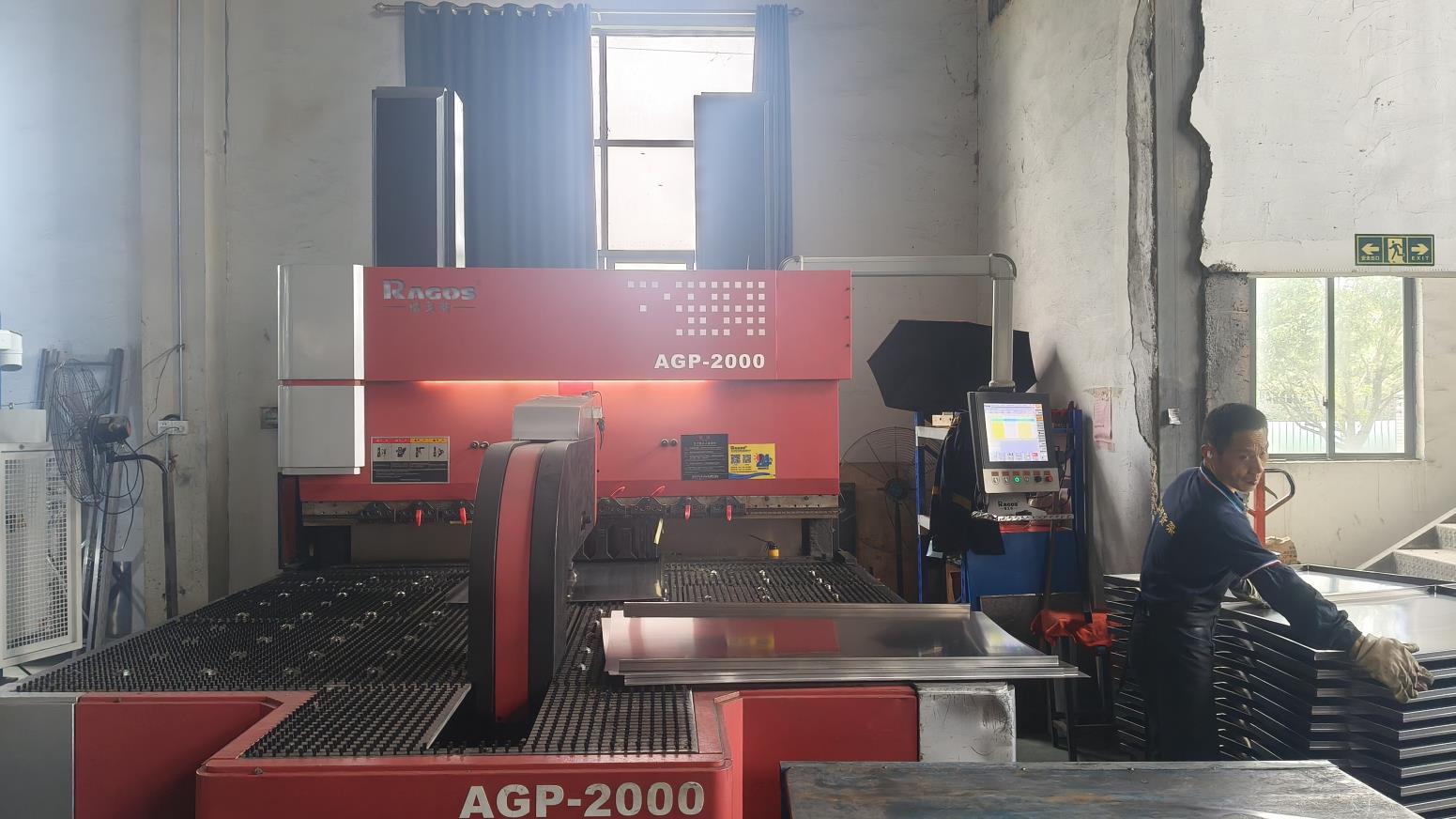
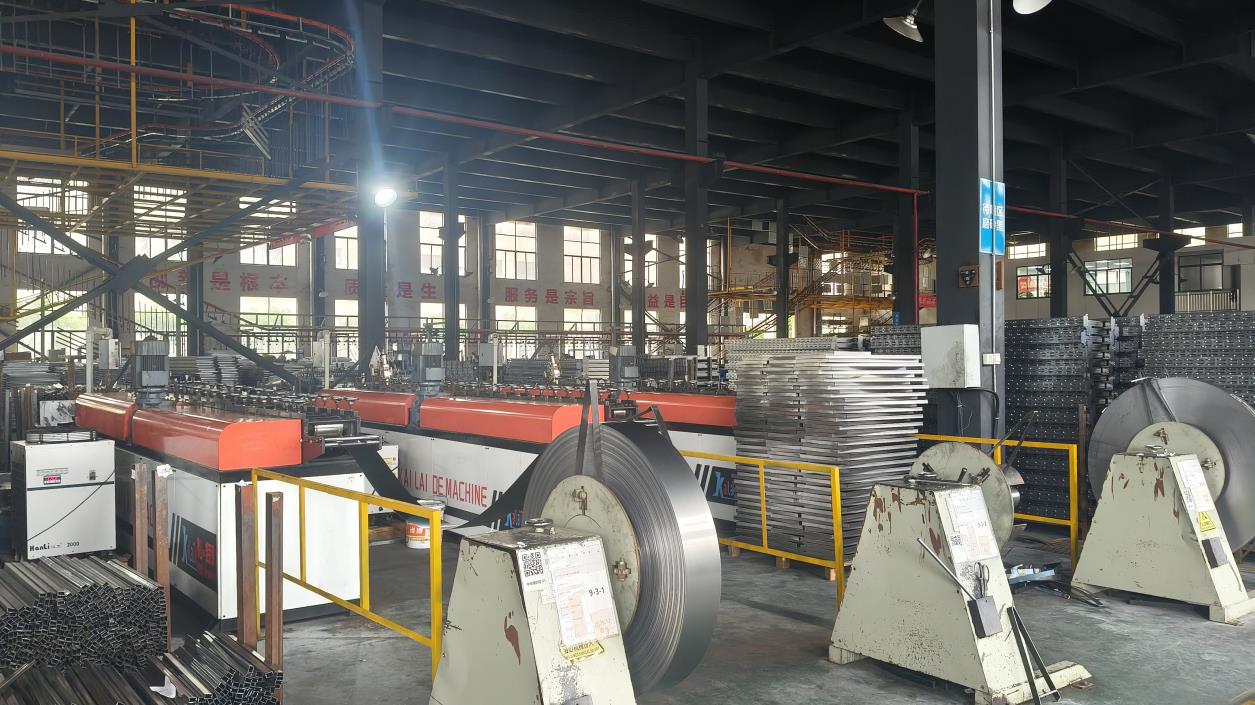
China's advanced manufacturing corridor offers unmatched supply chain consolidation. Our proximity to high-grade steel mills and integrated logistics centers in South China enables us to source raw materials, conduct CNC milling, laser cutting, automated folding, and electrostatic epoxy coating under a single, highly monitored roof. This vertical integration drastically lowers lead times and ensures structural reliability.
| Parameters | LogiSteel Standard Specifications | Industry Average |
|---|---|---|
| Steel Grade | Q235B / Q355B Premium Cold-Rolled | Standard Recycled Scrap Steel |
| Coat Thickness | 60 - 80 Microns (Epoxy Electrostatic) | 40 - 50 Microns (Liquid spray) |
| Precision Margin | ± 0.5 mm via Auto-punching | ± 1.5 mm to 2.0 mm (Manual) |
| Compliance | CE, AS4084, RMI Compliant | Basic localized testing only |
| Lifespan | 10+ Years under nominal load | 5 - 7 Years (prone to corrosion) |
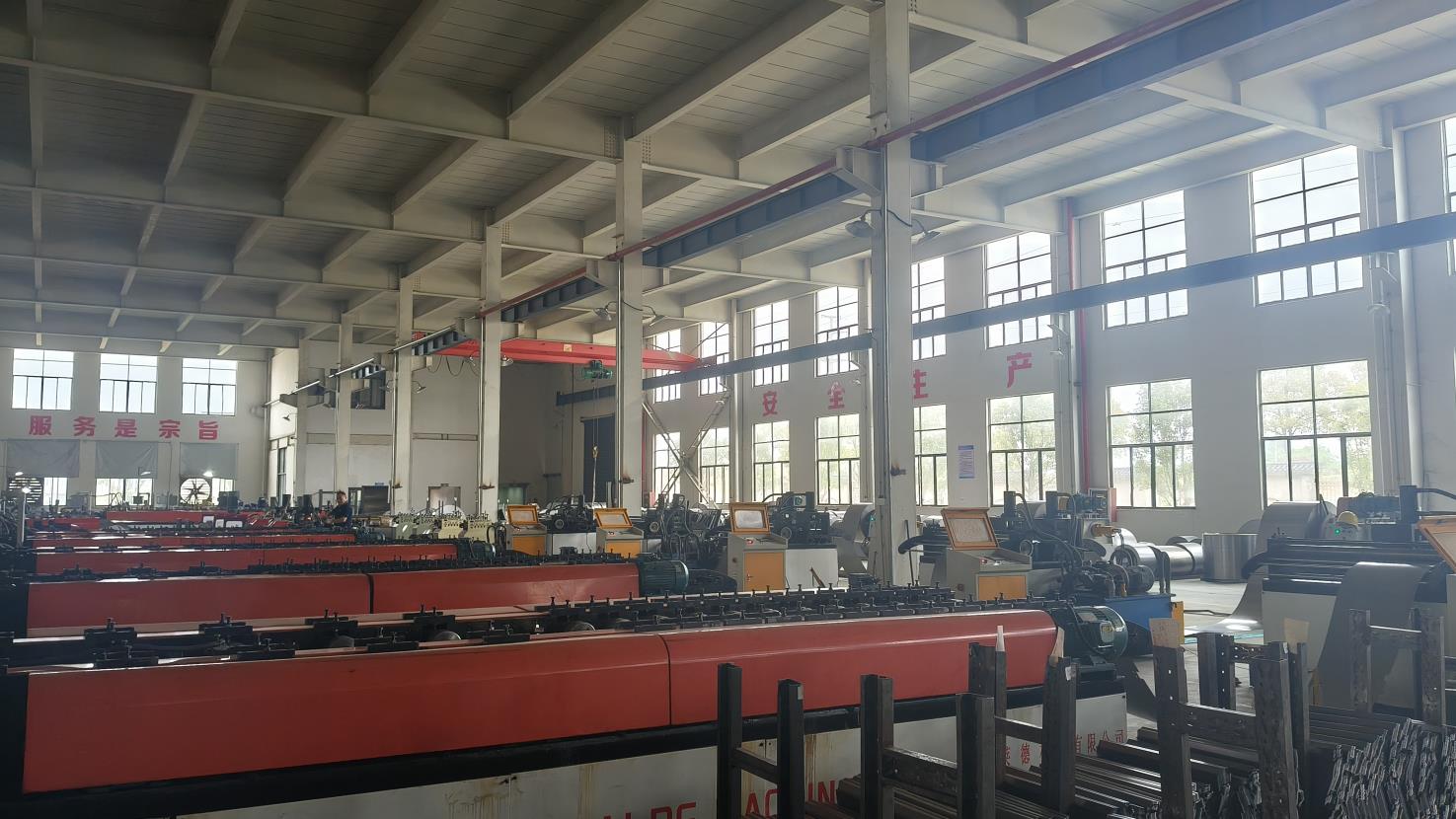
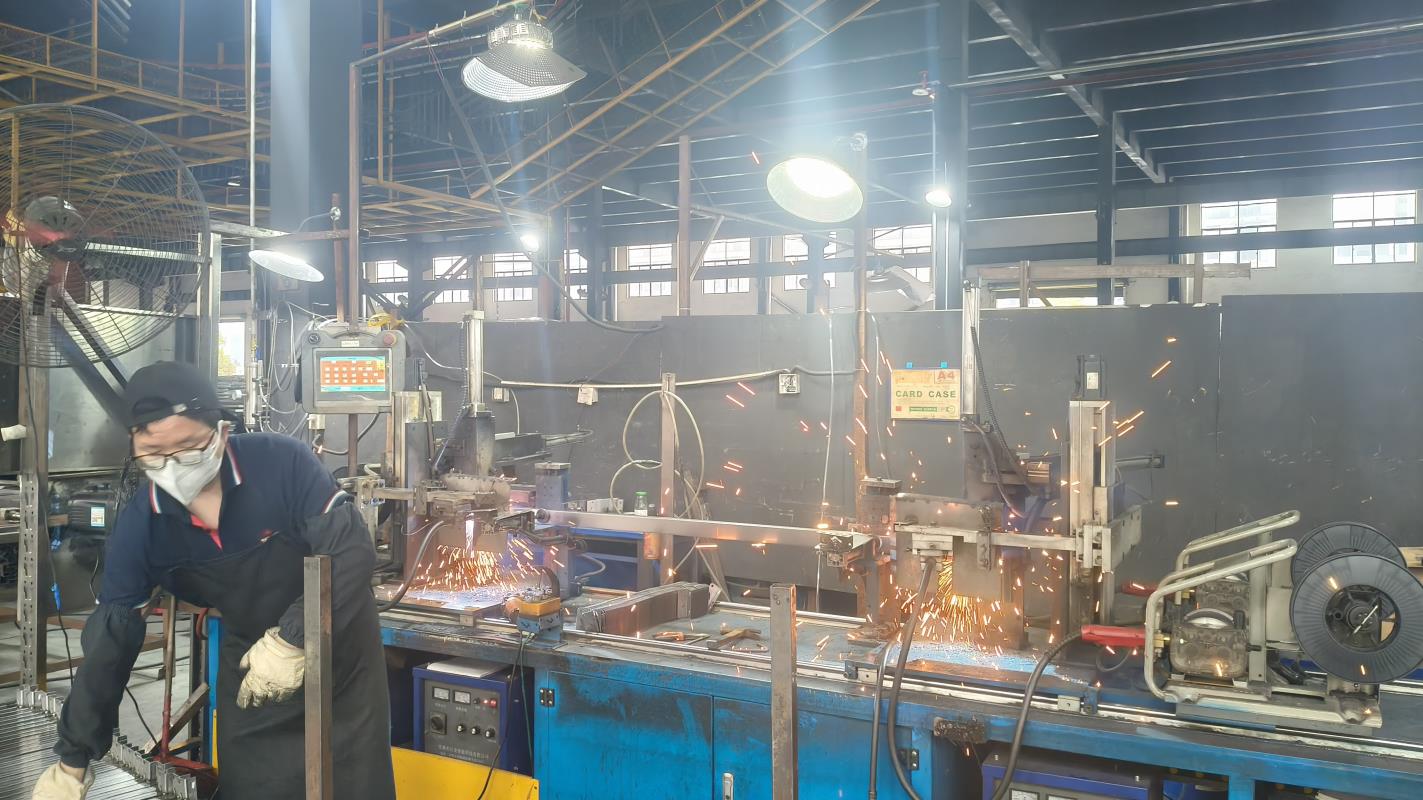
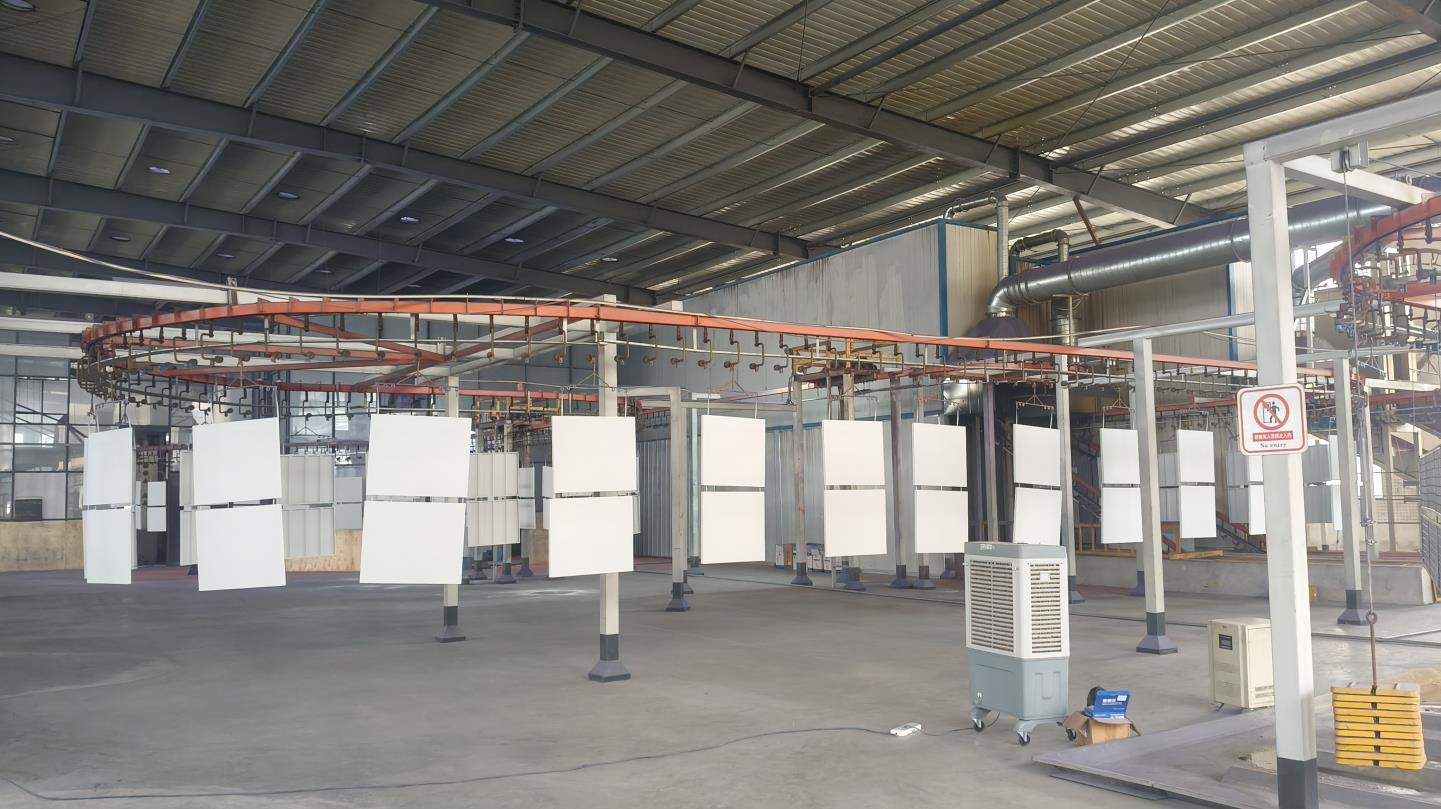
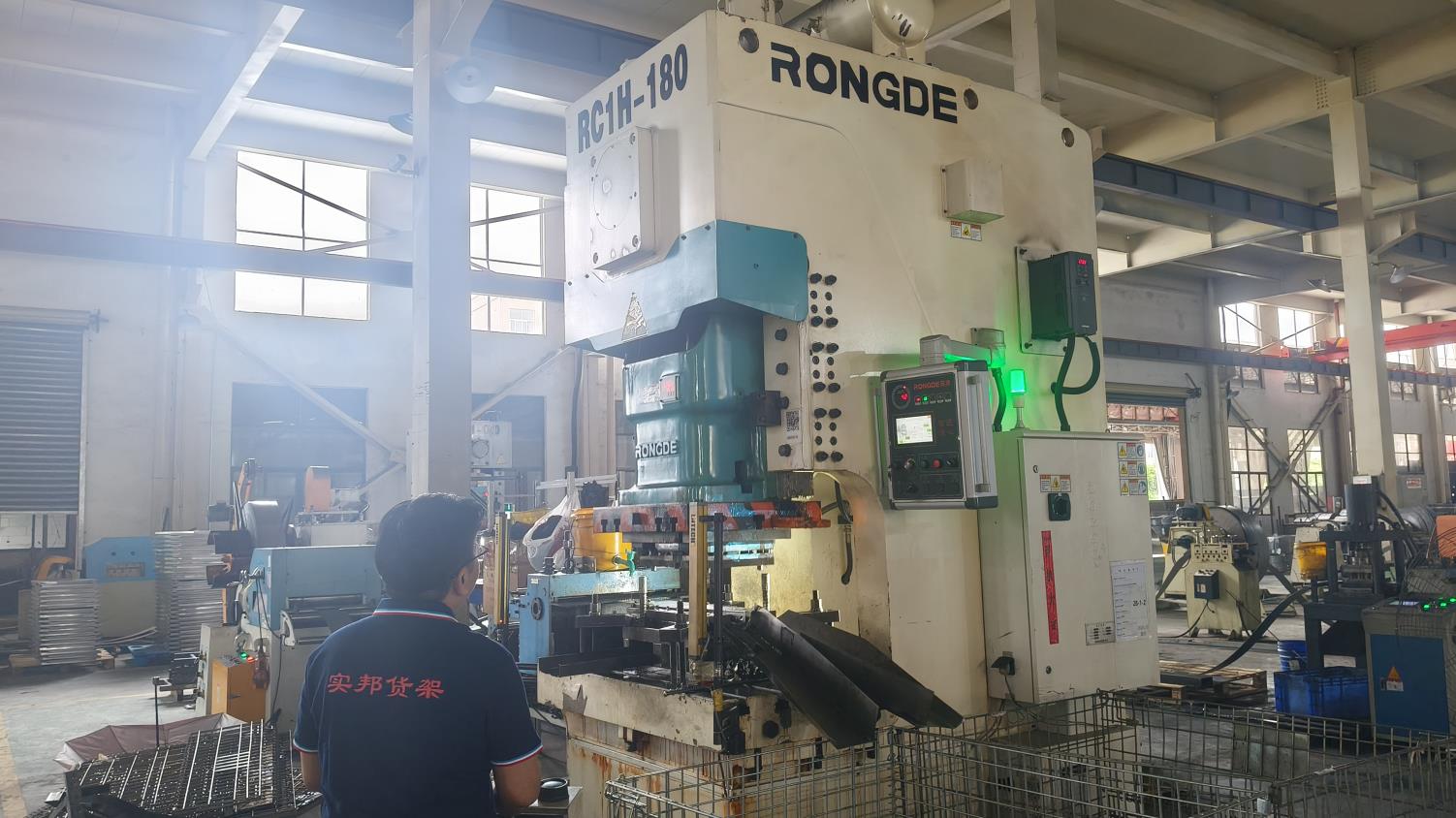
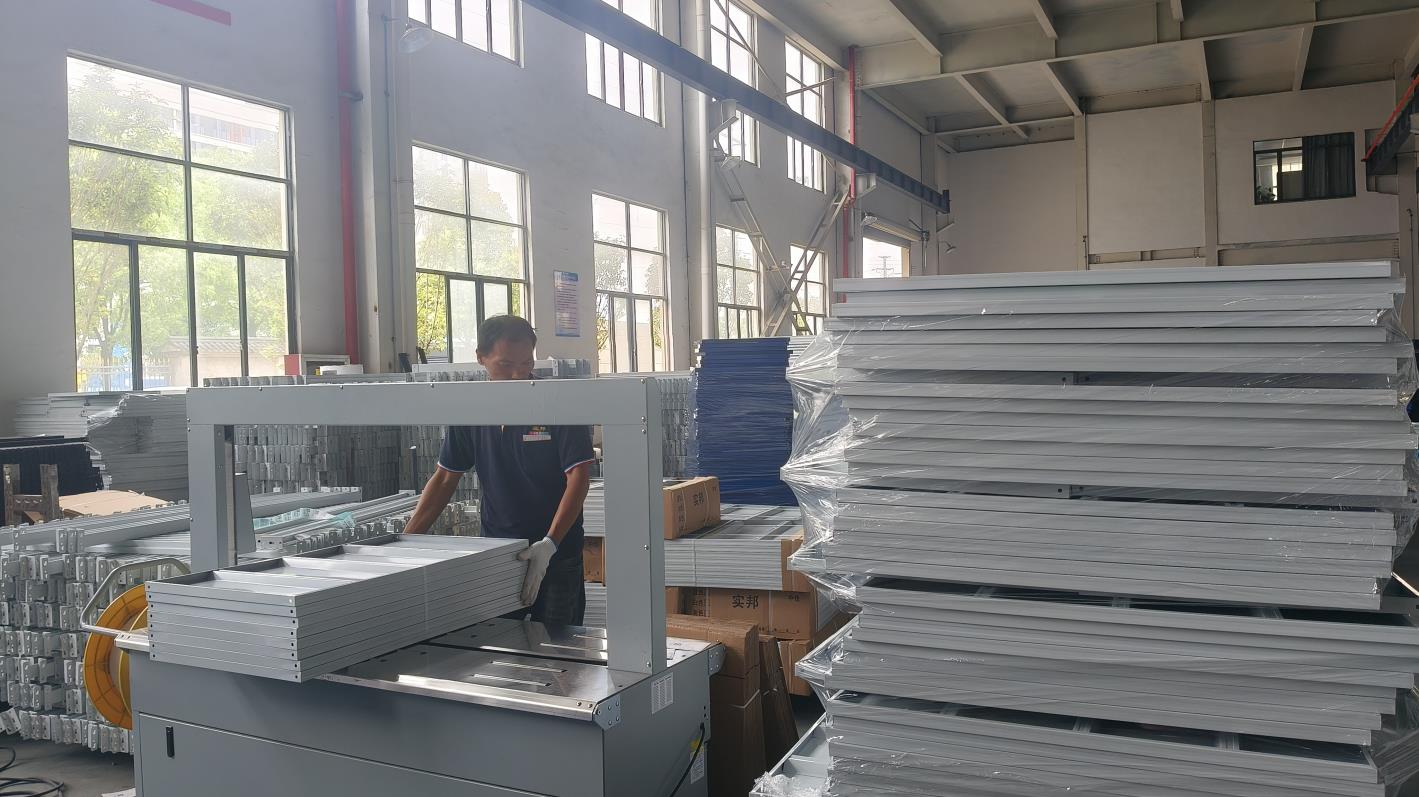
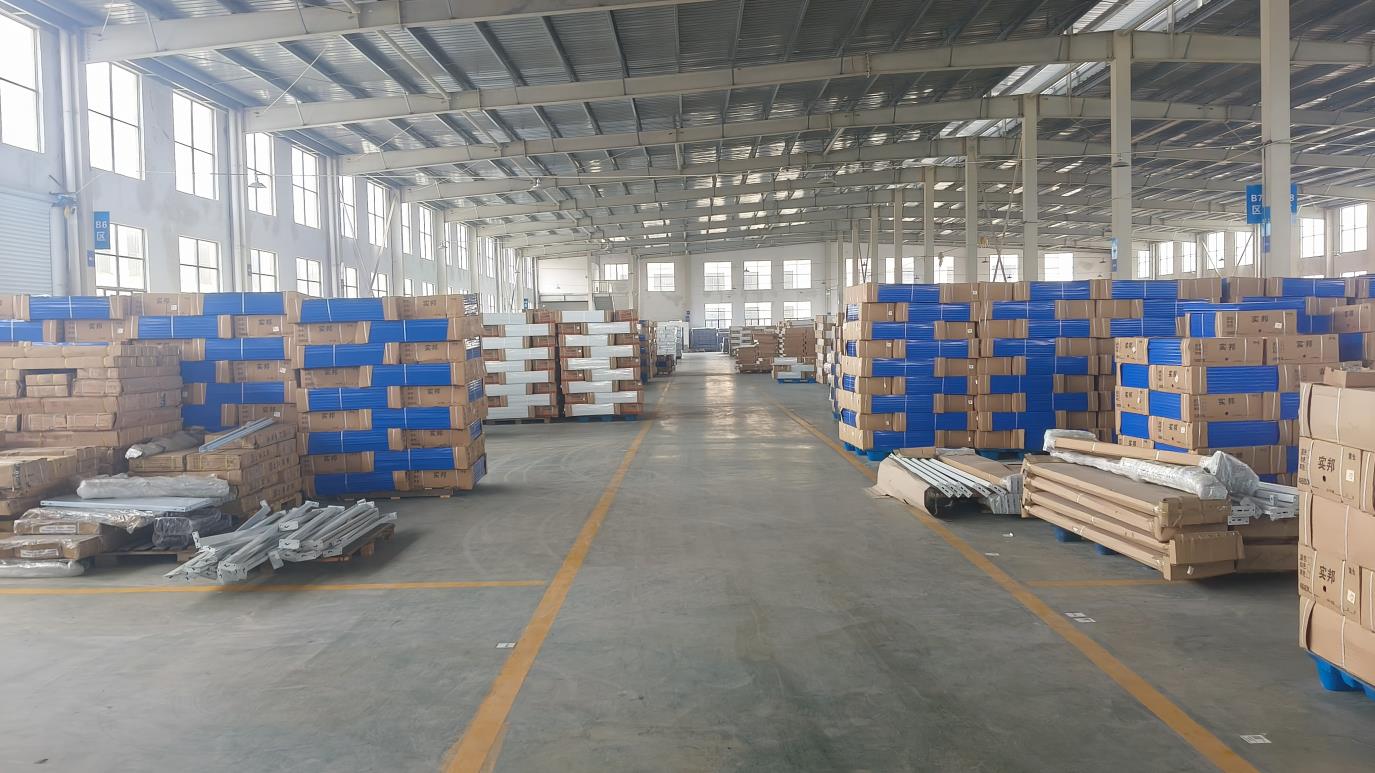
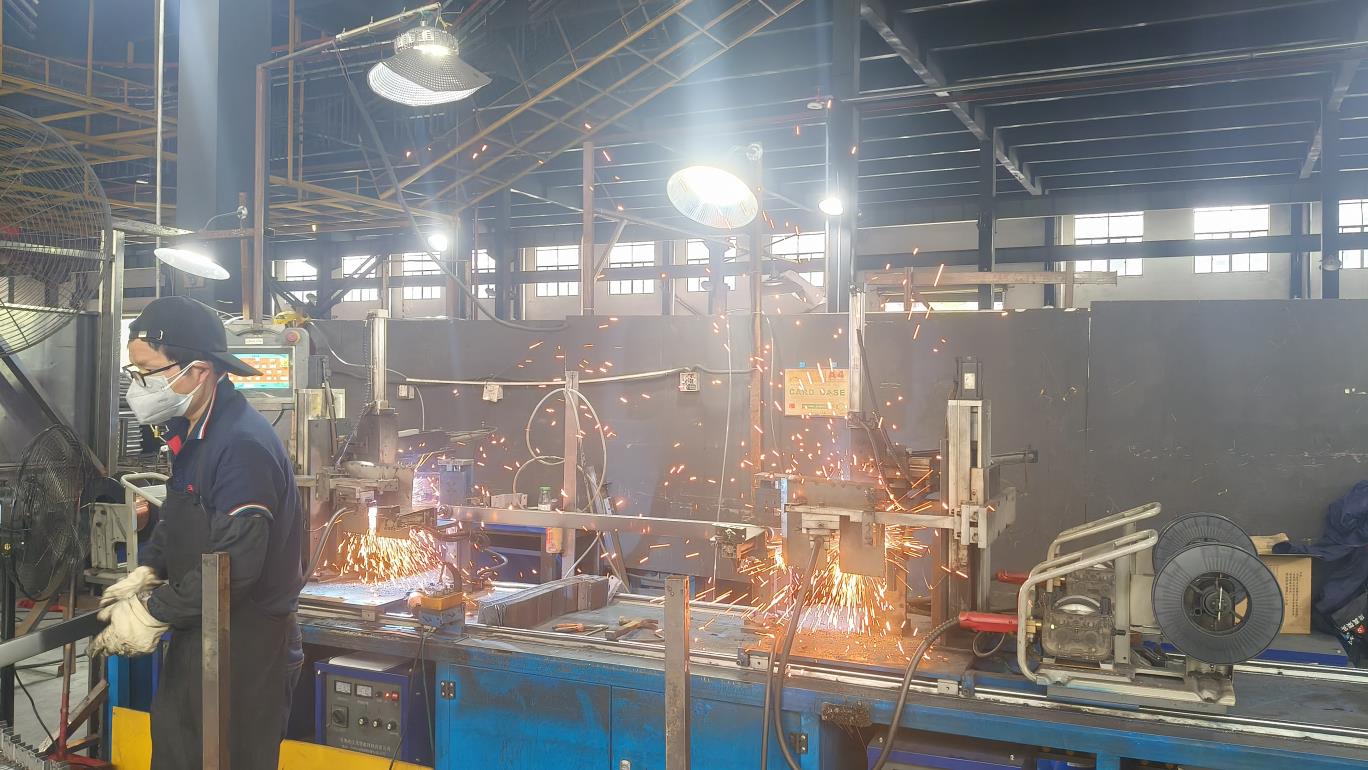
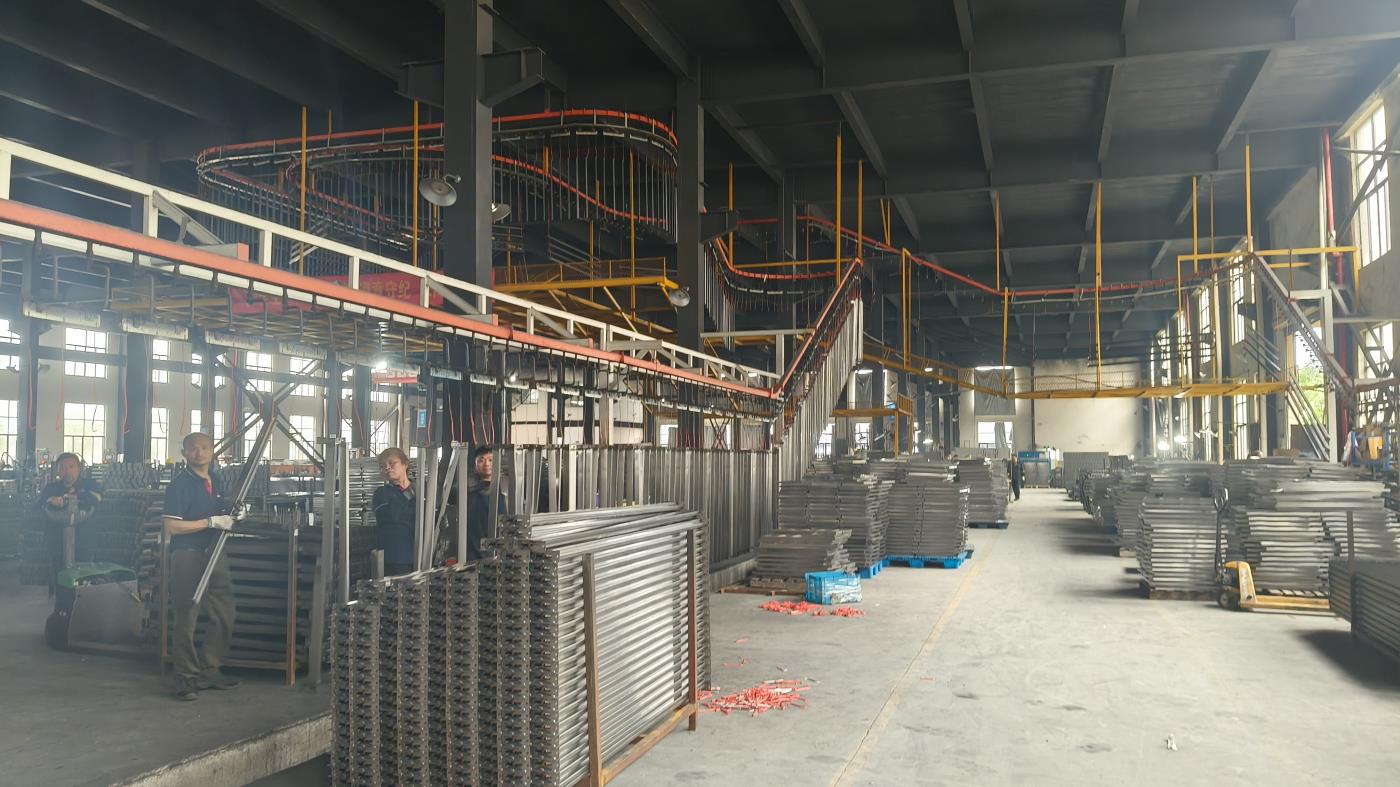
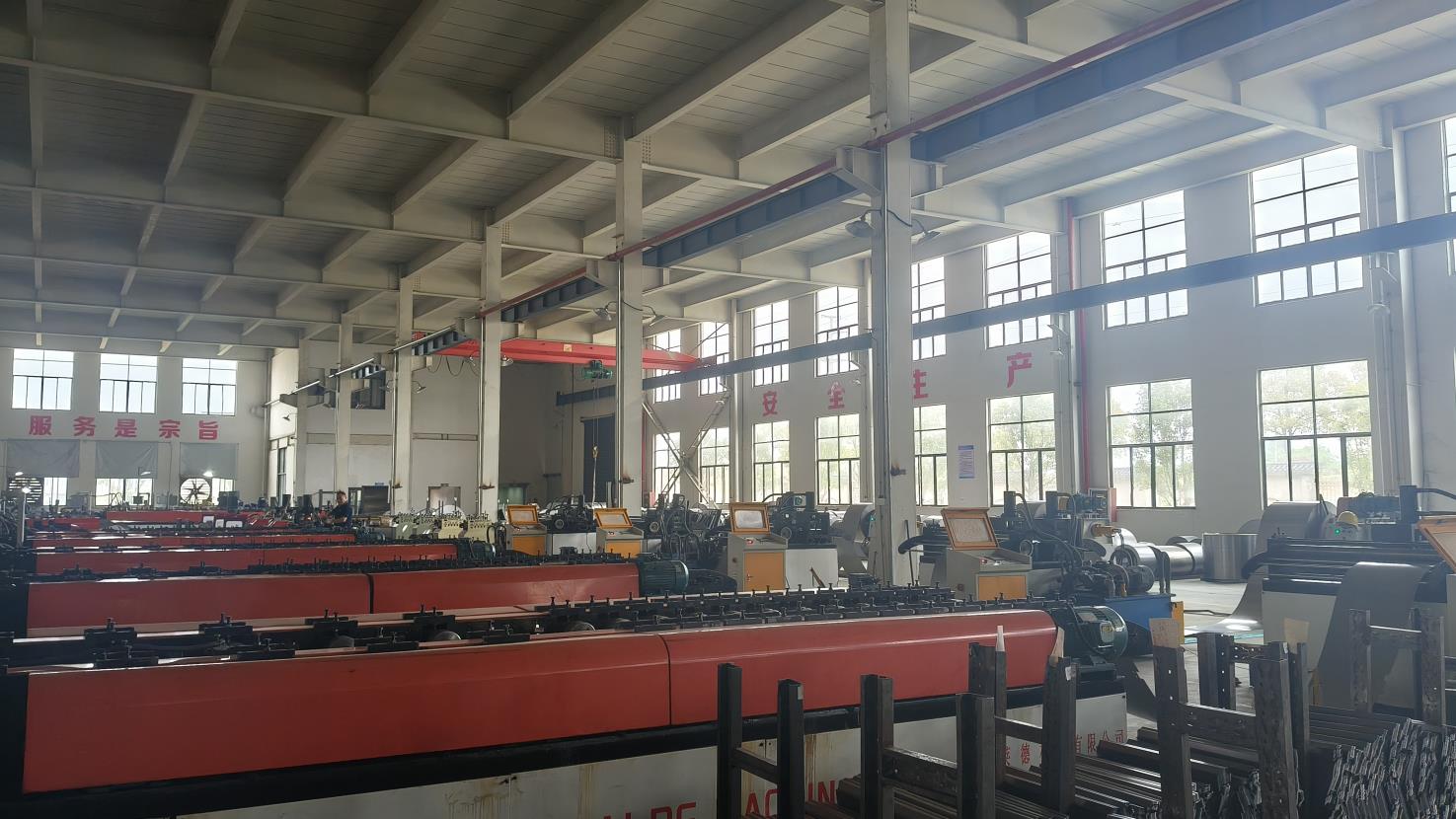
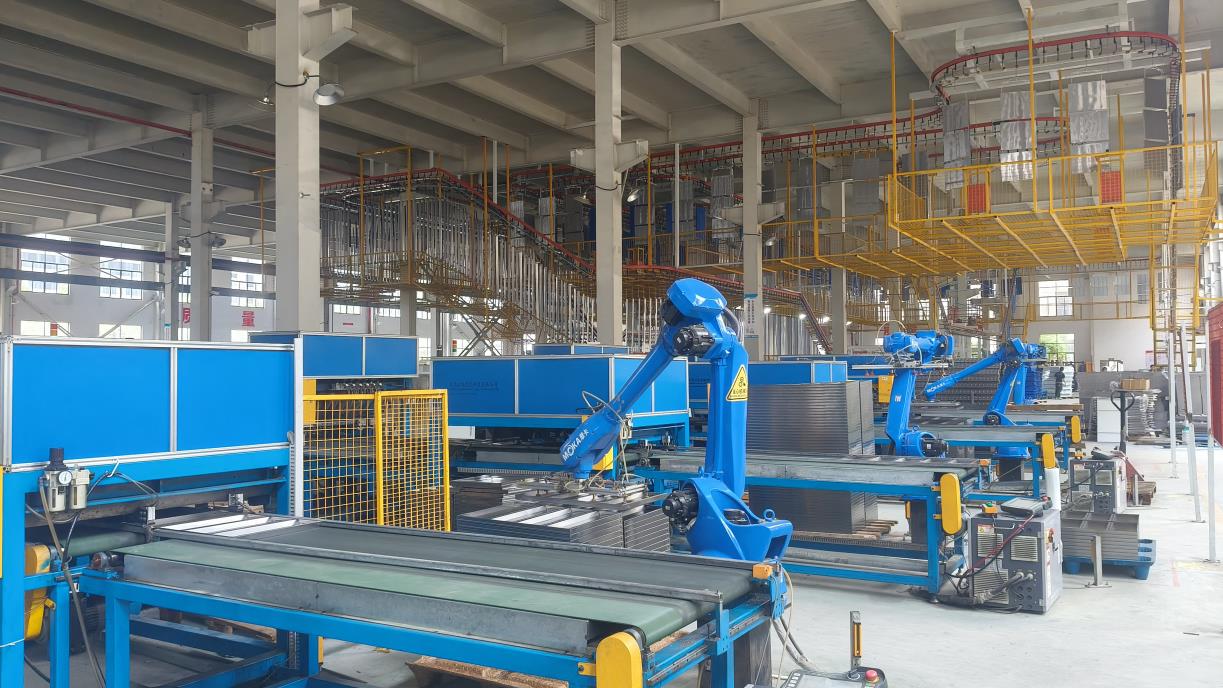
From raw steel coils to robust powder-coated uprights, view the detailed phases of our industrial fabrication line in Guangzhou, China.
From freezing climates to high-throughput distribution hubs, discover how our custom racking systems perform in diverse environments.
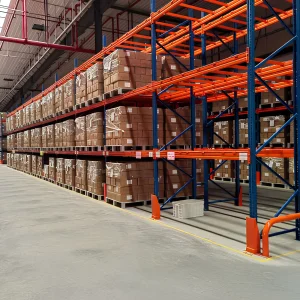
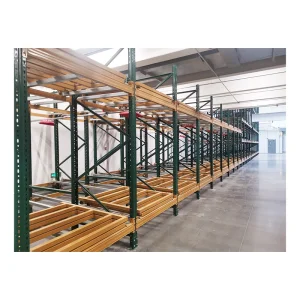
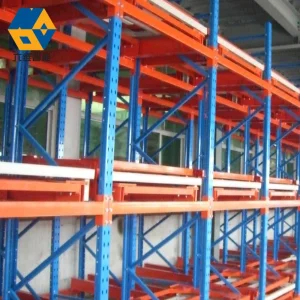
Designed with specialized rust-inhibiting galvanized steel or epoxy finishes, our drive-in and selective racking systems withstand temperatures down to -30°C. This ensures high structural stability and prevents condensation-based corrosion in food and beverage distribution facilities.
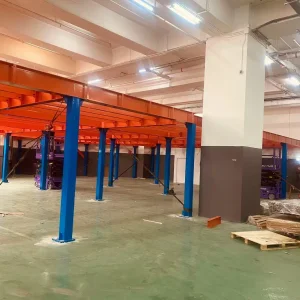
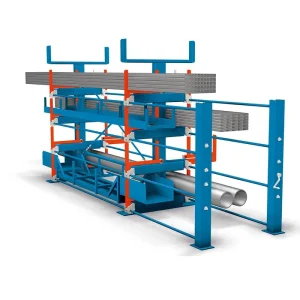
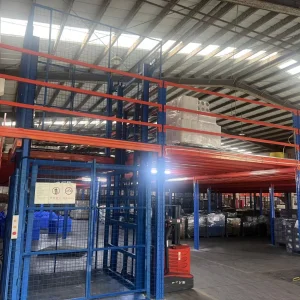
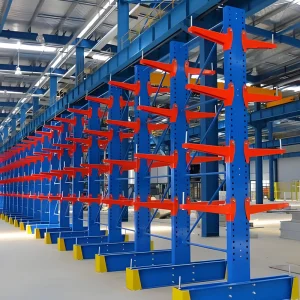
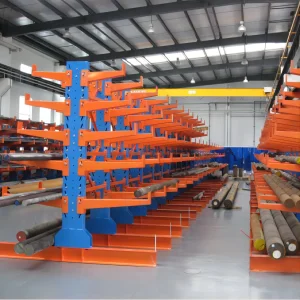
Automotive parts come in diverse geometries. Utilizing heavy-duty cantilever racks and customized mezzanine floor setups, manufacturers store long steel tubes, windshields, tires, and heavy powertrain blocks safely while guaranteeing rapid SKU accessibility.
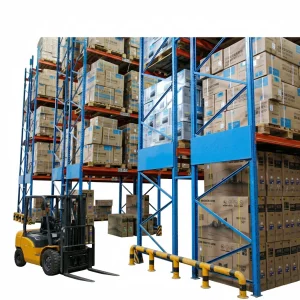
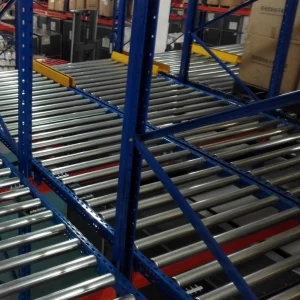
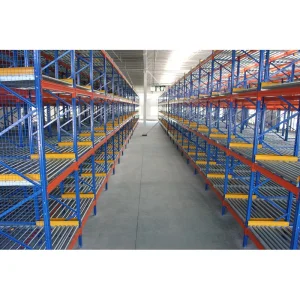
Combining multi-tier selective pallet racks with automated radio shuttle carts, our dynamic systems support high-throughput operations. This configuration maximizes inventory turnover rates while preventing vertical deformation during rapid replenishment cycles.
Understanding technology alignment, modular scaling, and environmental sustainability in modern supply chain infrastructure.
Racking structures are transitionally engineered to act as the primary skeleton for automated crane paths and AGV guidance tracking. Tolerances are narrowing to sub-millimeter scales, shifting traditional fabrications into high-precision engineering models.
Fixed-structure racking is giving way to dynamic, boltless, and modular designs. Enterprises demand systems that can be rapidly adjusted, scaled vertically, or reconfigured into mezzanine setups as space demands change over time.
Global ESG regulations demand factories minimize carbon output. Modern manufacturing incorporates clean energy powder-coating processes, scraps recycled steel efficiently, and focuses on structural longevity to minimize lifetime material footprint.
Crucial checkpoints that supply chain procurement directors and project managers must evaluate prior to finalizing high-volume utility storage factory contracts.
Ensure the mill certificates (MTC) confirm the use of high-strength structural grade steels (e.g., Q235B, Q355B, SS400). Suppliers must provide finite element analysis (FEA) reports indicating safe loading limits under regional seismic conditions.
For humid or temperature-controlled warehouses, the surface treatment must resist oxidation. Check for multi-stage cleaning, phosphating pre-treatments, and electrostatic powder coatings of at least 60-80 microns thickness.
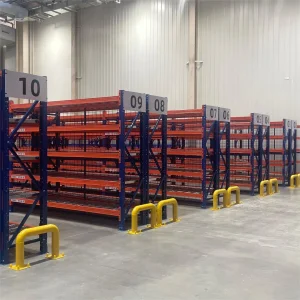
Always source racks with adjustable spacing (commonly on 50mm, 75mm, or 76.2mm pitch increments). Boltless connector profiles are preferred for faster local installation and easy dynamic reconfiguration.
Verify that the manufacturer has experience exporting to your region (Oceania, Europe, Americas). They should offer customized packing options to avoid transit damage and provide detailed installation CAD drawings or on-site engineering supervision.
Answers to critical technical questions asked by warehouse operators and structural safety inspectors.
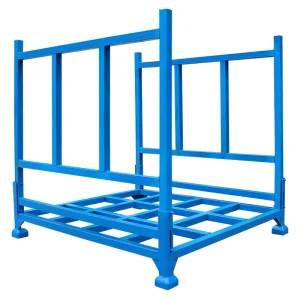
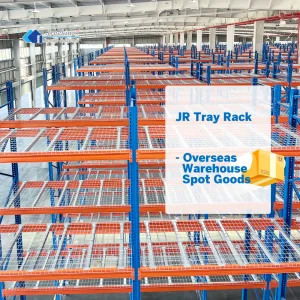
Complete your design specifications with our specialized structures, including industrial hoist lifts, gravity flow corridors, and cantilever assemblies.
 LogiSteel Racking