Engineered to maximize volumetric efficiency, optimize supply chain throughput, and comply with standard international regulations.
Understanding supply chains, seismic stability, and volumetric density in the era of warehouse automation.
The global industrial storage systems landscape is undergoing an unprecedented technological and structural evolution. Spurred by the explosive growth of e-commerce, automated distribution networks, and the need for resilient manufacturing supply chains, the demand for advanced warehousing racks has transitioned from simple steel structures to highly calculated, seismically rated, and semi-automated infrastructure systems. Companies are no longer evaluating factories merely on price-per-ton metrics; rather, structural engineering integrity, material longevity, spatial efficiency optimization, and compatibility with Automated Storage and Retrieval Systems (AS/RS) are the metrics driving modern B2B procurement decisions.
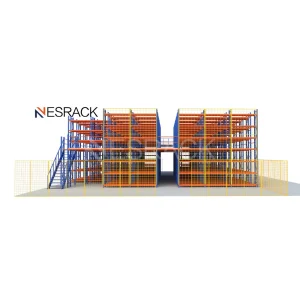
From high-density Cold Chain Storage utilizing radio shuttles to complex Multi-Tier Mezzanine floors integrated within logistics centers, the modern storage system is a critical lever for reducing operational cost per square meter. In regions facing sky-high industrial real estate costs, capitalizing on vertical height with selective and high-bay racking systems remains the primary path to sustaining growth. As sustainability mandates tighten globally, exporters must also align their operations with green manufacturing protocols, utilizing eco-friendly powder coating technologies that resist corrosion without releasing harmful VOCs (Volatile Organic Compounds).
A difference of just 1.5mm in upright column thickness or steel grade designation (e.g., Q235B vs. Q355B) can reduce vertical structural safety limits by up to 25%. B2B buyers must partner with certified manufacturers who run physical destructive load testing and structural simulation software to verify dynamic rack load capacity.
A Premiere Global Manufacturer Setting Standards in Materials Handling and Structural Racking Infrastructure
Guangzhou LogiSteel Racking Co., Ltd. is a leading manufacturer specializing in the design, manufacture, distribution, and global installation of high-capacity storage racking systems, commercial display modules, and premium industrial warehouse shelving. Over the years, LogiSteel has developed into a reliable supplier in the material handling and retail display industry.
With an production facility exceeding 15,000 square meters, the company houses over 200 skilled operators, fabrication engineers, and quality assurance specialists. Their manufacturing floor is outfitted with heavy machinery, including advanced tube cutting saws, multi-point tube punching systems, high-speed guillotine shears, hydraulic punching presses, CNC plate bending machines, and robotic spot welding arrays. This extensive machinery allows LogiSteel to maintain tolerances as thin as ±0.1mm, ensuring seamless interlocking of racking components on-site.
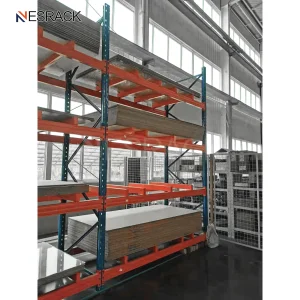
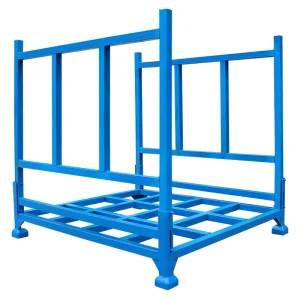
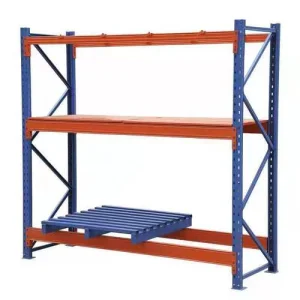
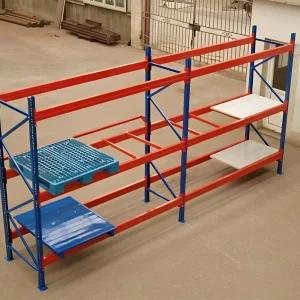
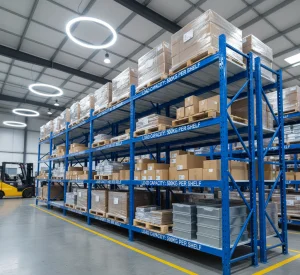
The company's diverse product selection spans pallet racking networks, selective warehouse frames, customized structural mezzanine decks, heavy-duty supermarkets shelving solutions, and customized steel pallets. These installations support industrial operations across logistics hubs, cold storage zones, retail enterprises, and high-density industrial storage parks globally.
Preserving manufacturing precision at every stage of the fabrication cycle from raw coils to finished systems.
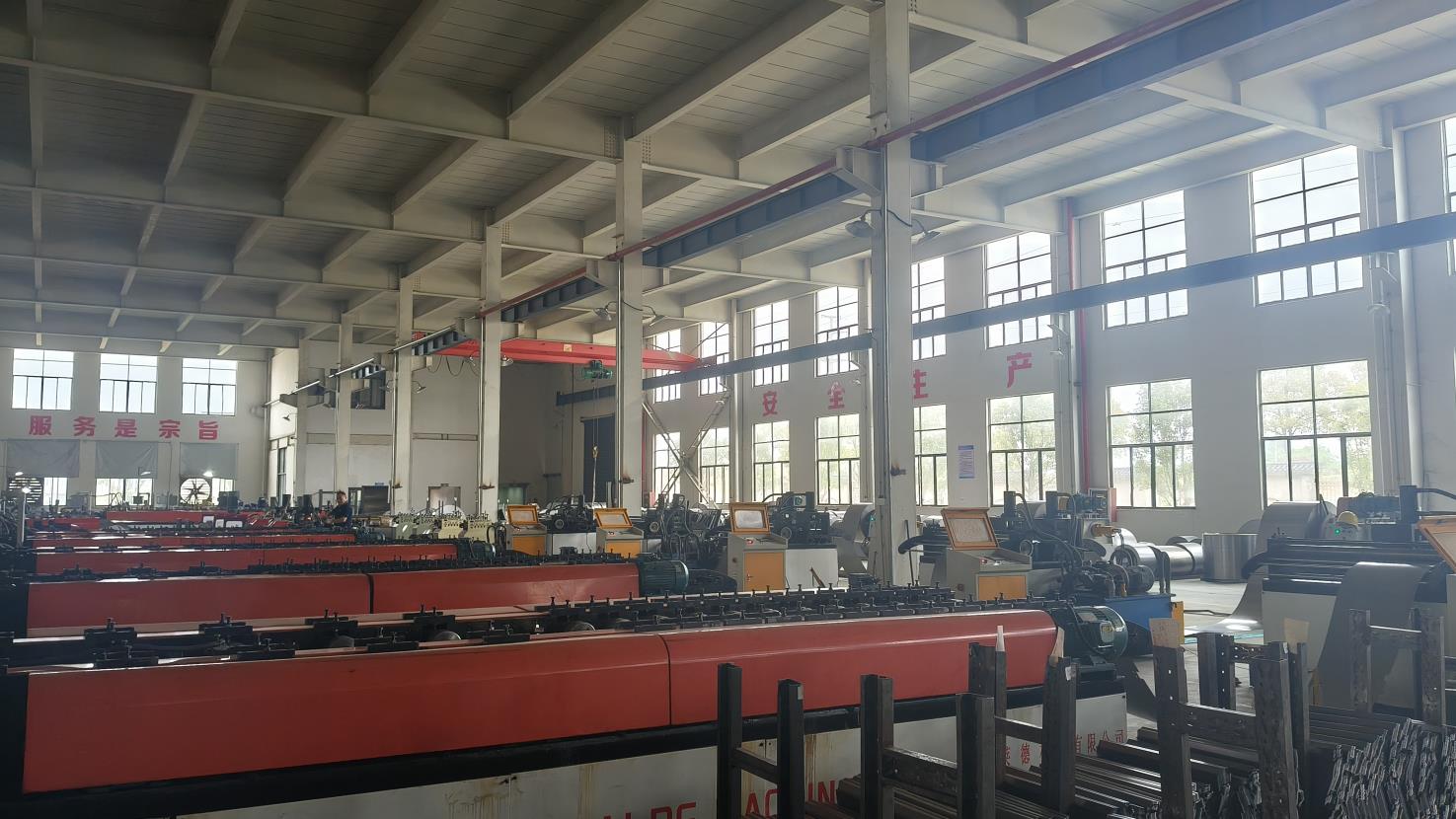
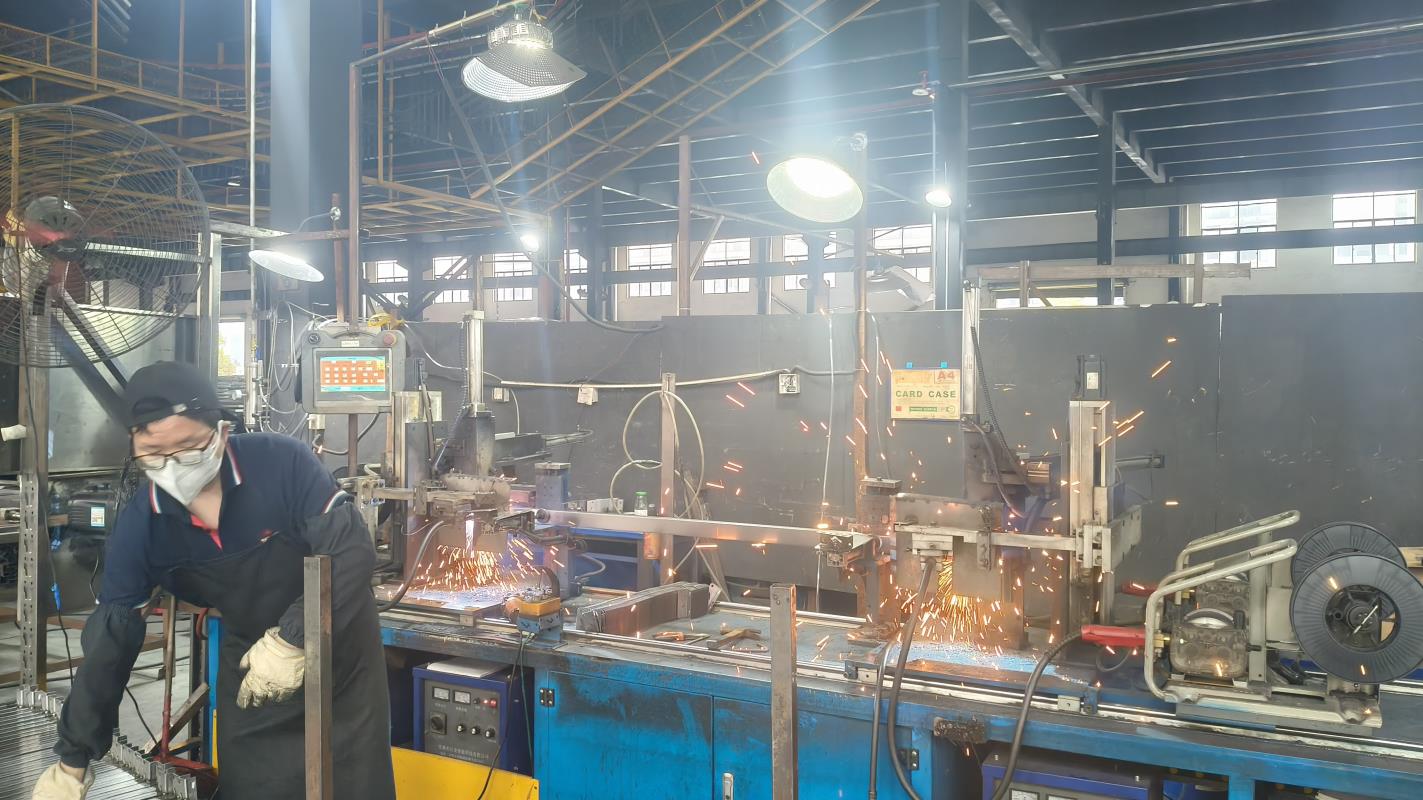
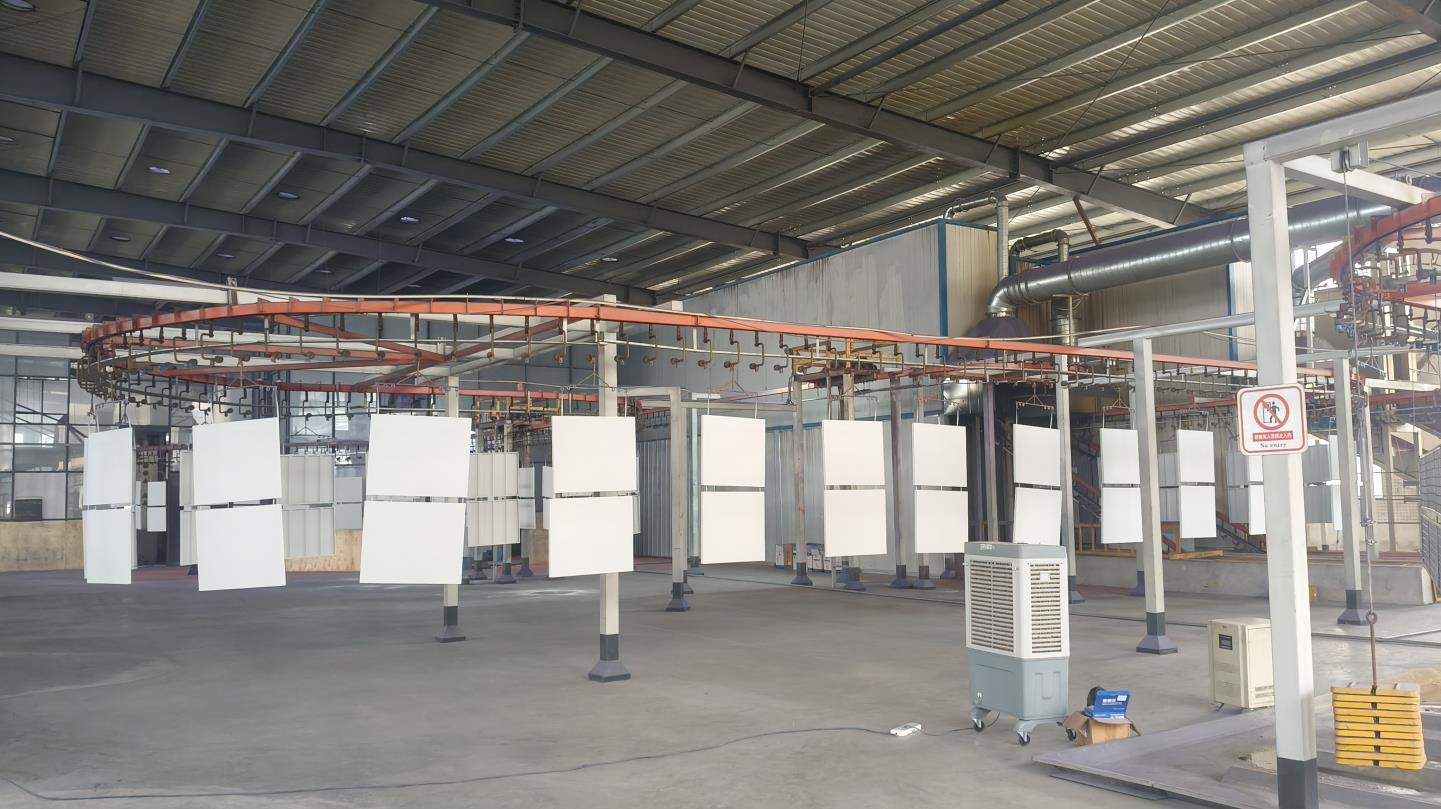
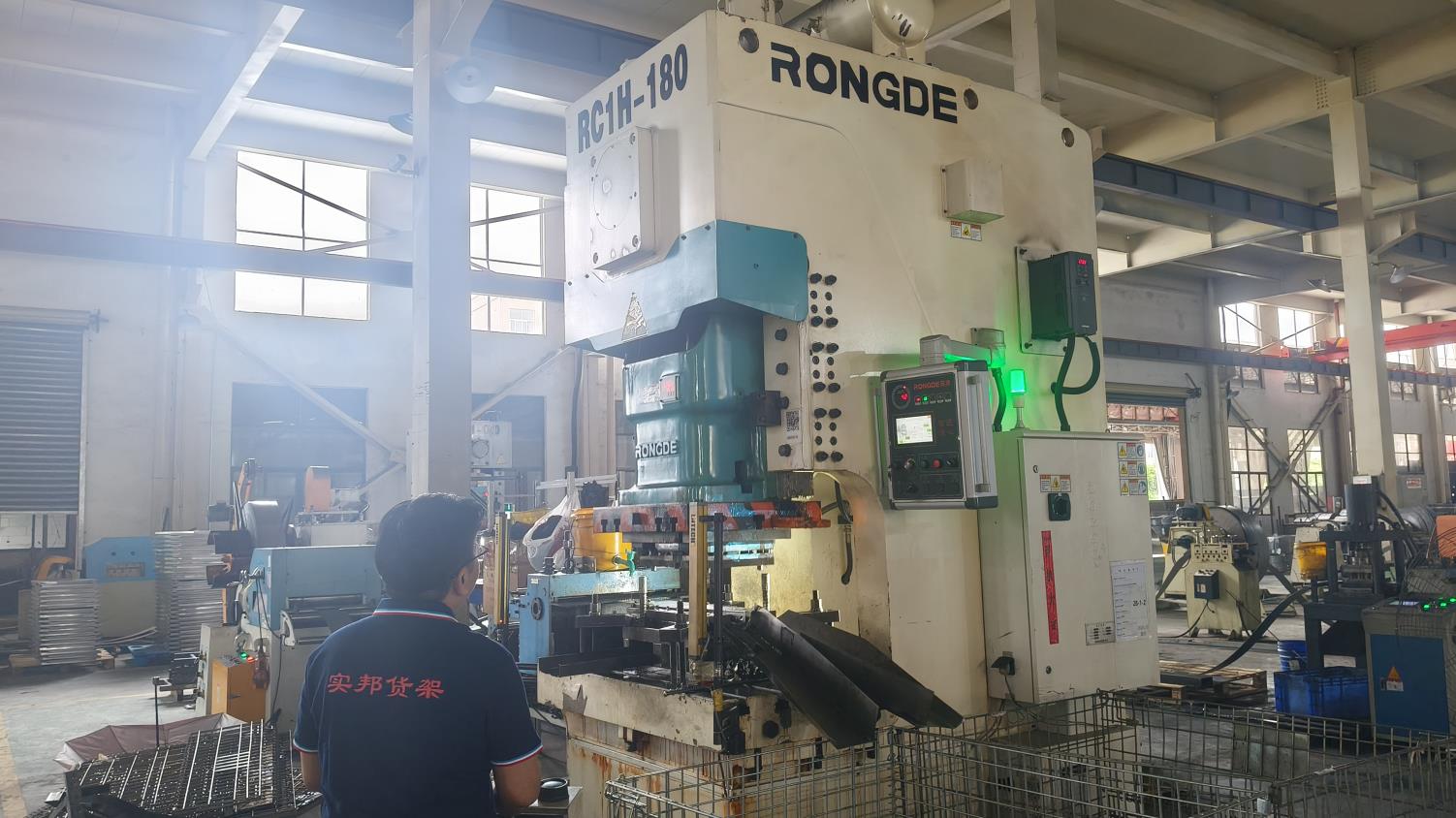
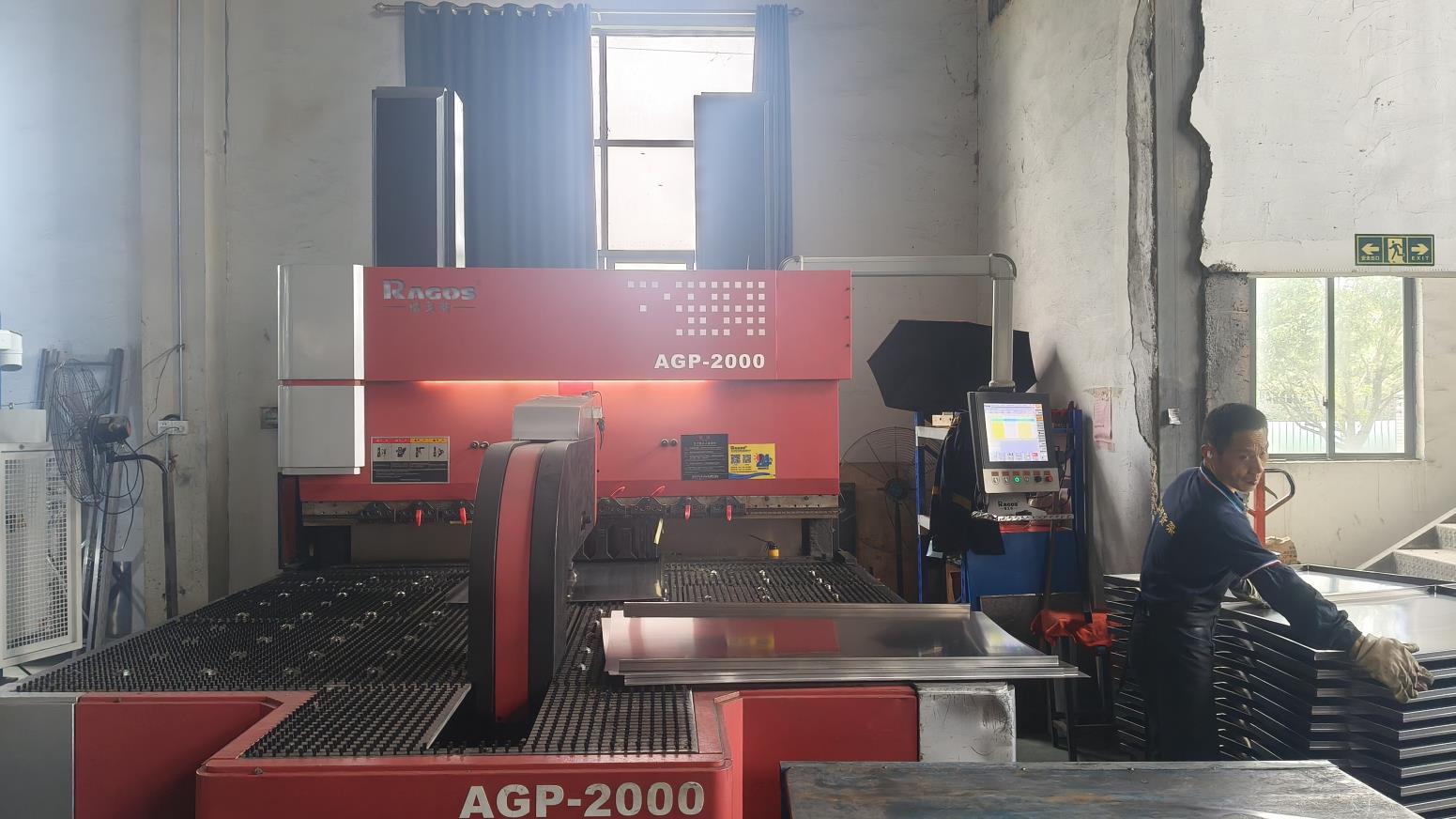
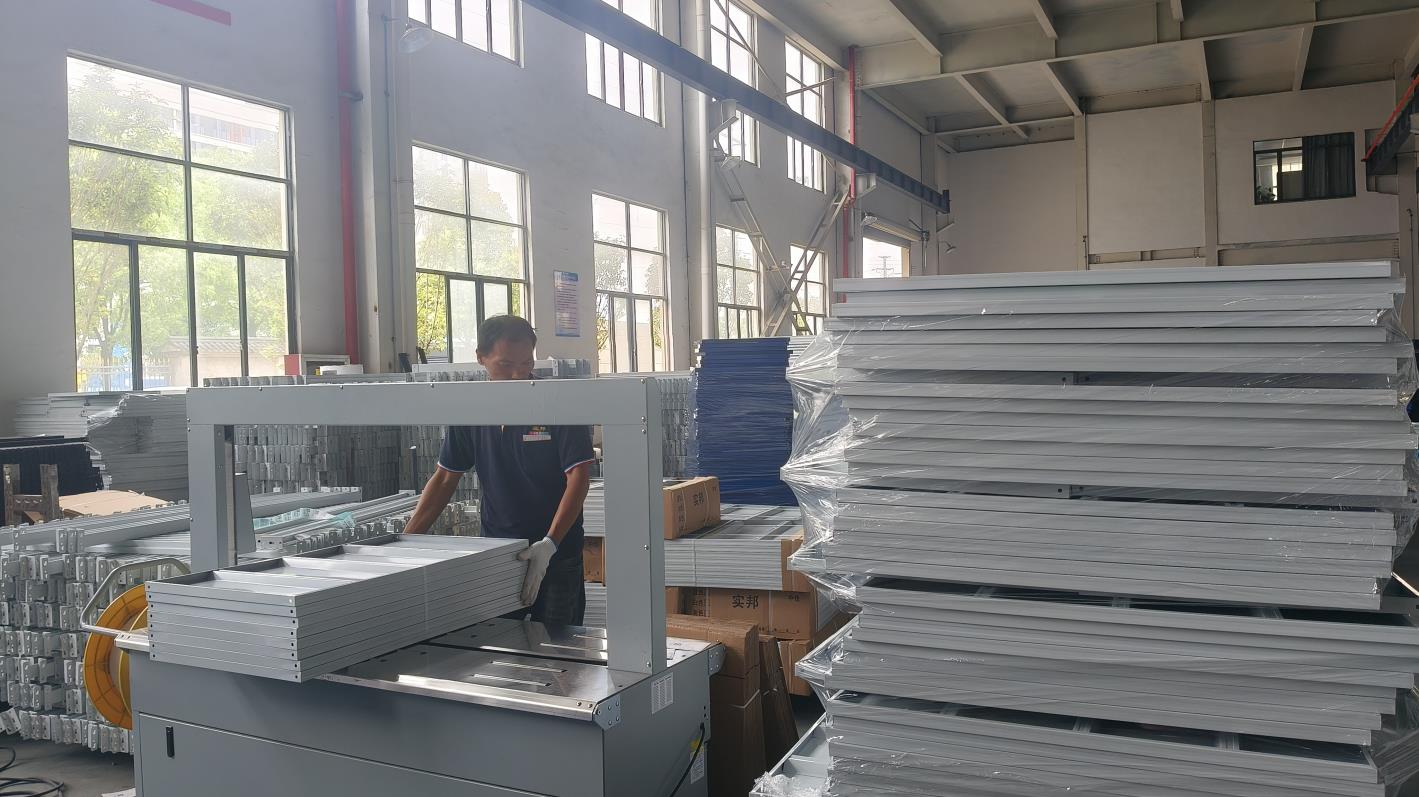
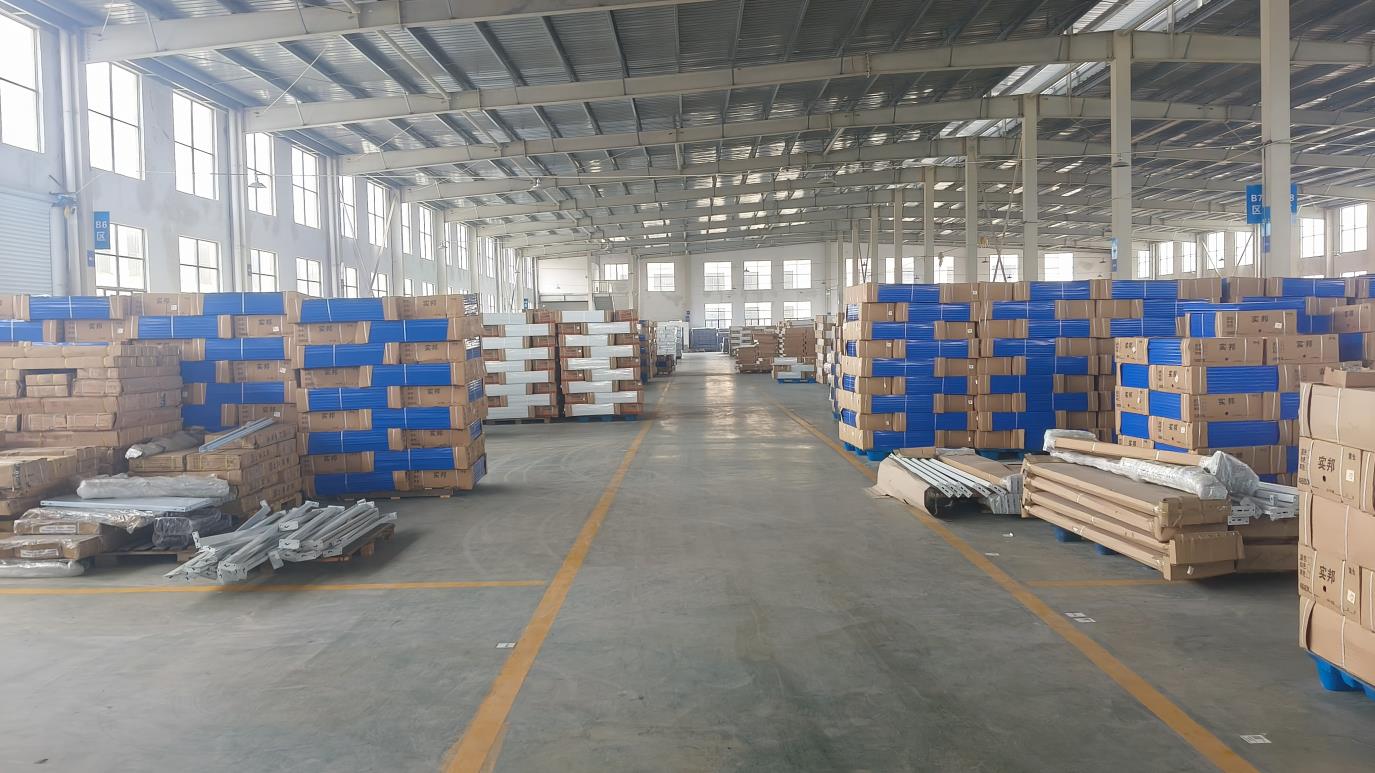
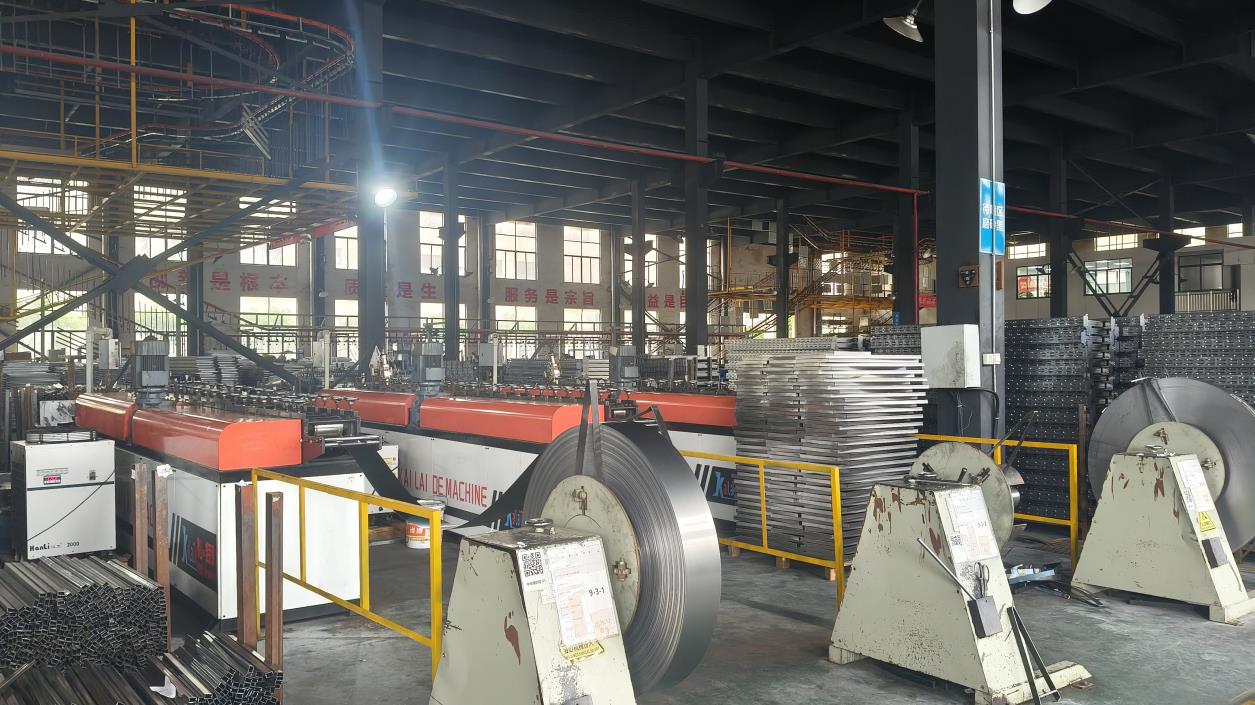
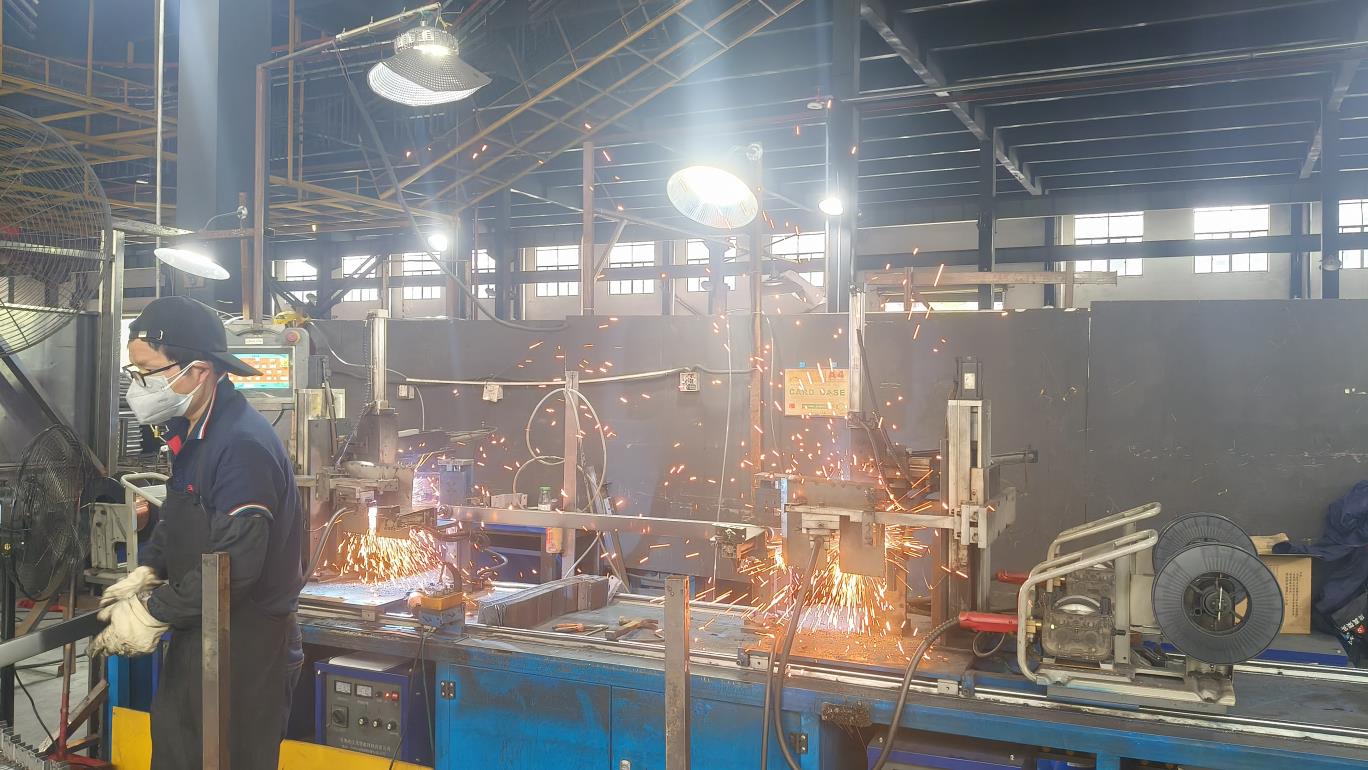
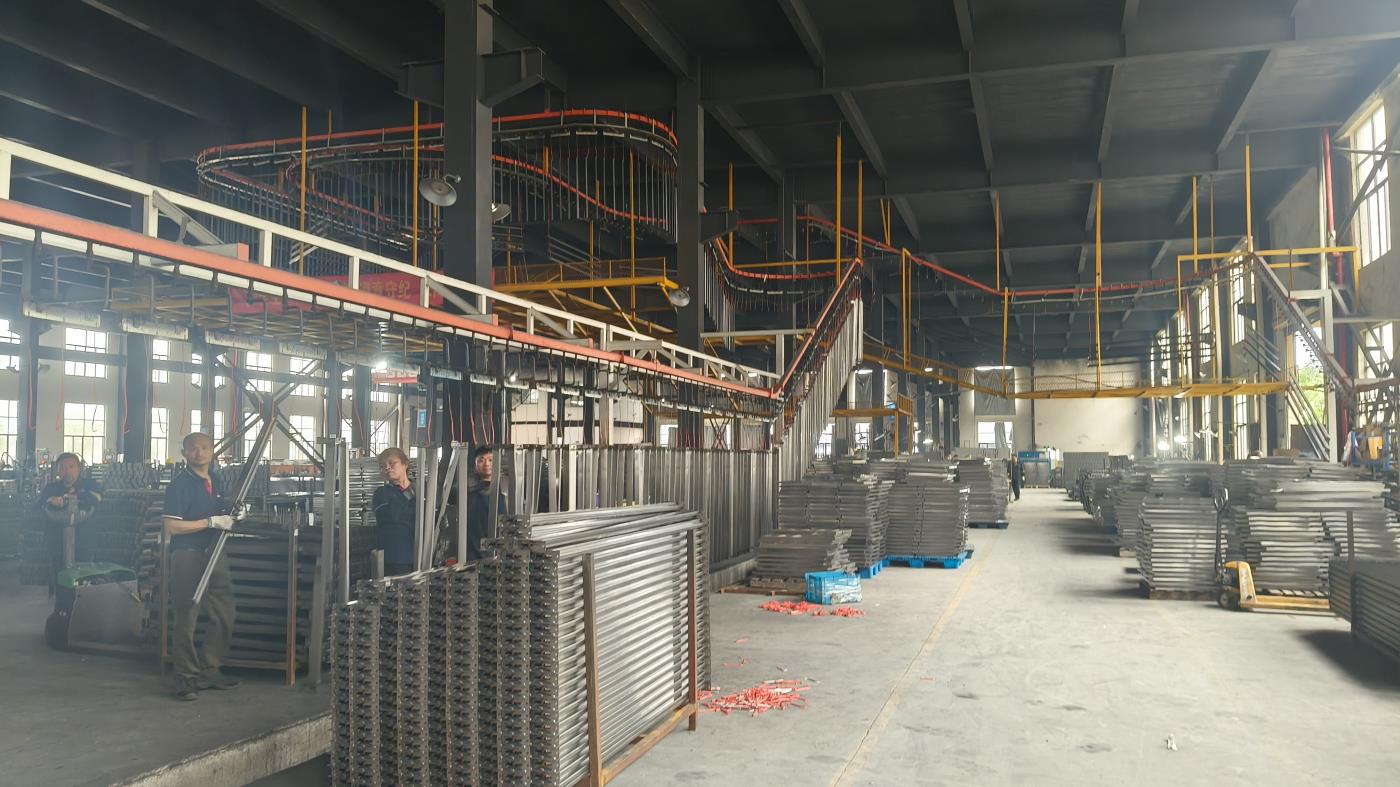
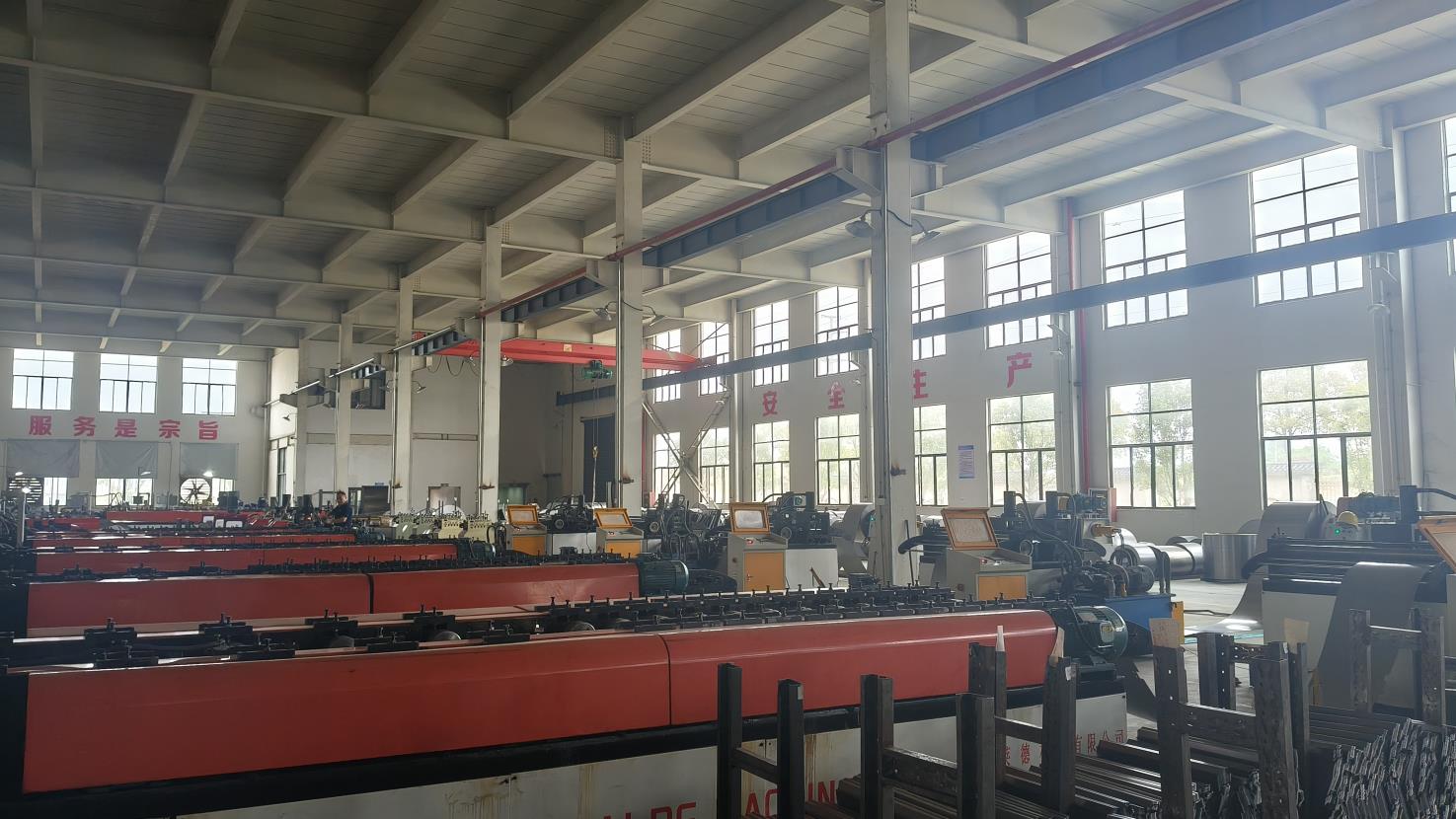
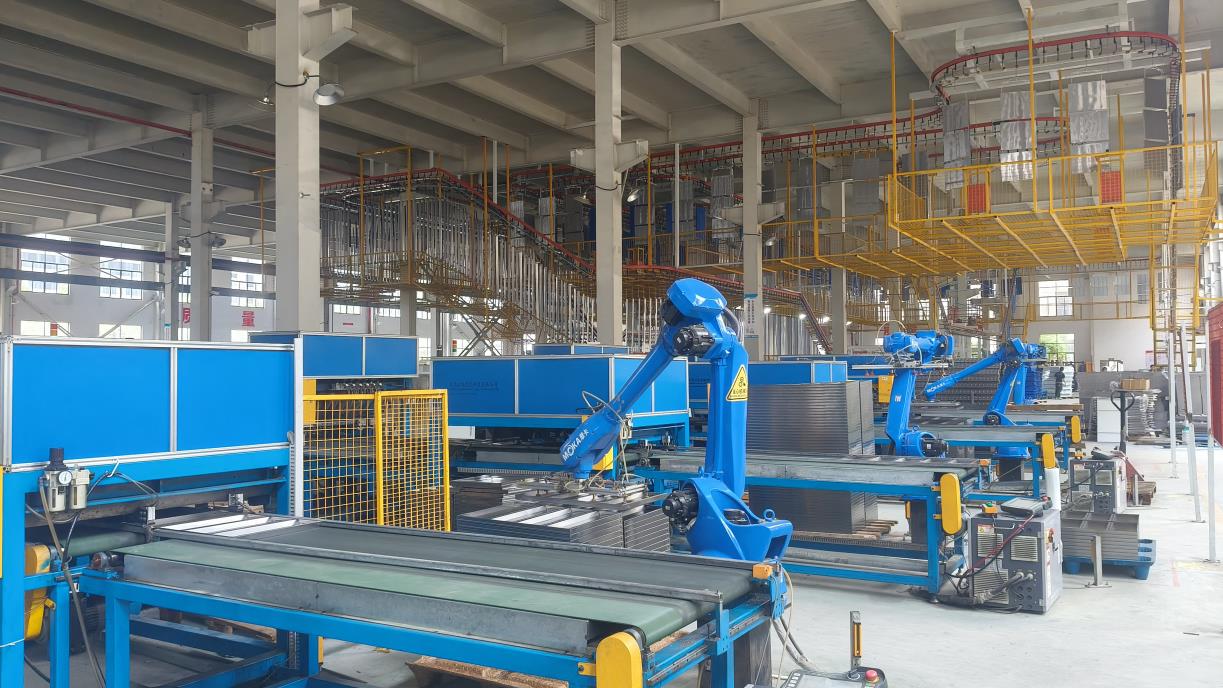
Technical performance metrics compiled by expert logistics engineers to match storage technology to operational requirements.
Choosing the correct racking infrastructure is critical to balancing initial capital expenditure (CAPEX) with long-term operational efficiency. Below is an engineering comparison matrix designed to guide procurement managers, operations directors, and logistics facility architects in selecting the optimal configuration for their specific inventory profile and floor space.
| Racking Type | Space Utilization | FIFO/LIFO Execution | Forklift Accessibility | Optimal Application Scenarios |
|---|---|---|---|---|
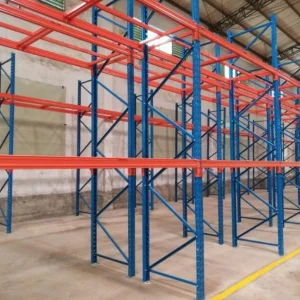
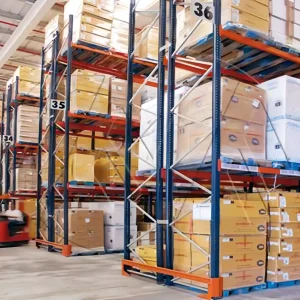
| Selective Pallet Racking | Low to Medium (60%) | 100% FIFO (First-In, First-Out) | Excellent - Direct access to all pallets | FMCG, general retail, distribution hubs with high SKU diversity. |
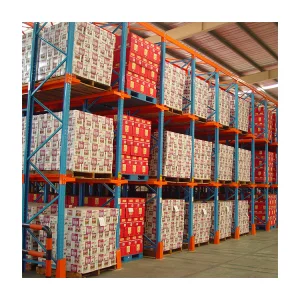
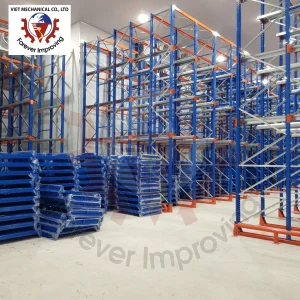
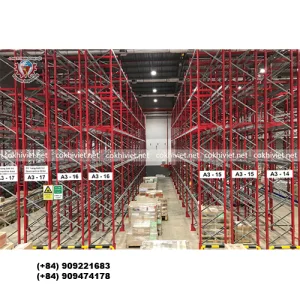
| Drive-In Racking | High (75-80%) | LIFO (Last-In, First-Out) | Restricted - Forklifts must enter rack channels | Bulk storage, high-volume single-SKU materials, cold storage. |
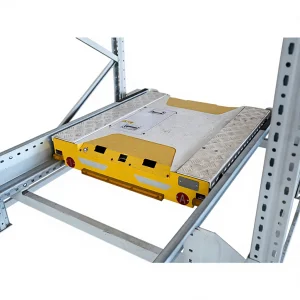
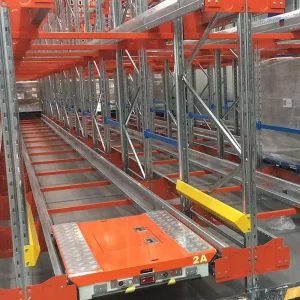
| Radio Shuttle Racking | Maximum (85-90%) | Both FIFO & LIFO compatible | Very Good - Semi-automated platform carrier shuttle | Food and beverage, industrial manufacturing buffers, extreme cold chain. |
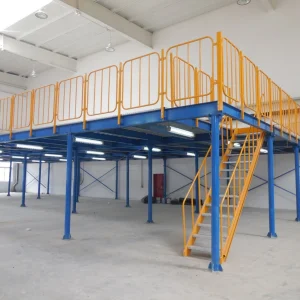
| Mezzanine Platform Systems | Excellent (Utilizes Height) | Dynamic flow pathways | Variable - Manual pick or conveyor integration | Toy manufacturing, high-density small parts, order fulfillment modules. |
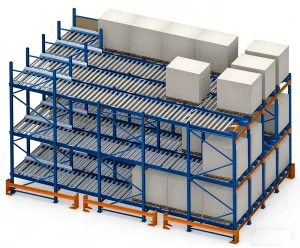
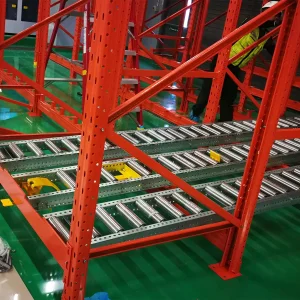
| Gravity Flow Systems | High (80%) | Strict FIFO | Good - Distinct loading and unloading zones | Perishable items, pharmaceutical batches, buffer lanes. |
Emerging technology, regional shifts, and sustainability goals changing B2B logistics.
Traditional shuttle systems operate along a single horizontal axis. The modern industry is rapidly moving toward 4-way deep-lane automation. This development allows shuttle robots to transition between channels and vertical lift corridors autonomously. By integrating automated shuttles with ERP databases, facility managers receive real-time, millimeter-accurate tracking of warehouse inventories while eliminating the hazards of forklift collisions in high-density corridors.
Global suppliers face stricter building safety regulations in seismic regions like Western North America, Japan, and parts of Latin America. Modern racking configurations must incorporate thicker baseplates, high-ductile bracing profiles, and precision-matched anchor bolts. Using structural simulations like finite element analysis (FEA), designers ensure racks withstand dynamic shifting forces, protecting both personnel and valuable inventory.
Environmental requirements are changing how steel profiles are finished. Progressive factories are replacing old solvent-based painting lines with fully automated electrostatic powder coating loops. This cleaner process recovers up to 98% of oversprayed powder and eliminates harmful volatile organic compounds (VOCs). The resulting finish offers superior scratch resistance and UV protection while meeting strict global environmental standards.
How storage system design adapts to specific regional climates, labor costs, and market needs.
Operating sub-zero storage rooms is energy-intensive, requiring high space utilization to control costs. Automated shuttle systems allow operators to store cargo in deep lanes, reducing the volume of air that needs to be cooled. Cold storage systems require special low-temperature lubricants, polyurethane coatings, and high-impact structural steel grades to prevent low-temperature steel embrittlement.
Automotive assembly centers must manage thousands of small components. Multi-tier mezzanine systems convert overhead vertical air space into active work decks. Integrating these platforms with light-directed picking shelves and automated vertical conveyors reduces foot travel times for operators, improving picking throughput while saving floor space for primary manufacturing lines.
Precision-formed structural solutions designed for high operational demands, heavy loads, and automated environments.
Expert answers addressing the primary design, safety, and commercial requirements of global storage systems.
Industrial storage configurations primarily rely on certified hot-rolled or cold-rolled structural steel, such as Q235B and Q355B (standard Chinese designations), which compare to European S235JR and S355JR standards. In the Americas, designs are expected to comply with RMI (Rack Manufacturers Institute) specifications, whereas European installations must adhere to the EN 15512 standard to guarantee appropriate load capacities and structural integrity under full capacity.
Traditional drive-in racking requires a forklift operator to drive into the physical structure of the rack, which increases cycle times and the risk of upright column collisions. Automated shuttle racking systems utilize remote-controlled robotic platforms that carry pallets down the storage lanes. This keeps forklifts at the entry aisle, enhancing operation speed, increasing storage density, and lowering the risk of structure damage.
Standard design layouts, dynamic configurations, and basic CAD engineering assessments are typically finished in 24 to 48 hours. After the customer approves the layout design, production cycles generally take between 20 and 35 days, depending on custom profile requirements and the thickness of the steel profiles. Marine shipping times vary based on the destination port.
In high-humidity, marine, or temperature-cycled cold storage environments, raw steel is vulnerable to rapid oxidation. We recommend using hot-dip galvanized components or applying an electrostatic powder coat over a chemical rust-inhibiting wash. For deep freeze applications below zero degrees Celsius, specialized low-temperature powder compositions prevent brittle cracking under physical impact.
Yes, all structures and products manufactured by Guangzhou LogiSteel Racking Co., Ltd. are certified with CE and ISO 9001 marks. These credentials verify that our manufacturing tolerances, weld quality, and safety designs comply with standard European and international structural requirements.
 LogiSteel Racking