Explore our flagship heavy-duty industrial racking configurations engineered for maximum warehouse density and extreme loading reliability.
A comprehensive analysis of structural dynamics, space optimization, and warehouse logistics efficiency.
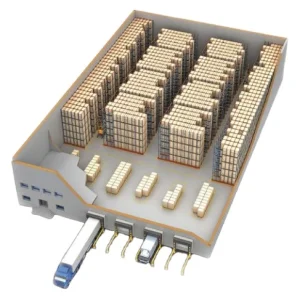
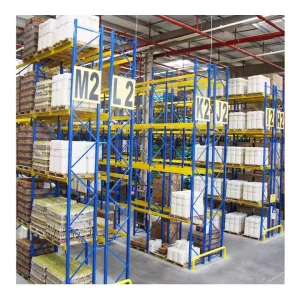
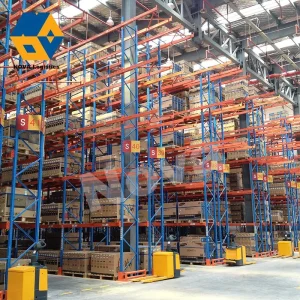
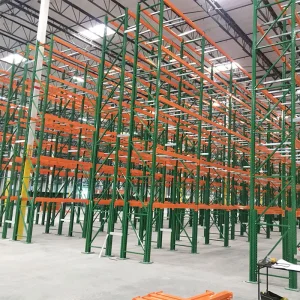
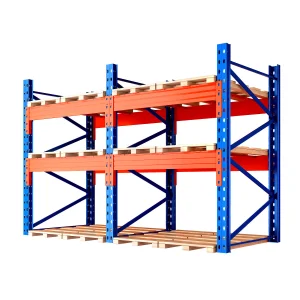
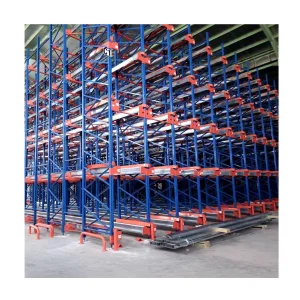
Drive-in and drive-through racking systems represent the pinnacle of static high-density industrial storage. Operating primarily on a Last-In, First-Out (LIFO) material flow logic, these structures eliminate access aisles to compress the overall storage footprint by up to 75% compared to standard selective pallet racking. Forklifts navigate directly into the structural bays of the racking to place or retrieve pallets resting on continuous rails.
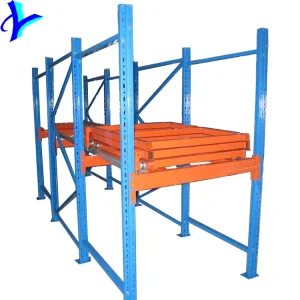
For warehouse architects and logistics managers, selecting a high-density system demands a deep understanding of load stability. Drive-in systems rely heavily on structural frame rigidity. Since the system lacks intermediate horizontal beams across the forklift lanes, stability is achieved through top tie-beams, back bracing, and heavily anchored floor guardrails. The structural steel configuration must withstand not only static vertical loads but also dynamic torsional forces caused by forklift impacts or localized seismic activity.
Consolidates storage area by removing dedicated forklift aisles. Ideal for storing large quantities of homogeneous SKUs under high-density demands.
Minimizes the cubic footprint that requires temperature control, dramatically reducing operational electricity costs in freezer environments.
A simpler mechanical alternative to dynamic systems (like pallet flow or shuttle systems) that provides density without active automated components.
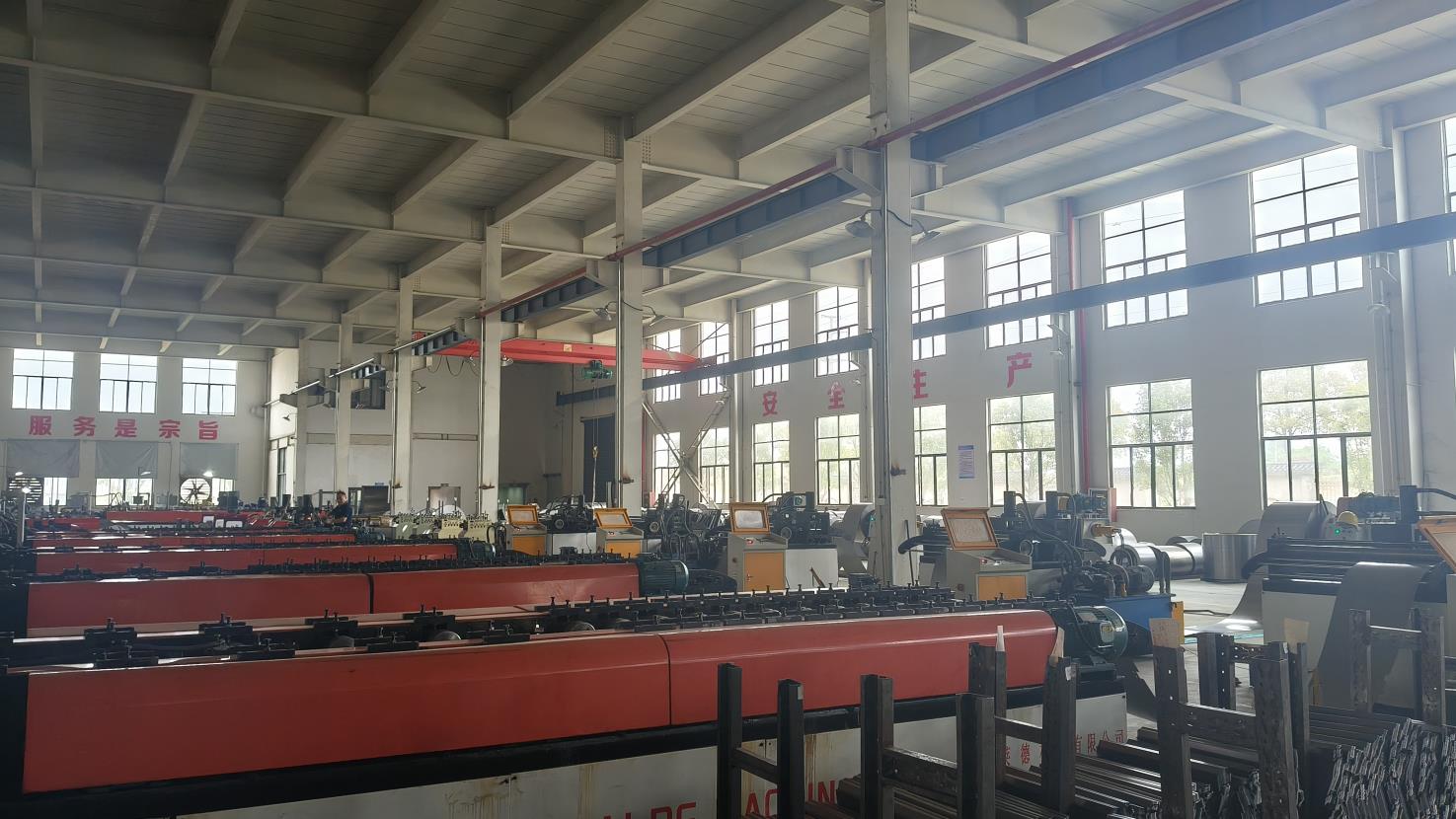
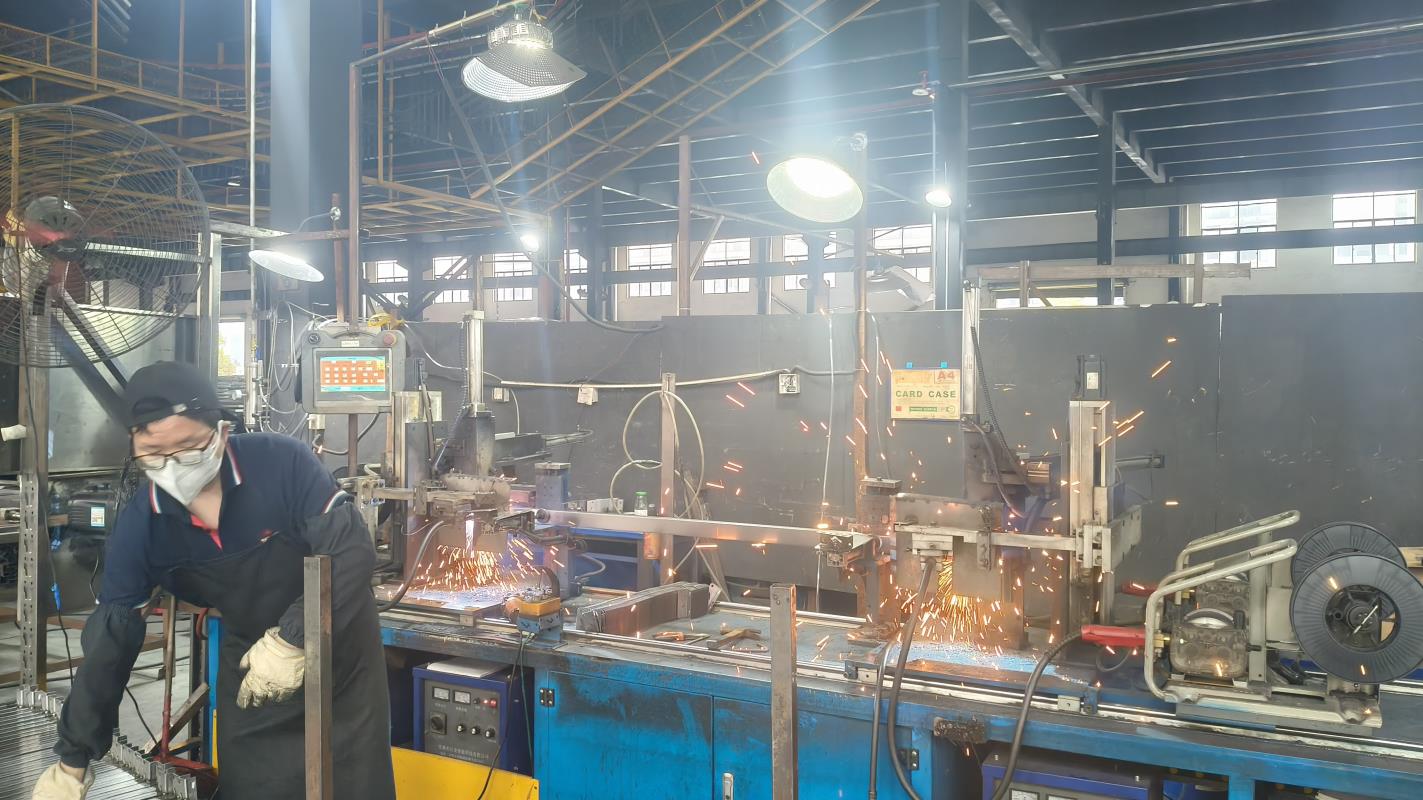
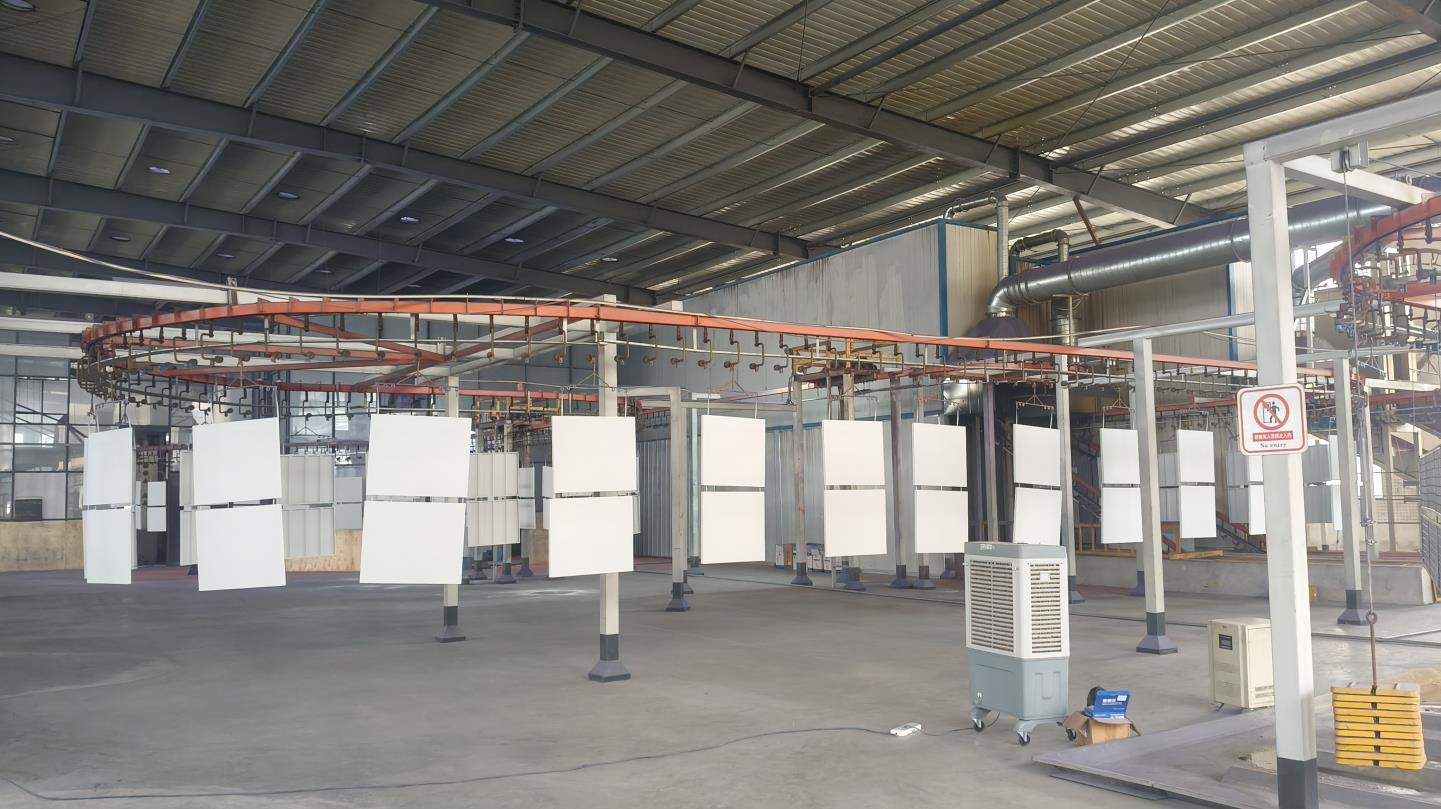
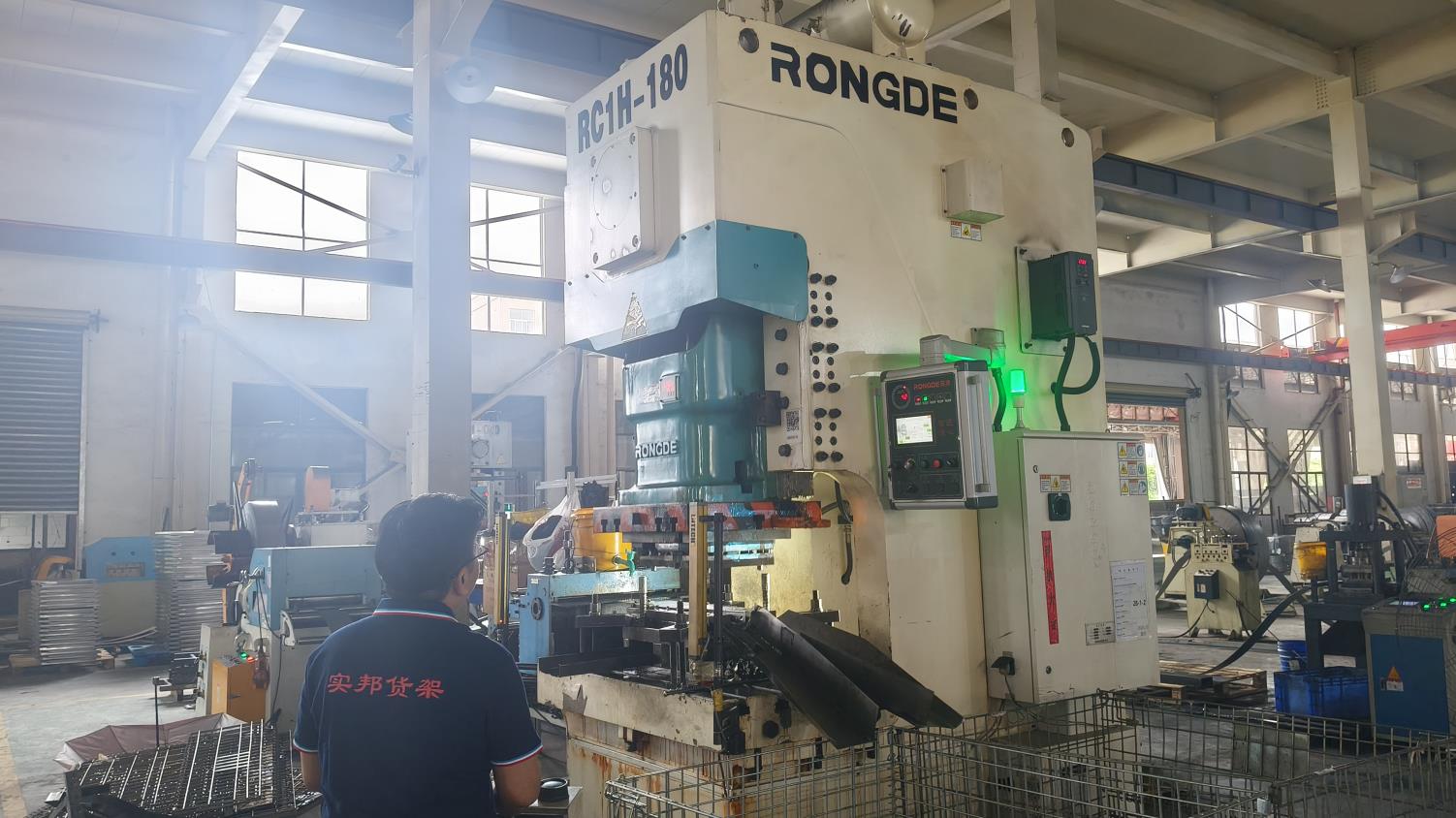
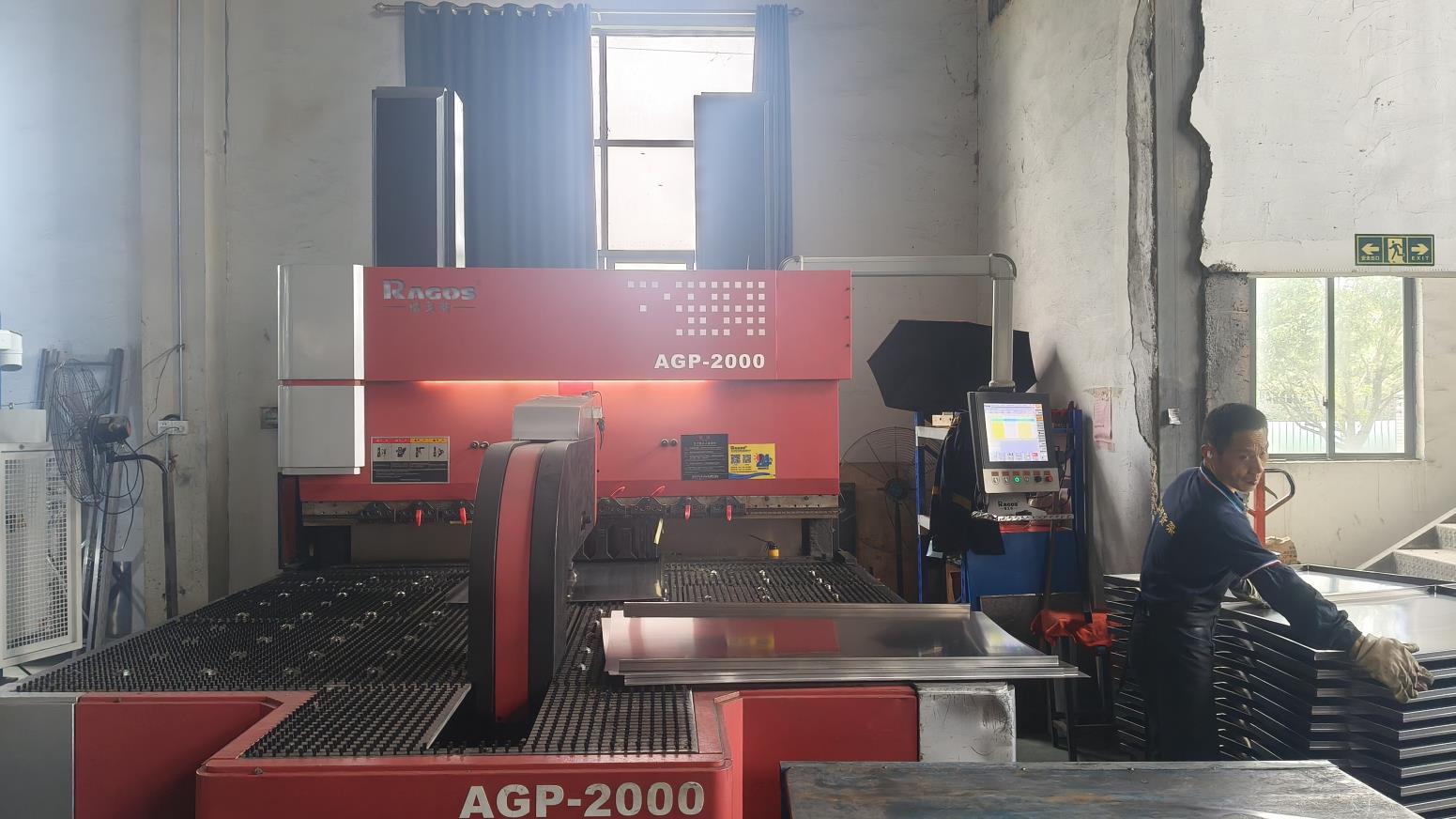
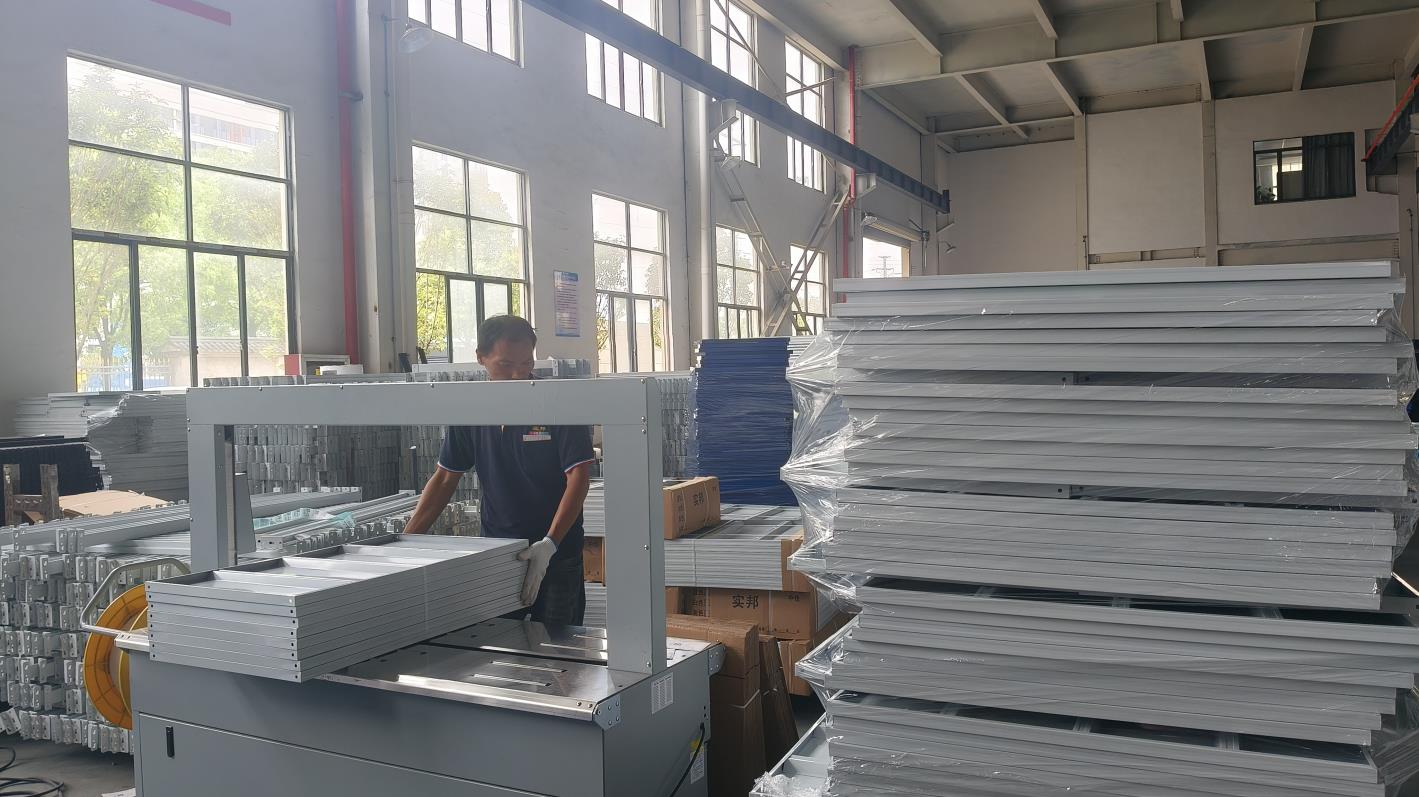
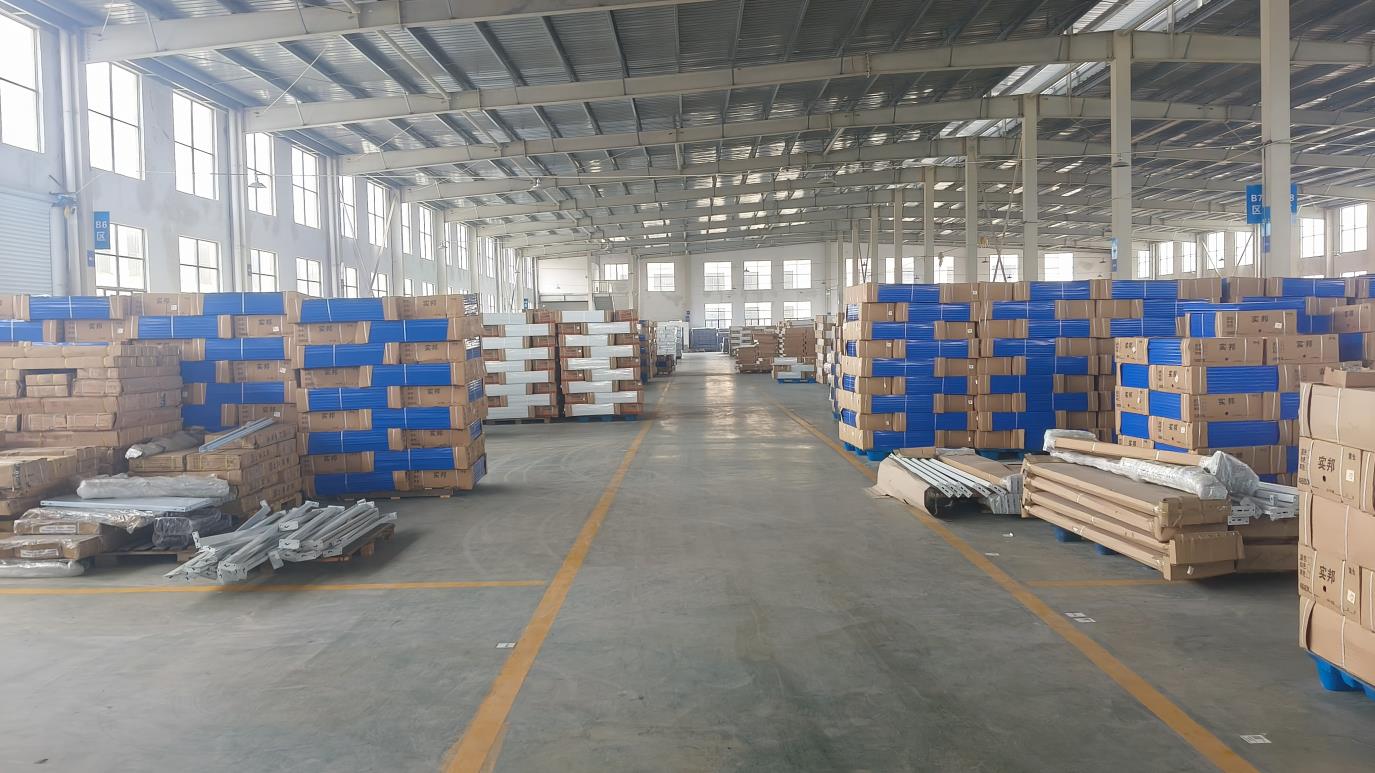
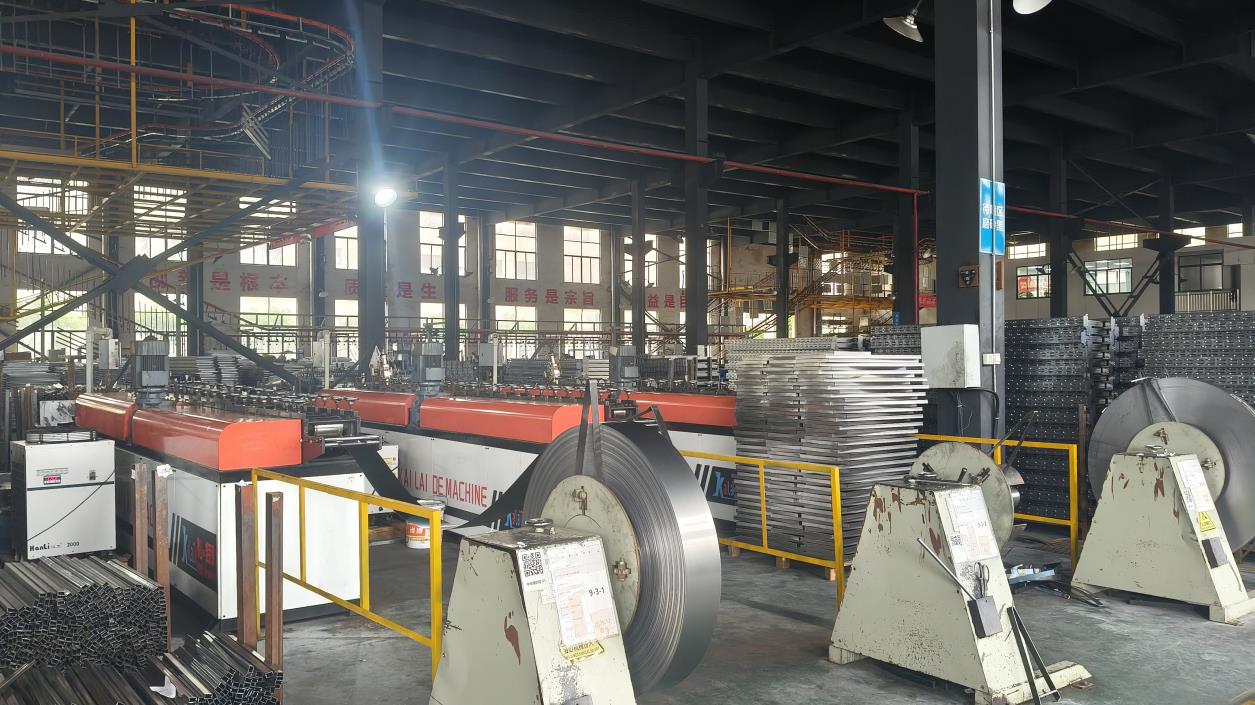
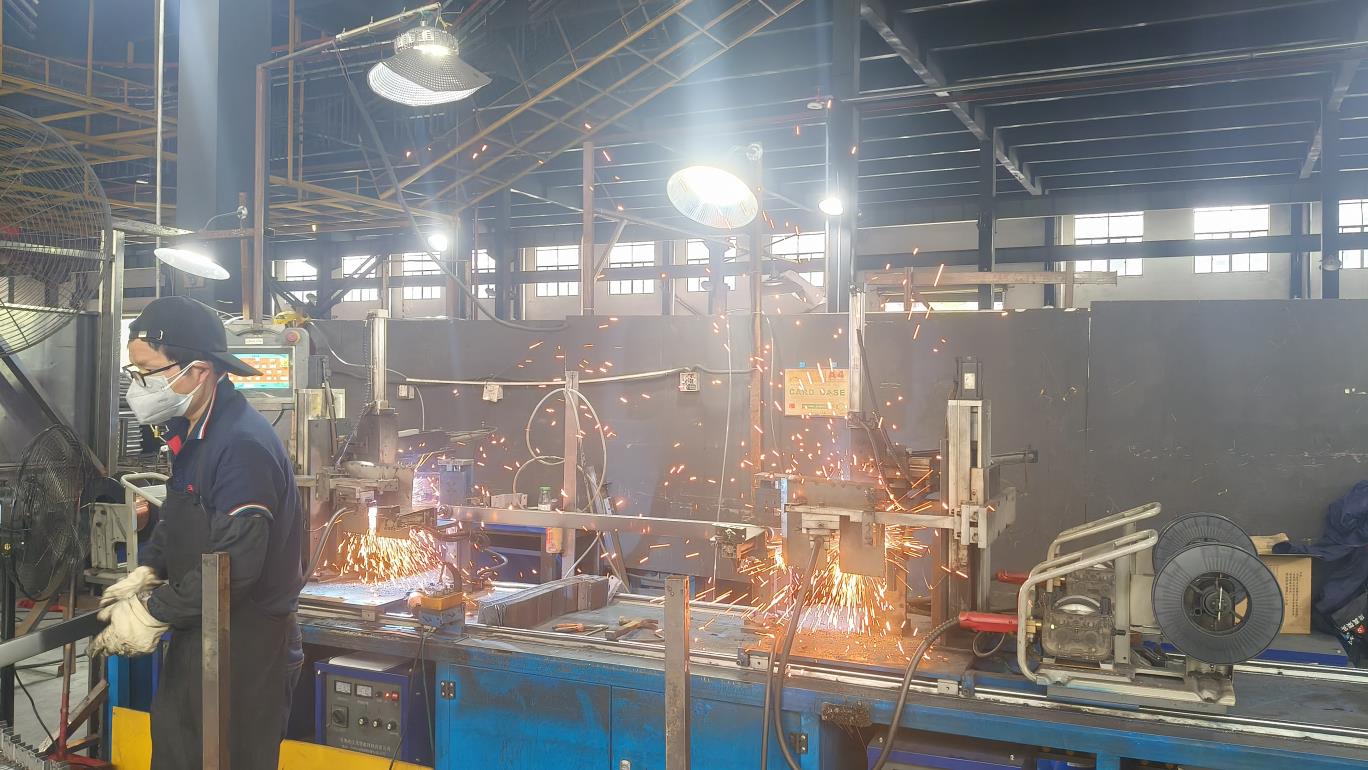
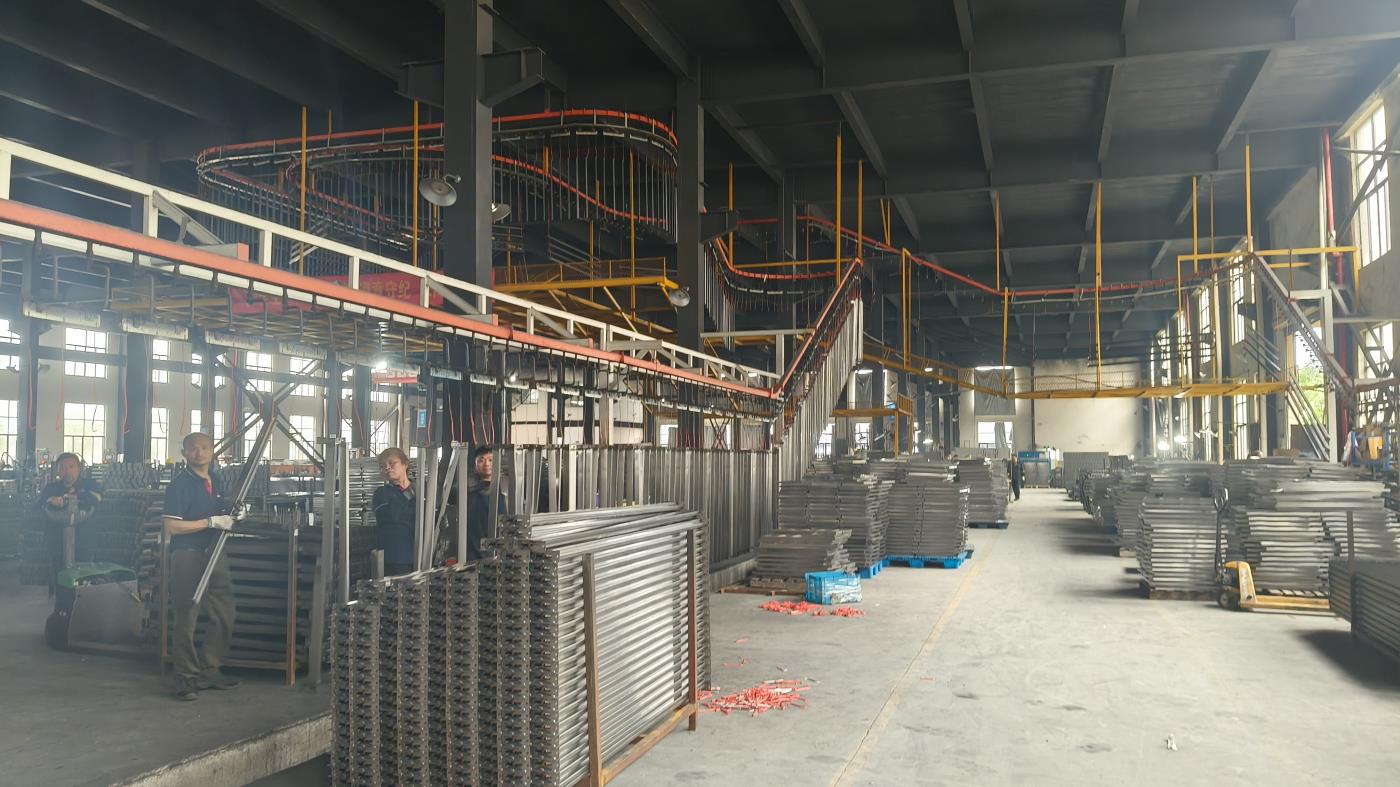
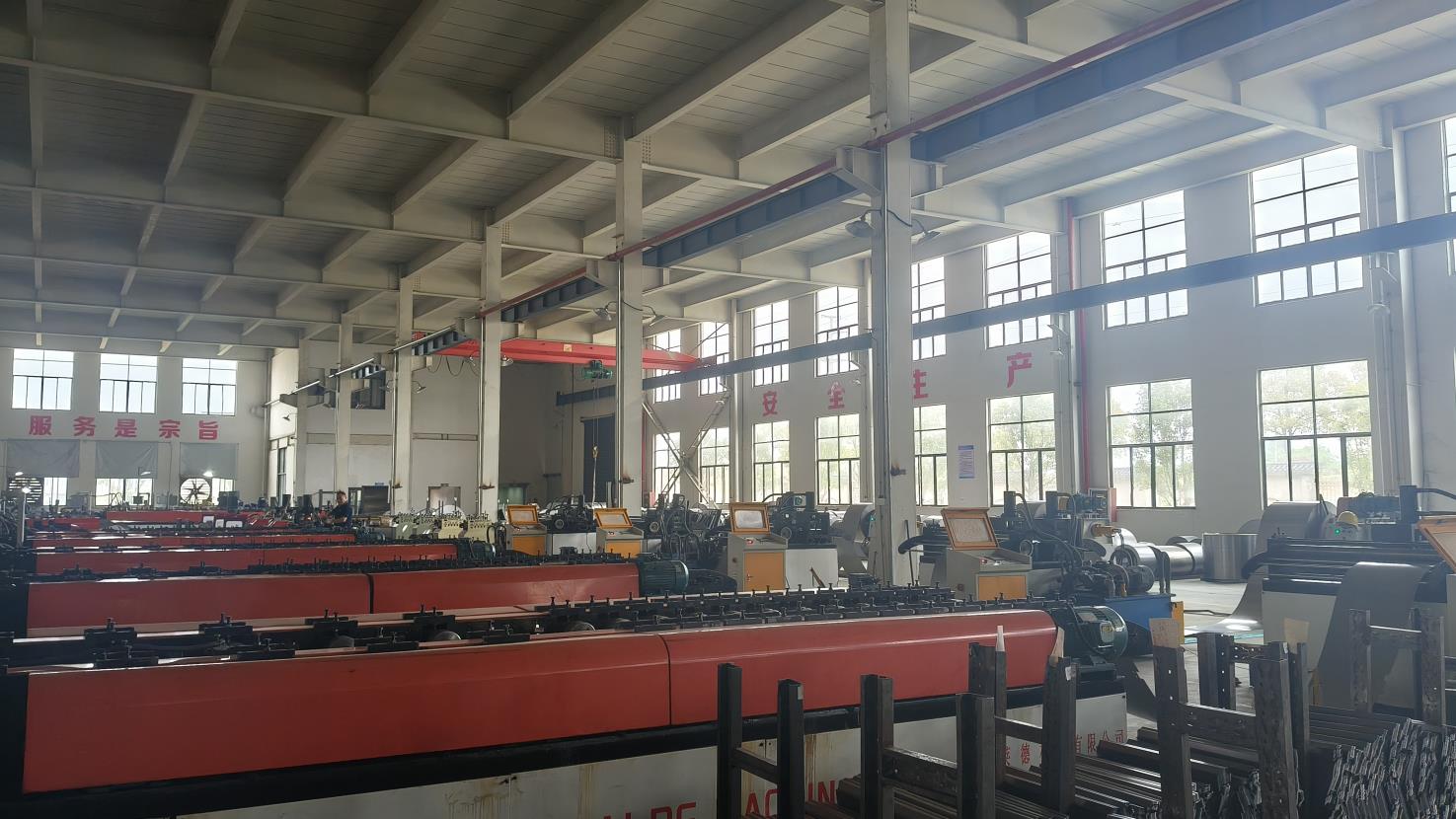
Step-by-step insight into Guangzhou LogiSteel Racking Co., Ltd.'s state-of-the-art production floor, guaranteeing heavy industrial capacity.
Over the years, Guangzhou LogiSteel Racking Co., Ltd. has established itself as an authoritative supplier in the material handling industry. Operating out of a facility spanning more than 15,000 square meters, our plant relies on high-speed automated forming and tube punching equipment. Every component of our drive-in system—from the heavy-duty vertical uprights to the custom-formed cantilever support arms—is manufactured to precise tolerances.

Why global enterprises look to Chinese manufacturers like LogiSteel to optimize capital expenditure and scale operations rapidly.
Purchasing heavy-duty racking systems directly from China offers significant logistical and financial advantages. As the world's largest steel producer, China provides manufacturers with direct, high-volume access to premium structural steel grades, including Q235B and Q355 hot-rolled steel coils. This proximity reduces raw material transport costs and secures stable supply lines, insulated from Western steel market price spikes.
Furthermore, Chinese suppliers have integrated advanced production automation, including robotic welding arms and continuous multi-stage powder coating systems. The result is a highly efficient manufacturing environment that yields extreme precision while minimizing labor-related defects. The cost efficiency achieved enables global enterprises to optimize their storage capacity without compromising structural integrity or system lifespan.
Direct access to major domestic steel mills guarantees consistent metallurgical properties, high yield strength, and certified tensile parameters essential for structural load calculations.
With factories situated near major ocean ports such as Guangzhou, Shenzhen, and Shanghai, transit times and container shipping coordination are streamlined for fast global delivery.
Ensuring engineering integrity, seismic safety, and localized regulatory compliance in every deployment region.
Industrial warehousing is strictly regulated globally to guarantee worker safety and structural durability. Any drive-in racking deployment must align with the corresponding regional code authority. LogiSteel designs and verifies structures according to key international standards, ensuring your warehouse meets local engineering inspection guidelines.
| Region | Applicable Standards | Technical Design Requirements | Compliance Actions |
|---|---|---|---|
| Europe | EN 15512, EN 15620, CE Mark | Elaborate structural analysis under dynamic wind, soil, and live loading profiles. | Full CE certification and declaration of conformity supplied with shipping manifests. |
| North America | RMI (MH16.1), AISC Specification | Calculated impact factor calculations for forklifts navigating deep structural channels. | RMI-compliant engineering calculations and load plaques. |
| Oceania | AS 4084-2012 Steel Storage Racking | Strict deflections, seismic response mapping, and post-installation safety inspection criteria. | Structural engineering calculations optimized for Australian/New Zealand soil classifications. |
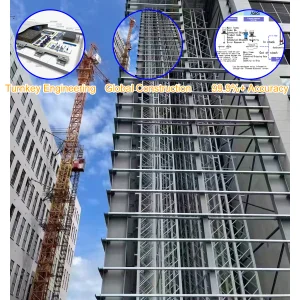
To support overseas partners, LogiSteel provides localized design resources, including complete CAD layouts and 3D stress analyses. In high-risk seismic zones, our engineering team customizes column baseplate thickness and anchor-bolt layout configurations to prevent structural failure, offering local engineers the calculations needed for rapid building permit approvals.
Deploying high-density systems inside optimized microclimates and industrial supply chain environments.
Industrial freezers require significant energy. Reducing spatial volume per pallet through drive-in systems significantly lowers operational cooling costs.
Perfect for identical product lines where expiration dates are managed in batch blocks. Simplifies forklift access to high-volume products.
Ideal for raw materials waiting to be transferred to the production line, providing high-density storage prior to processing.
When selecting a top racking supplier, look beyond basic cost-per-pallet metrics. Procurement teams should evaluate these crucial parameters:
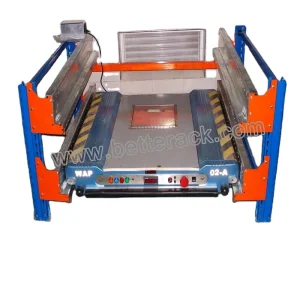
The material handling market is shifting toward semi-automated systems. While standard drive-in racking is highly cost-effective, integrating a Radio Shuttle Racking System can turn a LIFO system into a high-throughput FIFO system. Radio shuttles carry pallets down the lane via remote control, eliminating the need for forklifts to drive inside the racking, which reduces structural damage and improves safety.
Expert technical answers to standard design, implementation, and safety questions about drive-in racking.
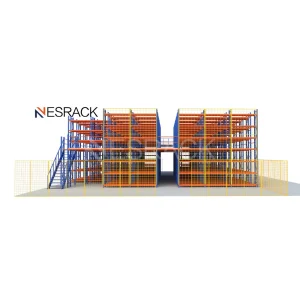
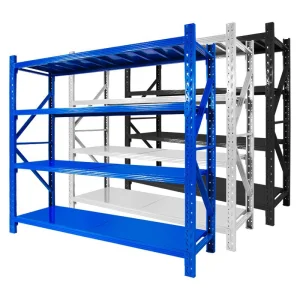
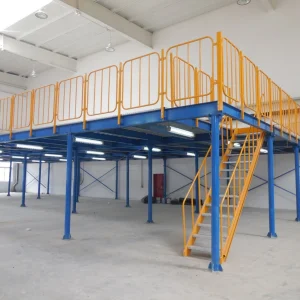
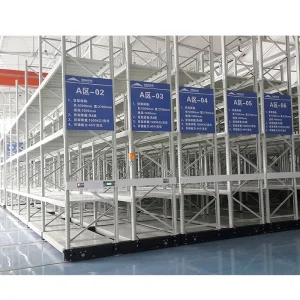
Our wider catalog of high-capacity storage fixtures, commercial steel shelving, and platform mezzanines.
 LogiSteel Racking