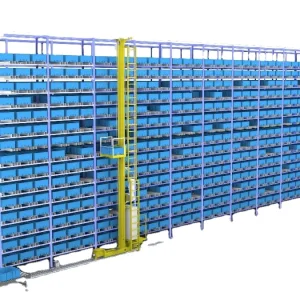
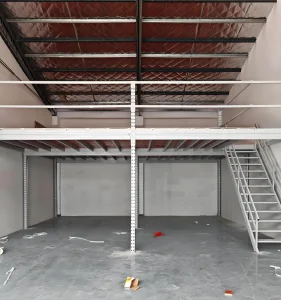
Direct factory sourcing of heavy-duty industrial systems engineered for global compliance and optimal structural reliability.
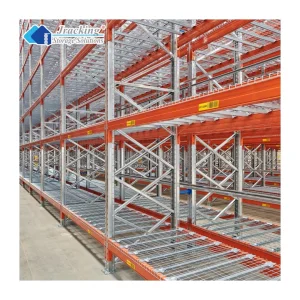
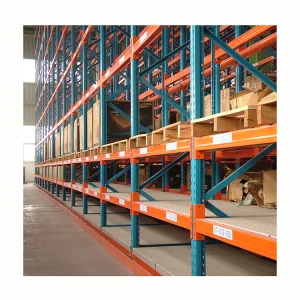
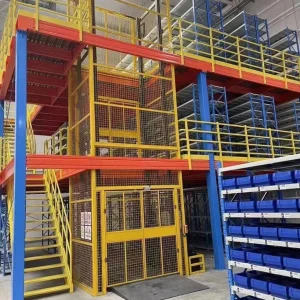
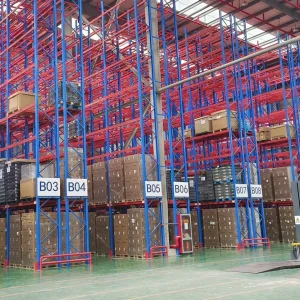
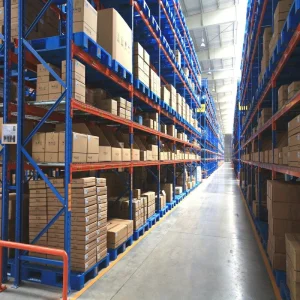
In the era of dynamic global supply chains, e-commerce escalation, and sky-rocketing land prices, maximizing warehousing footprints while retaining immediate stock accessibility is no longer optional. It is a critical survival mechanism. Selective Pallet Racking remains the undisputed foundation of industrial storage, delivering 100% SKU selectivity. This engineering setup serves as the primary gateway to automated material handling, optimizing forklift operations, dynamic inventory turns, and load-safety management.
As globally connected supply chains shift from localized warehouses to mega distribution centers, the performance expectations of selective racking have changed. High-density structures must balance structural flexibility with absolute stability under seismic conditions. As leading exporters, we engineer selective racking systems that transition warehouse systems from basic storage vaults into optimized nodes of high-throughput distribution networks.
Every pallet is directly accessible, facilitating rapid inventory rotation, flexible order picking, and zero displacement delays.
Easily adjustable beam heights accommodate variable pallet configurations and shifting commercial load dynamics.
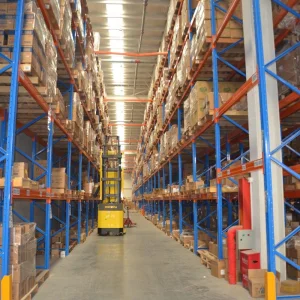
Integrates with reach trucks, counterbalanced forklifts, and VNA equipment to scale up vertical storage efficiency.
Where Advanced Metallurgy Meets State-of-the-Art Production Automation
Guangzhou LogiSteel Racking Co., Ltd. is a professional manufacturer specializing in the design, production, sales, and installation of various types of storage racking systems, display stands, and supermarket equipment. Over the years, LogiSteel has developed into a reliable supplier in the material handling and retail display industry.
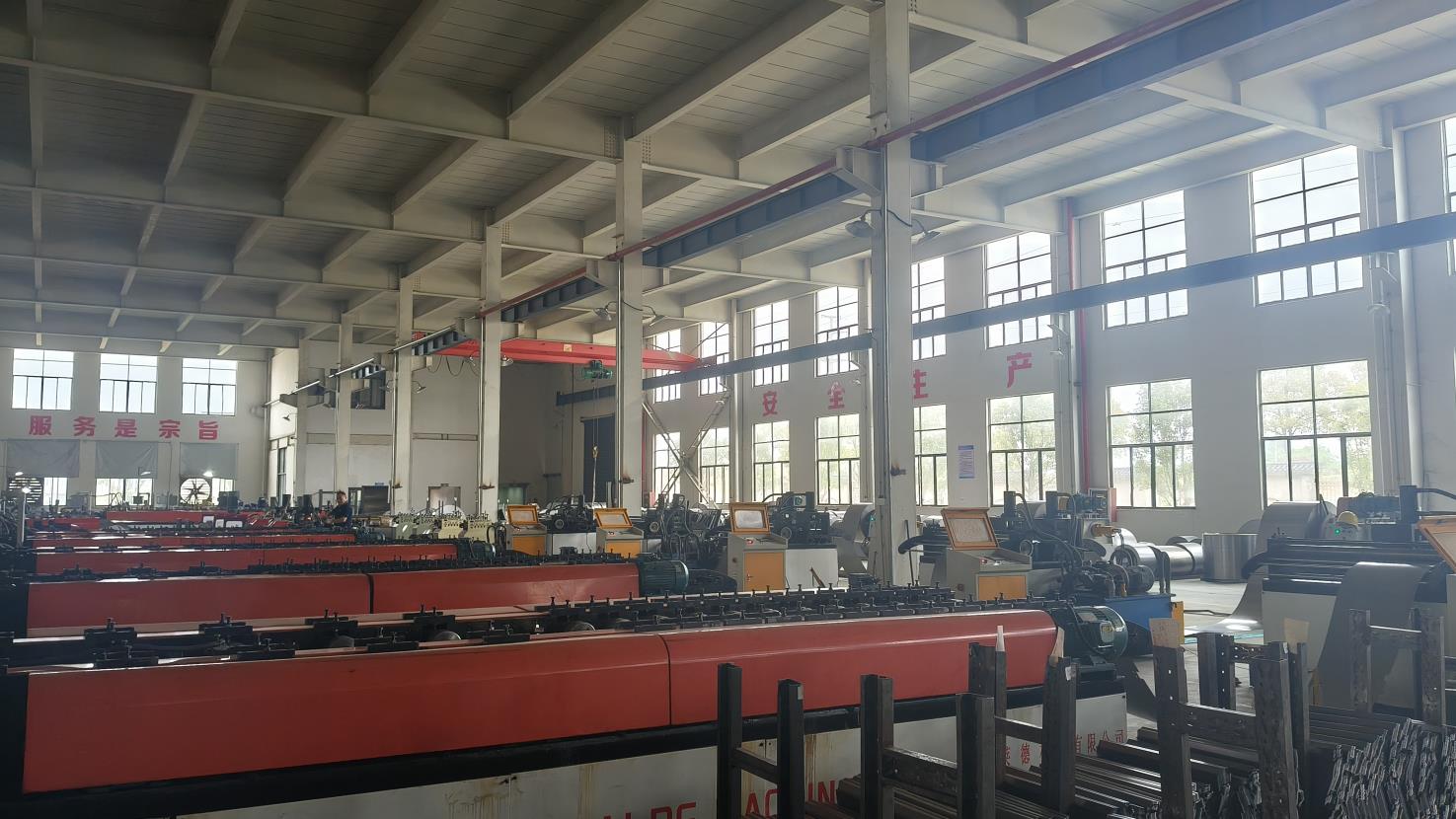
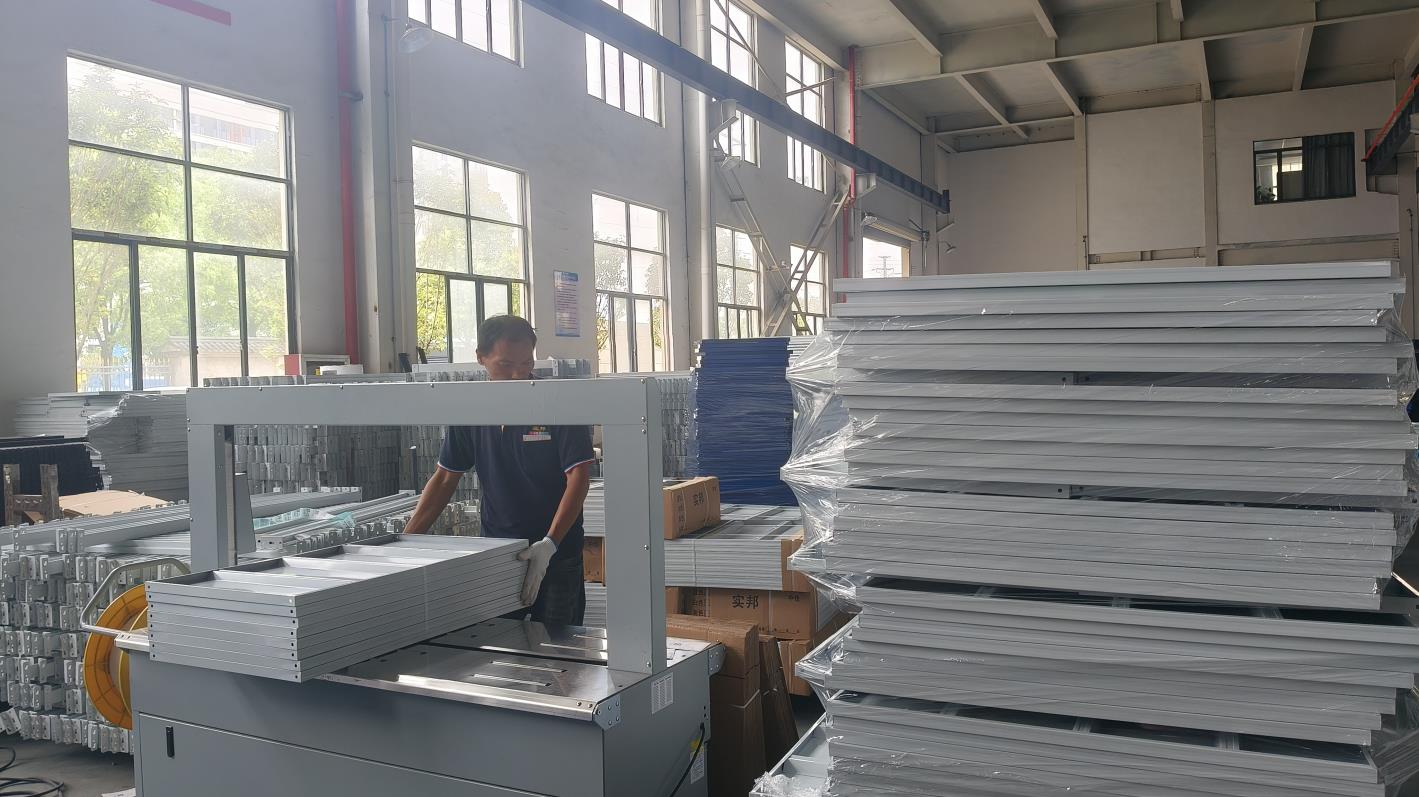
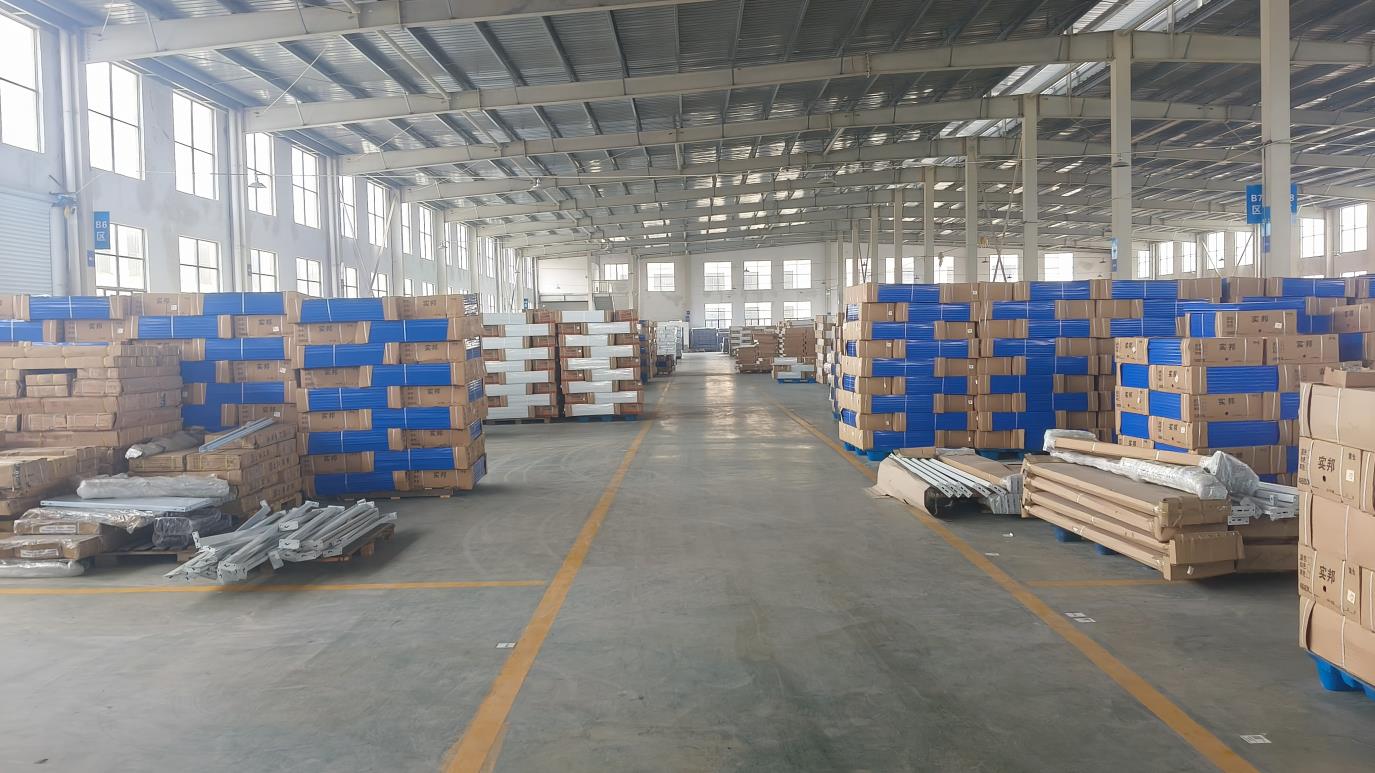
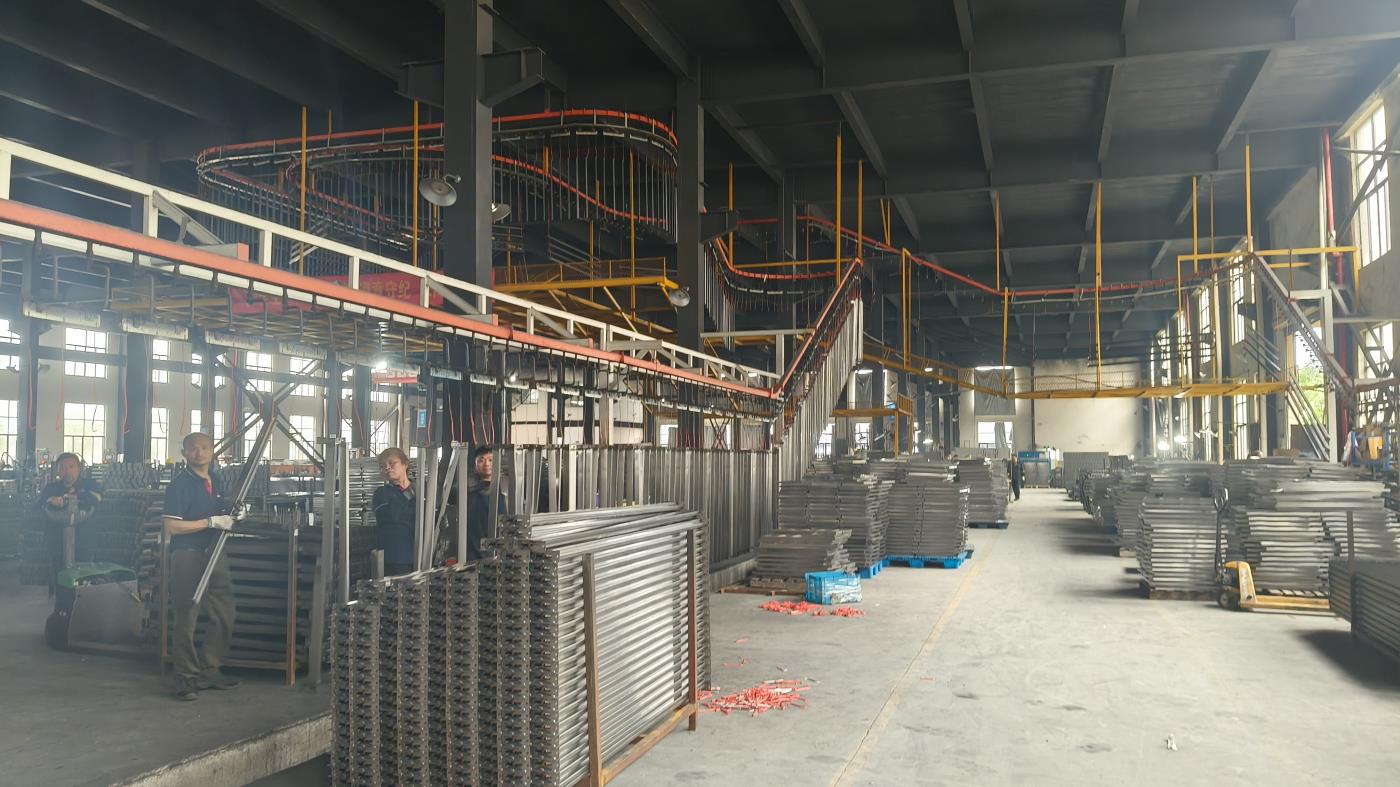
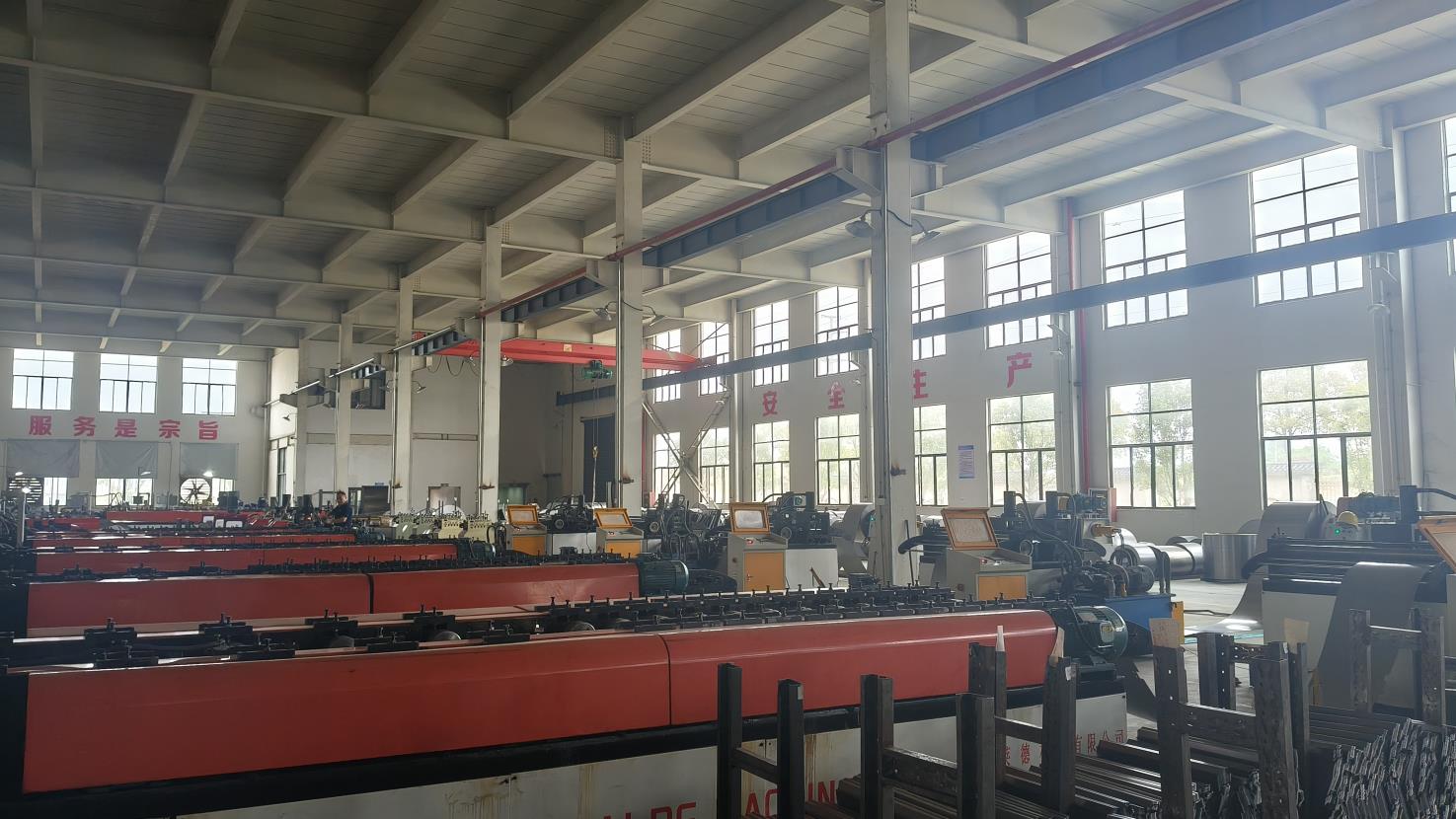
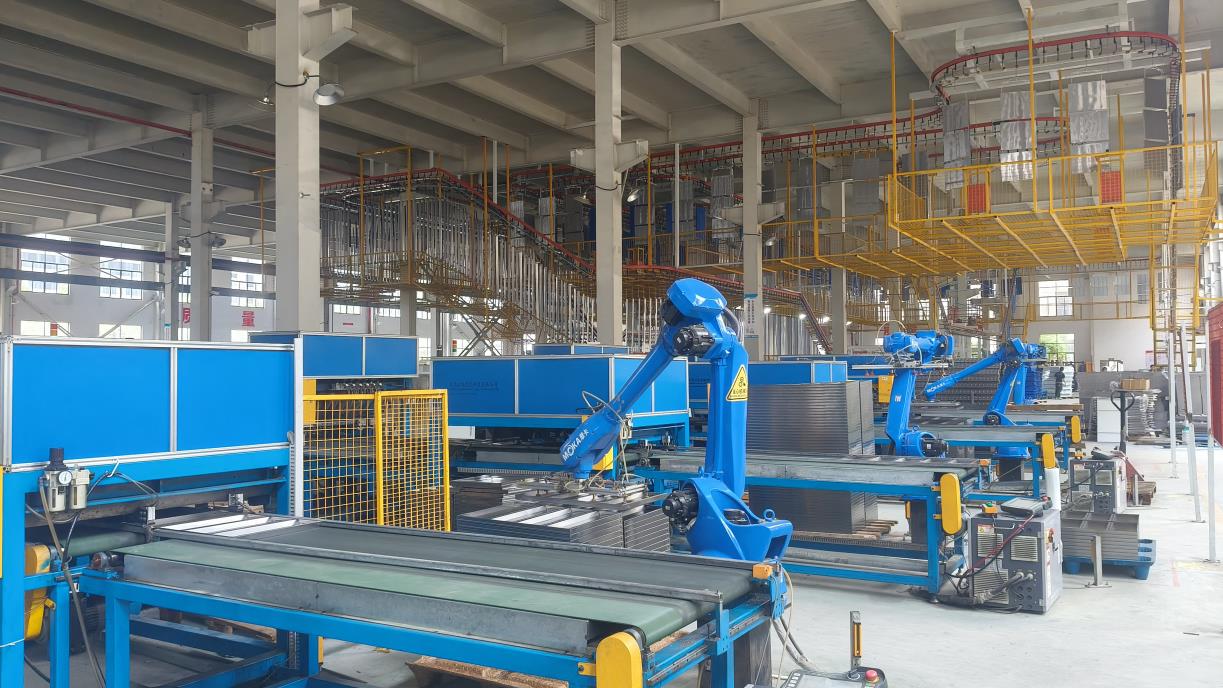
Our production campus covers a sprawling area of more than 15,000 square meters, employing over 200 skilled operations specialists and specialized engineering staff. With a strong commitment to quality control and technical expertise, we ensure that every batch of steel extruded from our facilities meets rigorous international safety margins.
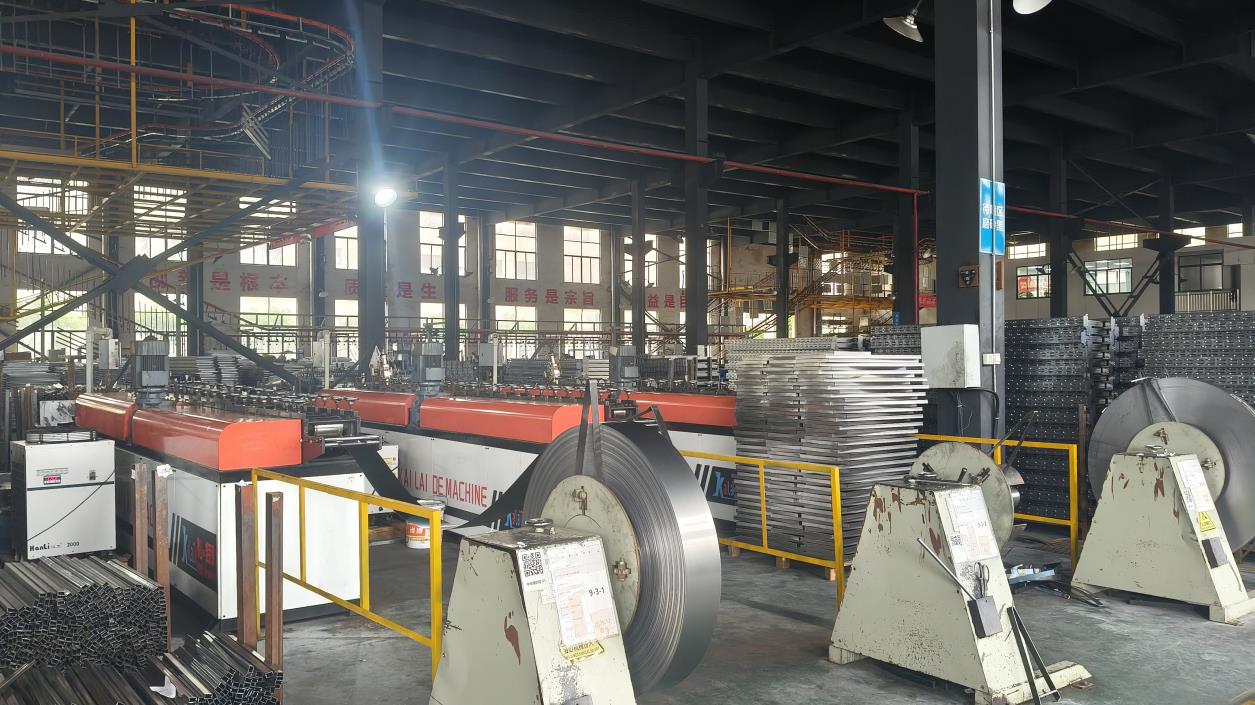
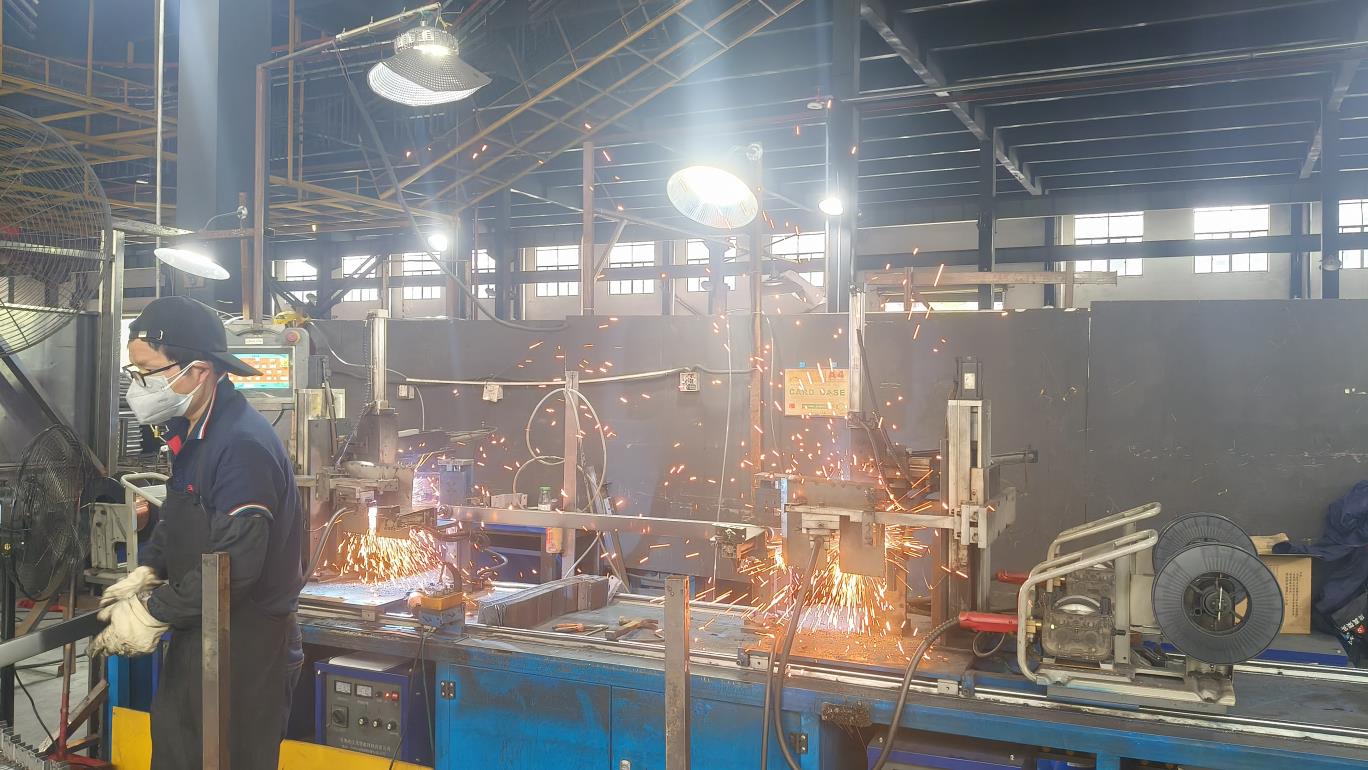
Our plant features advanced fabrication equipment, including tube cutting saws, tube punching machines, guillotine shears, hydraulic punching machines, plate bending machines, and automated spot welding machines. This equipment allows us to maintain high efficiency and precision throughout the manufacturing cycle.
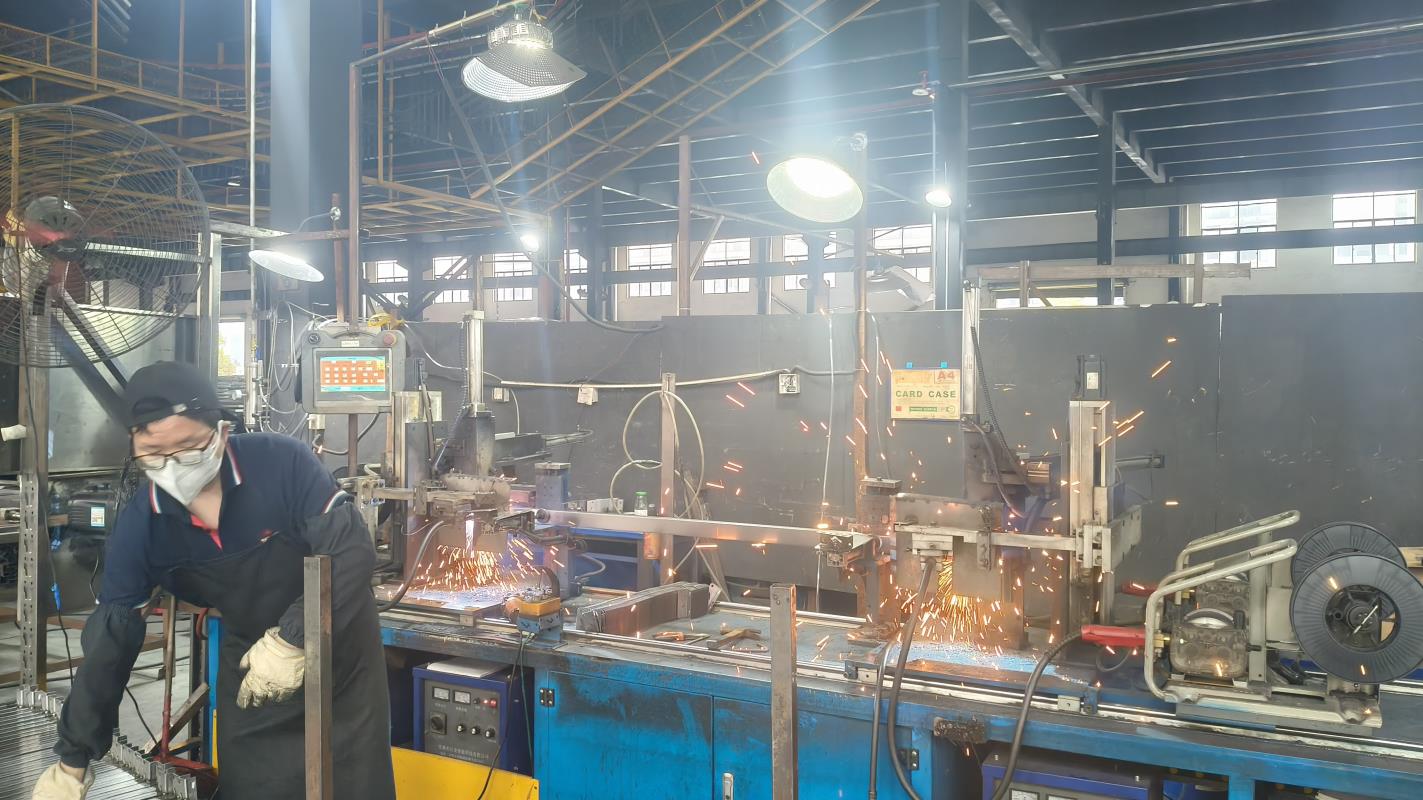
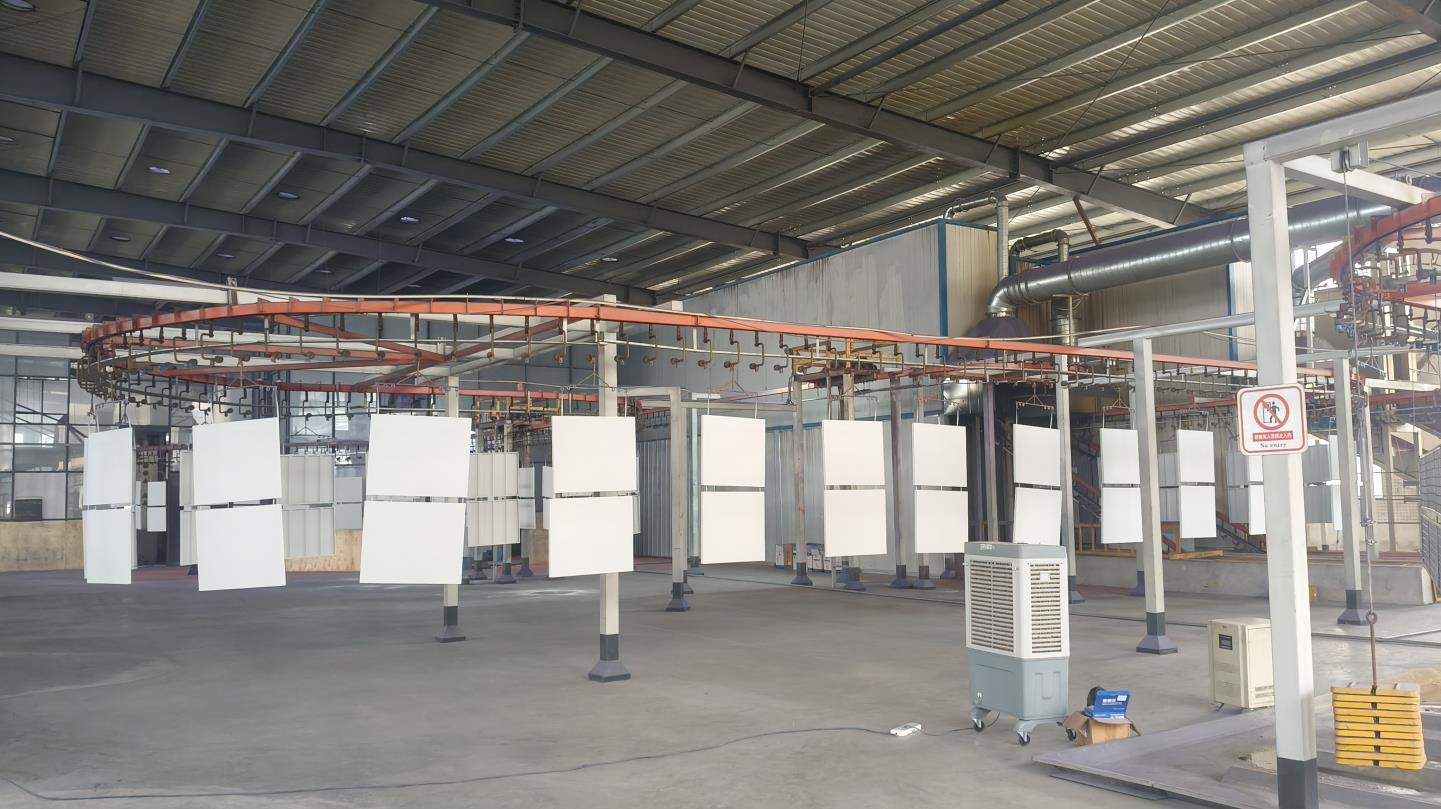
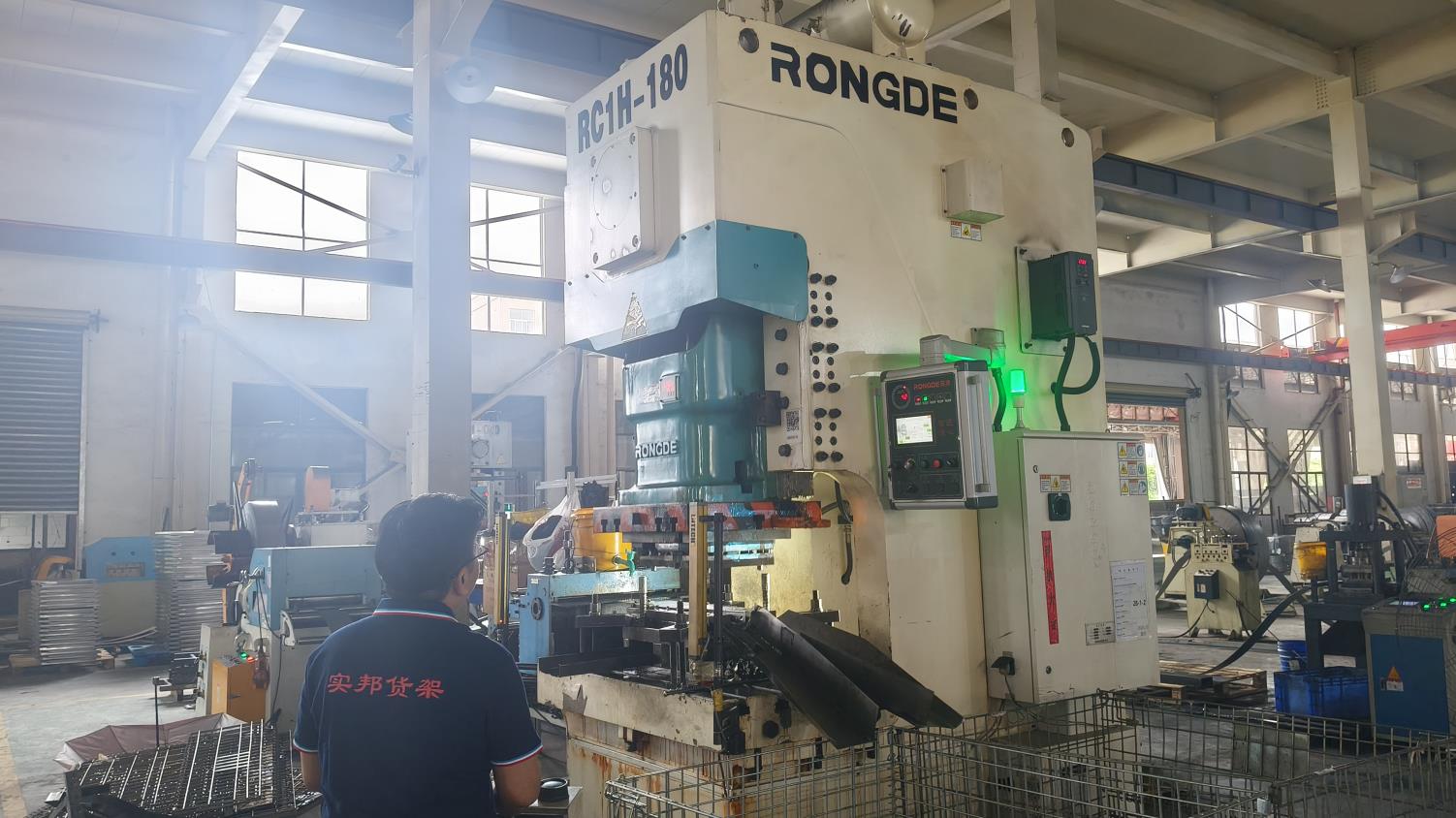
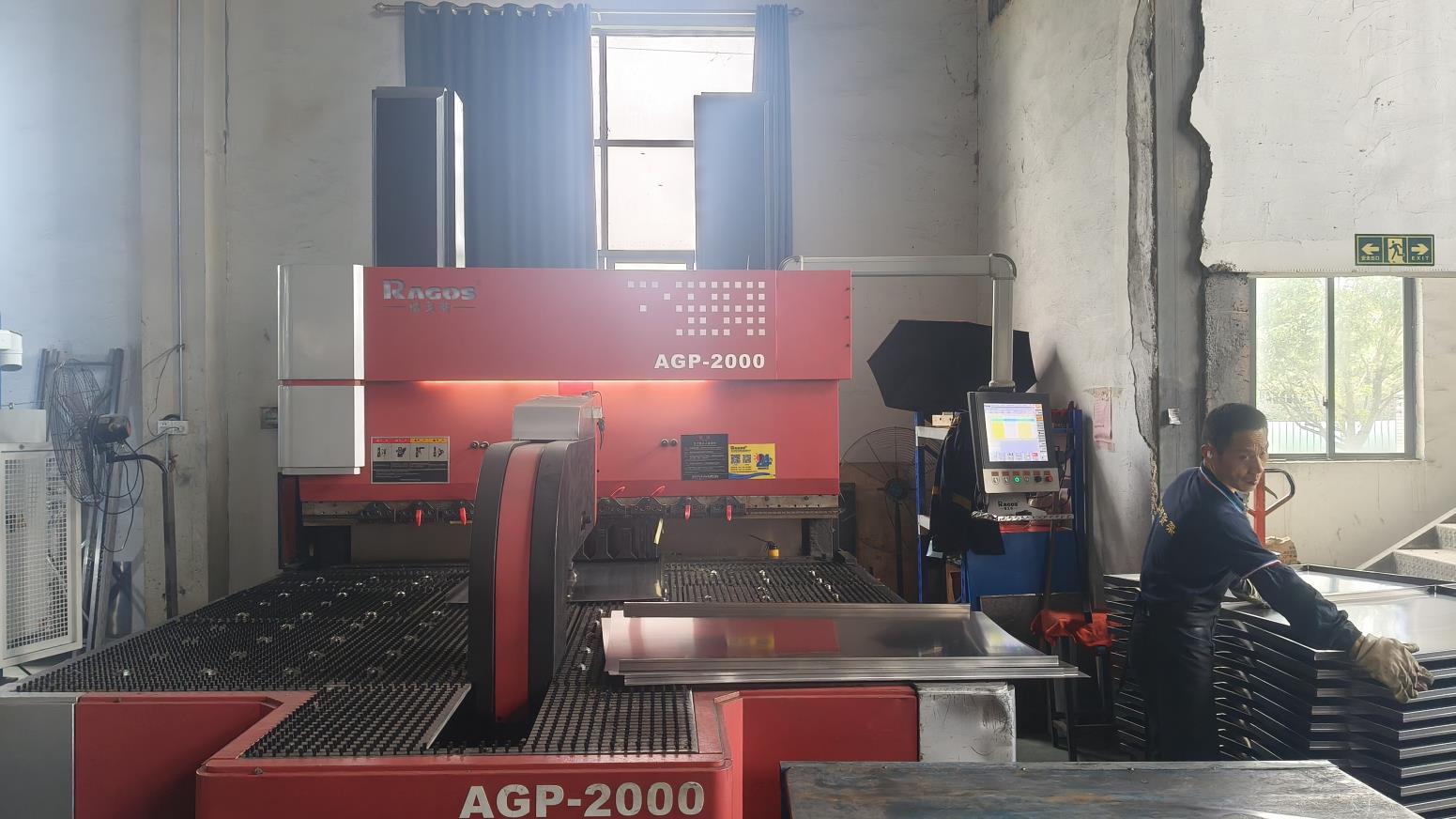
Adhering strictly to international RMI, CE, and FEM structural guidelines
Purchasing heavy-duty racking systems is an investment in both operational infrastructure and workspace safety. Our selective pallet racks are certified to comply with European CE standards, the Rack Manufacturers Institute (RMI) specification, and the Australian AS4084 standard. We utilize high-tensile hot-rolled steel coils, processed with precision cold-forming to ensure long-term structural integrity.
High-yield carbon steel provides structural resilience against heavy impacts, dynamic weight distributions, and fatigue.
A multi-stage wash followed by electrostatic powder coating provides a robust shield against chipping, scratching, and oxidation.
Available heavy-duty baseplates, customized floor anchoring, and structural bracing are engineered for seismically active zones.
Quality control at our factory goes beyond basic checks. We conduct structural testing to verify deflection limits (L/180 as per RMI specifications), weld integrity, and ultimate load limits. Our production line uses a tracking system that monitors raw material batches from initial punching through final baking. This process ensures that every beam and upright shipped to global distributors meets our strict quality standards.
Tailoring racking solutions to regional compliance and specialized industries
Our engineers work closely with regional distributors in Oceania, Europe, and the Americas. We ensure our layouts align with local regulations, including aisle clearances for local fire protection systems and specialized forklift turning radiuses. This design focus helps minimize on-site adjustment costs during installation.
The Evolution of Static Storage into Dynamic, Automated Logistics Nodes
Modern warehouse logistics is shifting from static steel frames toward smart, integrated storage solutions. The rise of automation, sensor integration, and eco-friendly manufacturing is shaping the next generation of racking system designs.
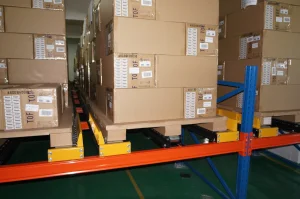
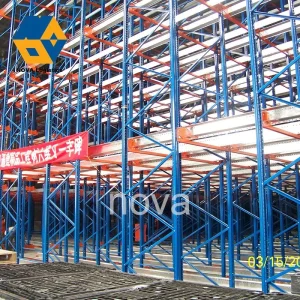
Retrofitting standard selective pallet racks with automated shuttle tracks. This setup enables high-speed FIFO/LIFO capabilities without requiring complete structural rebuilds.
Integrating IoT strain gauges and deflection sensors directly into the beams. The system alerts warehouse operations to structural stress or overloading before structural damage can occur.
Upgrading all finishing lines to zero-VOC, heavy-metal-free thermosetting powders. We prioritize high-yield steel sourced from environmentally conscious manufacturers, supporting corporate sustainability targets.
Answers to critical engineering, safety, and logistical procurement questions
Selective pallet racks are typically engineered to support capacities ranging from 1,000 kg to over 4,000 kg per beam level, depending on requirements. Frame capacities can exceed 20,000 kg depending on beam spacing, seismic conditions, and profile thickness.
RMI (Rack Manufacturers Institute) compliance is required for US installations to meet OSHA and building code standards. CE certification is mandatory for the European Economic Area. Guangzhou LogiSteel designs and manufactures products to meet these guidelines, streamlining the local engineering approval process.
Key safety components include column protectors to cushion forklift impacts, row spacers for structural stability, wire mesh decking to support damaged pallets, and structural dynamic safety locks to prevent accidental beam dislodgement.
Yes, our modular design allows beams and uprights to be disassembled, relocated, and reconfigured. However, changes to layout heights or load profiles should be reviewed by an engineer to ensure the structure remains within safe load limits.
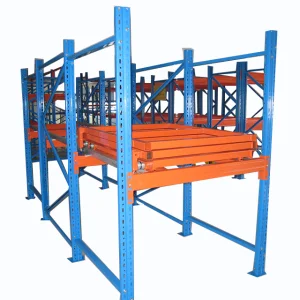
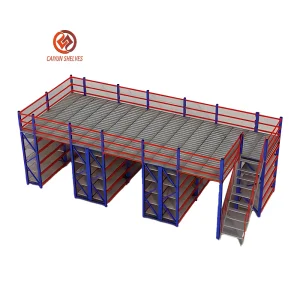
Explore our technical range of specialized mezzanine floor platforms, push-back mechanisms, and automated storage solutions.
 LogiSteel Racking