Engineered for maximum spatial performance, accessibility, and industrial durability. Browse our premier product lines below.
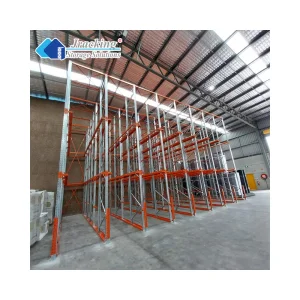
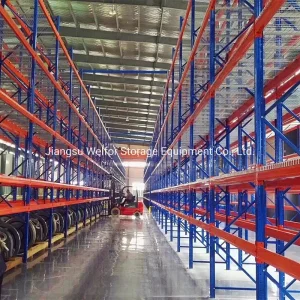
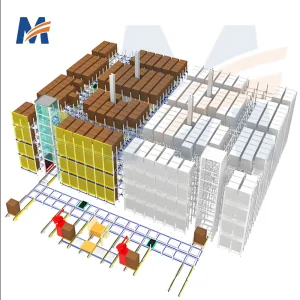
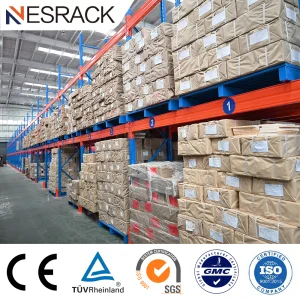
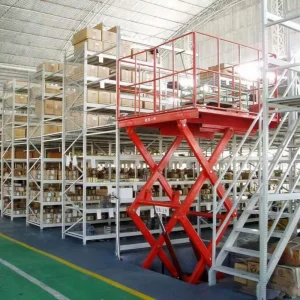
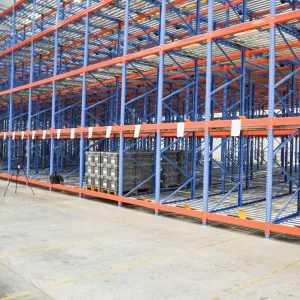
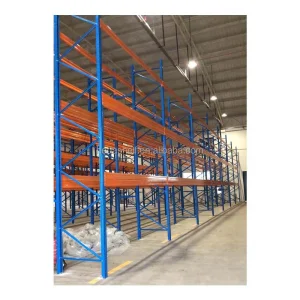
In the modern era of logistics and industrial management, spatial utilization has progressed from a cost-control metric to a definitive competitive advantage. As land acquisition costs soar and global supply chains face unprecedented volatility, operations are forced to maximize vertical space rather than expanding their physical footprints. Traditional selective racking architectures, while providing direct accessibility, consume up to 60% of potential storage capacity in empty access aisles.
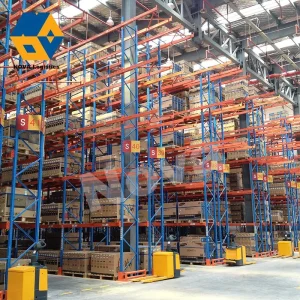
To combat this inefficiency, modern enterprises are deploying advanced high-density storage architectures. By leveraging technologies such as Drive-In systems, Pallet Flow setups, Push-Back configurations, and fully Automated Storage and Retrieval Systems (ASRS), companies can increase storage capacity by 80% to 120% within the same physical perimeter. This whitepaper analyzes the engineering dynamics, manufacturing standards, and sourcing paradigms that define high-density storage solutions today.
Understanding the requirements of multi-national procurement divisions and global trade guidelines.
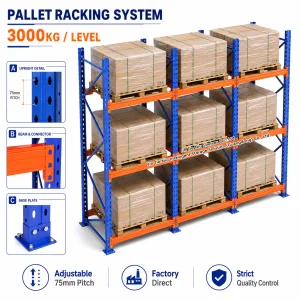
Global procurement mandates compliant, trace-verified structural materials. High-density structures demand premium certified grade carbon steels (typically Q235B or Q355B in China), cold-formed to match design load requirements. Conformance to international codes such as FEM 10.2.02, RMI, and EN 15512 determines safe structural load capacities.
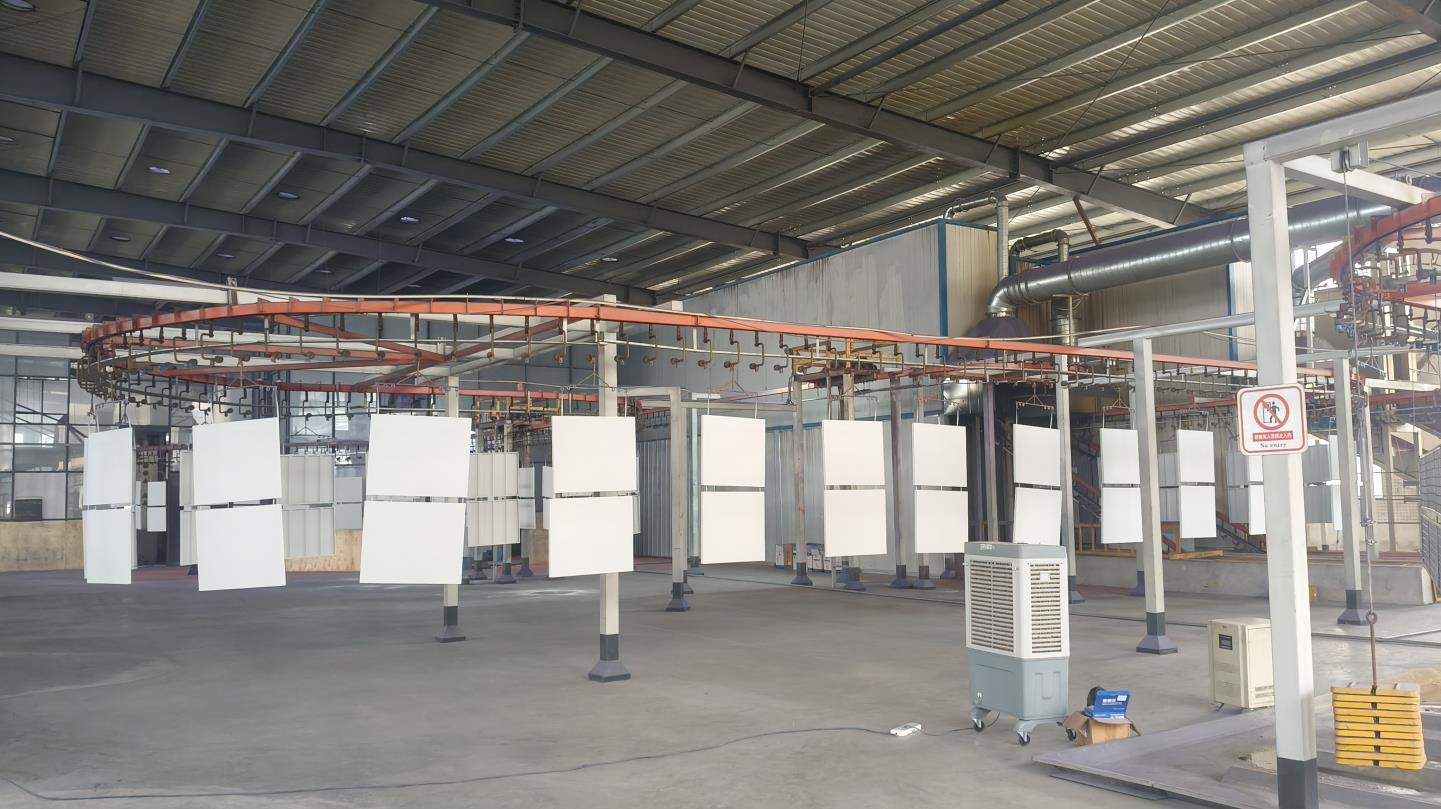
In controlled environments like cold storages, standard coatings degrade rapidly. Logistics operators look for specialized thermosetting epoxy powder coatings or hot-dip galvanized finishes. These coatings prevent rust formation, structural fatigue, and dynamic failure under sub-zero temperatures.
High-density storage racking systems act as massive structural units. Regions prone to seismic activity require specialized design calculations utilizing finite element analysis (FEA). Baseplates, structural bracing, and anchoring configurations must dissipate seismic forces to preserve warehouse structural integrity.
Guangzhou LogiSteel Racking Co., Ltd. is a professional manufacturer specializing in the design, production, sales, and installation of various types of storage racking systems, display stands, and supermarket equipment. Over the years, LogiSteel has developed into a reliable supplier in the material handling and retail display industry.
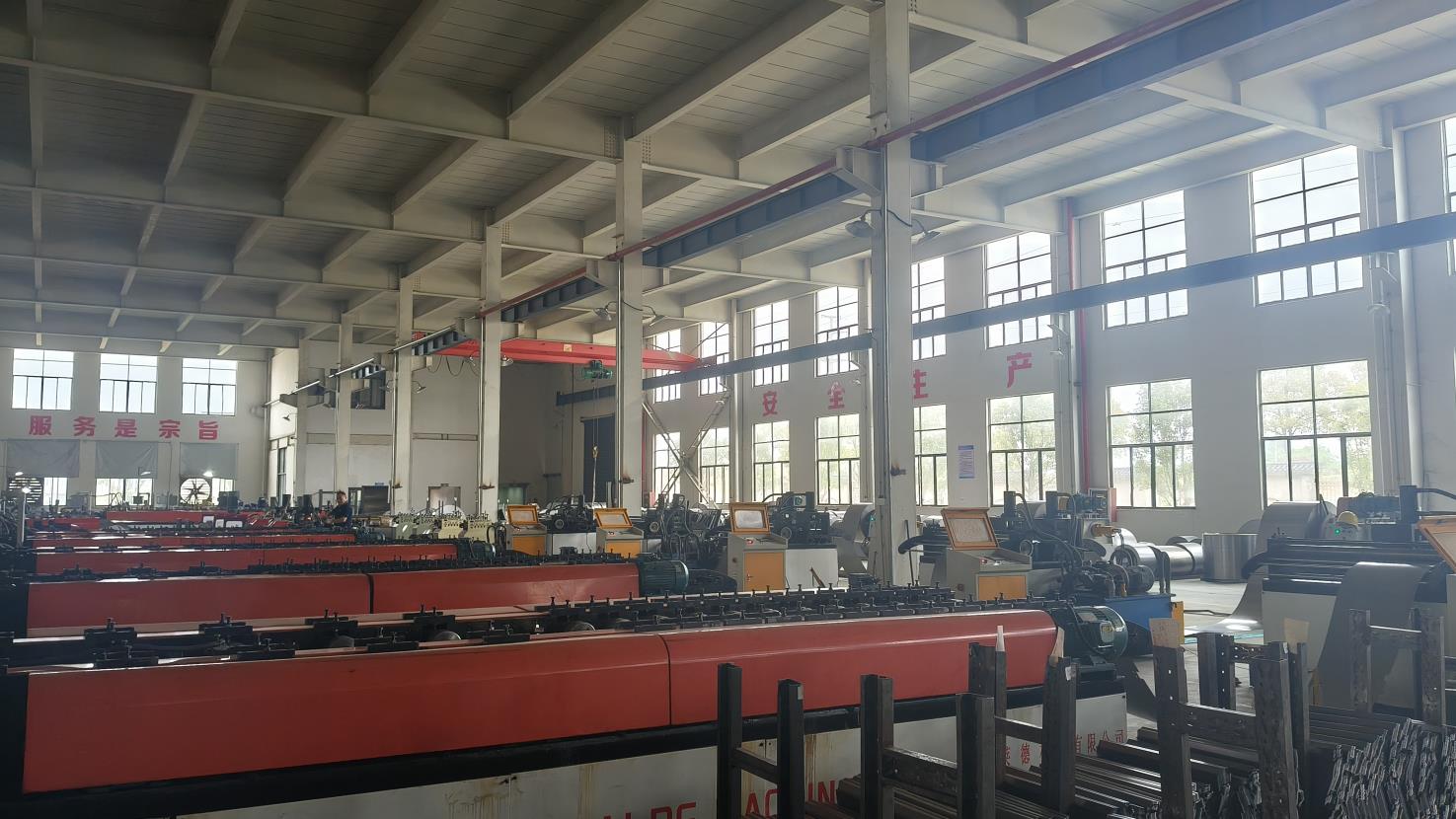
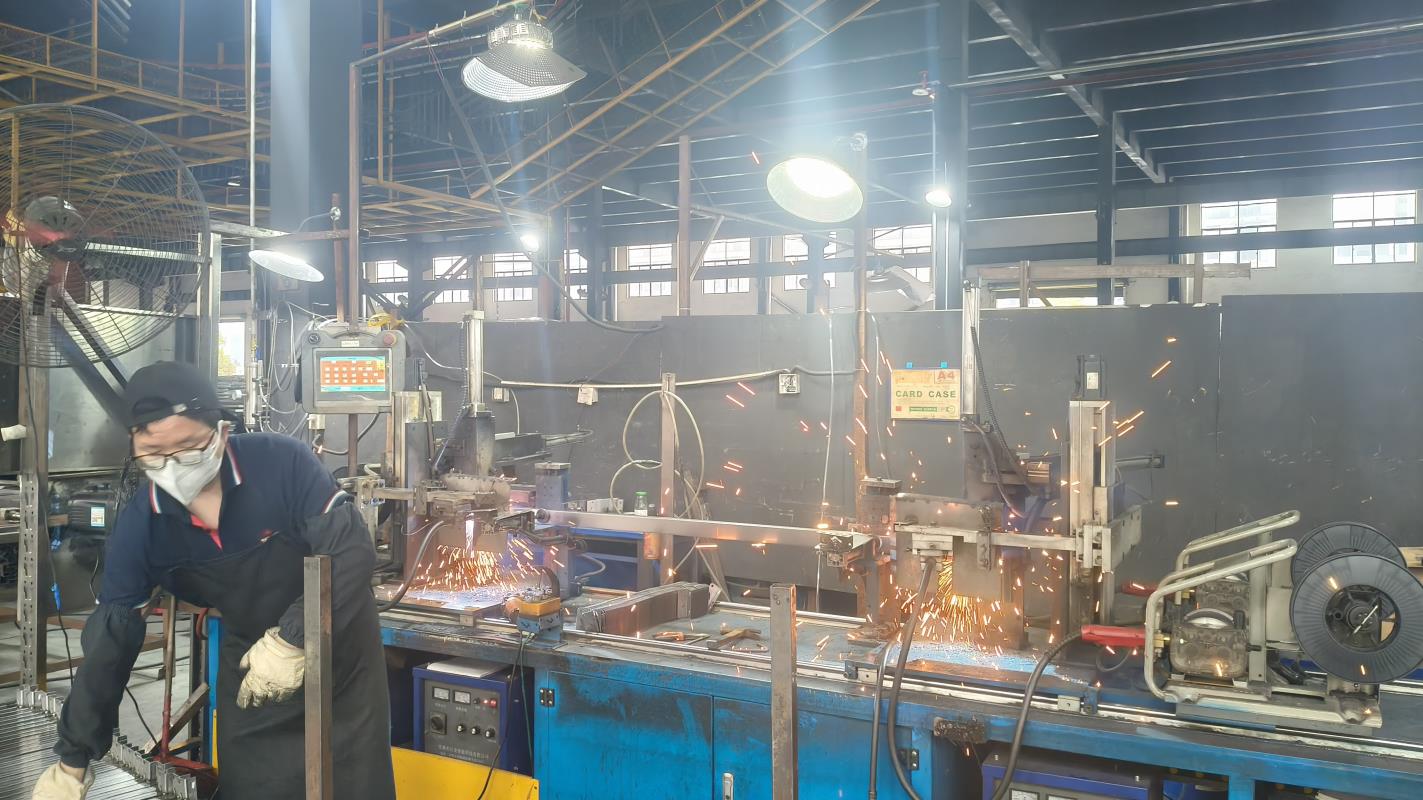
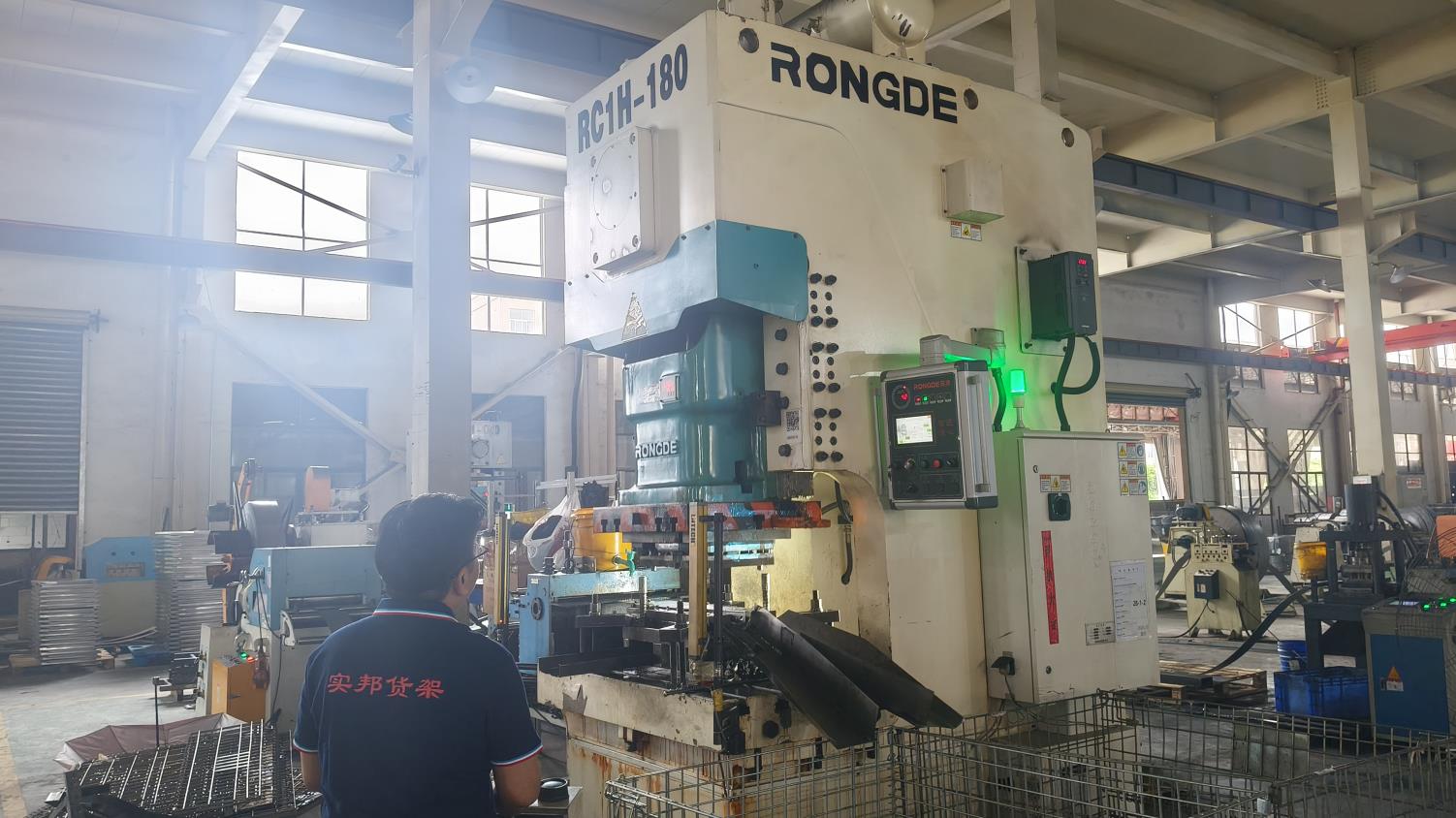
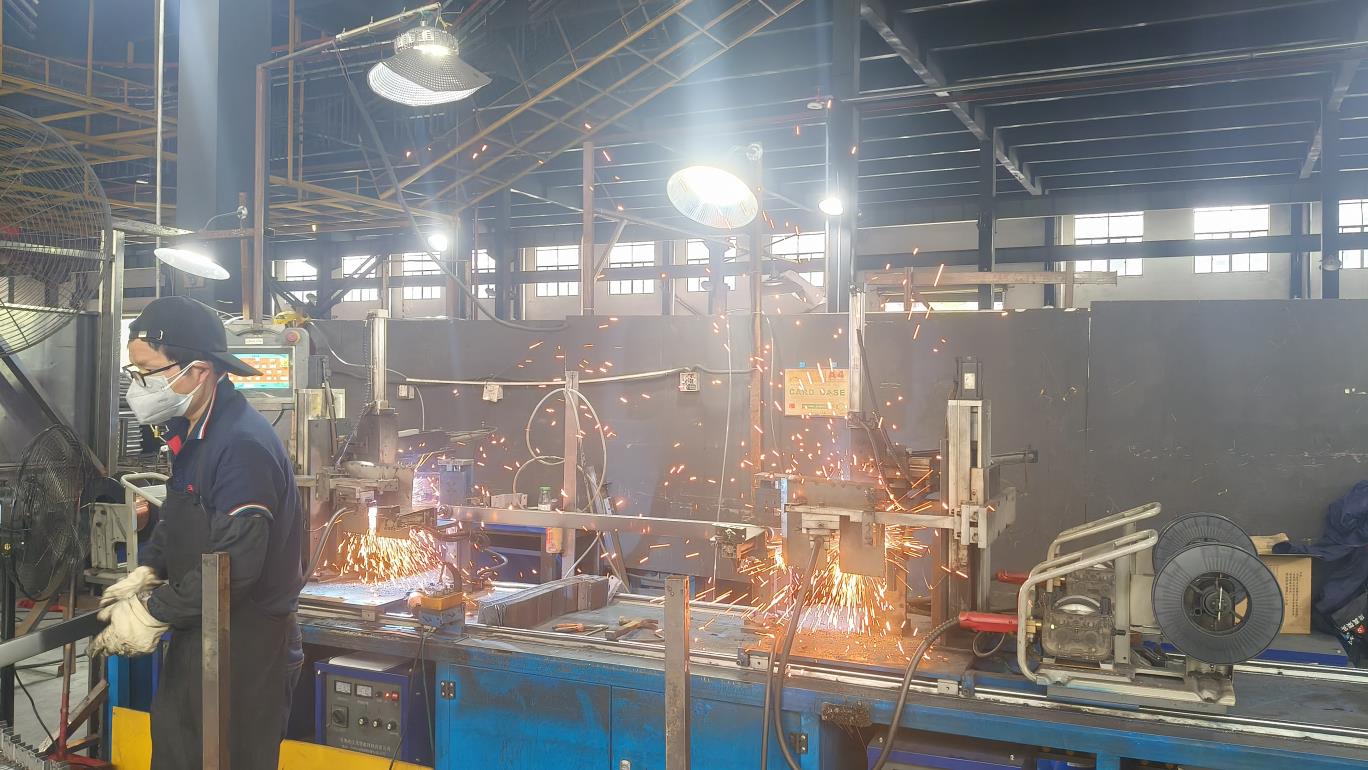
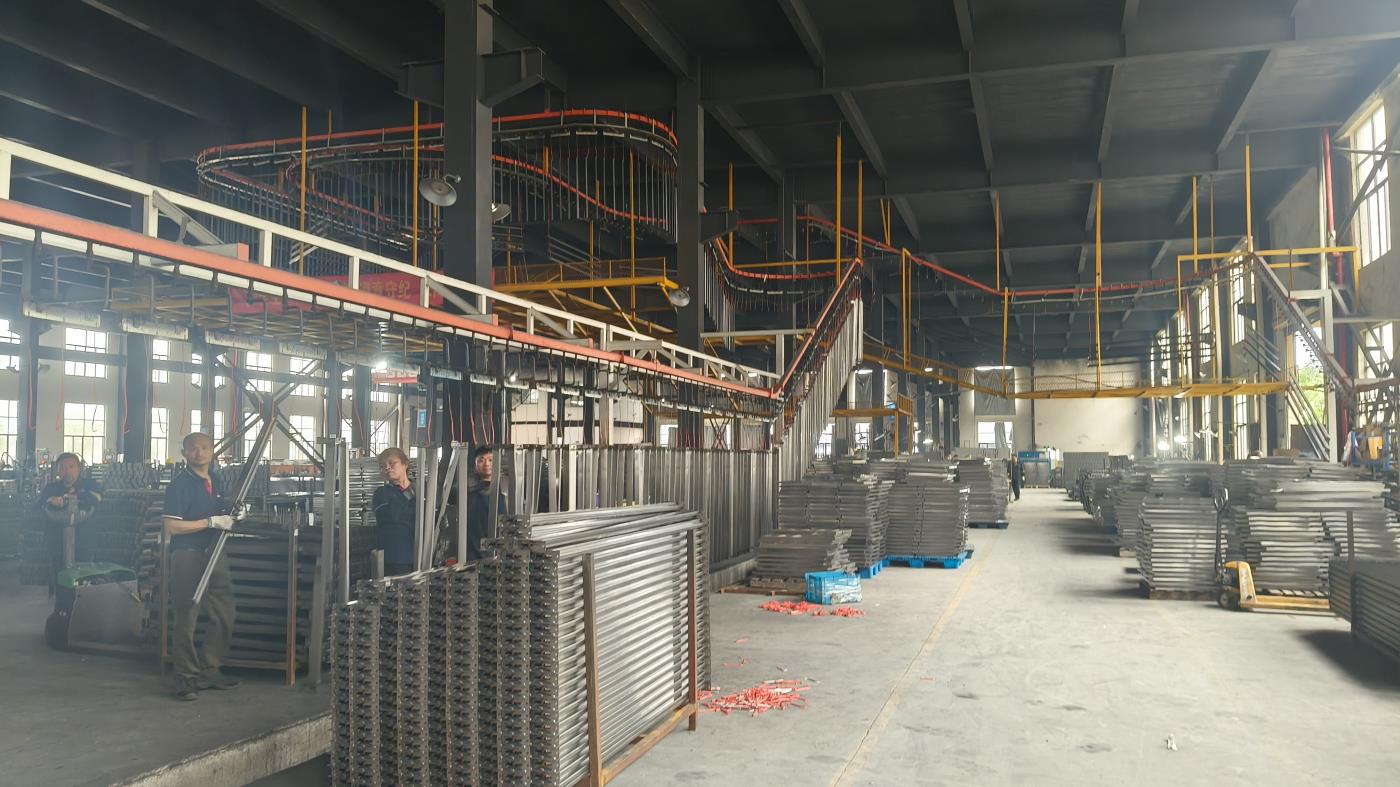
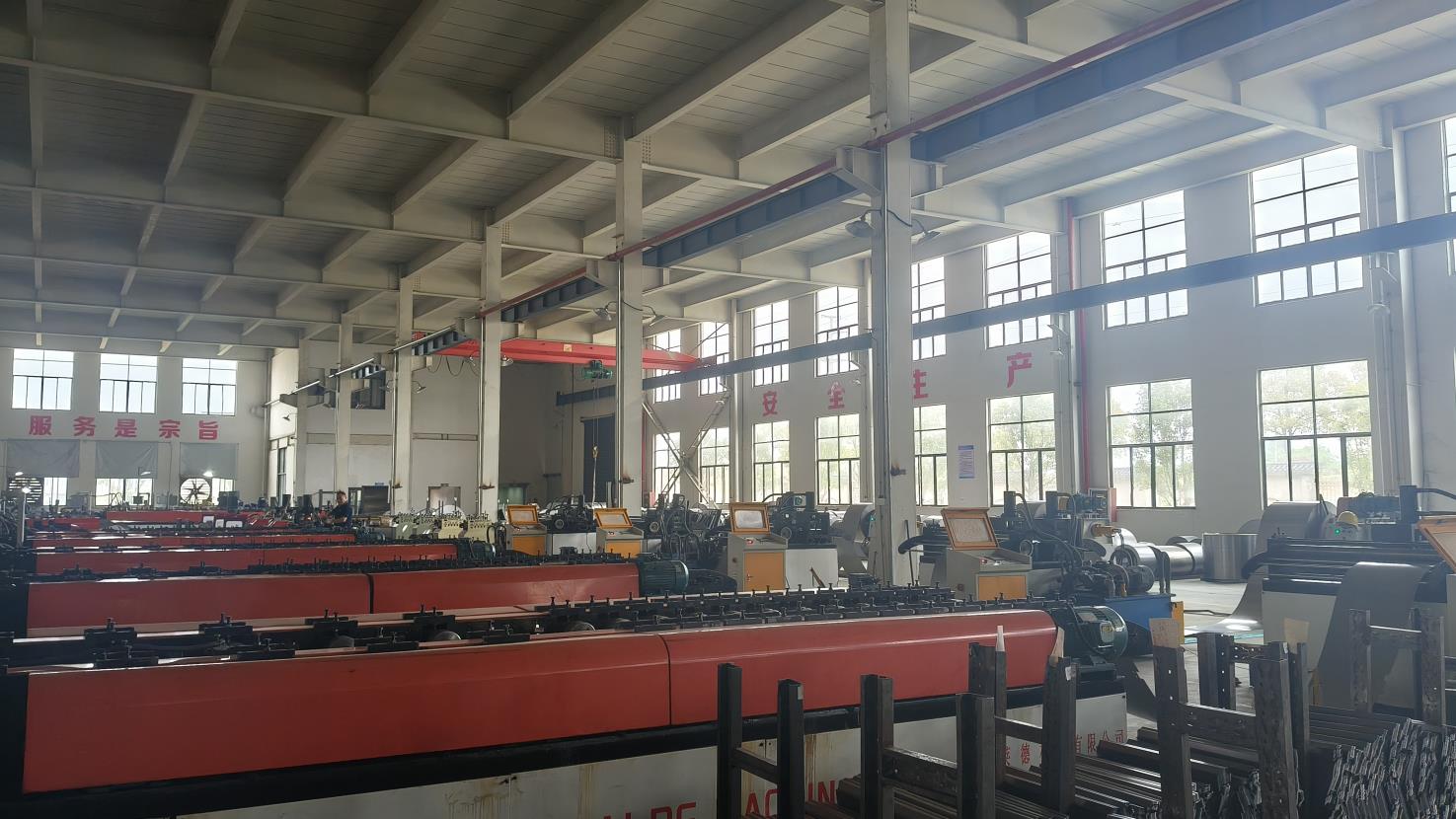
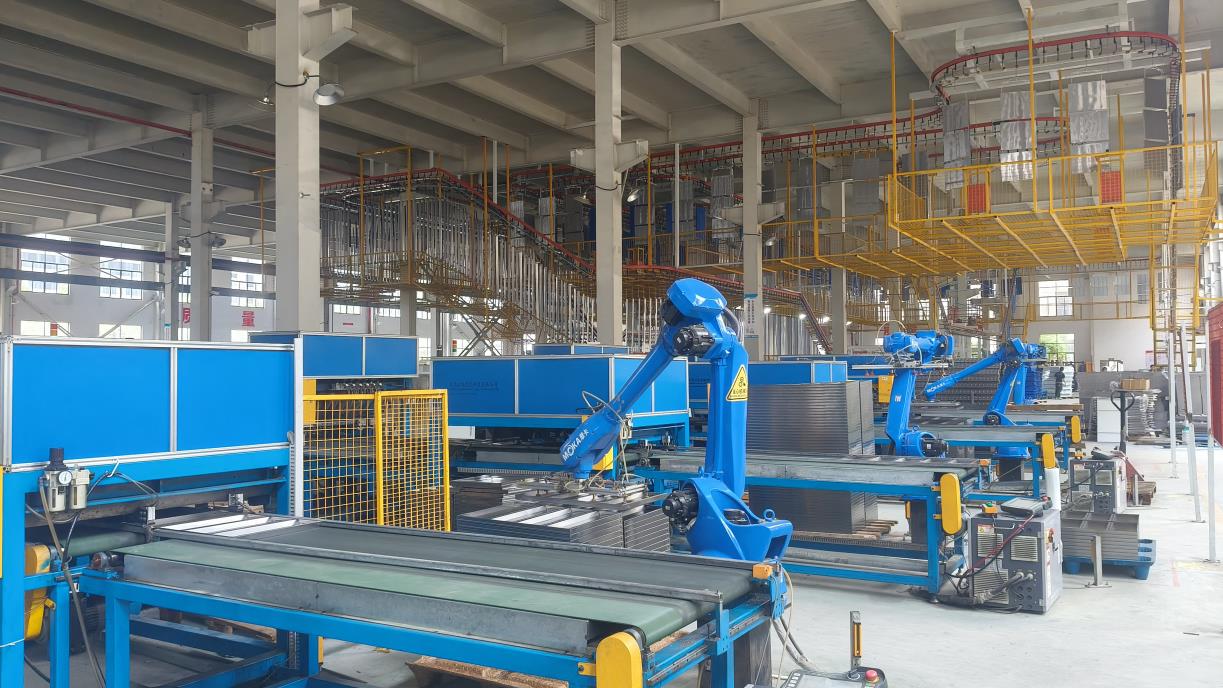
Our state-of-the-art manufacturing factory covers an area of more than 15,000 square meters and employs over 200 skilled workers and technical staff. Equipped with strong technical capabilities and advanced production machinery—including tube cutting saws, tube punching machines, guillotine shears, hydraulic punching machines, plate bending machines, and spot welding machines—we ensure high efficiency and precision throughout the manufacturing process.
Our certified production lines output high-grade systems compliant with strict CE standards, securing safety and stability under demanding industrial conditions. With an annual revenue exceeding 15 million USD, we serve major corporations and logistical hubs across Oceania, Asia, Europe, South America, and the Middle East.
"Guided by the principle of 'Best Quality, Durable Structure, Innovative Design, and Customer Satisfaction,' we are committed to continuous improvement and technological innovation."
Our automated production process relies on precision engineering to deliver components that meet international tolerance standards.
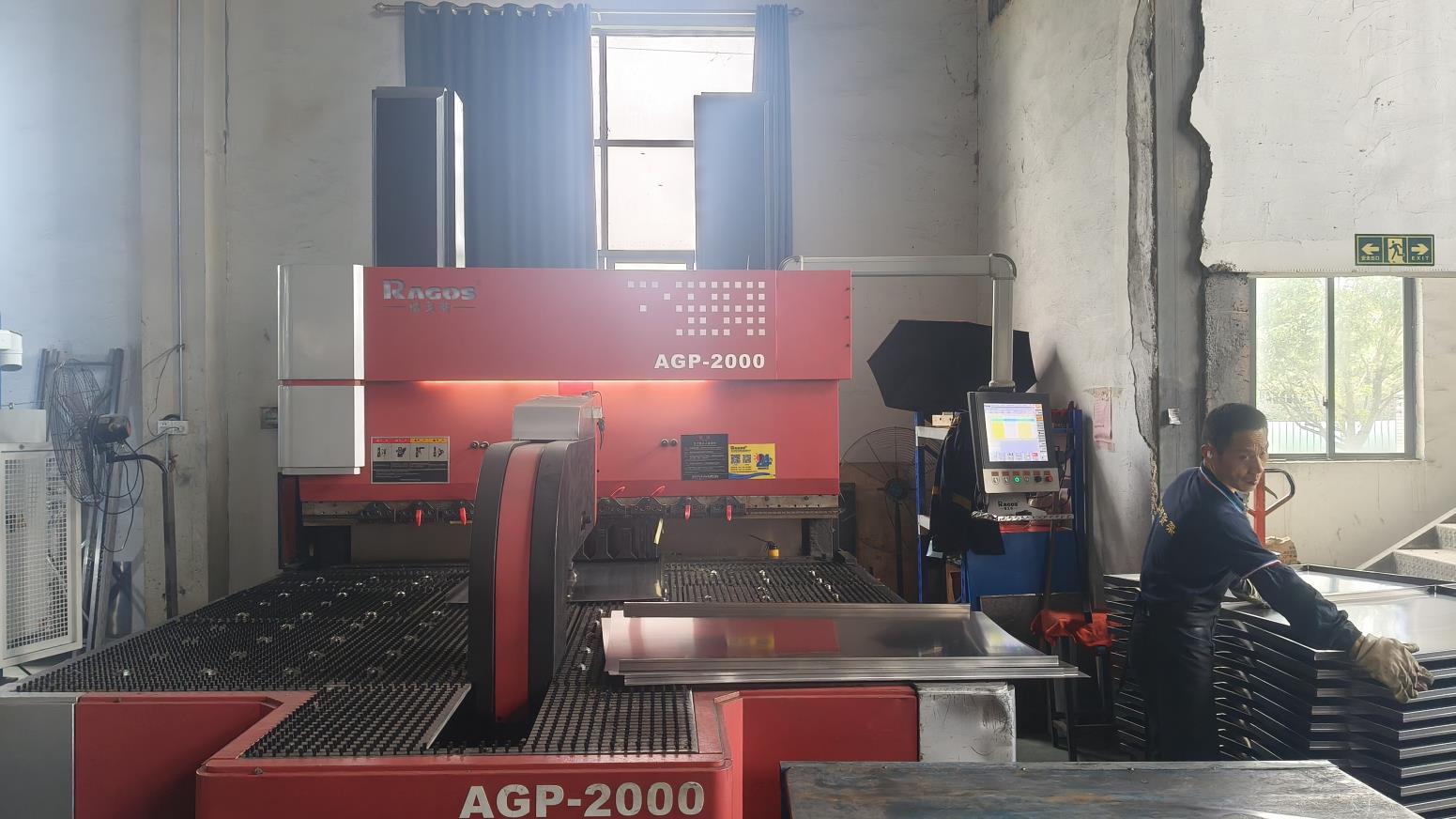
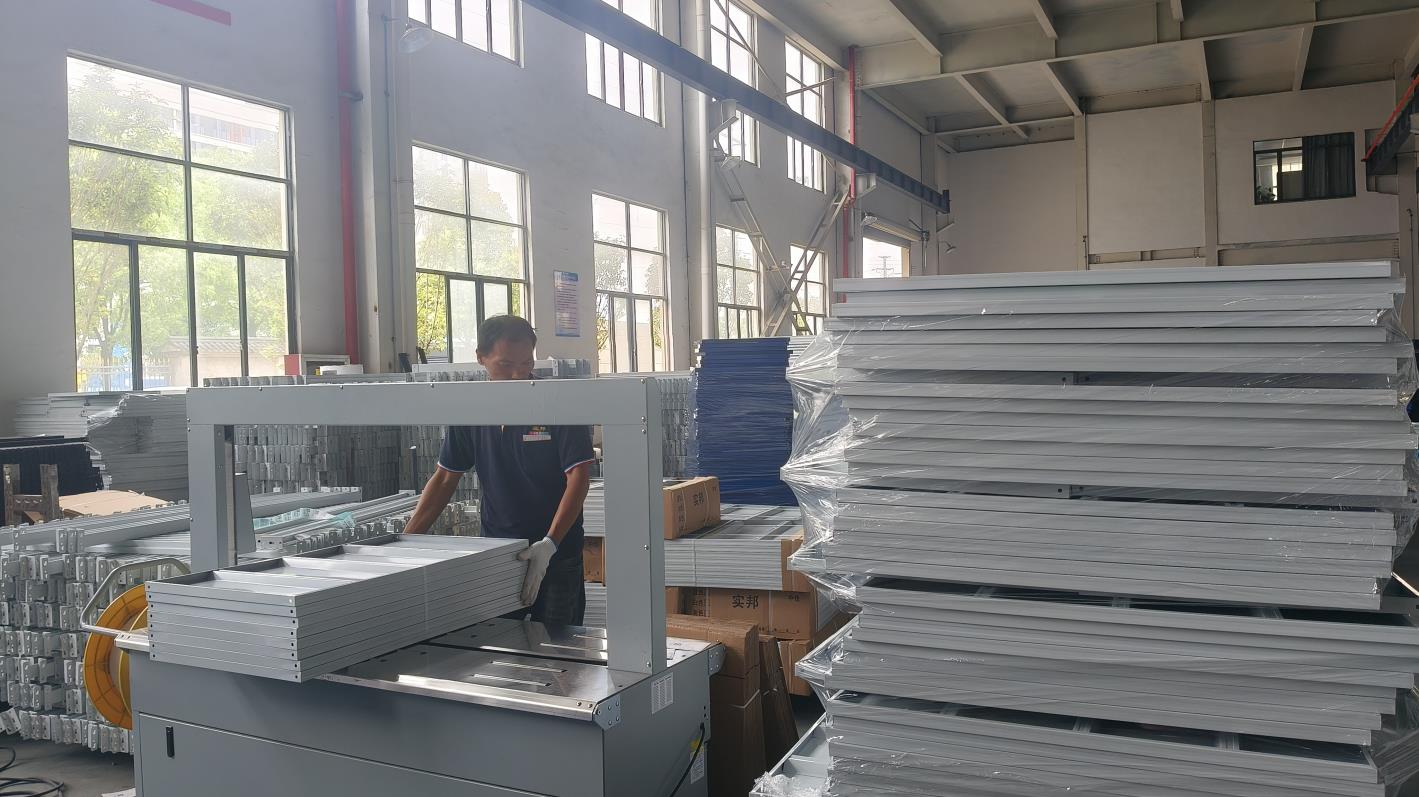
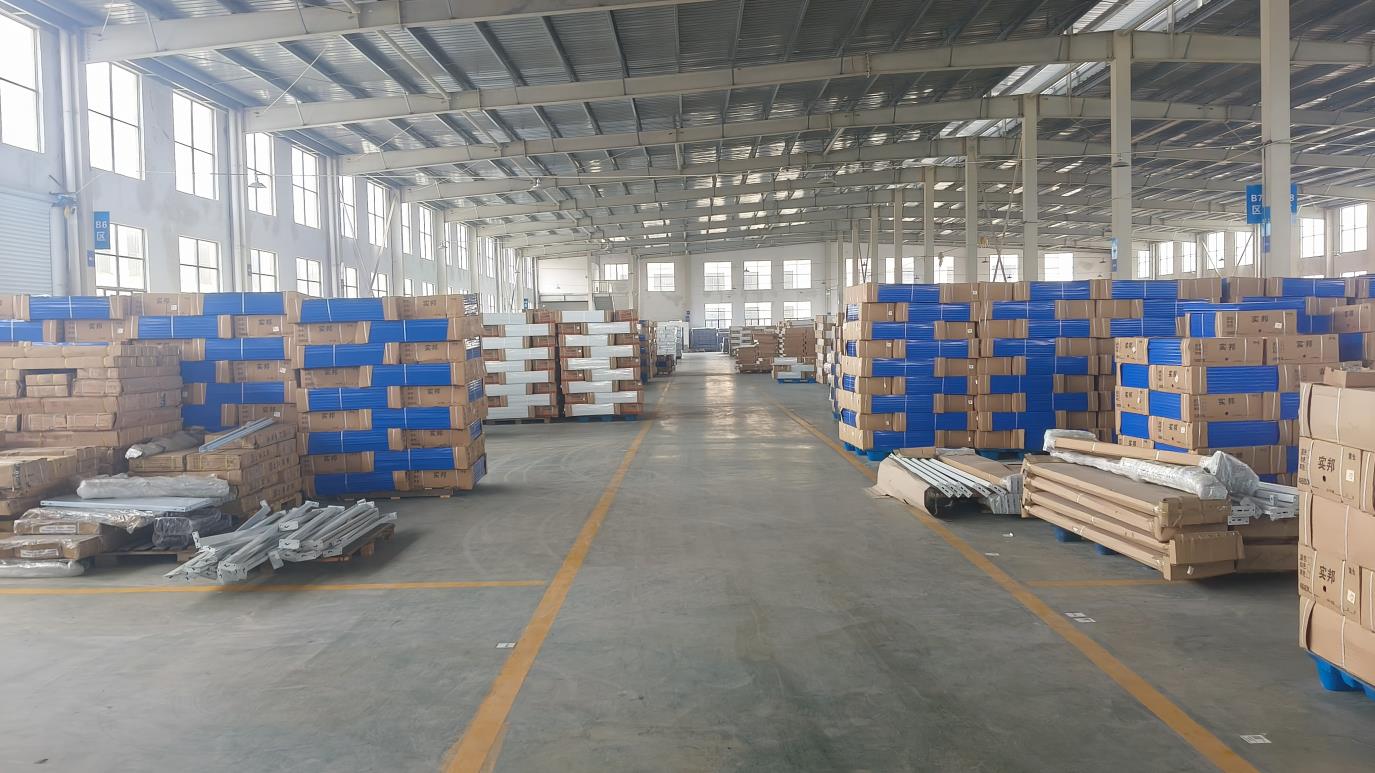
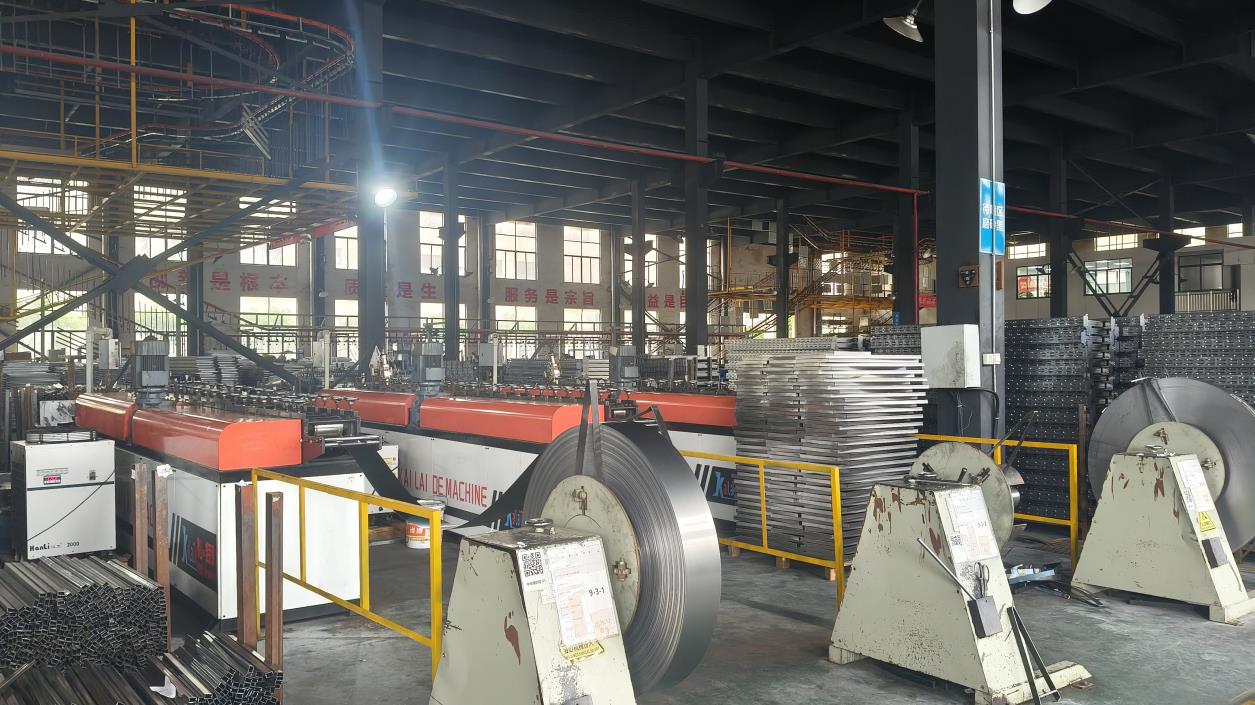
Different logistical models require tailored racking configurations to optimize cycle times.
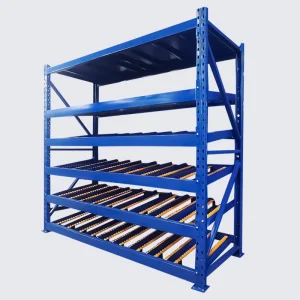
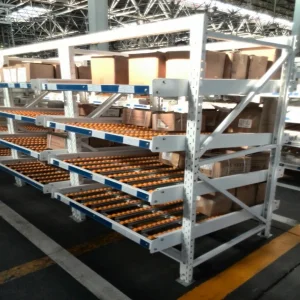
Fast-Moving Consumer Goods require systematic rotation. Incorporating Pallet Flow Racks utilizing gravity lanes guarantees strict First-In, First-Out (FIFO) movement, preventing product expiration and reducing internal forklift travel.
Conditioning air is expensive. By implementing high-density Drive-In Racking or Shuttle Systems, volume capacity is maxed out, reducing the overall volume of void spaces. This retains thermal energy and cuts down cooling utility expenditures.
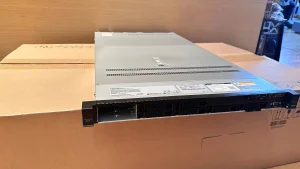
Modern automation relies on real-time database management and local execution servers. Our range supports industrial components, integrating server frameworks (like the Huawei Fusion 1U Rack Server) directly inside operational centers to manage inventory control software.
Professional engineering responses to critical operational inquiries raised by procurement officers and warehouse operations leads.
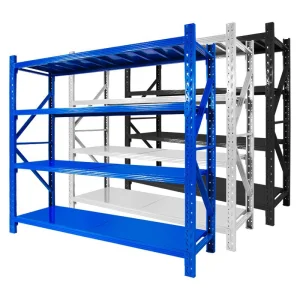
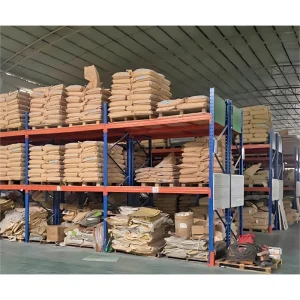
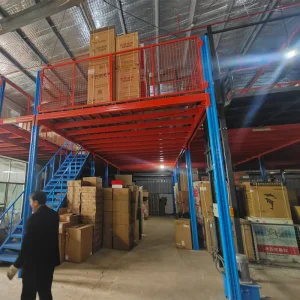
Flexible, multi-level storage assemblies optimized for high load distribution, safety, and inventory control.
 LogiSteel Racking