High-density engineering designs maximized for high-capacity warehouse operations across Northern California ports and eCommerce distribution facilities.
Navigating real estate premiums, regional distribution challenges, and seismic demands in the heart of Northern California.
The San Francisco Bay Area—including key industrial hubs like Oakland, Hayward, Fremont, and Richmond—presents one of the most competitive and high-cost commercial real estate environments in the United States. With industrial vacancy rates remaining consistently low, warehousing and logistics providers face intense pressure to squeeze maximum value out of every square foot. This economic reality has shifted focus from horizontal expansion to optimized vertical density.
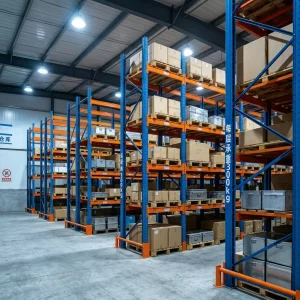
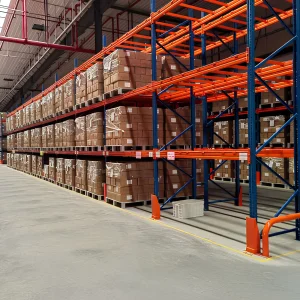
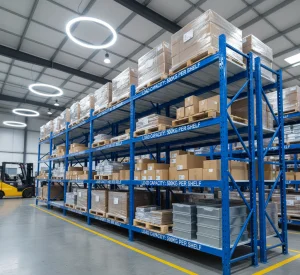
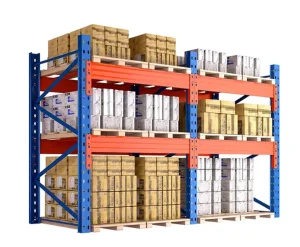
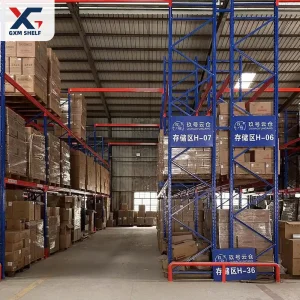
Utilizing heavy-duty pallet racks allows facilities to expand upward, converting empty vertical space into highly organized storage tiers. For companies relying on fast-moving goods or distribution connected directly to the Port of Oakland, structural reliability and high load tolerance of storage racking systems are paramount. LogiSteel’s systems are custom-configured to accommodate these tight configurations, providing robust structures that support heavier loads without compromising access or safety.
The proximity to Silicon Valley demands that modern warehousing in the SF Bay Area go beyond simple manual storage. Fulfillment facilities increasingly deploy Automated Guided Vehicles (AGVs), automated storage and retrieval systems (AS/RS), and sophisticated warehouse management software (WMS). These technologies require extreme structural precision in racking dimensions.
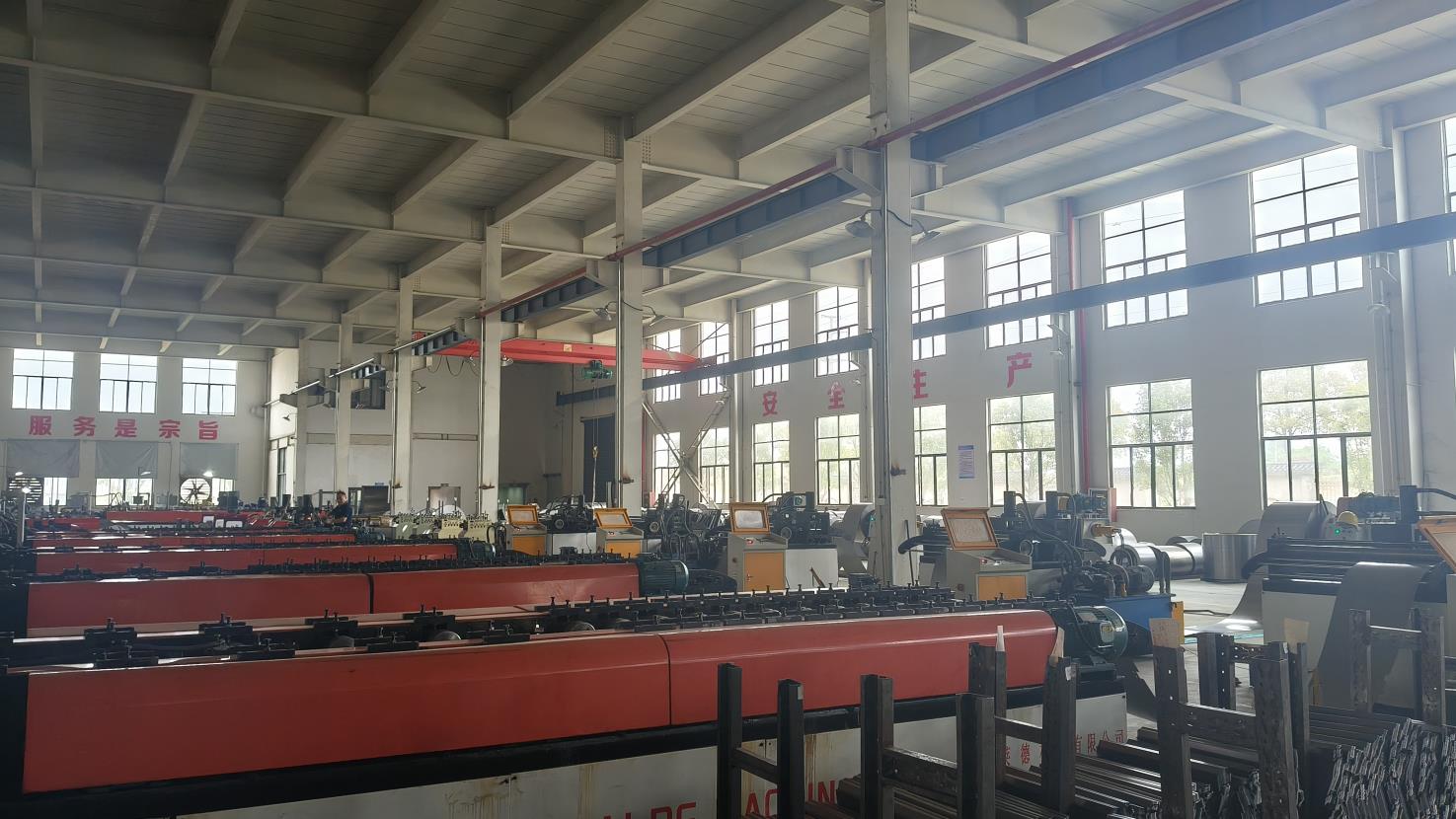
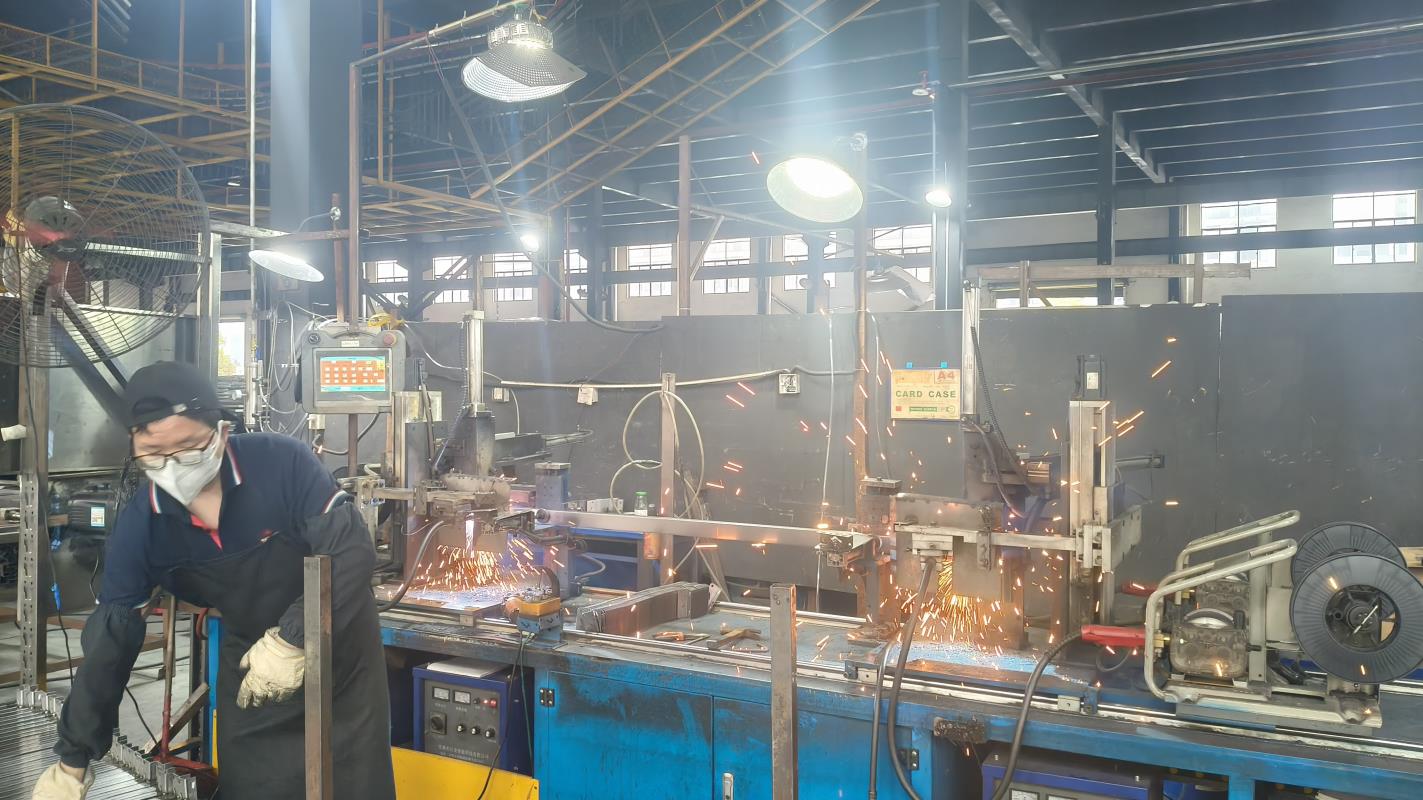
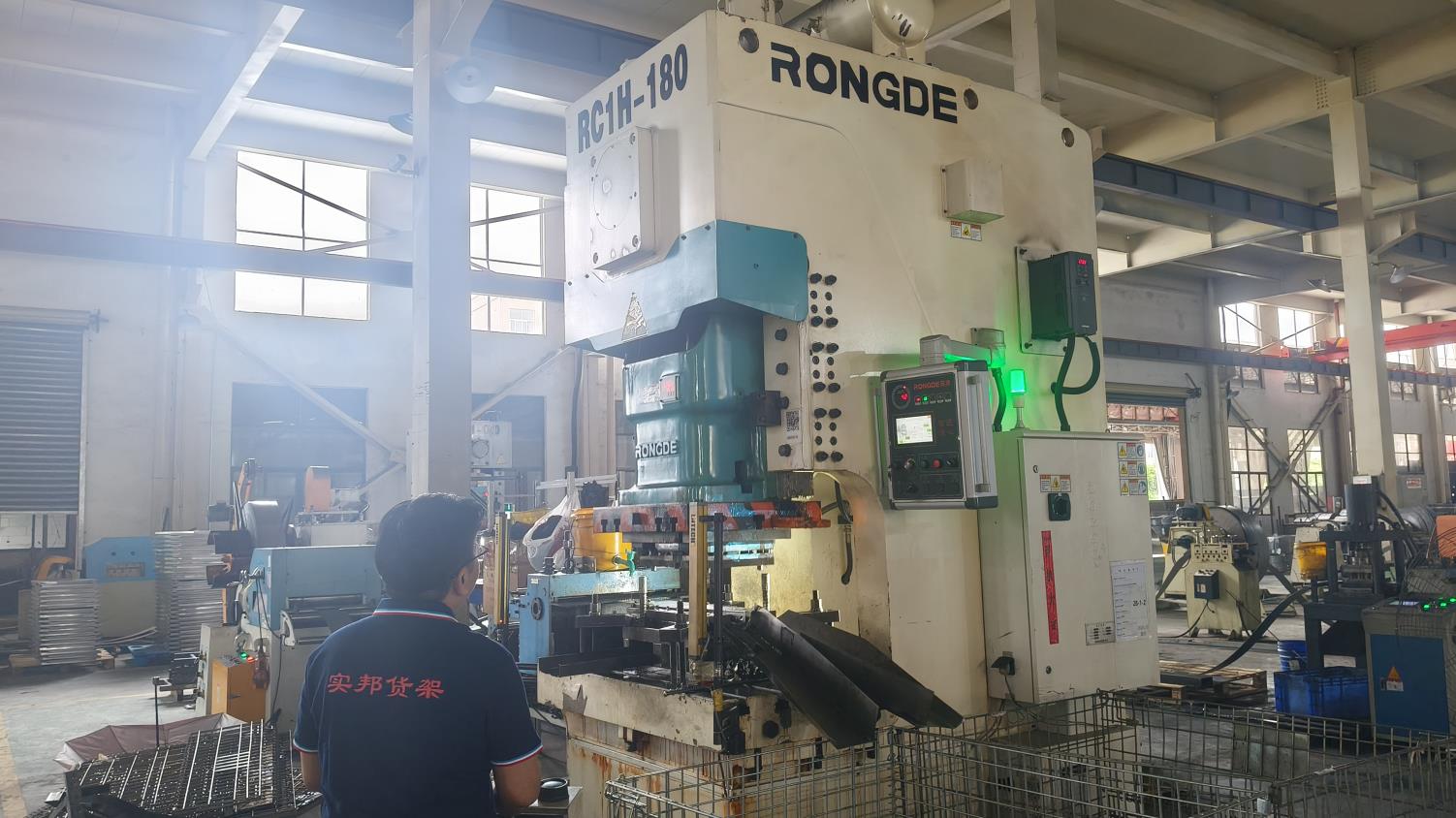
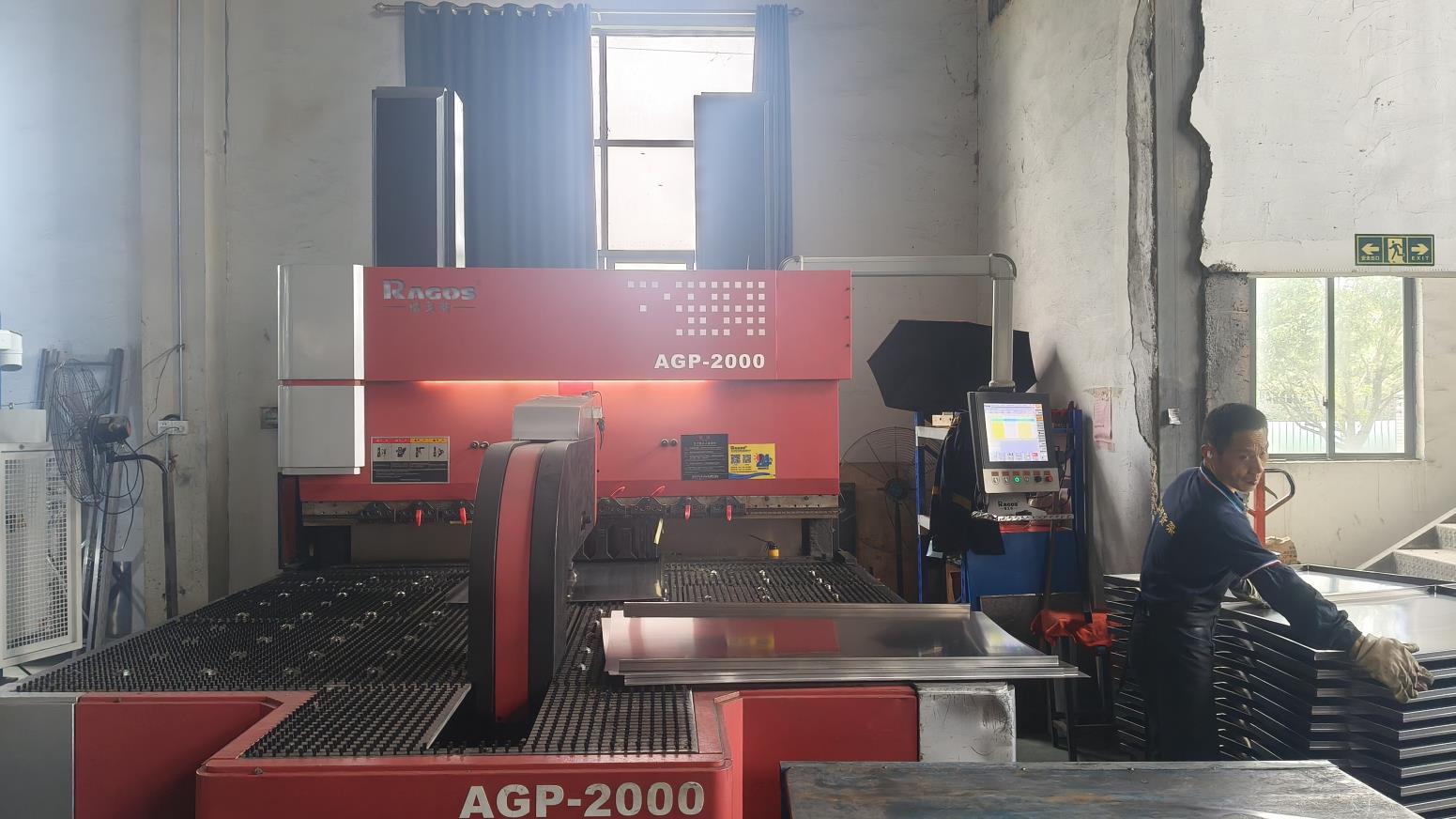
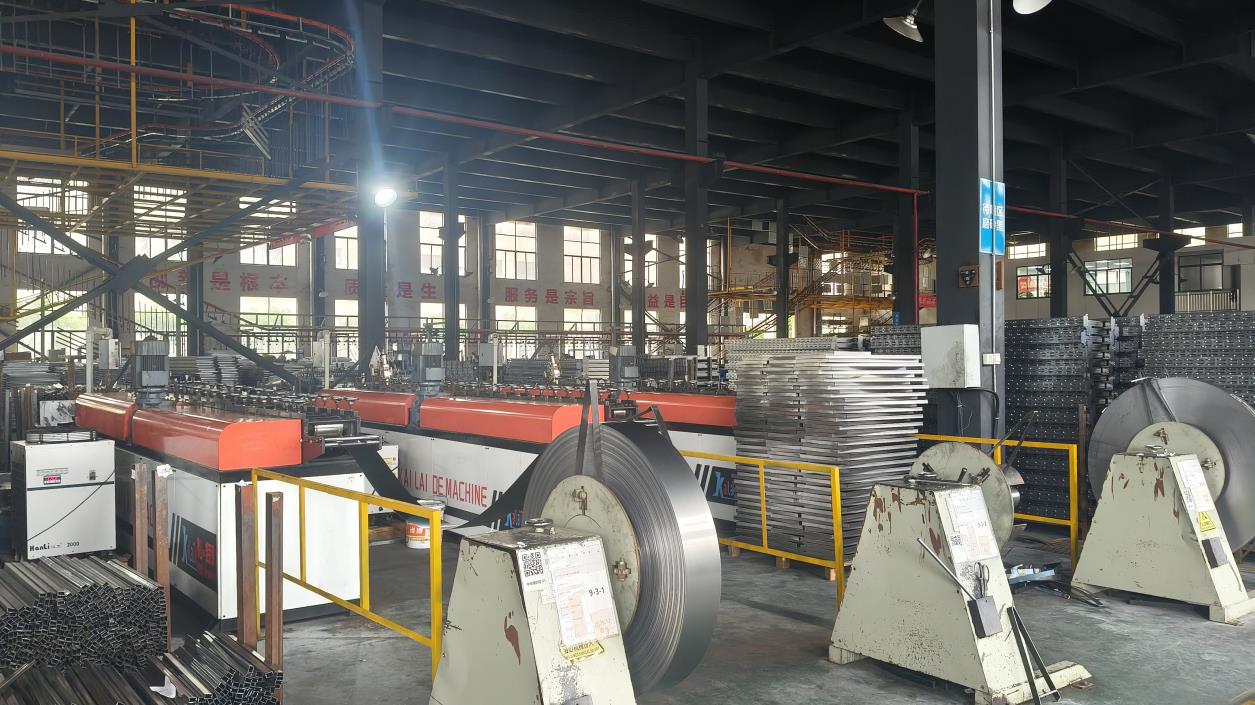
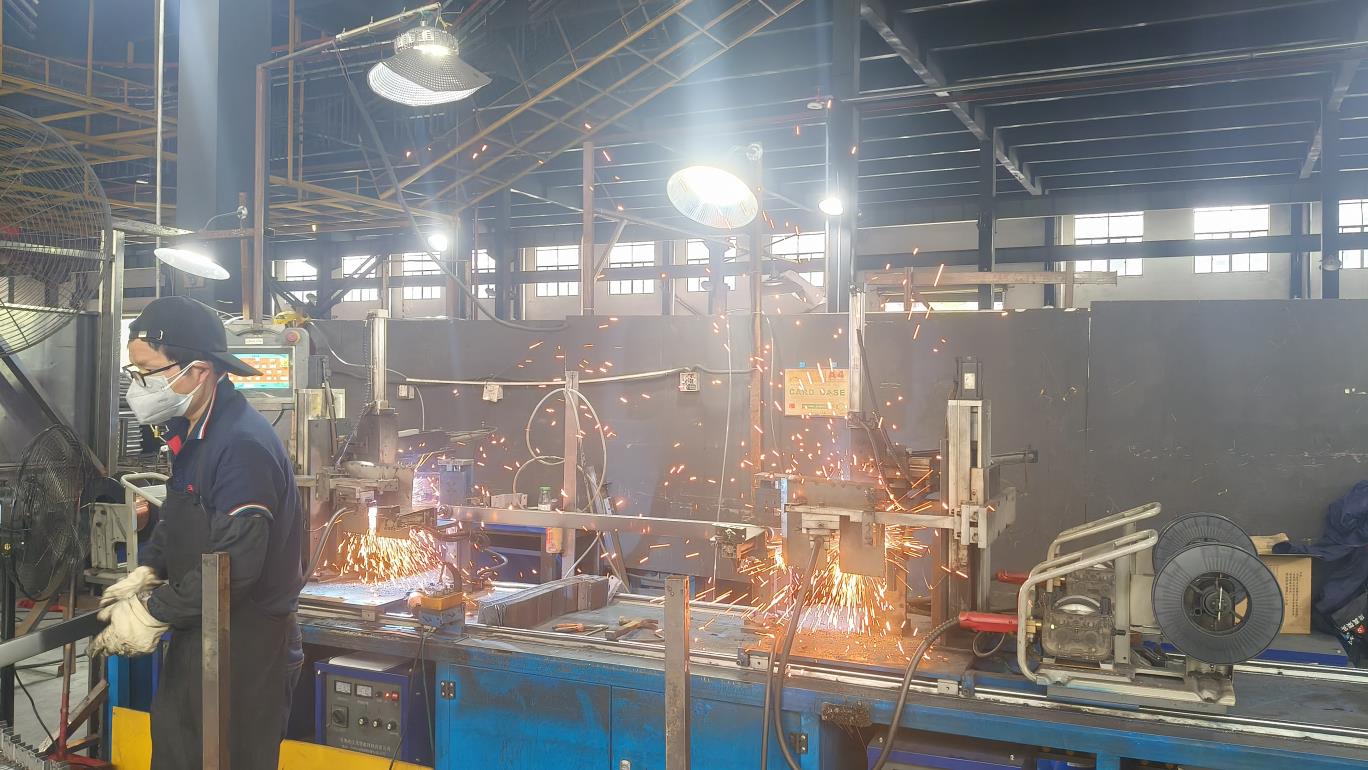
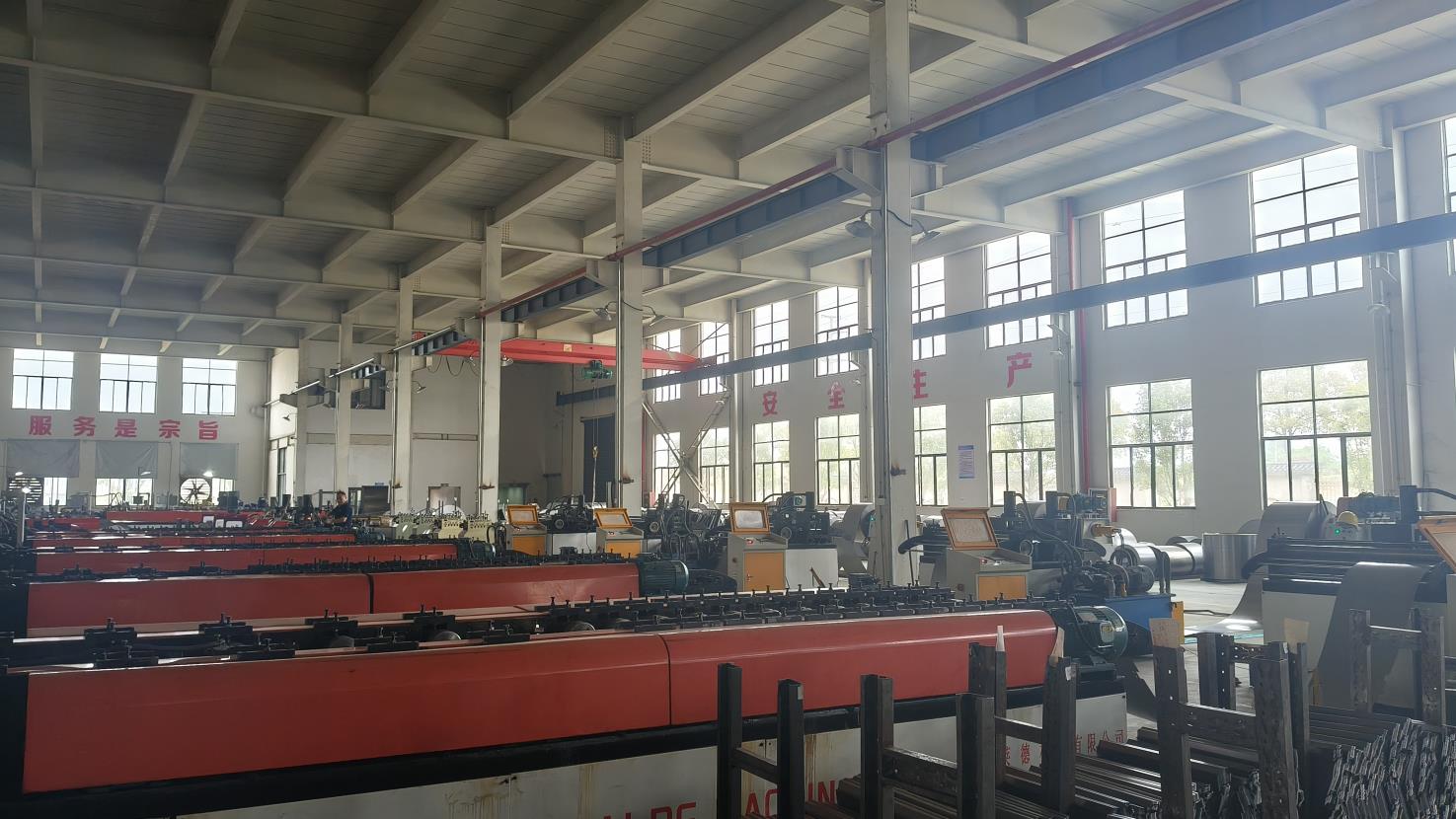
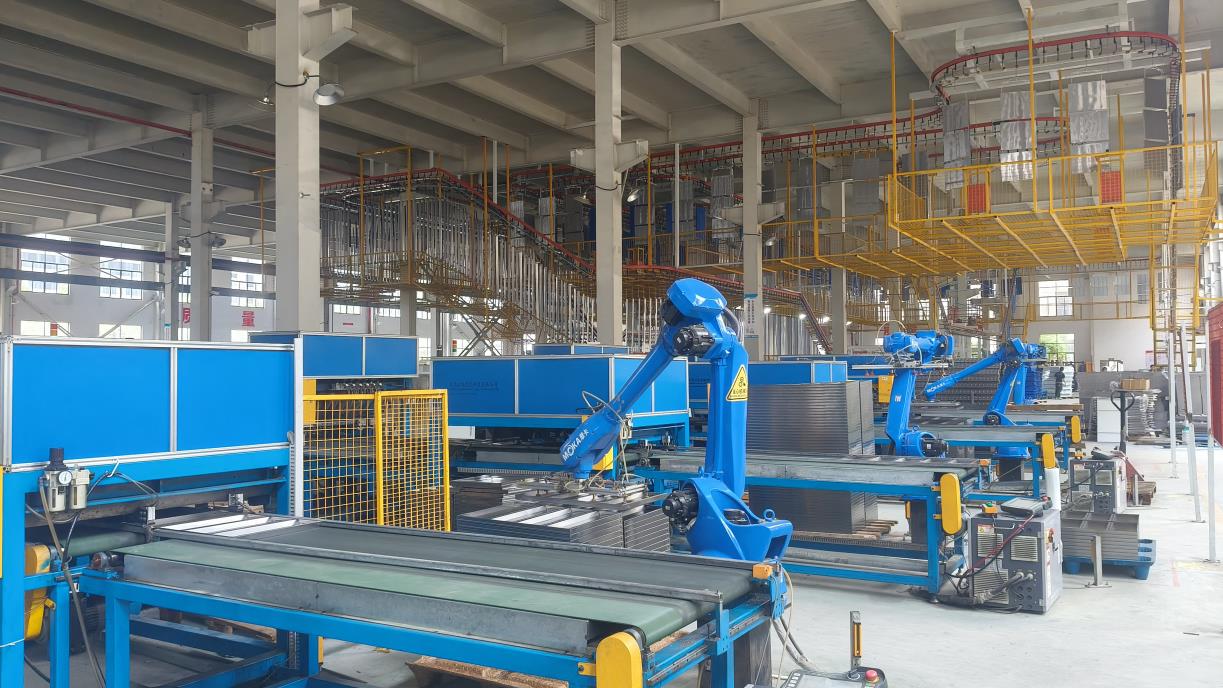
Even minor alignment deviations can disrupt sensor-driven forklifts or automatic pickers. LogiSteel addresses this demand by manufacturing heavy-duty racks using fully automated forming lines and robotic welding. This guarantees millimeter-level precision across large production runs, facilitating smooth integration with robotics and high-tech supply chain environments in Northern California.
Designing rack systems to withstand seismic forces and secure structural building approvals in high-risk zones.
When installing storage systems in San Francisco, compliance with the California Building Code (CBC) and the Rack Manufacturers Institute (RMI) specification is legally mandated. The Bay Area sits in one of the most active seismic zones globally (encompassing the San Andreas and Hayward faults). Industrial storage racks are classified as non-building structures, and if they exceed 8 feet in height, they require formal building permits backed by structural engineering calculations.
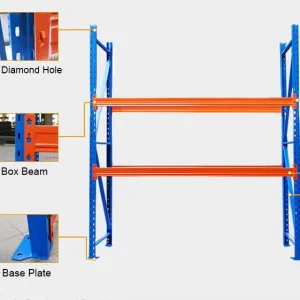
Our racks are engineered using certified high-strength cold-rolled steel (e.g., Q235B and Q355). We perform advanced finite-element structural analysis to compute seismic force distributions (base shear, overturning moments, and anchor pull-out forces) specific to the SF area's Zip Codes and local soil classifications. By supplying structural calculations stamped by California-licensed structural engineers, we streamline the approval process with municipal departments, protecting workers and investments.
To pass local inspections and ensure operational resilience, racking systems in San Francisco require custom additions:
Combining direct factory manufacturing savings with reliable transit lines to the West Coast.
Purchasing direct from a Chinese factory saves substantial capital compared to domestic sourcing. Scale economies, vertical steel supply integration, and automated manufacturing keep base product pricing highly competitive, even when accounting for ocean freight and import duties.
Every warehouse has unique layouts. From column sizes and beam lengths to custom structural profiles, our design engineering department creates custom configurations using CAD/BIM modeling before factory steel fabrication begins.
Located in Guangzhou near Nansha Port, we utilize direct container shipping routes to the Port of Oakland. This logistics pipeline offers reliable transit times, helping commercial operators meet strict facility grand opening schedules.
"Guangzhou LogiSteel Racking Co., Ltd. serves as a comprehensive partner in design, engineering, compliance, and international shipping. We coordinate closely with local installers and engineers on the ground in California to deliver compliant racking systems."
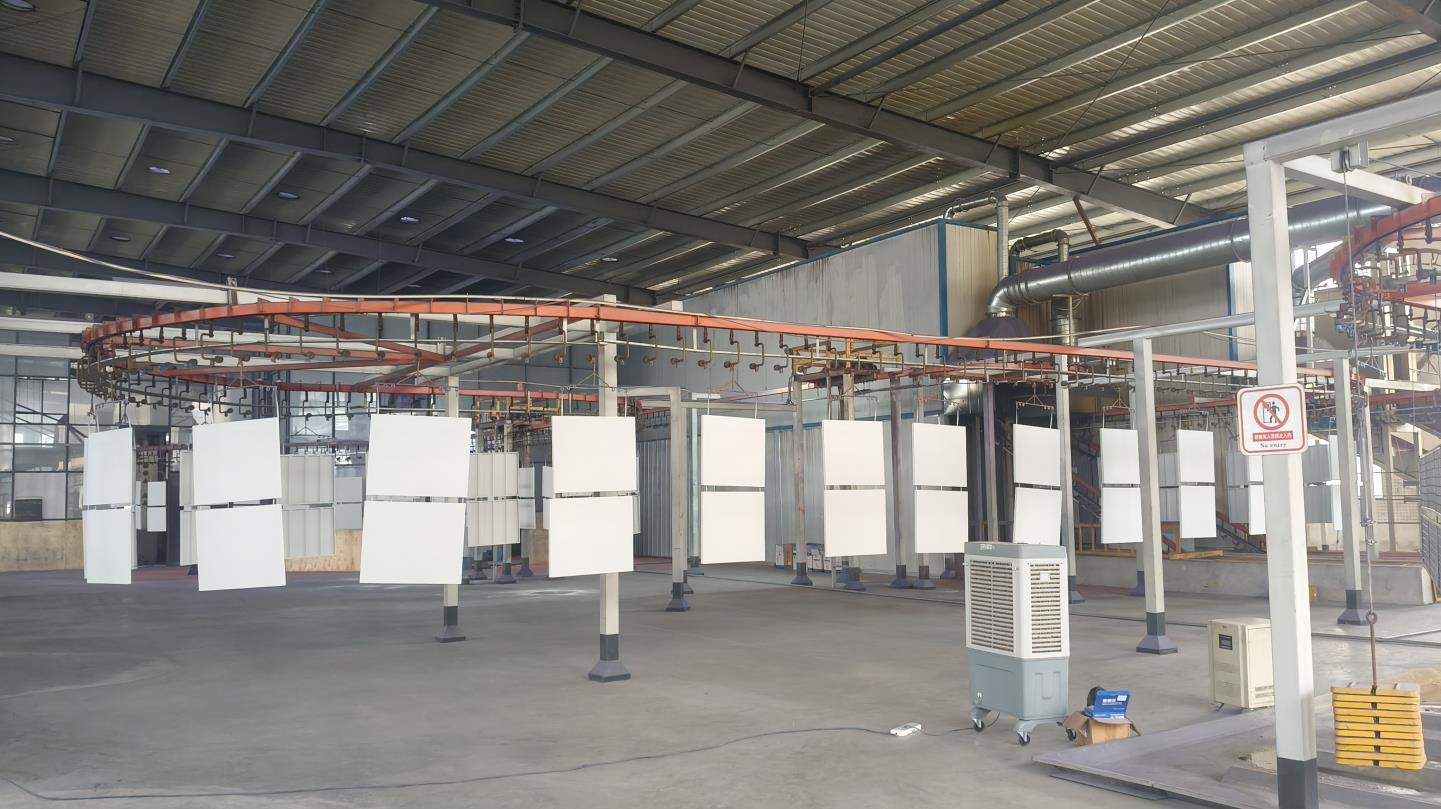
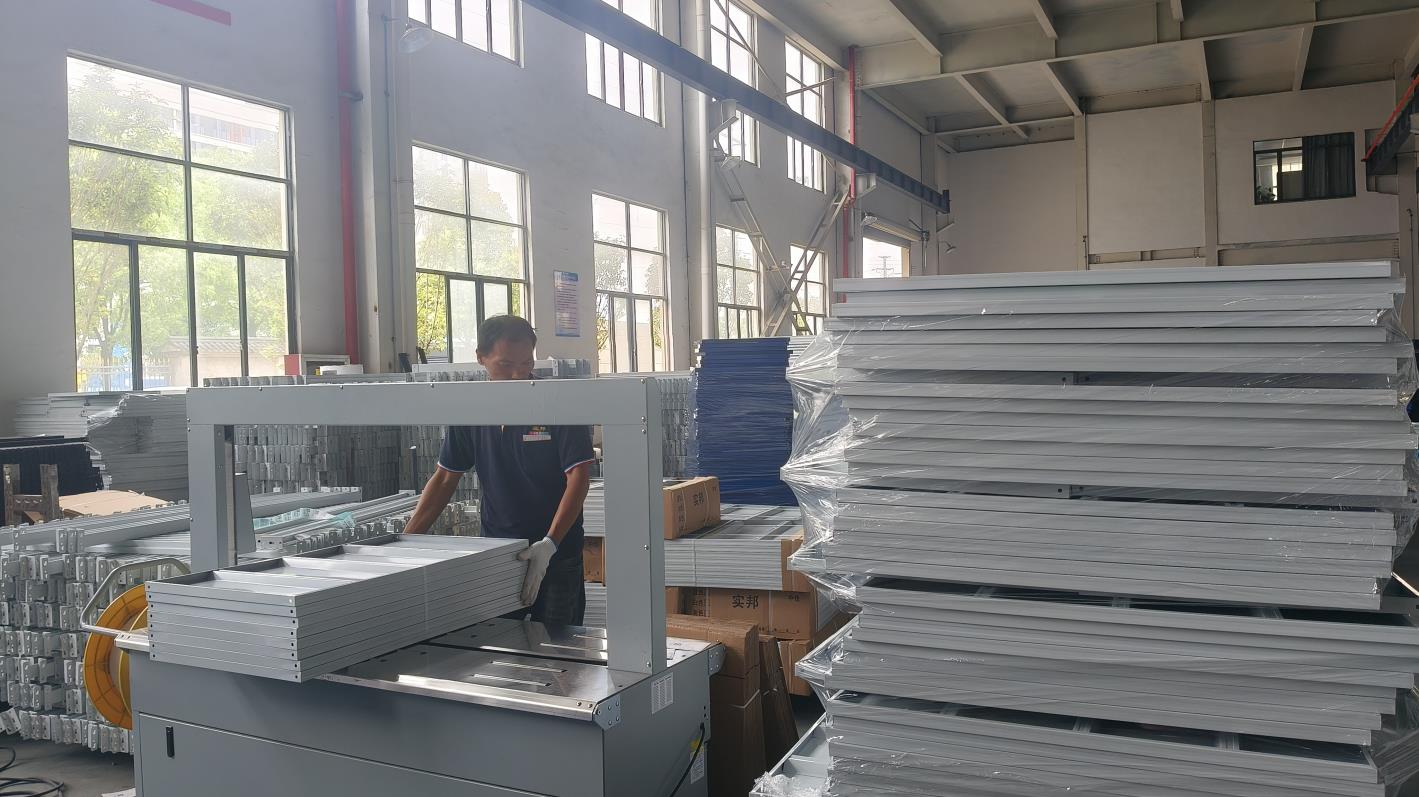
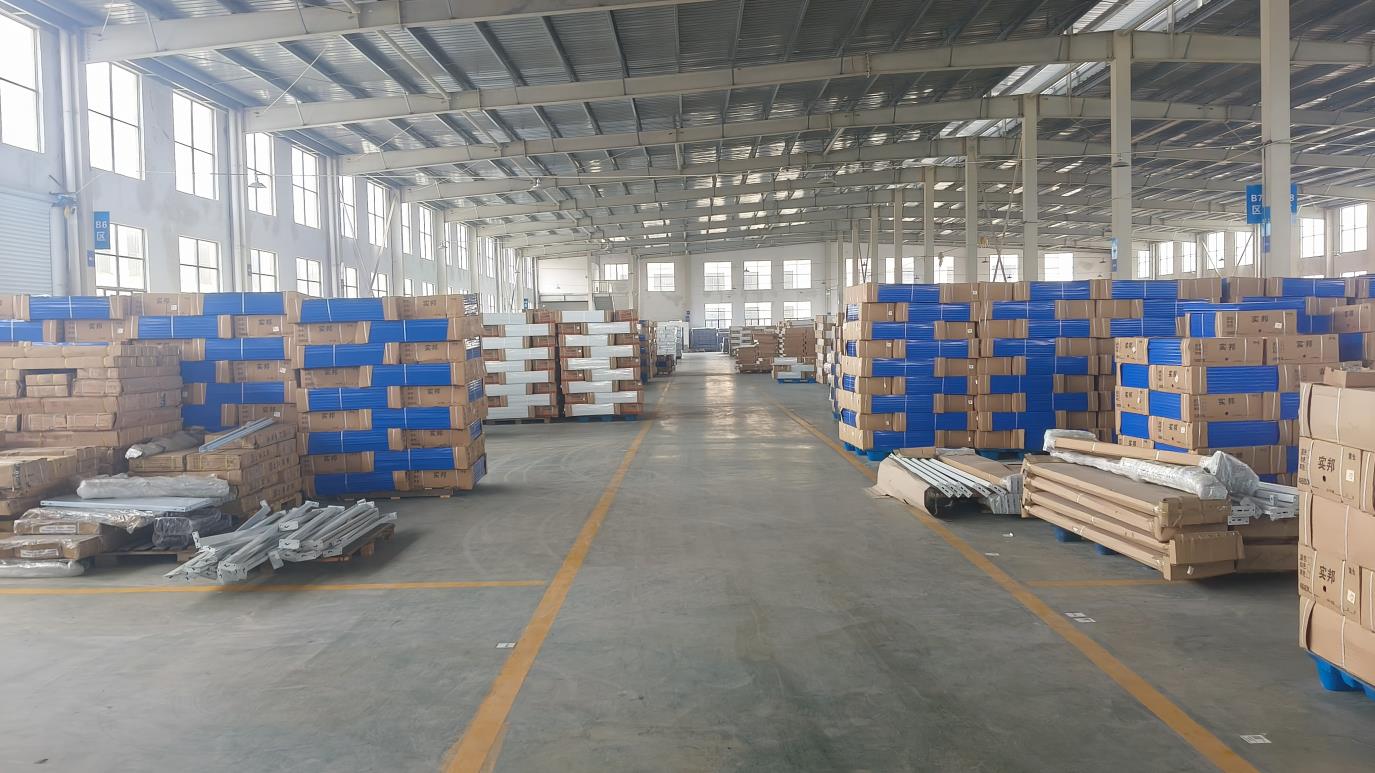
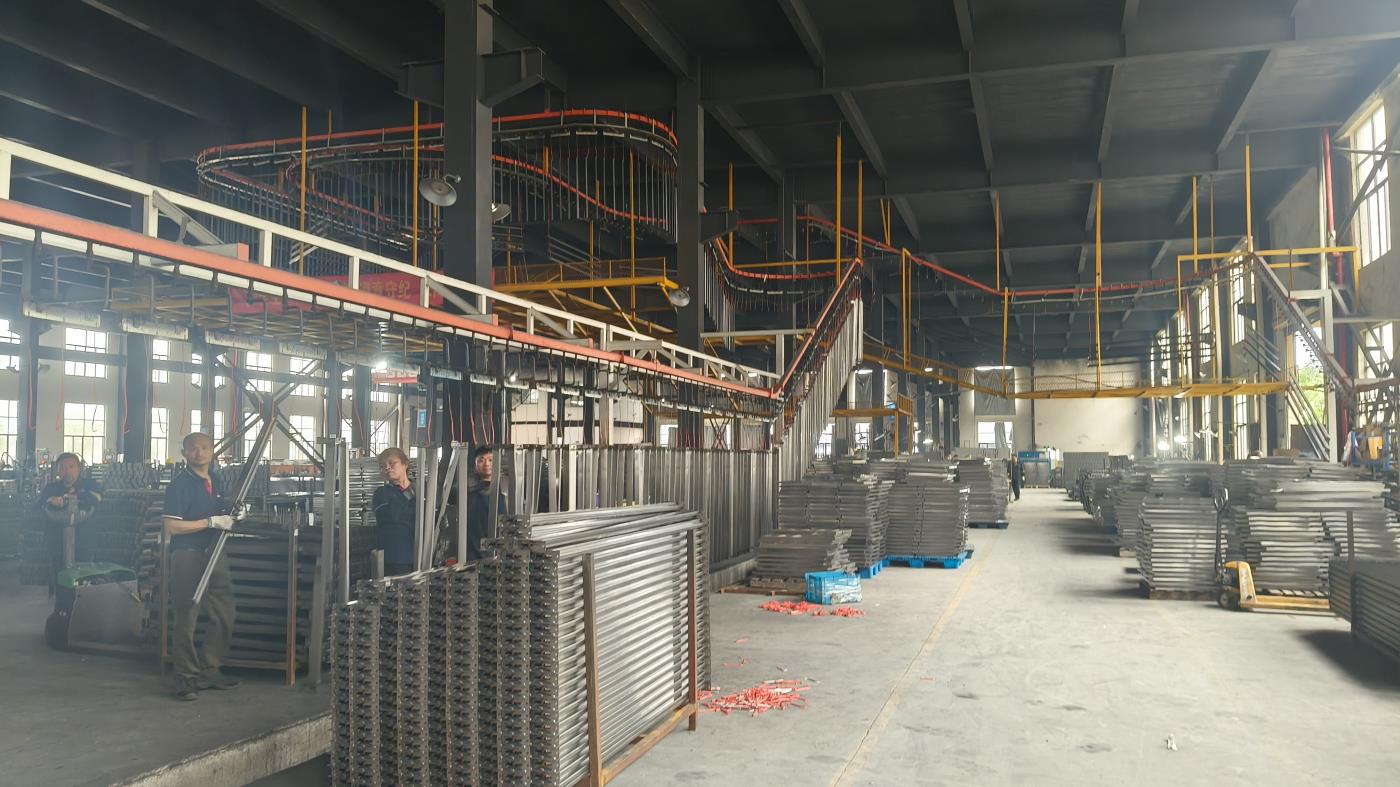
Step-by-step quality control processes utilizing automated equipment to ensure structurally sound storage systems.
From cold storage to eCommerce, we supply tailored rack designs matching regional operational requirements.
Proximity to the Pacific coast and Napa Valley makes cold storage a critical segment in Northern California logistics. Racks inside cold environments must withstand low temperatures without developing metal embrittlement or surface corrosion. LogiSteel’s hot-dip galvanized or specialized powder-coated finishes prevent rusting, while our structural profiles withstand temperature drops and heavy humidity cycles.
Third-party logistics (3PL) centers in East Bay hubs like Hayward and Union City manage diverse product profiles and high rotation rates. We provide Selective and Double-Deep systems that balance access flexibility with storage density, ensuring operators adjust shelf heights as tenant inventory configurations change.
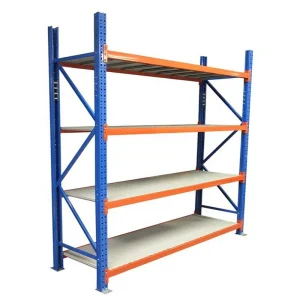
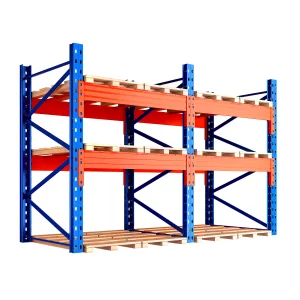
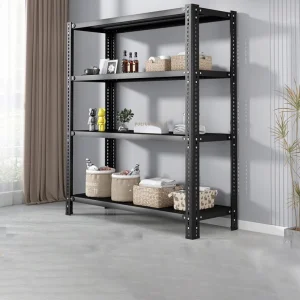
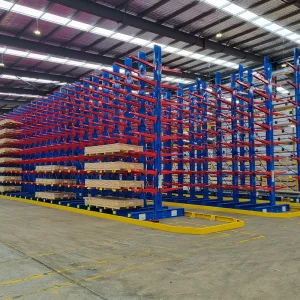
Explore our selection of structural, adjustable, and custom-engineered heavy-duty warehouse storage racks.
Common questions answered regarding permits, seismic compliance, and global shipping to California.
Yes. Under the California Building Code (CBC), structural racking systems with top shelf storage levels exceeding 8 feet require a building permit. The permit application requires structural engineering calculations (SE Calcs) stamped by a registered professional engineer in California to prove seismic resistance.
Seismic design modifies rack profiles, connections, baseplates, and anchors to absorb lateral ground acceleration from earthquakes. In areas like Oakland and San Francisco, racking systems must pass horizontal load tests to prevent collapsing under load.
Fabrication typically takes 3 to 4 weeks depending on the order size. Direct ocean shipping from Nansha/Shenzhen ports to the Port of Oakland ranges from 18 to 25 days, followed by 3-5 days for local customs clearance and local trucking.
We use high-grade structural carbon steel, predominantly Q235B and Q355. These match ASTM standard properties and provide the tensile strength and ductility required to meet international and RMI steel structural standards.
Get customized, factory-direct heavy-duty racking solutions designed for your warehouse layout and seismic safety guidelines.
All inquiries receive a response within 24 hours with basic design and engineering drafts.
 LogiSteel Racking