Engineered for maximum space utilization, high load capacities, and seamless workflow integration. Explore our primary industrial configurations below.
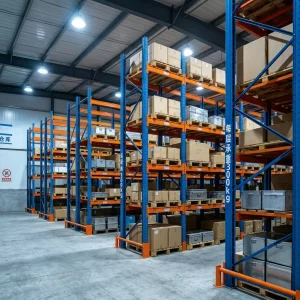
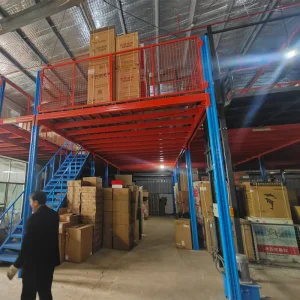
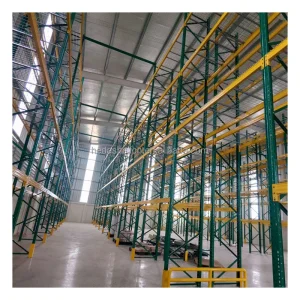
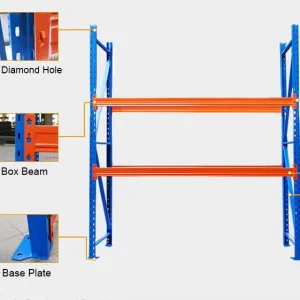
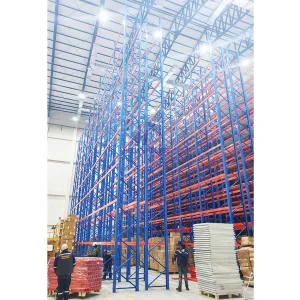
Modern supply chain optimization relies heavily on warehousing efficiency. As land costs rise and regional logistics nodes expand, modern enterprises must adopt vertical space maximization strategies. Choosing a global storage manufacturing partner requires looking beyond basic weight capacities. Structural safety, precision metal forming, custom modular options, and compliance with building and seismic codes (such as FEM, RMI, and EN standards) are critical to long-term operational success.
The global industrial storage market is changing rapidly due to the growth of multi-channel e-commerce, automated distribution, and cold-chain logistics. Today’s industrial warehouses are more than simple holding areas; they function as active, high-turnover logistics spaces where dynamic automated racking systems and semi-automated configurations are replacing traditional static shelving. Globally, warehouses are expanding vertically, requiring taller upright frames, tighter structural tolerances, and high-performance baseplates.
This structural change has increased demand for cold-rolled steel profiles with high tensile strength (such as Q235B and Q345B steel grades) that can support massive weights under continuous cycle loads. In addition, rapid growth in North American, European, and Asia-Pacific logistics hubs has created a strong market for adaptable storage. High-density racking systems, like teardrop selective racks and radio shuttle systems, are now standard in modern supply chains.
"Logistics efficiency is no longer just an operational goal; it is a key competitive advantage. Designing your warehouse structure with high-grade steel and precise engineering is the foundation of high-throughput operational success."
Heavy-duty logistics require custom storage configurations designed for specific products and inventory flows. Understanding these workflows is essential for choosing the right system:
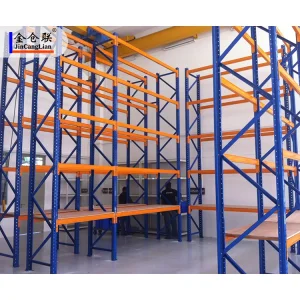
Requires high selectivity, quick SKU rotation, and adaptable configurations. Selective pallet racking and mezzanine floor expansions allow warehouses to quickly adjust to changing inventory volumes.
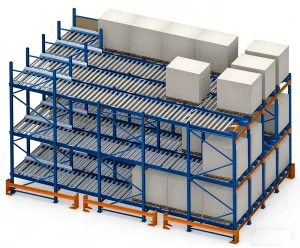
High operating costs in refrigerated warehouses require maximum storage density. Drive-in racks, gravity flow racks, and radio shuttle systems reduce the required footprint, lowering cooling costs per pallet.
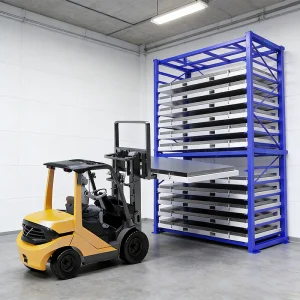
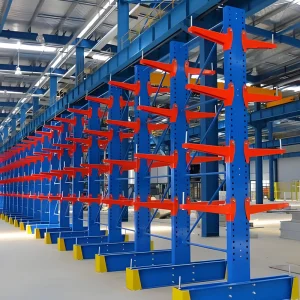
Needs to support heavy, irregular loads. Cantilever racking is ideal for raw materials, tubing, and sheet metals, while heavy-duty drawer-type racking provides safe, organized storage for heavy tooling and dies.
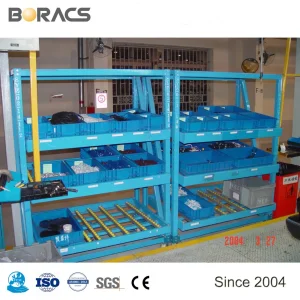
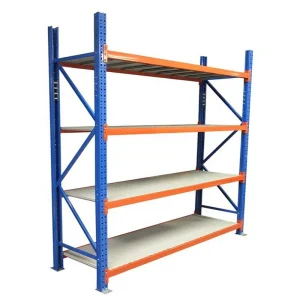
Focuses on high visual accessibility and quick manual picking. Light to medium-duty bolted shelving and integrated gondola racks bridge the gap between back-of-house storage and front-of-house displays.
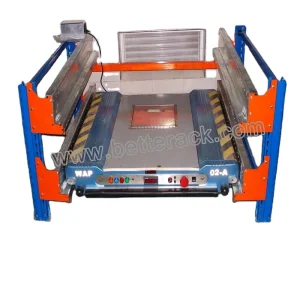
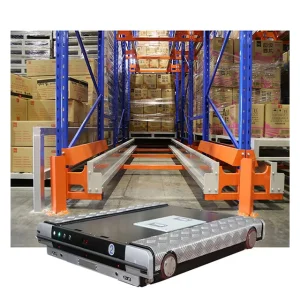
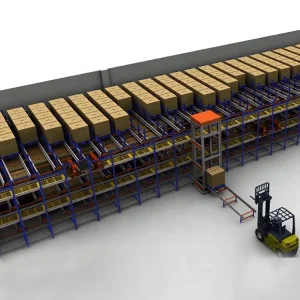
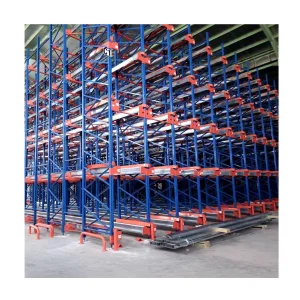
Modern material handling is moving toward automation. Automated Storage and Retrieval Systems (AS/RS) use high-speed automated shuttle cars and robotic stacker cranes to retrieve goods without manual forklift intervention. Standard selective pallet racking is often upgraded to serve as the structural framework for automated radio shuttle systems. These shuttle solutions use smart carts that move independently along built-in tracks, significantly speeding up pallet retrieval while protecting the structural racking frame from forklift damage.
In addition, modern warehouse design focuses on sustainability. Green warehouse standards prioritize recyclable steel profiles, low-energy powder-coating processes, and optimized system layouts that reduce forklift travel times and fuel consumption. Building storage systems with durable, corrosion-resistant powder coatings ensures a long service life, reducing the need for structural replacements.
Different regions face unique environmental challenges. Racking installations in seismic zones, like parts of the US, Chile, Japan, and Italy, must comply with strict seismic design requirements (such as USGS or local building codes). These projects require advanced structural engineering, including larger baseplates, dual-anchor frames, and reinforced cross-bracing to absorb lateral forces during earthquakes.
Temperature variation also impacts engineering choices. Storage systems in extreme climates must be built to handle thermal expansion and contraction. For instance, cold storage systems operating at -30°C require specialized, high-impact steel grades that do not become brittle at low temperatures. In contrast, outdoor cantilever racks need hot-dip galvanized finishes to withstand rain, wind, and industrial environments without rusting.
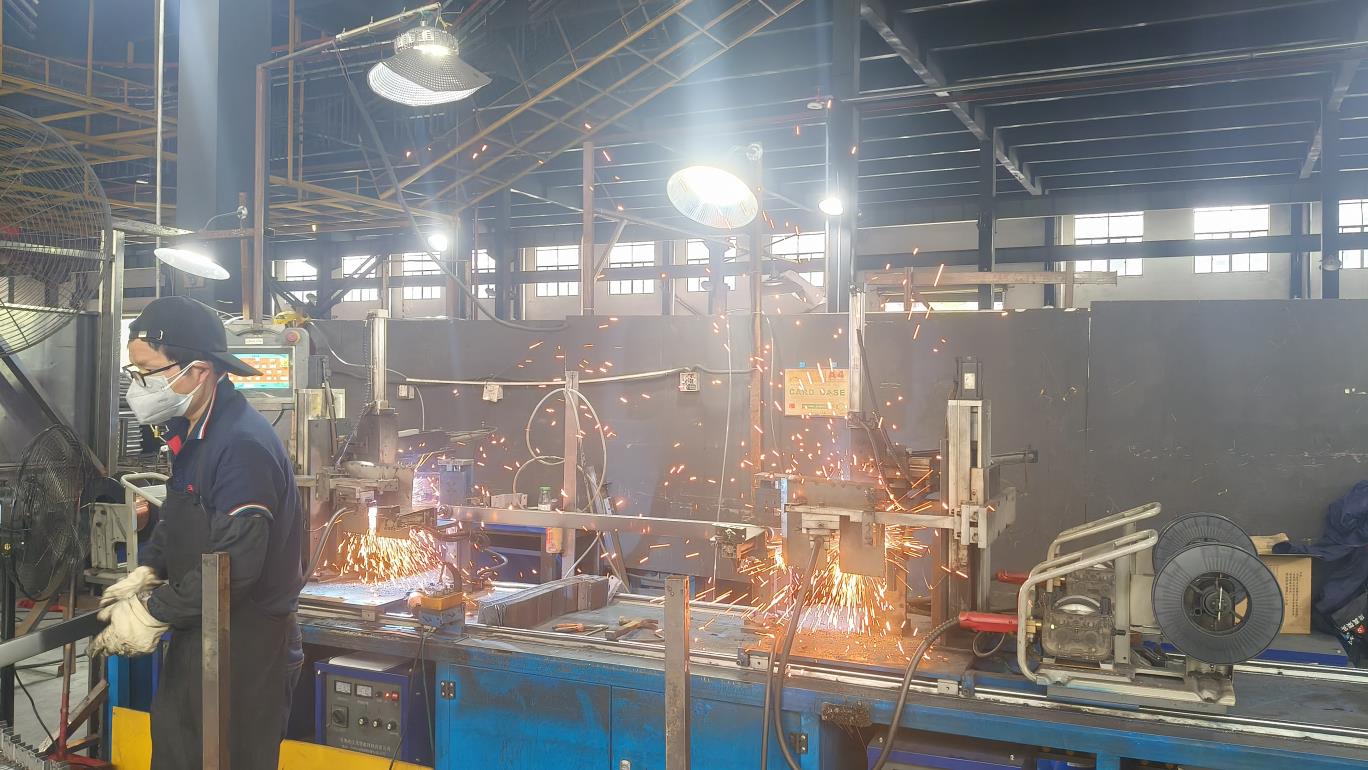
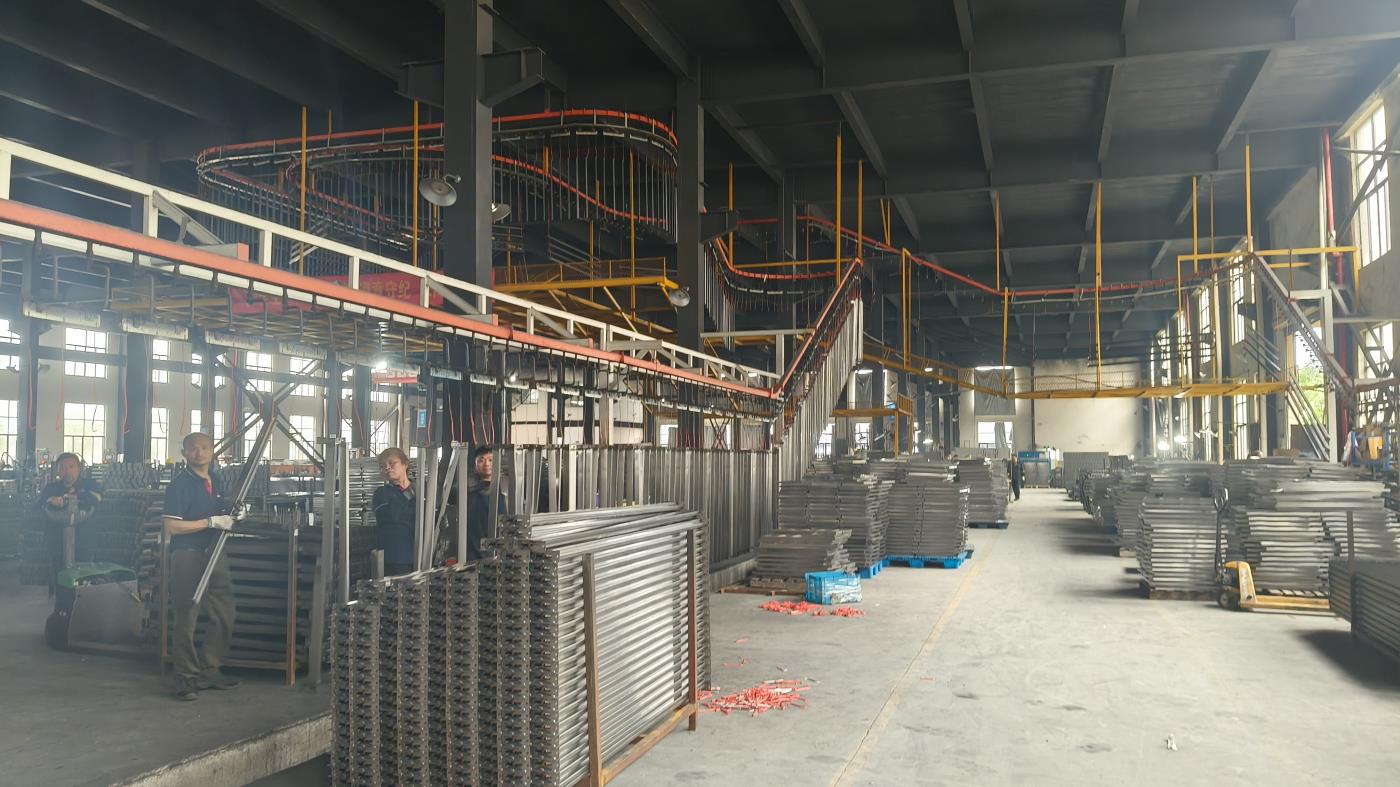
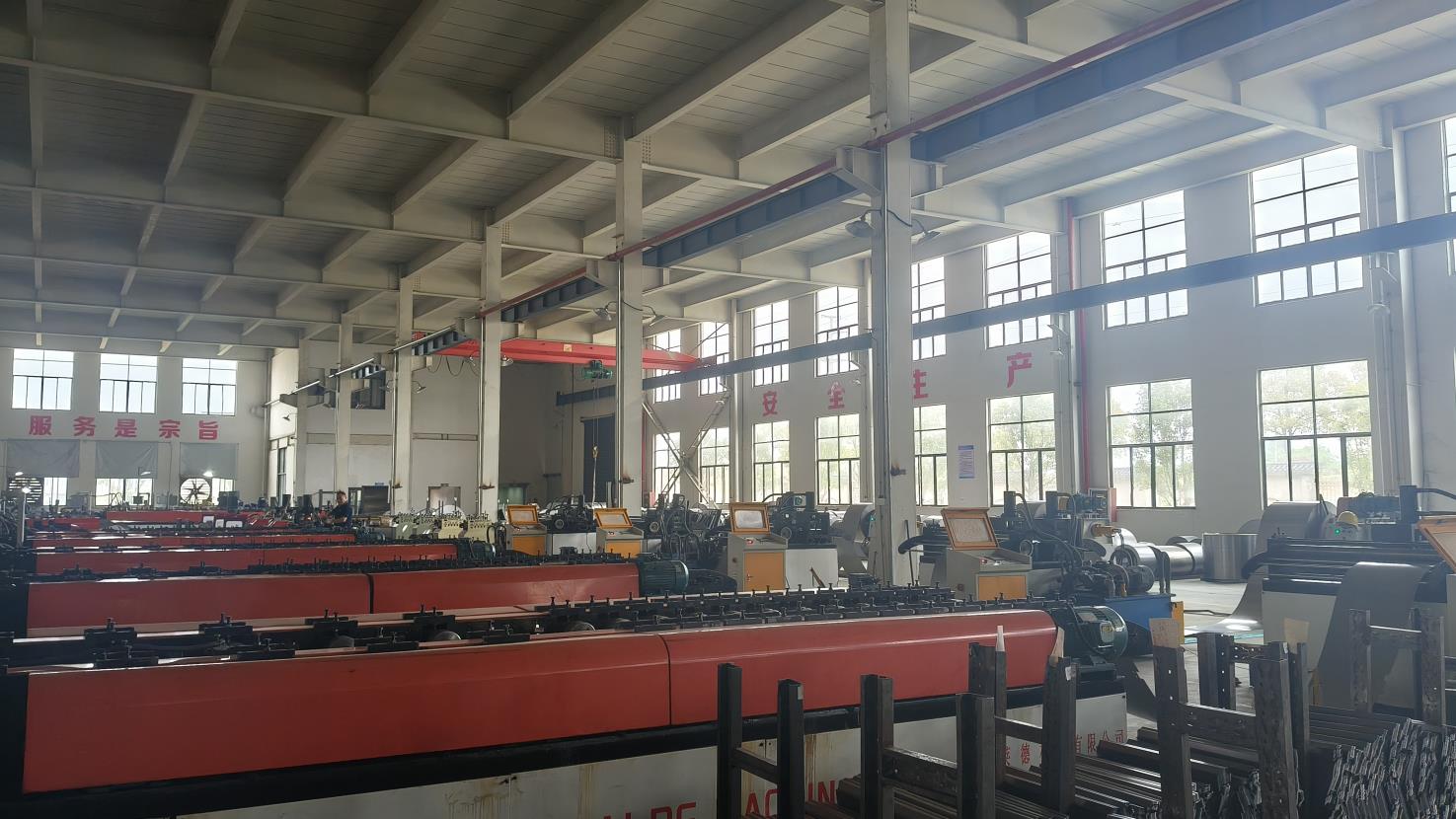
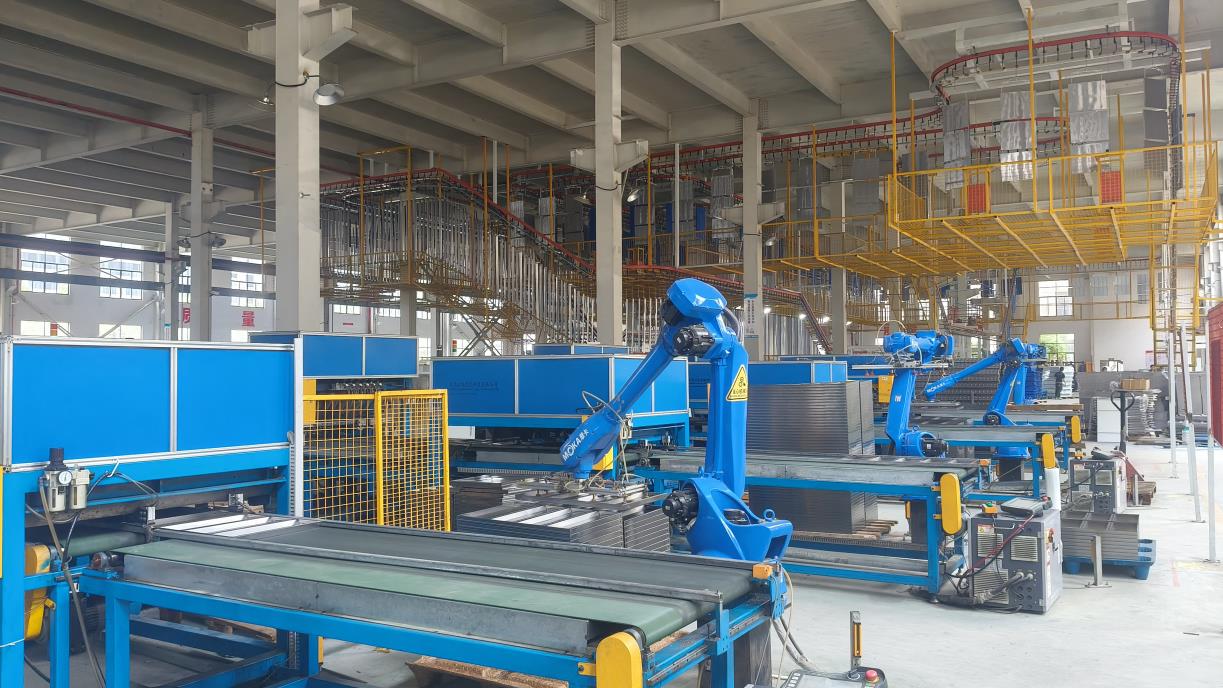
A look inside our 15,000 square meter facility, showing our automated fabrication lines, robotic welding stations, and powder-coating systems.
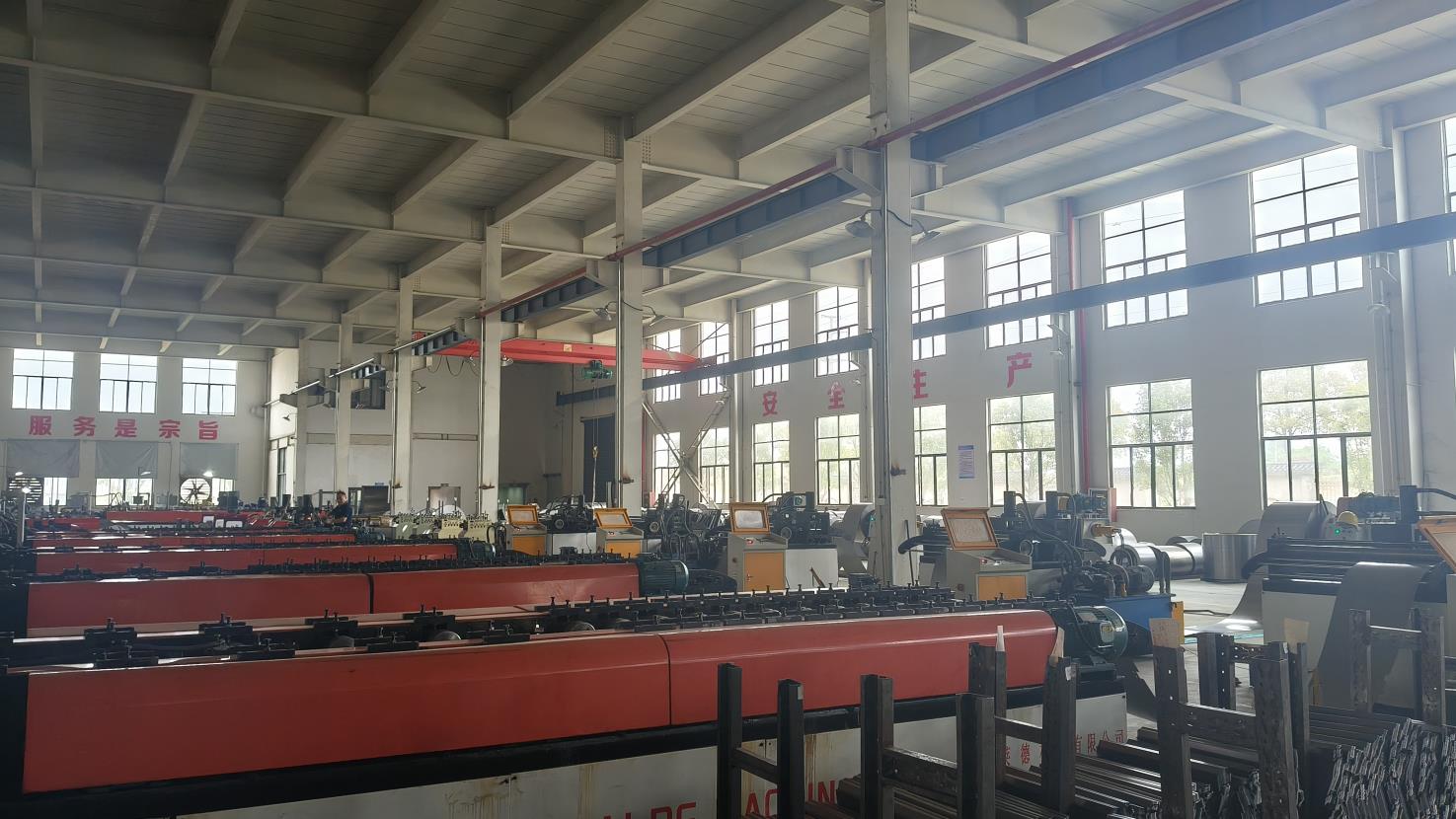
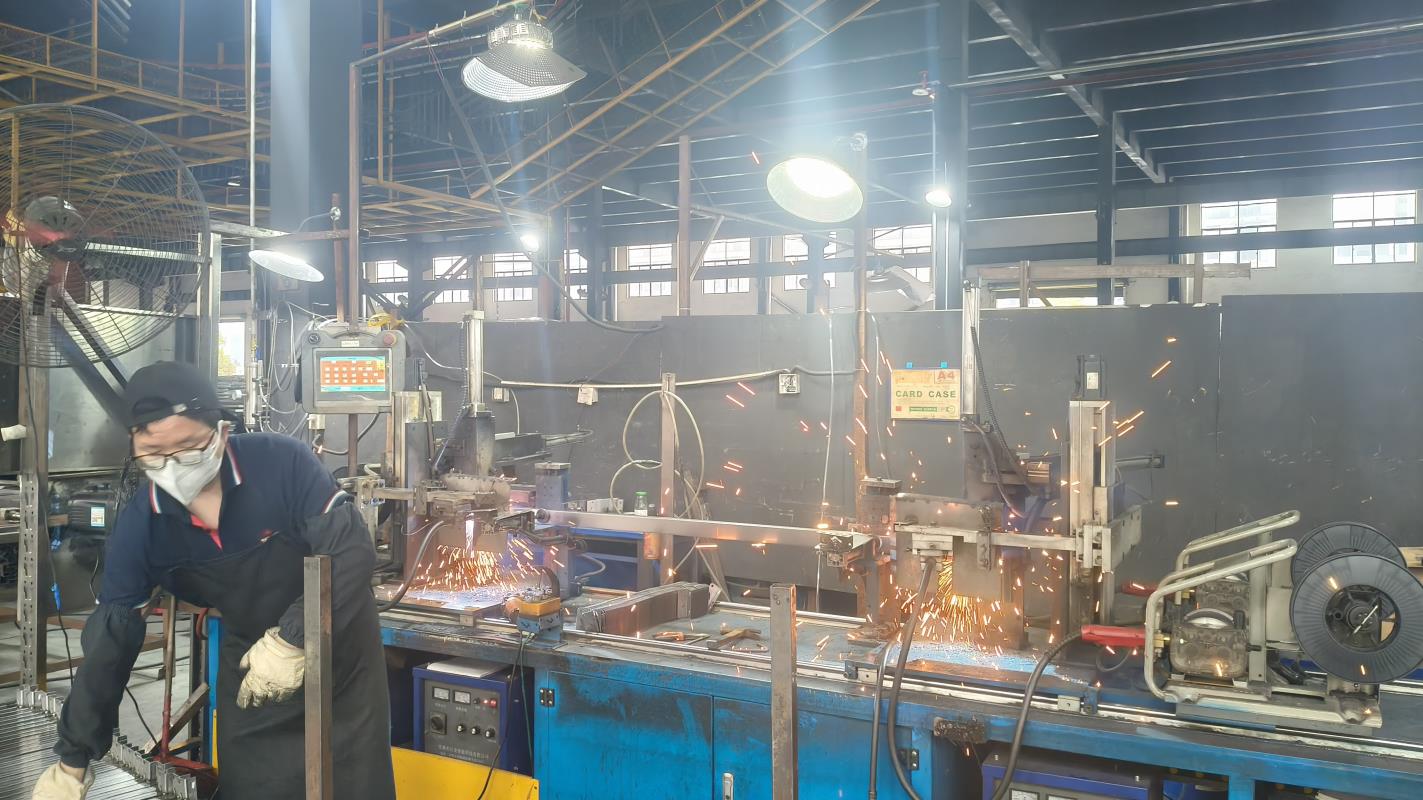
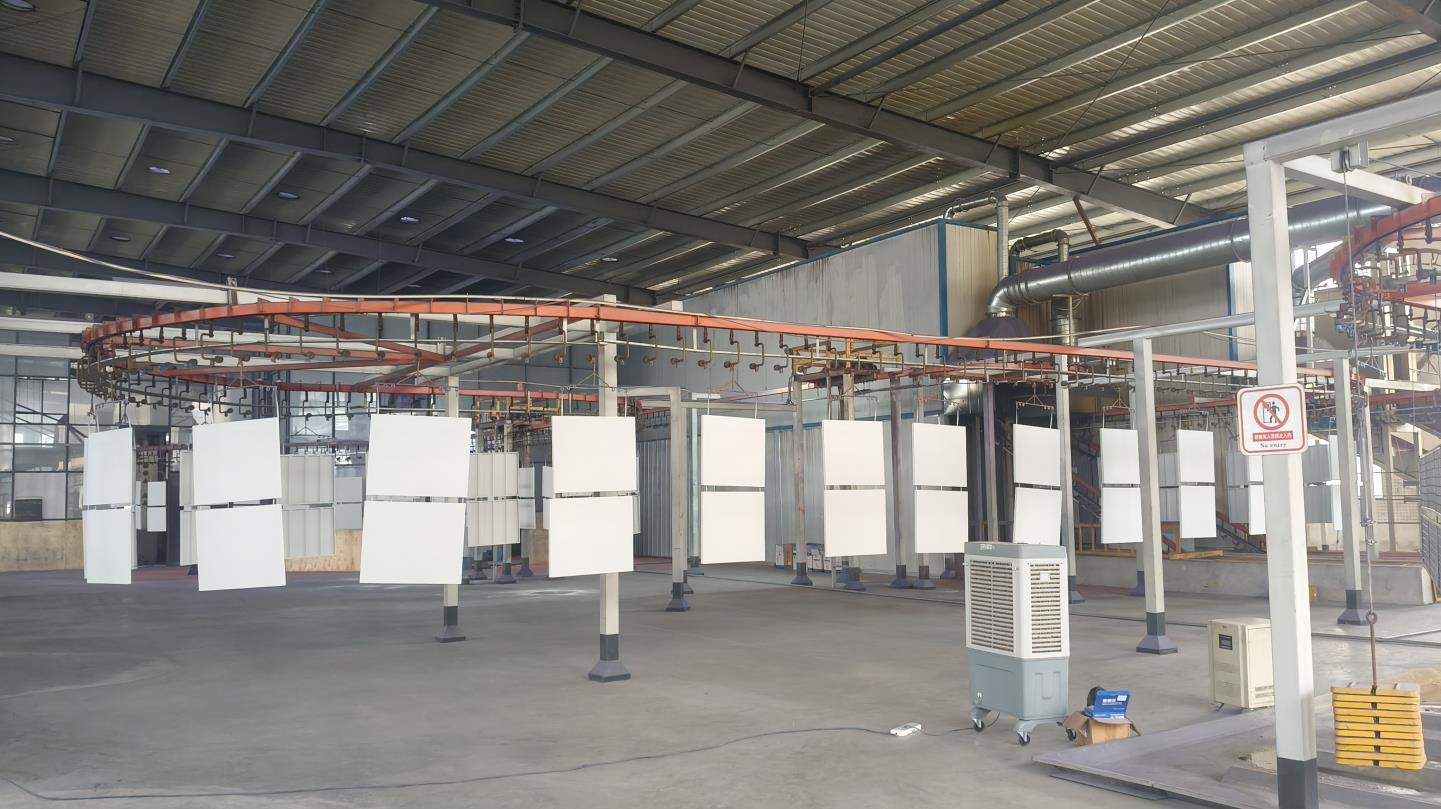
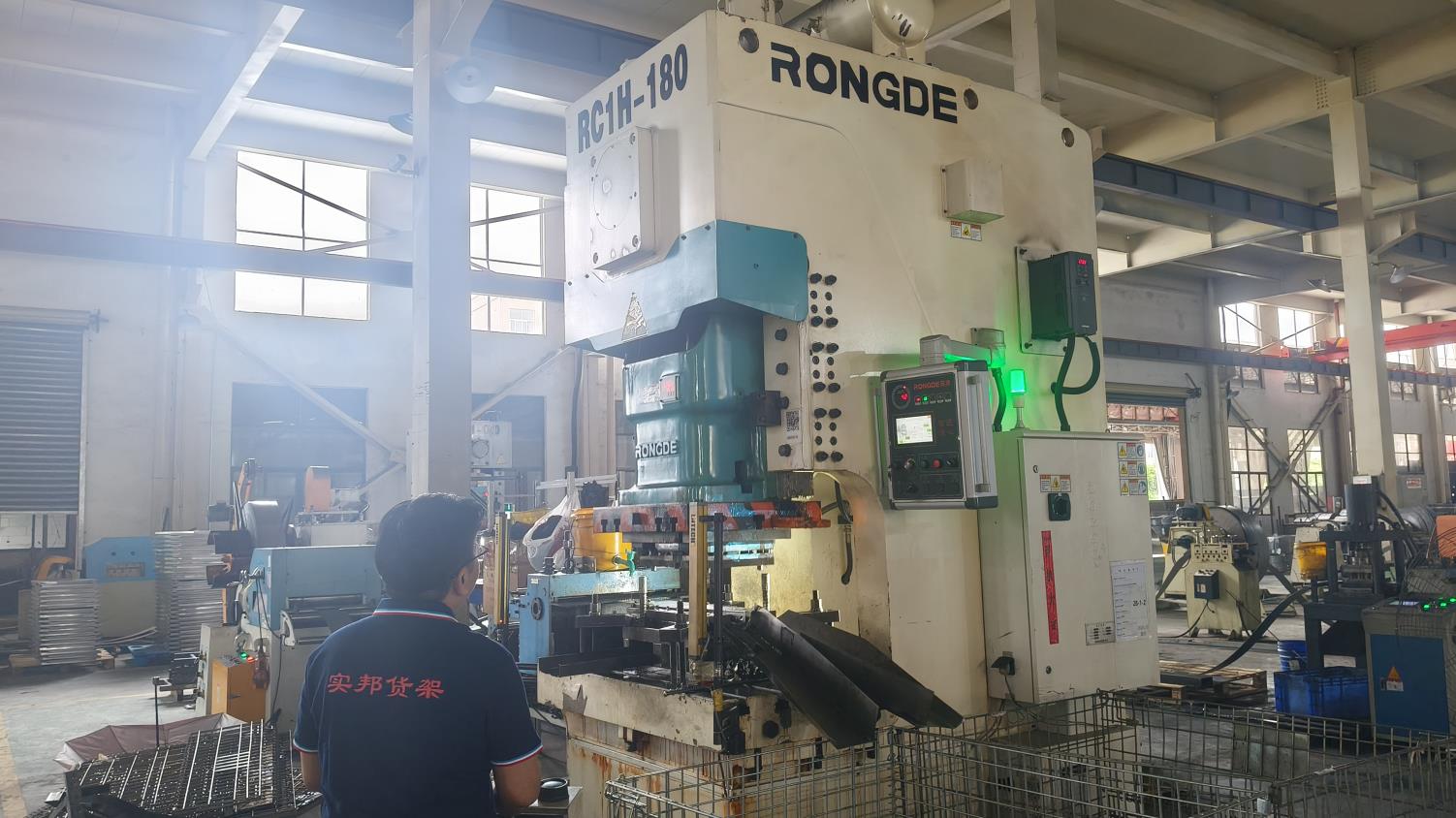
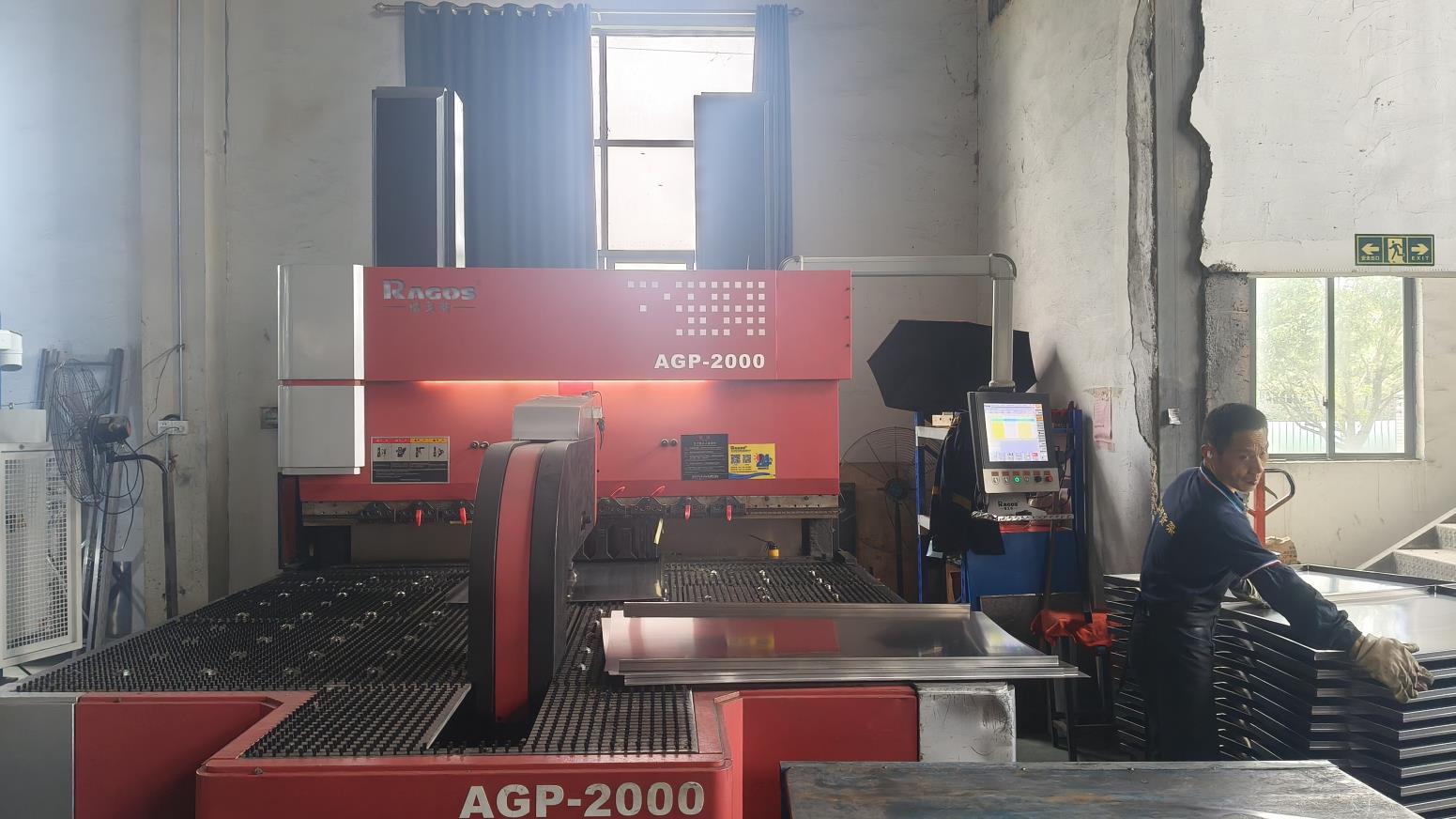
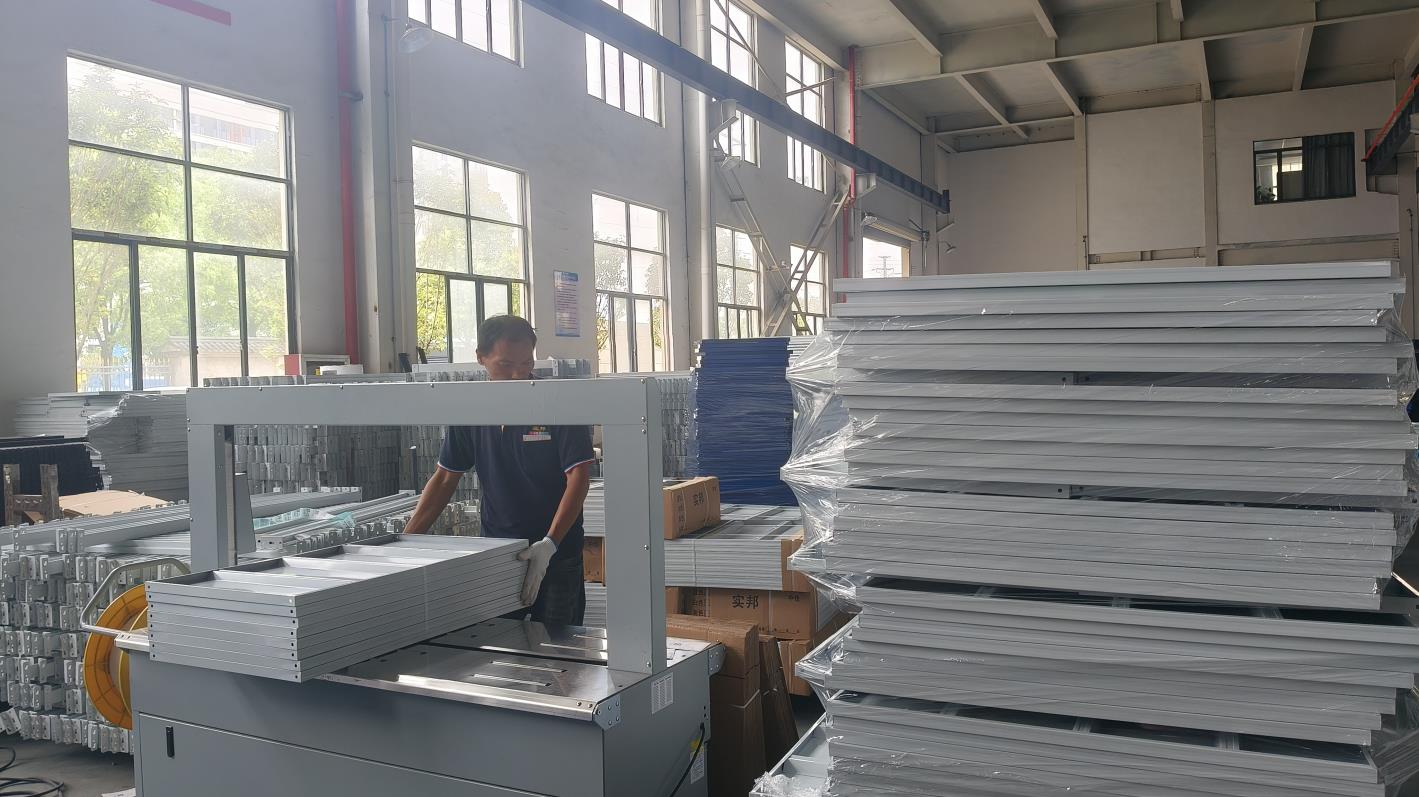
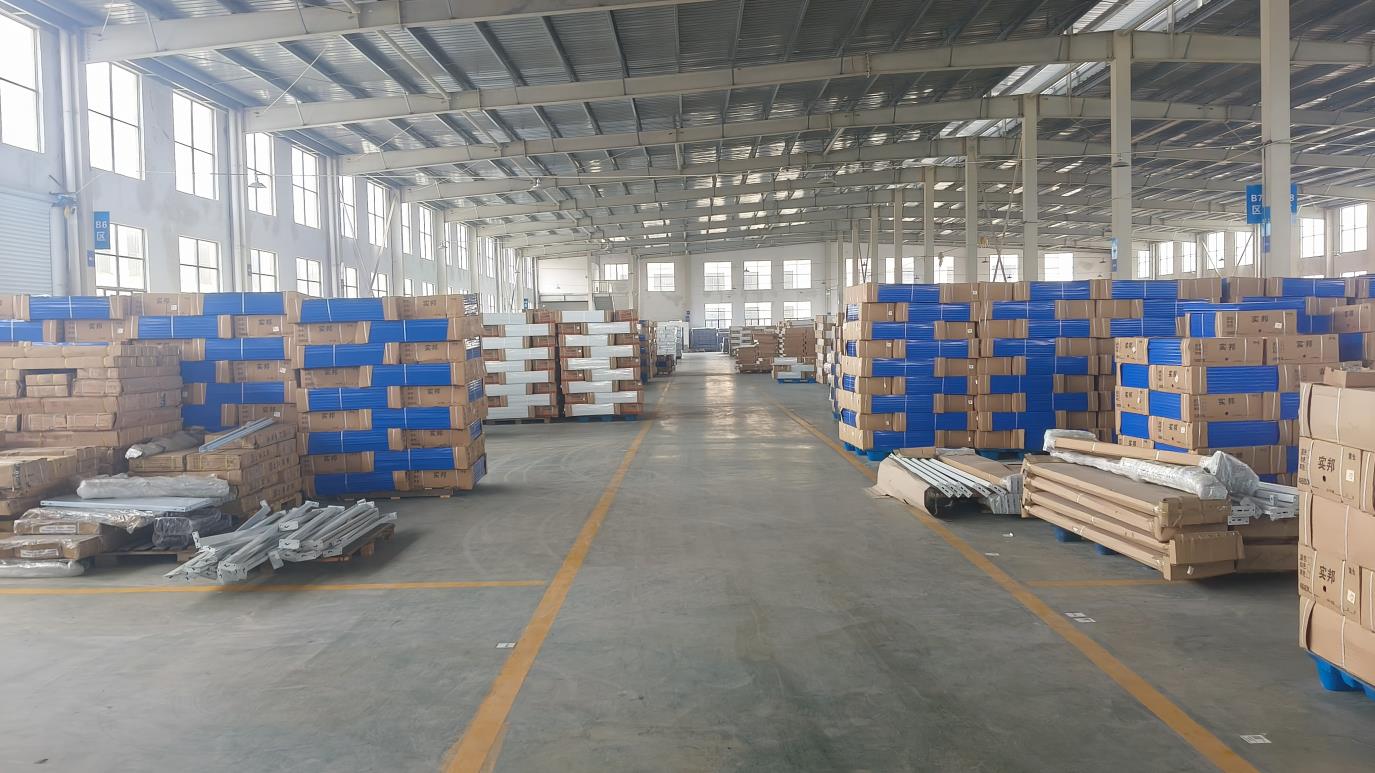
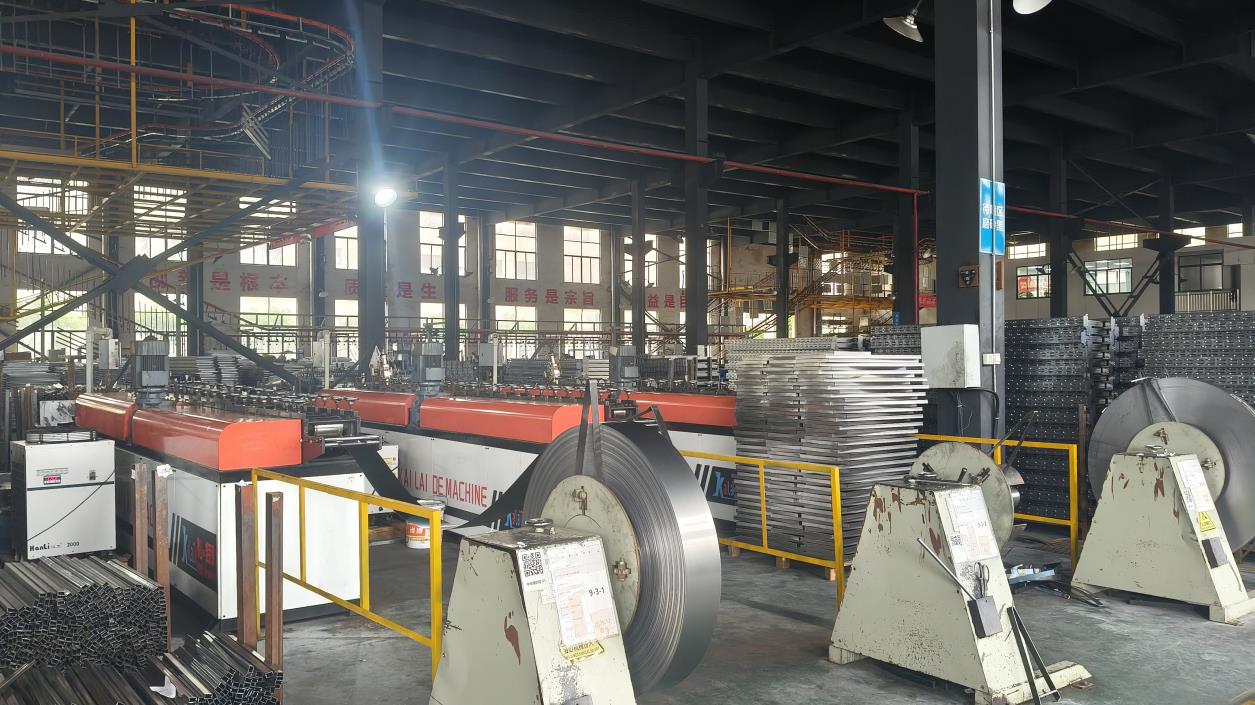
LogiSteel is focused on continuous product development to improve structural durability, safety, and system integration. Our current development roadmap includes:
Explore our specialized range, featuring automated shuttle systems, gravity flow racks, cantilever shelves, and heavy-duty industrial components.
Detailed engineering, manufacturing, and procurement answers for industrial storage solutions.
 LogiSteel Racking