In the hyper-competitive landscapes of logistics, cold chain distribution, automated warehousing, and raw material handling, static structural configurations are no longer sufficient. Today, global supply chains depend heavily on specialized shelving accessories to maximize volumetric utilization, ensure strict occupational safety, and facilitate seamless robotic-human workflow interfaces.
From rigid upright protectors and safety mesh decks to high-precision automatic shuttle track components, dynamic storage environments require component-level integrity. Investing in quality engineering guarantees structural longevity under constant operational vibration and seismic stress. This whitepaper analyzes global procurement vectors, structural compliance standards (CE, ISO, AS4084), and profiles the industry leaders engineering these crucial systems.
The global warehousing industry is undergoing rapid technological transformations. Global trade growth and e-commerce expansion require dynamic systems that can rapidly adjust layouts without compromising safety margin standards.
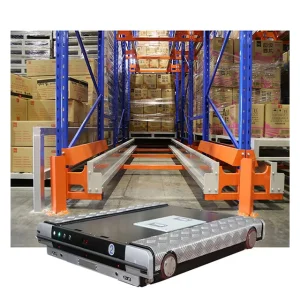
Automated Guided Vehicles (AGVs) and Autonomous Mobile Robots (AMRs) require strict structural clearances. This has led to a surge in demand for high-precision steel guidance tracks, baseplates, and photoelectric sensor brackets mounted directly to racking frames.
Seismic activity guidelines dictate that heavy-duty racks in active zones must utilize dynamic seismic baseplates, dual-bolted cross beams, and custom structural bracing accessories to prevent catastrophic failure.
Suppliers are shifting from traditional mild steels to high-strength, low-alloy (HSLA) structural sheets (e.g., Q355B or Grade 50). This offers reduced deadweight, higher load margins, and optimized structural performance in low-temperature environments.
Procurement officers managing global projects must evaluate multiple manufacturing parameters to guarantee high component reliability. An optimal supply partner does not merely sell components; they provide comprehensive, end-to-end engineering validation. Key parameters to analyze include:
Among the leading global manufacturers, Guangzhou LogiSteel Racking Co., Ltd. stands out as a professional supplier specializing in the custom design, precise production, global distribution, and professional installation of high-capacity storage racking systems, display stands, and supermarket equipment.
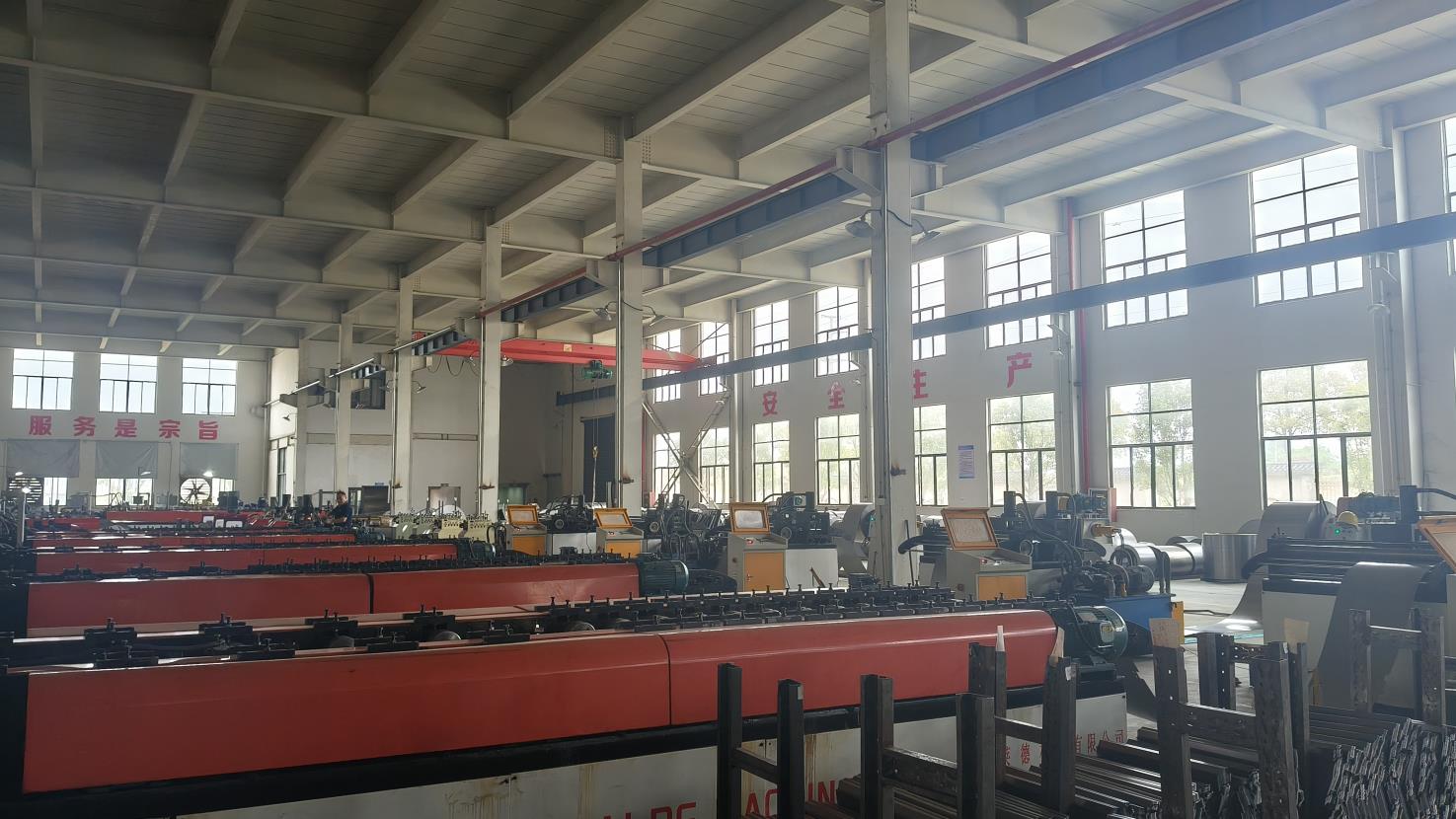
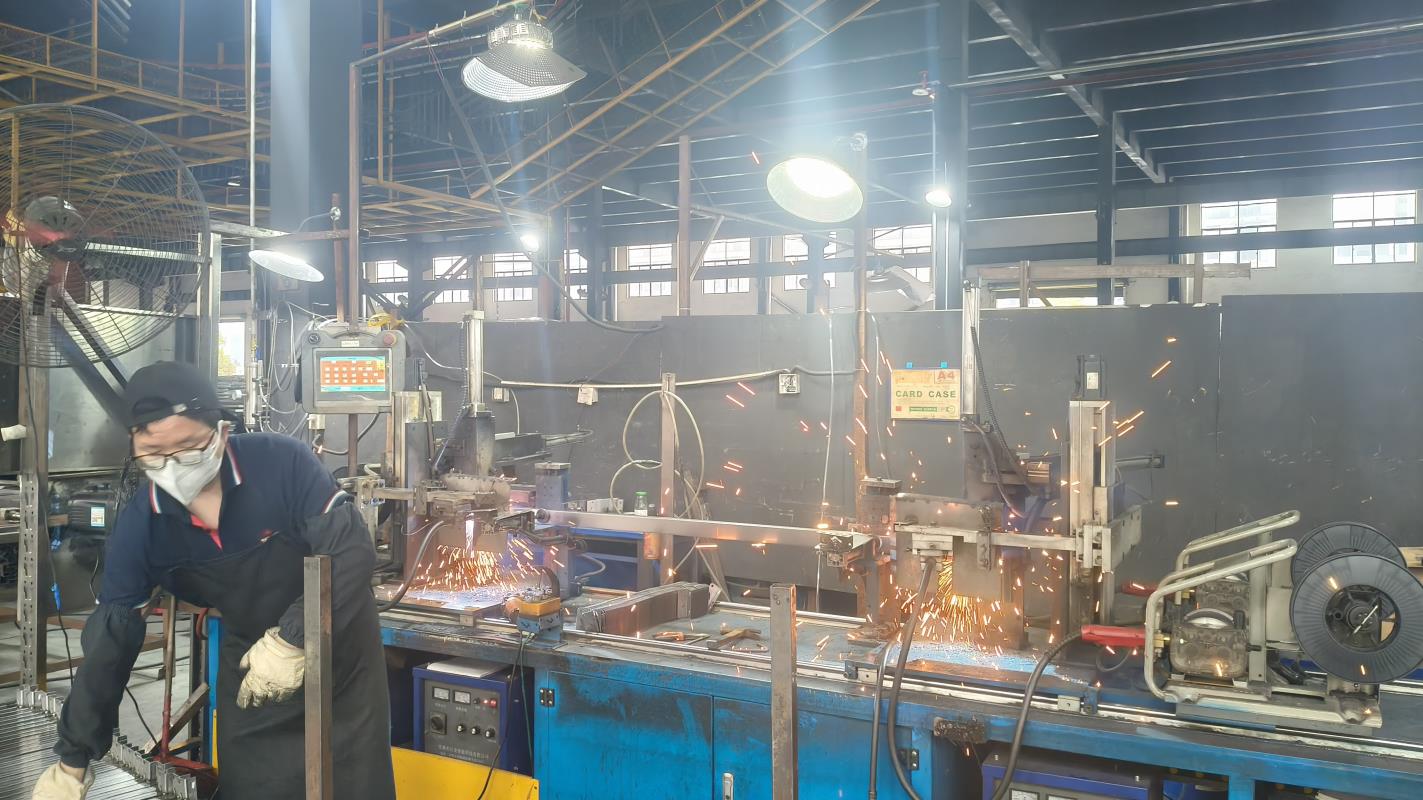
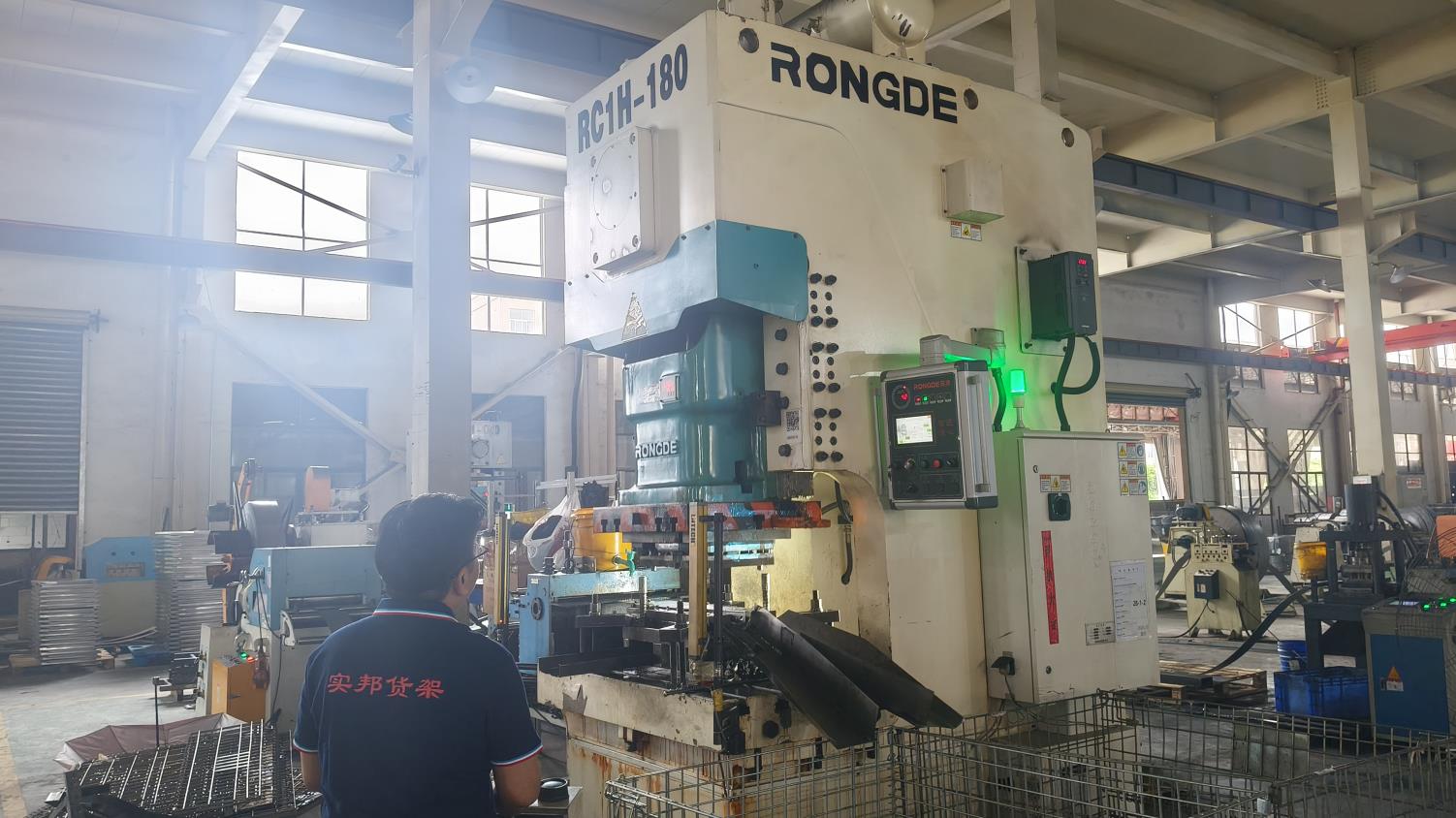
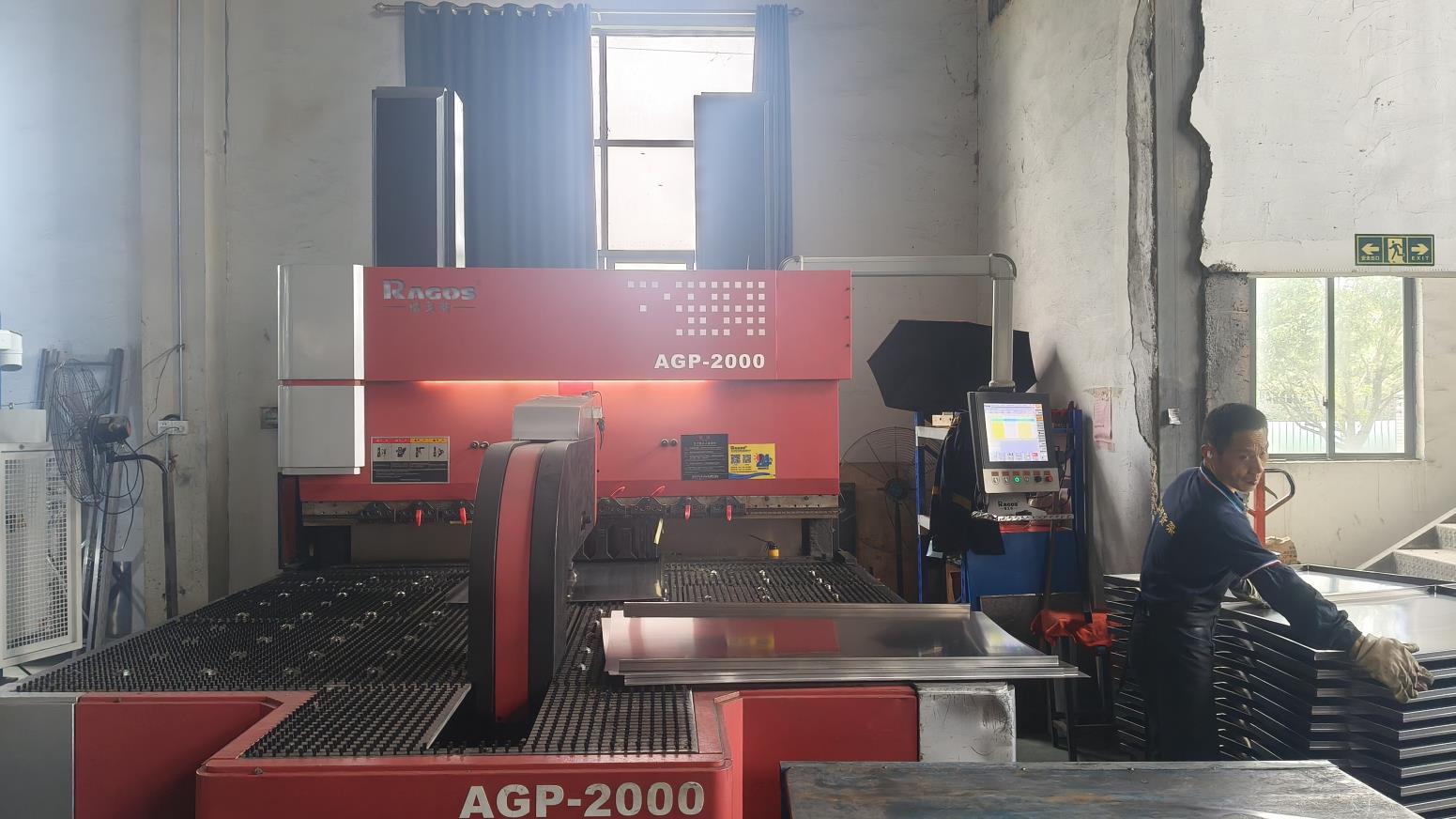
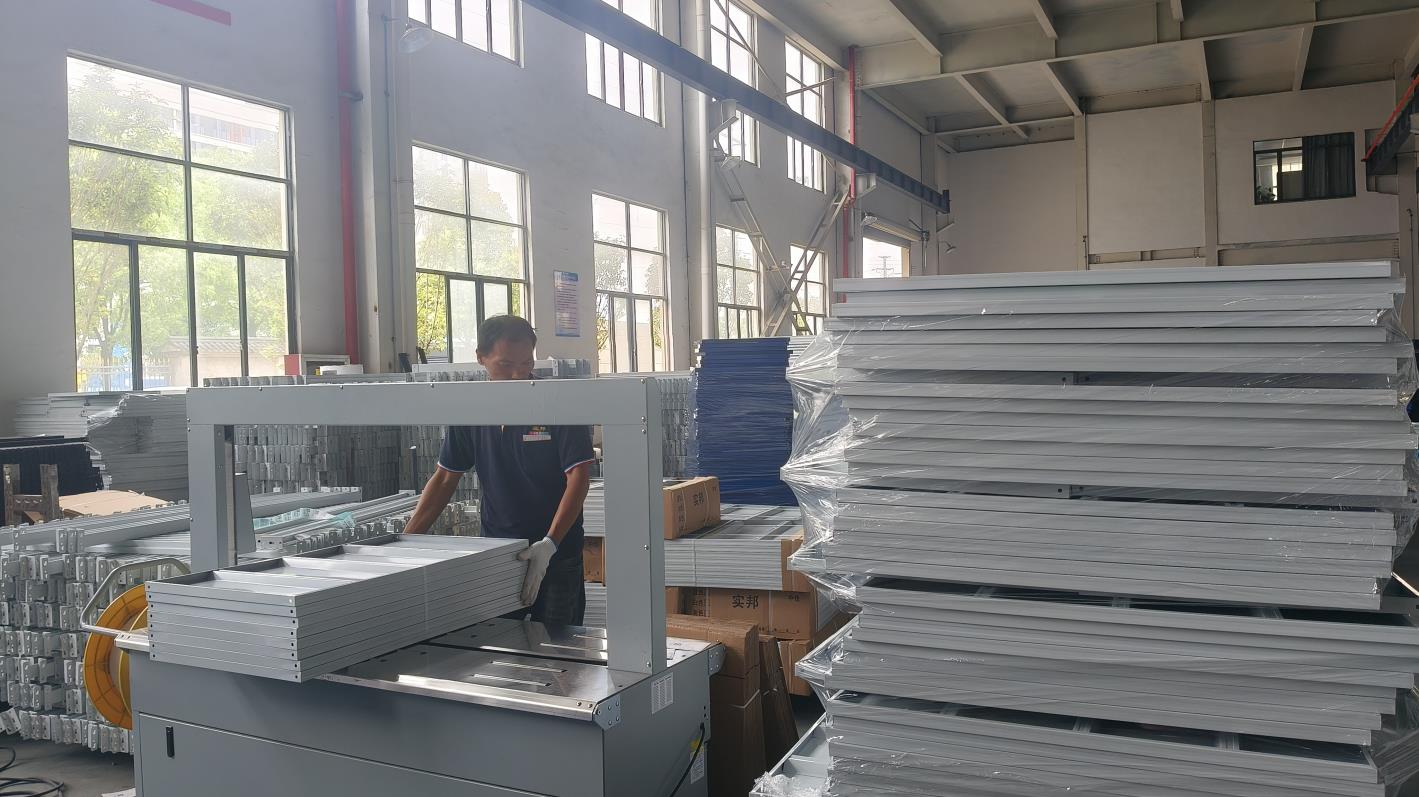
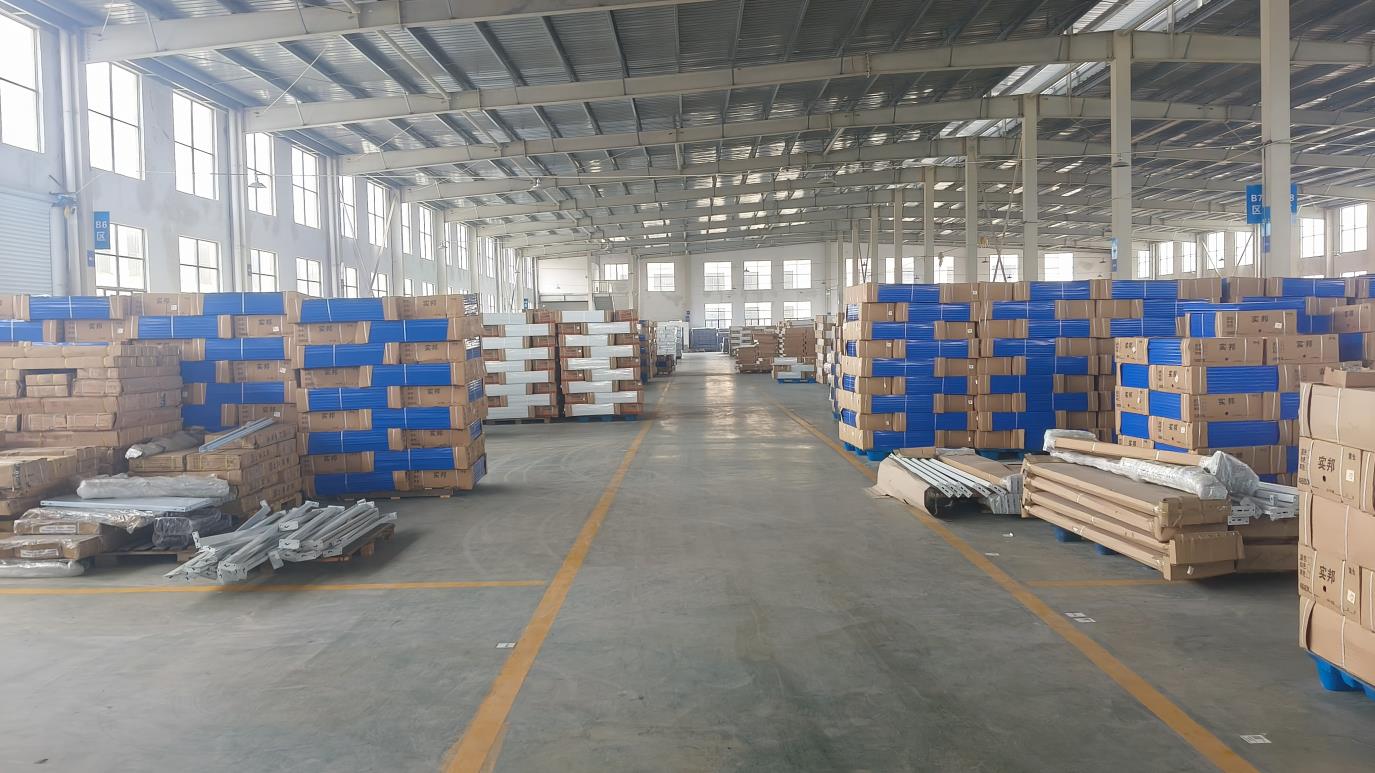
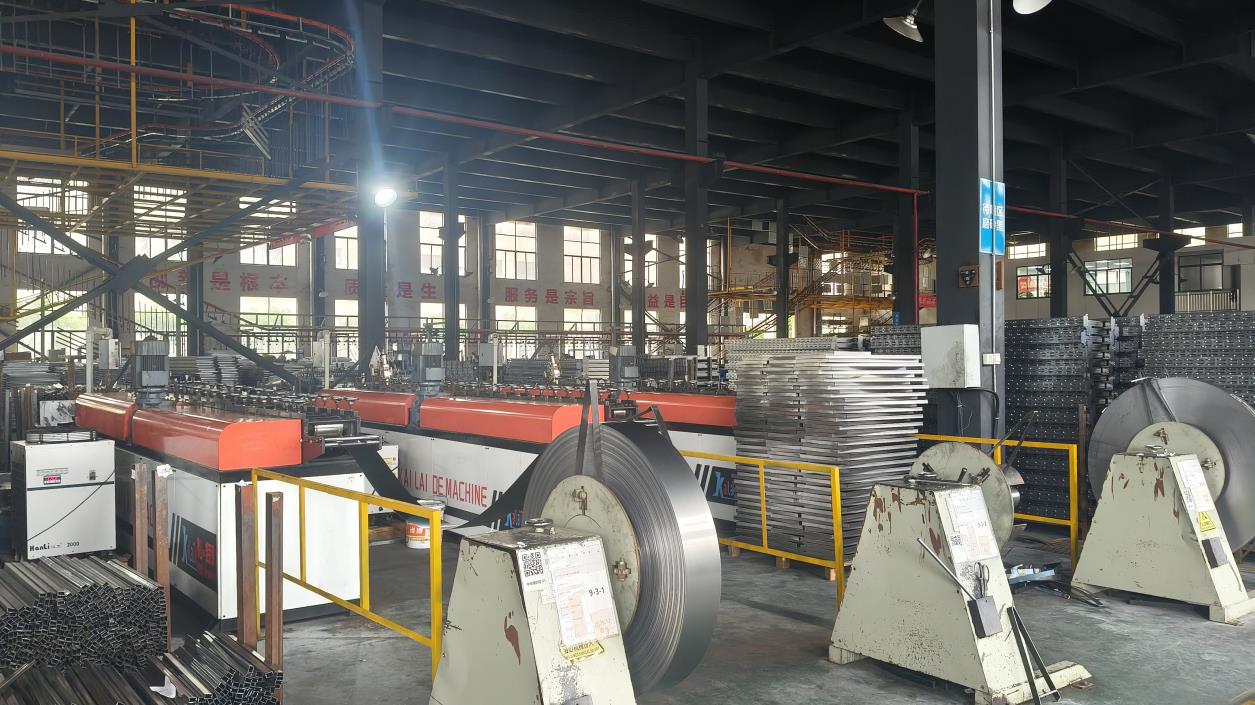
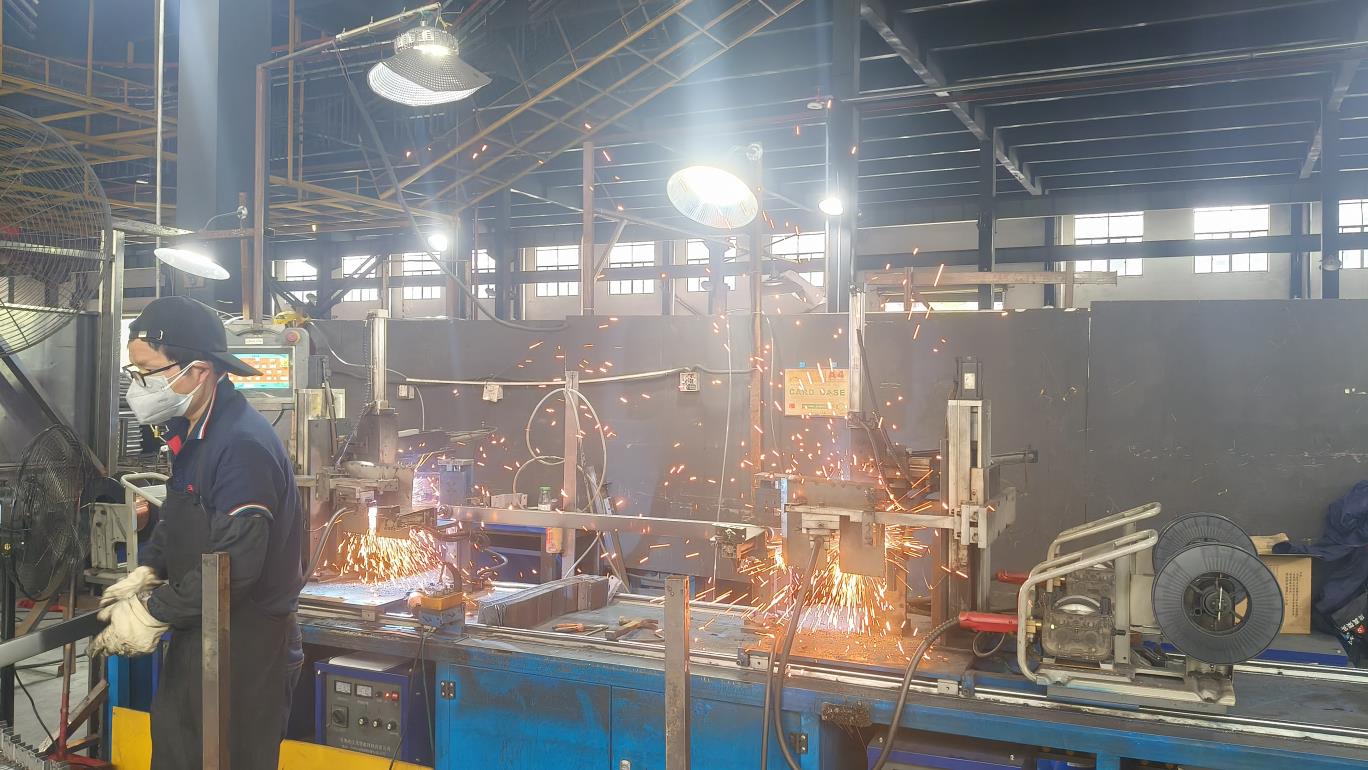
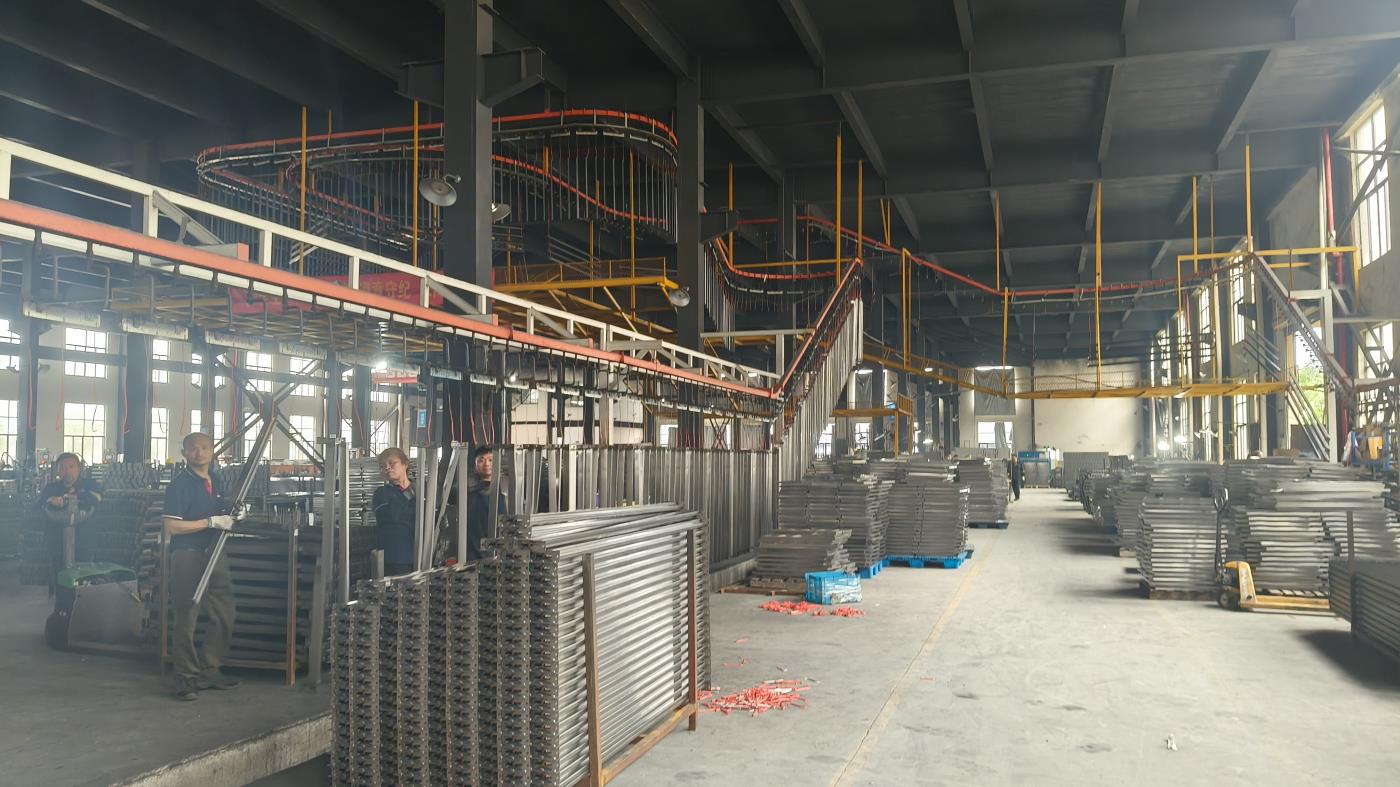
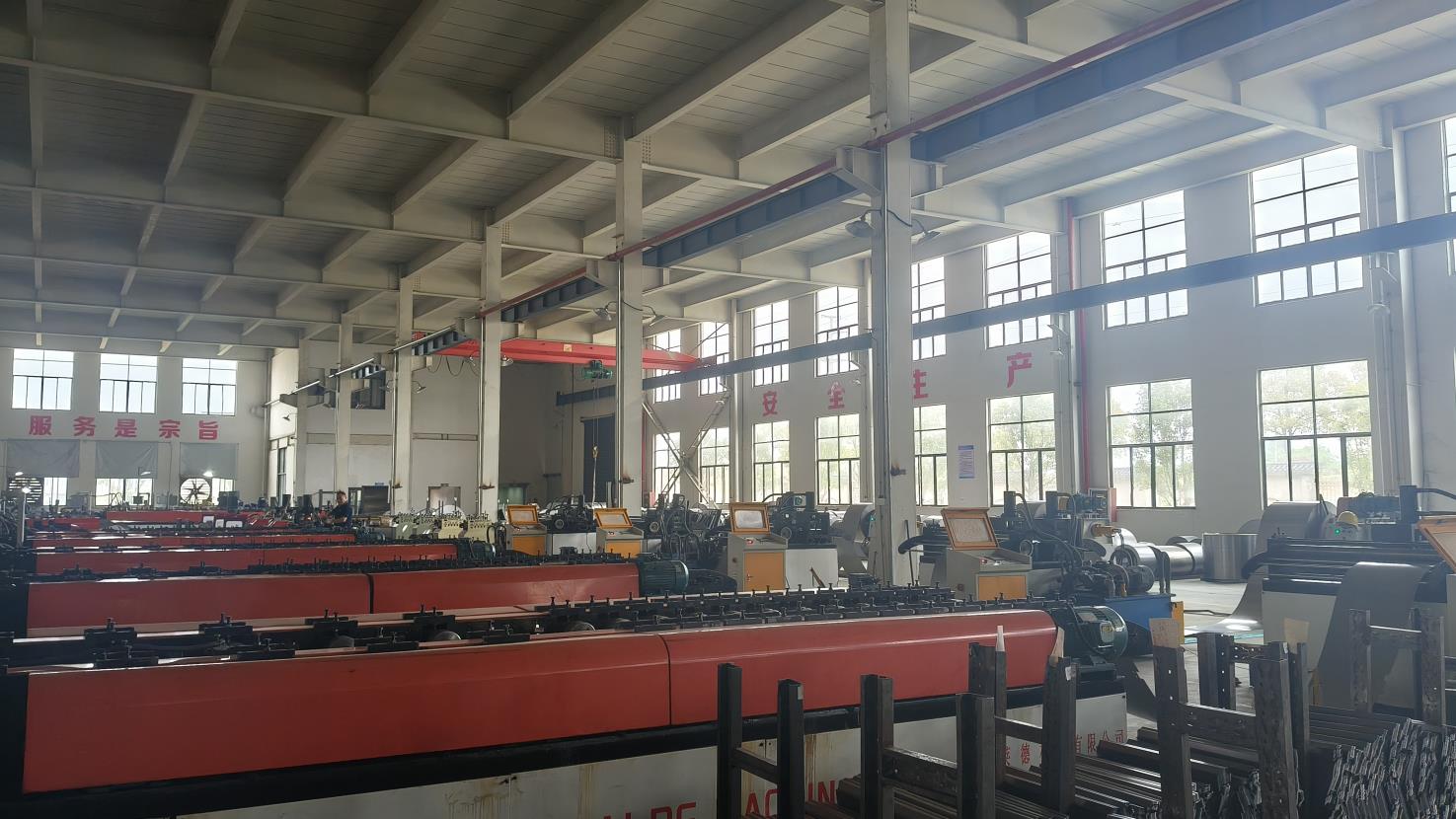
Over years of dedicated development, LogiSteel has positioned itself as an industry leader in material handling. The facility spans over 15,000 square meters and employs over 200 skilled operations workers and technical design engineers. Powered by an advanced lineup of machinery—including tube cutting saws, tube punching machines, guillotine shears, hydraulic punching machines, plate bending machines, and spot welding machines—LogiSteel ensures high dimensional precision and structural efficiency throughout the production cycle.
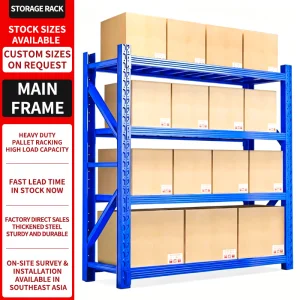
LogiSteel’s comprehensive portfolio includes pallet racking systems, selective warehouse racks, mezzanine floors, supermarket shelving, gondola shelving, and custom heavy-duty display solutions. These products are widely deployed in modern logistics hubs, automated cold chains, and retail environments worldwide.
The brand has developed a solid global presence, partnering with distributors and operators across Oceania, Asia, Europe, South America, and the Middle East. Driven by an annual revenue exceeding 15 million USD, LogiSteel demonstrates continuous market competitiveness and growth. Supported by professional sales staff and experienced structural engineers, the company provides comprehensive support from conceptualization to after-sales care. All client inquiries receive standard replies within 24 hours, and physical on-site technical support can be arranged to ensure optimal project execution.
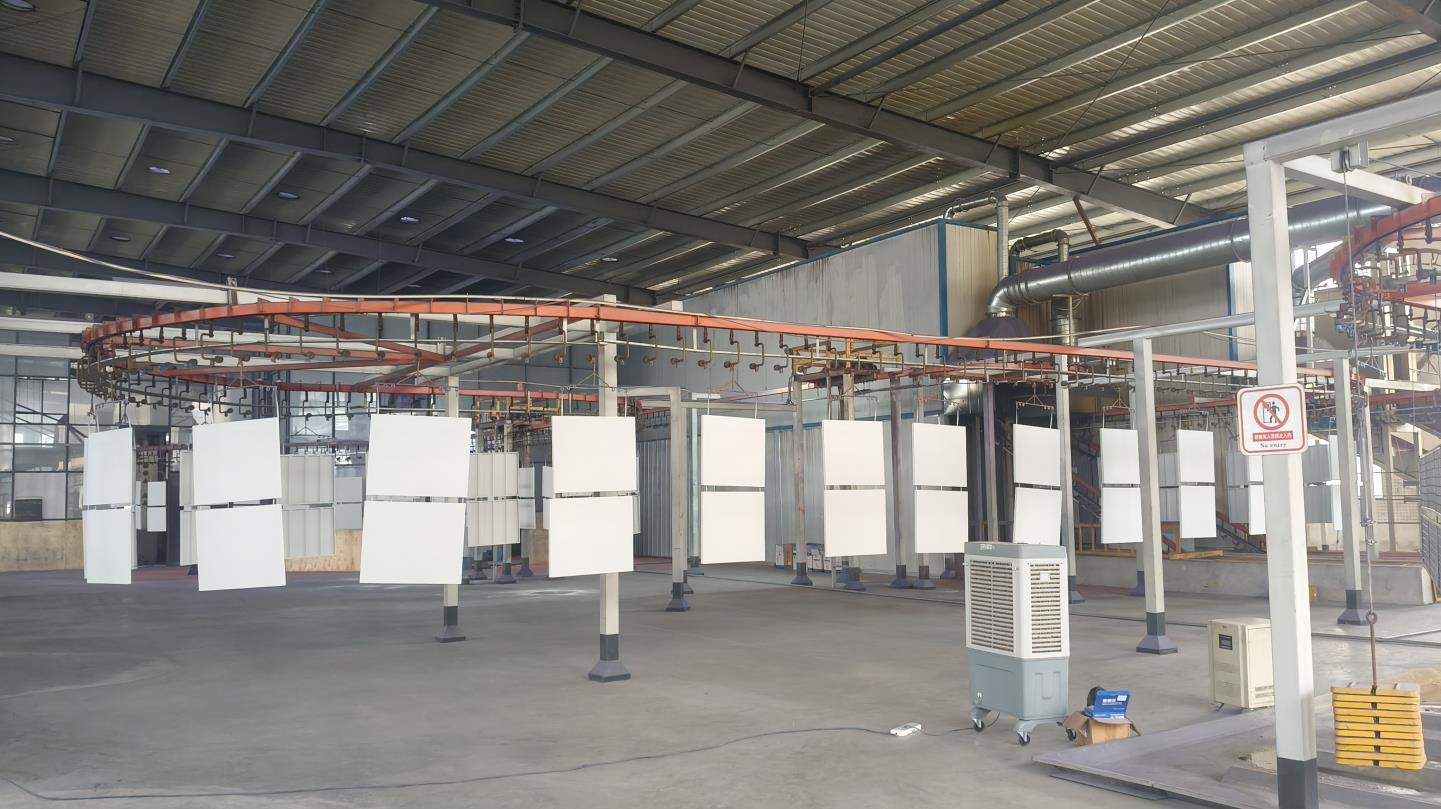
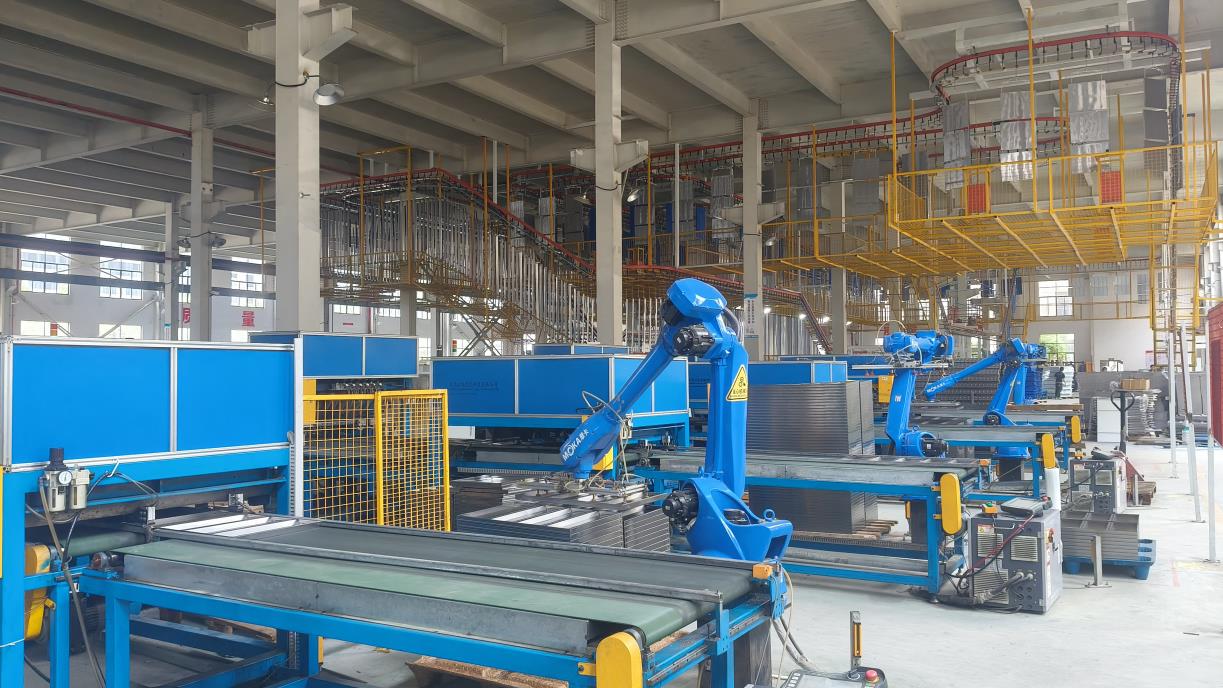
Our state-of-the-art production facility relies on automated machining lines to guarantee minimal dimensional tolerance deviation. Below is the visualization of the core production phases and engineering equipment operating at LogiSteel:
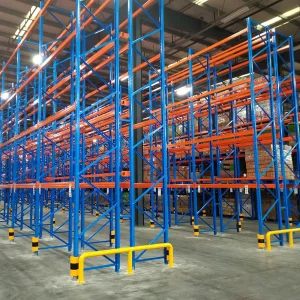
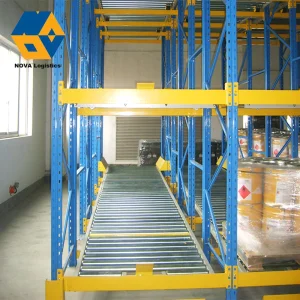
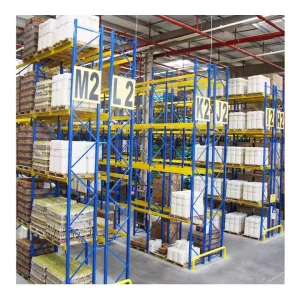
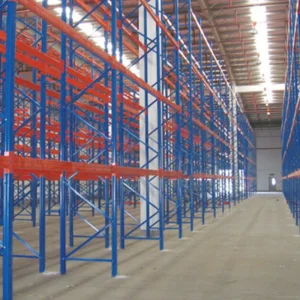
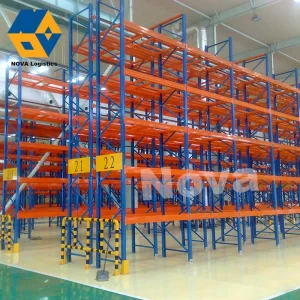
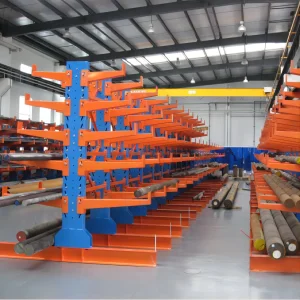
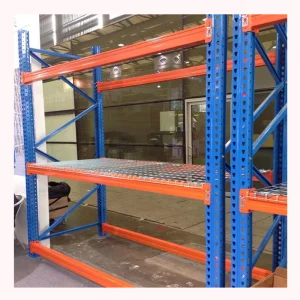
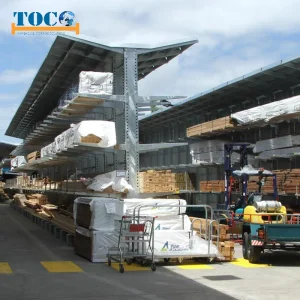
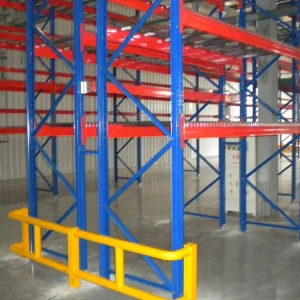
Every warehousing sector presents distinct challenges. In heavy-duty pipe and timber logistics, standard upright configurations fail to accommodate long structural profiles. Conversely, cold storage sectors prioritize volume utilization and airflow. Below are the standard macro system profiles applied across core industrial sectors:
Optimizing air circulation while minimizing thermal footprint is essential. Utilizing galvanized dynamic shuttle systems reduces operational floor requirements, and specialized anti-freezing baseplates prevent ground delamination at sub-zero temperatures (-30°C).
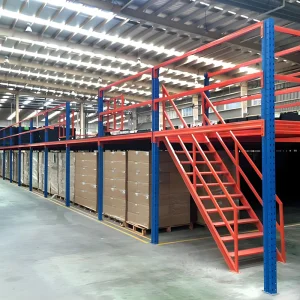
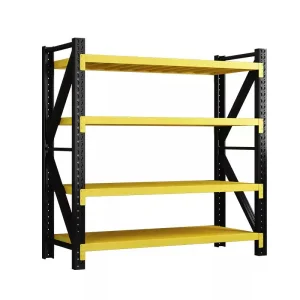
High-turnover SKU setups depend on multi-level mezzanine racking accessories. Installing drop-in steel dividers, wire mesh backstops, and conveyor interfaces maximizes picking rates and provides high protection for warehouse workers.
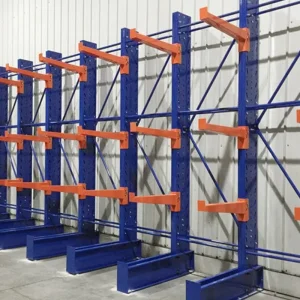
Handling long, heavy materials requires heavy-duty cantilever systems. Featuring heavy-duty base units and customized structural retainer pins, cantilever racks prevent tubular items from shifting under load.
Compliance remains a fundamental requirement in B2B supply chains. Racking structural collapses cause significant disruption and present severe safety risks. LogiSteel operates in strict adherence to international safety metrics to ensure reliable operation:
The future of warehouse design relies on the integration of physical infrastructure and digital intelligence. The development of self-healing anti-corrosion chemical finishes promises to extend racking life expectancy in saline coastal locations. Meanwhile, integrated structural load-sensing components will allow operators to monitor live stress distribution across upright beams.
LogiSteel continues to invest in automated manufacturing, upgrading our smart robotic arm units and high-speed multi-stage roll forming lines. This strategic expansion aims to increase production capacity while maintaining precision and cost-efficiency.
Q235B steel offers a yield strength of 235 MPa and is widely used for standard shelving and light-to-medium racking systems. Q355B has a yield strength of 355 MPa, providing higher tensile strength and structural capacity. This makes it ideal for high-bay selective pallet racks, heavy-duty drive-in systems, and installations in seismic zones.
Standard industrial applications require a powder coating thickness of 60 to 80 microns. For environments with high humidity, chemical exposure, or sub-zero temperatures (cold chain storage), a thicker or hot-dip galvanized finish is recommended to protect the underlying steel from rust and corrosion.
Wire mesh decking improves overall safety by preventing loose items from falling, accommodating varying pallet sizes, and allowing water from overhead sprinkler systems to pass through in case of fire, ensuring compliance with local fire safety codes.
Yes, selective systems can be retrofitted by adding specialized shuttle rails, structural alignment guides, and safety end-stops. However, this conversion requires precise engineering validation to confirm the existing frames can handle the dynamic loads of moving shuttles.
 LogiSteel Racking