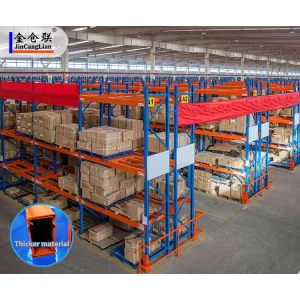
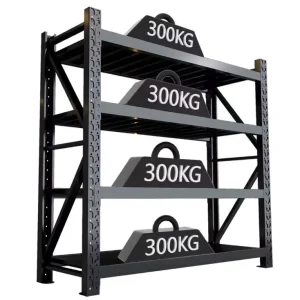
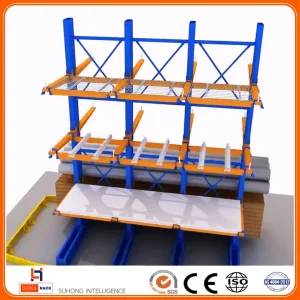
Explore our high-density industrial racking systems designed for structural integrity and high warehouse optimization.
In the modern era of logistics and supply chain optimization, selecting the right material handling equipment is no longer just a purchasing decision; it is a critical strategic pivot. Warehousing infrastructure acts as the physical backbone of global trade. High-density storage solutions, such as structural and roll-formed pallet racking systems, determine the throughput capacity, operational velocity, and baseline safety of logistics centers. B2B procurement professionals must navigate a complex ecosystem of international manufacturers to identify suppliers capable of providing structurally sound, code-compliant, and cost-effective racking systems.
This whitepaper establishes the foundational benchmarks for evaluating the Top 10 Pallet Racks Factories & Suppliers. Our research focuses on engineering capabilities, material sourcing integrity, production capacity, adherence to rigorous international standards (such as FEM, RMI, and CE), and the capacity to deliver customized integration solutions.
The warehousing sector is undergoing an unprecedented structural transition driven by the rapid expansion of e-commerce, third-party logistics (3PL), and automated supply chains. Several dominant trends are reshaping the pallet rack manufacturing landscape:
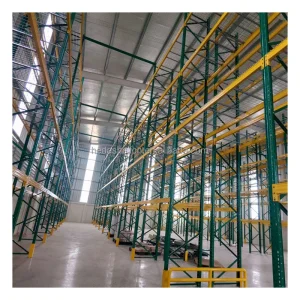
High-bay warehousing is driving demand for ultra-precise, high-tolerance racks designed to interface with Automated Storage and Retrieval Systems (AS/RS).
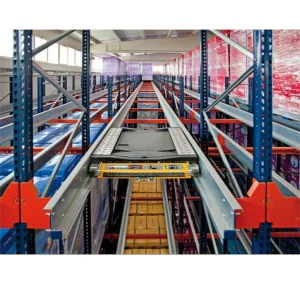
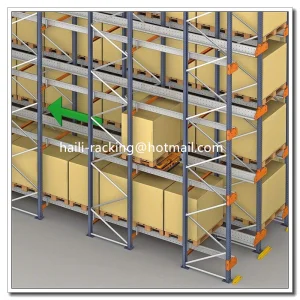
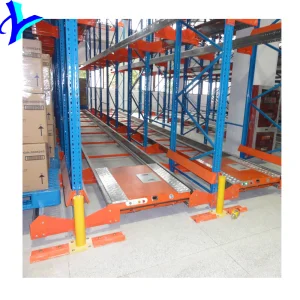
Semi-automated Radio Shuttle systems are increasingly replacing traditional drive-in racks due to superior throughput, FIFO/LIFO flexibility, and minimized forklift damage.
Seismic design and structural engineering under dynamic load criteria are becoming mandatory regulatory requirements across major logistical corridors.
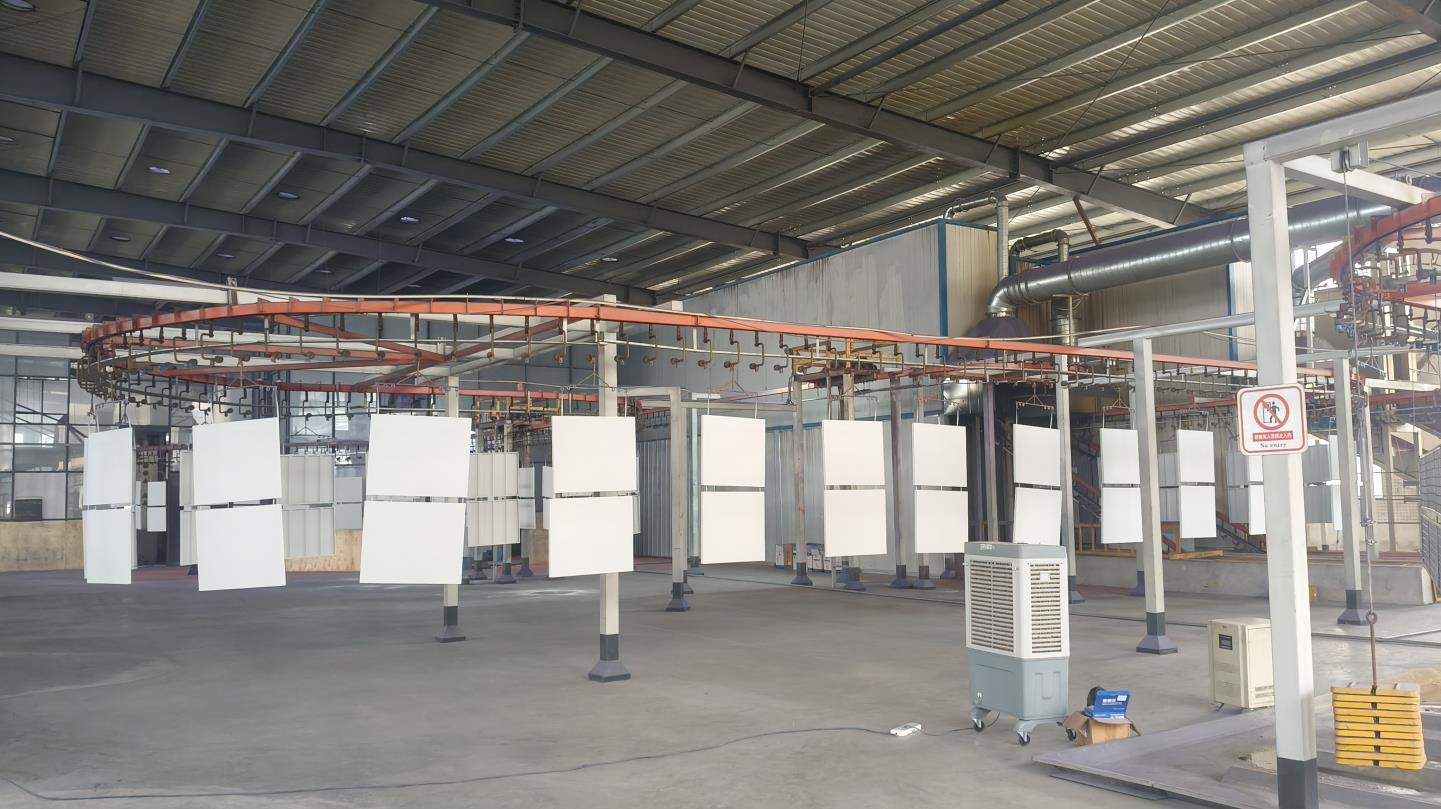
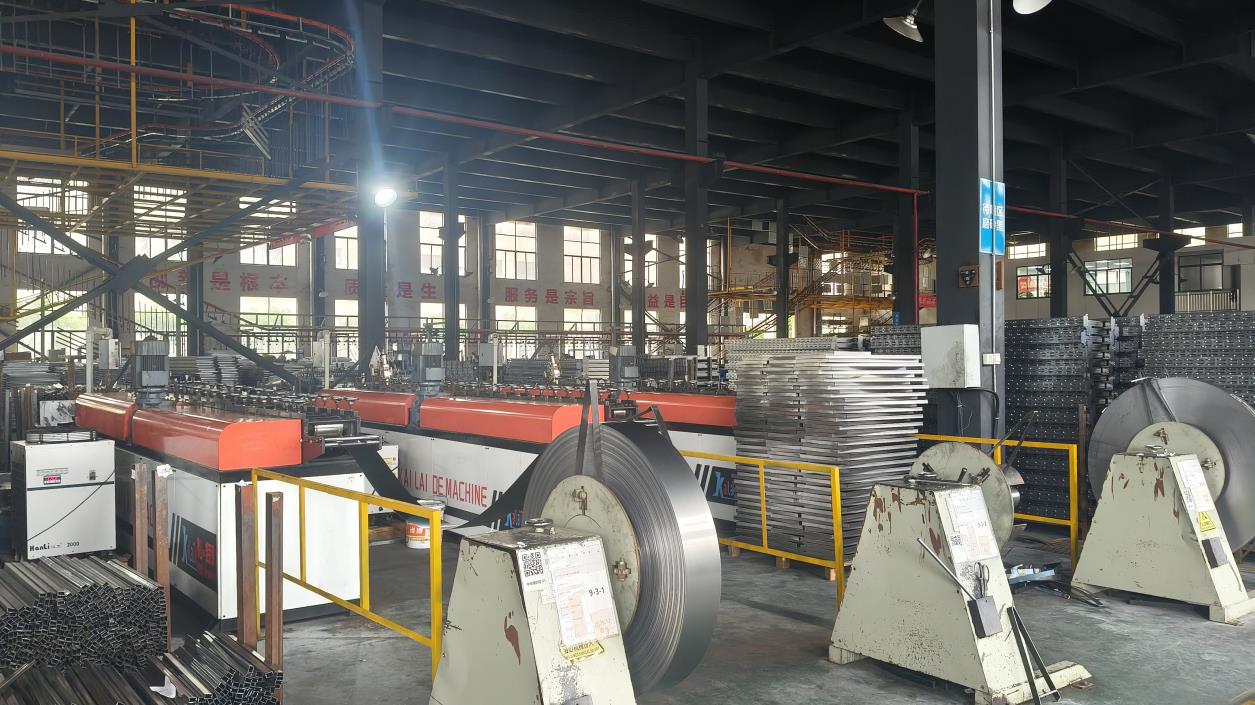
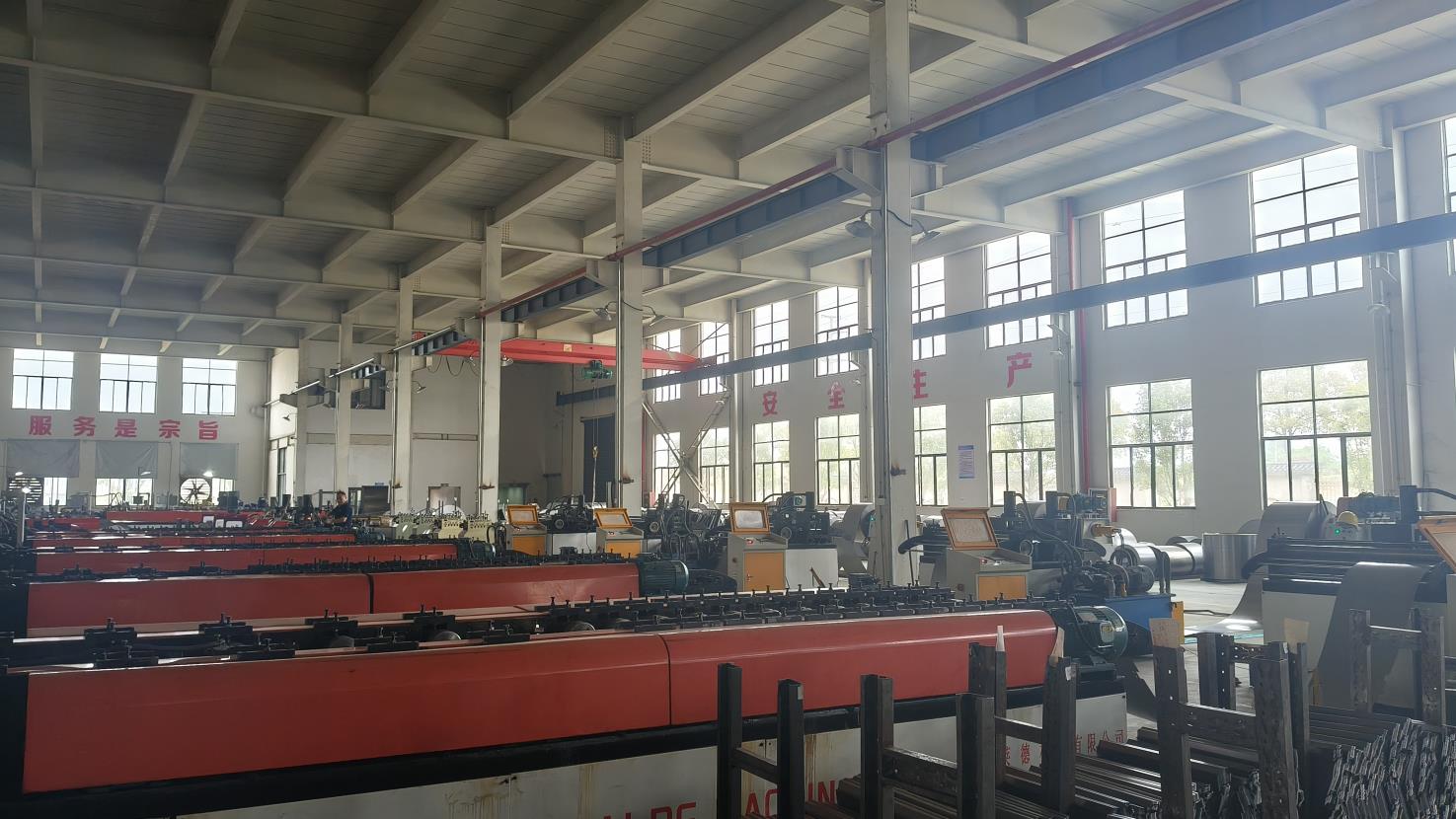
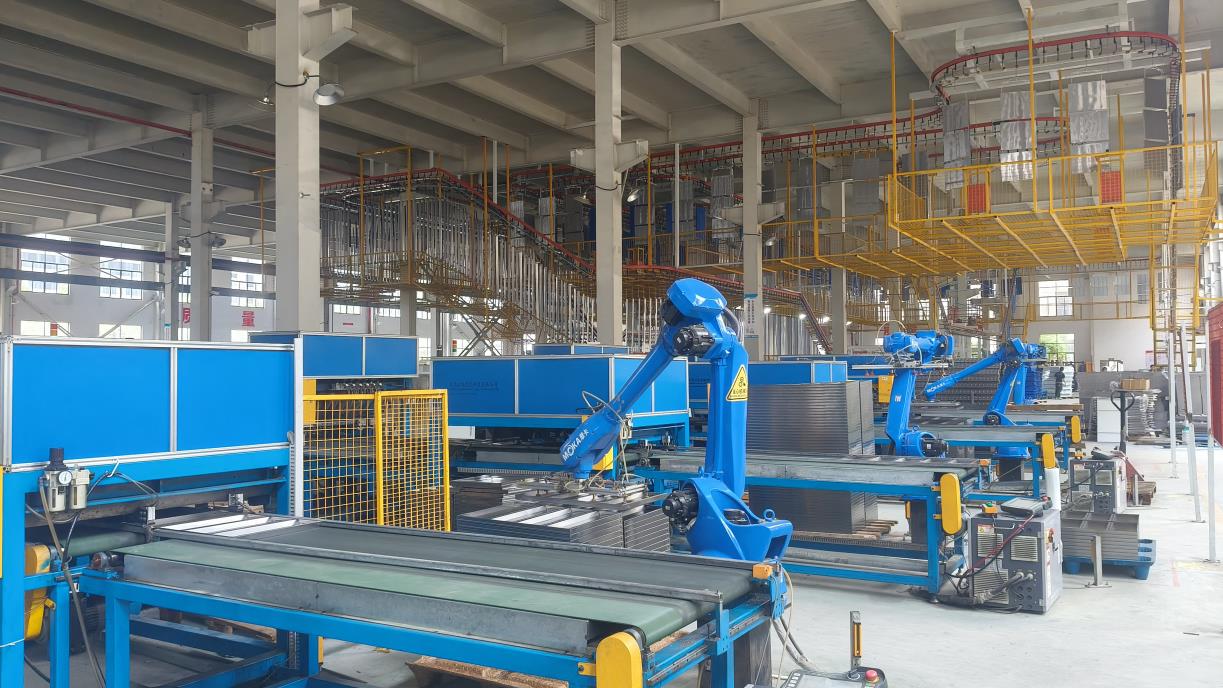
Manufacturers are investing heavily in roll-forming automation, advanced structural engineering software, and automated powder coating technologies. Modern facilities utilize steel coils with certified yield strength (e.g., Q235B, Q355B structural steel) to guarantee performance under heavy loads.
Note on Steel Grade & Safety: The safety margin of a pallet rack system is highly dependent on the steel grade's chemical composition and physical properties. Leading suppliers rely on high-grade steel to prevent progressive collapse in industrial environments.
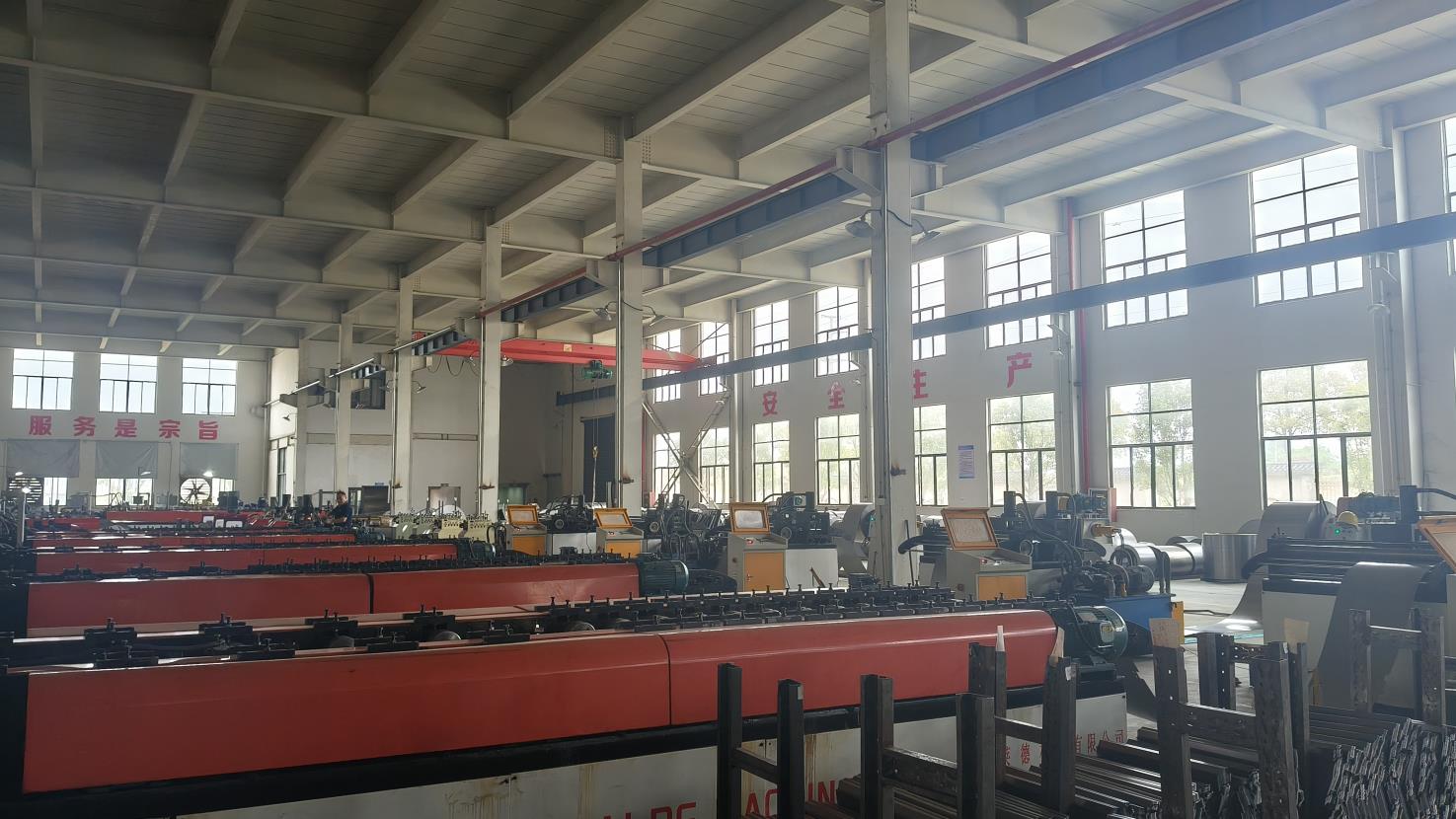
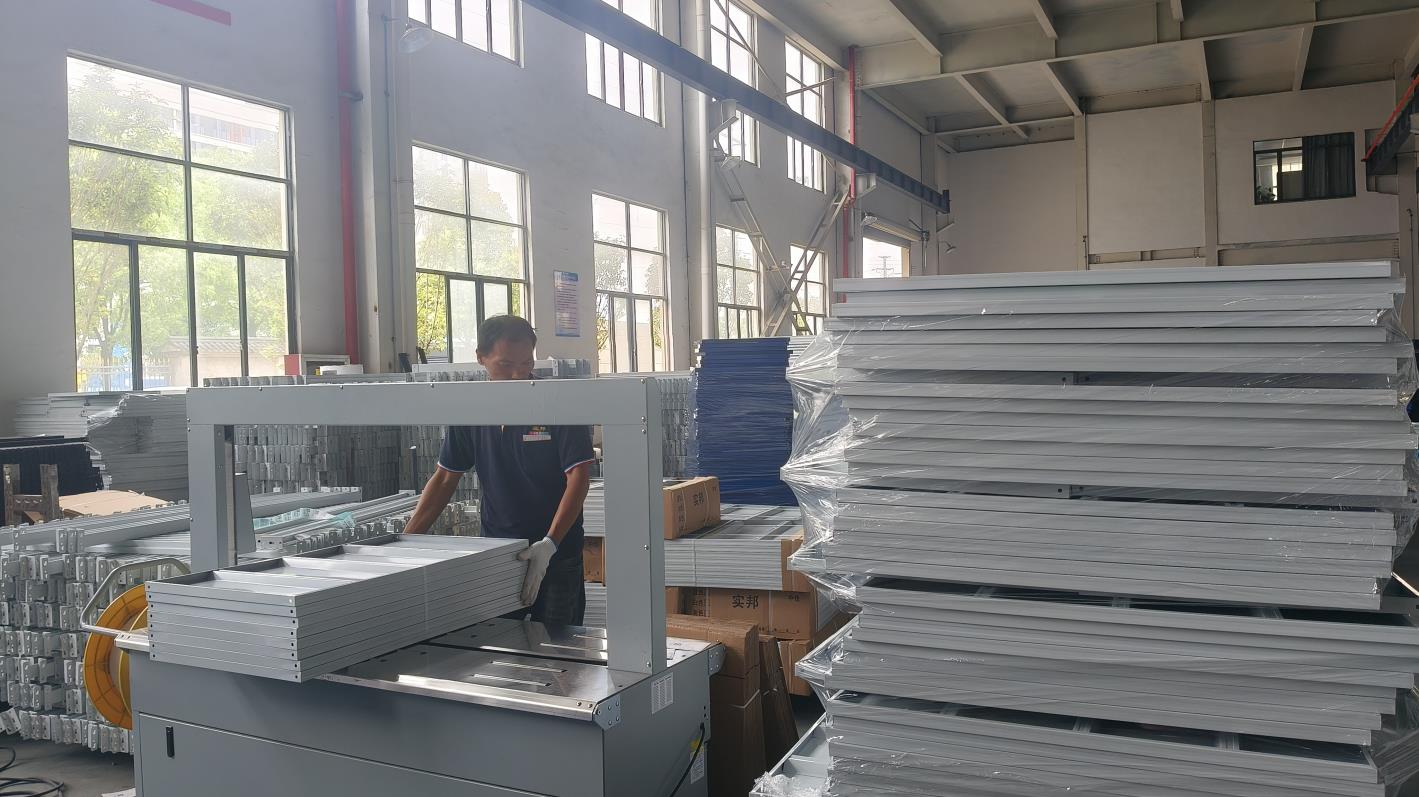
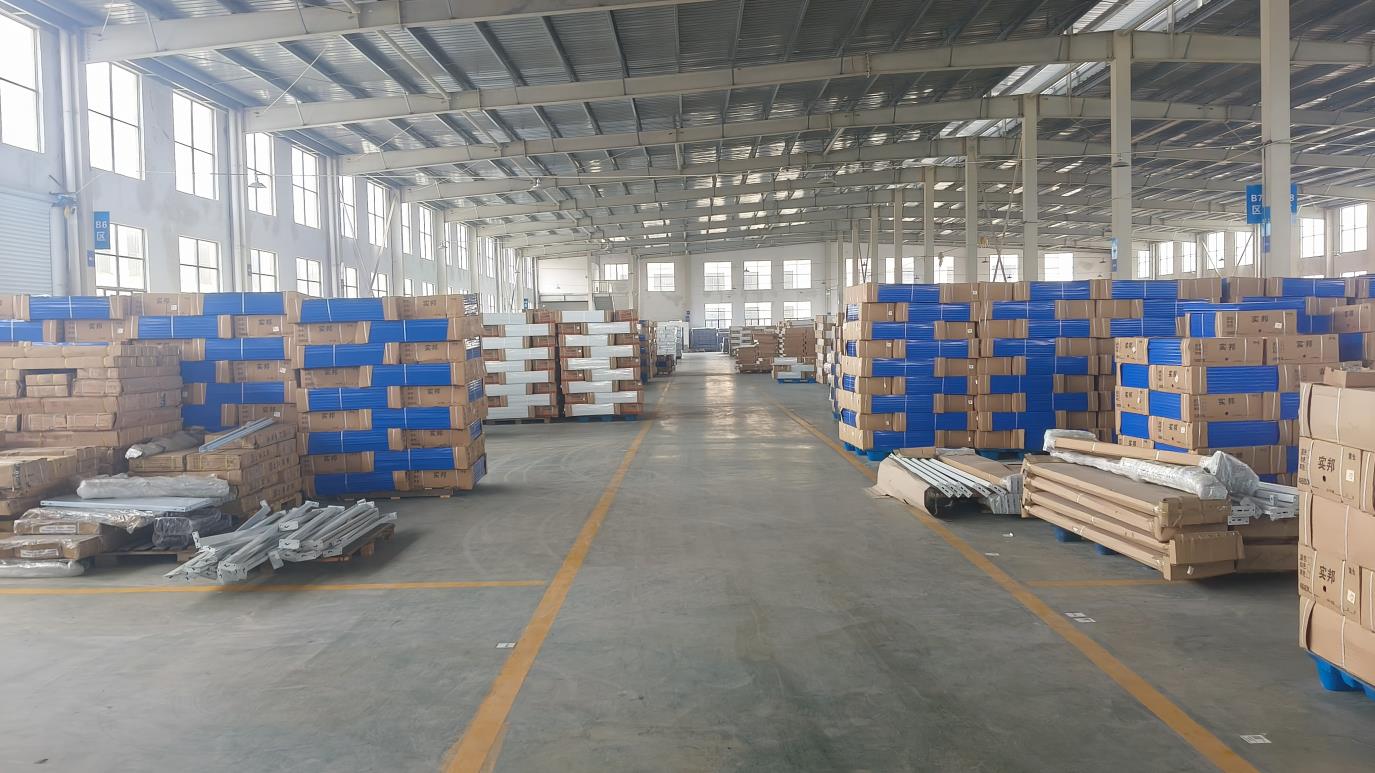
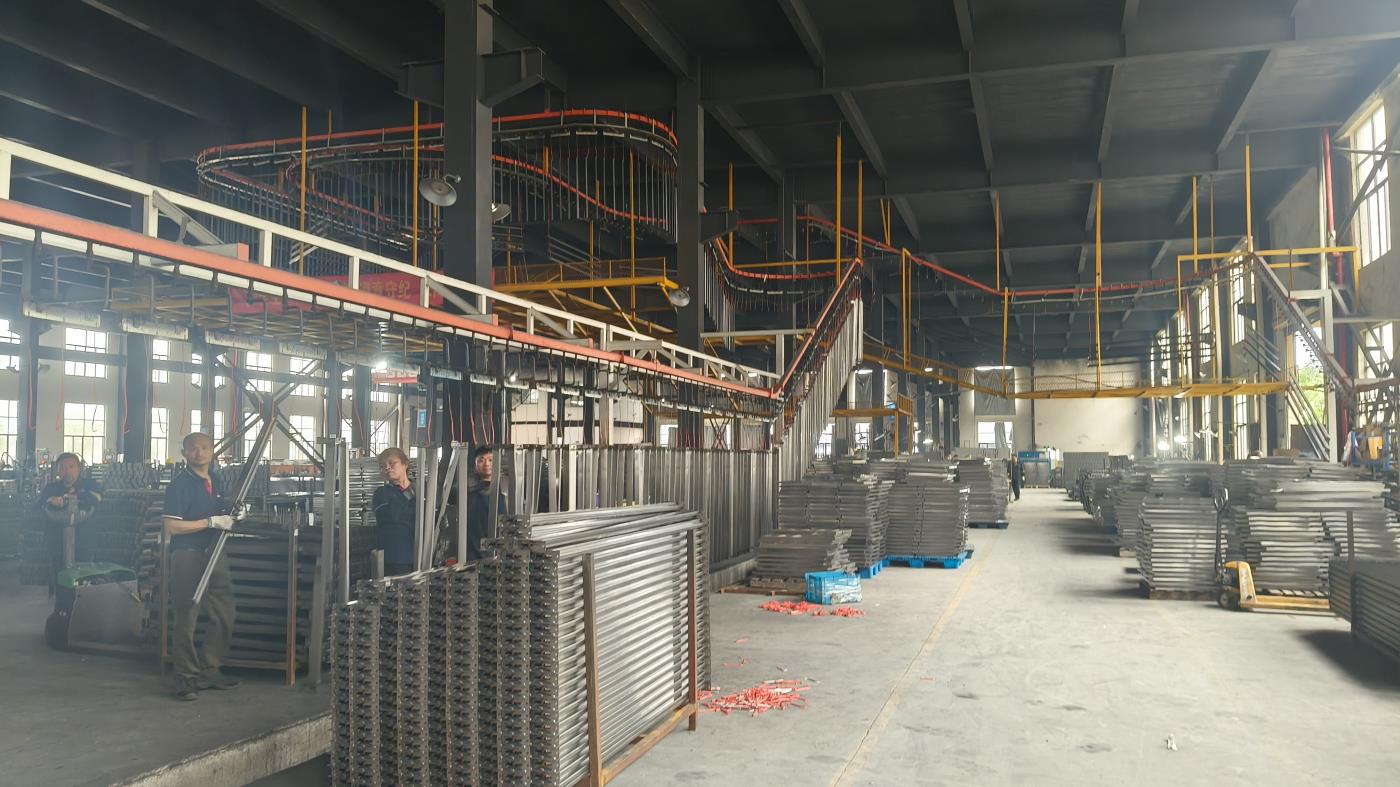
As a prominent entity in the industrial storage industry, Guangzhou LogiSteel Racking Co., Ltd. stands out as a representative model of technological integration and structural precision. Operating from a highly optimized facility spanning over 15,000 square meters, the company employs more than 200 skilled workers and an engineering squad dedicated to B2B project layout design and load calculation.
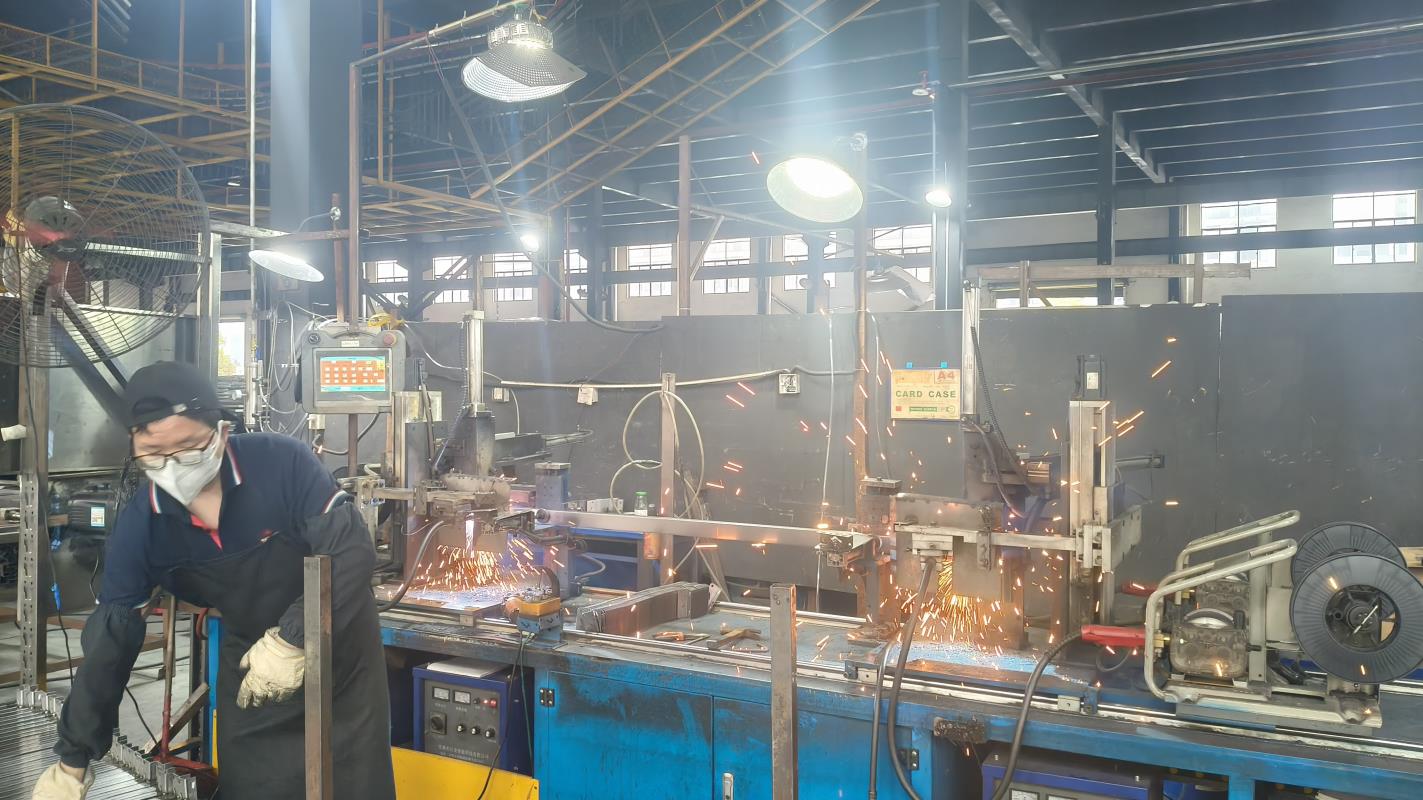
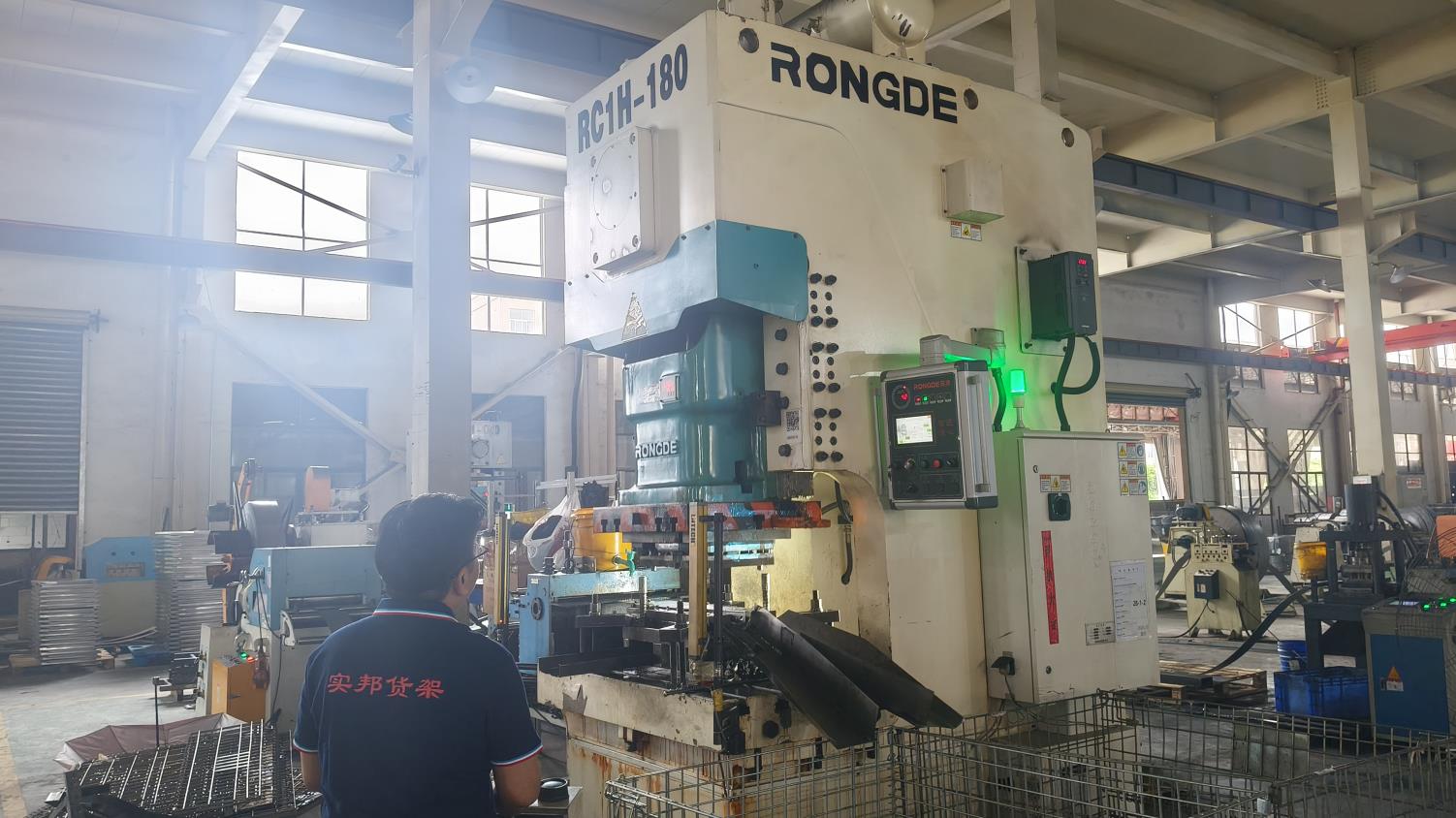
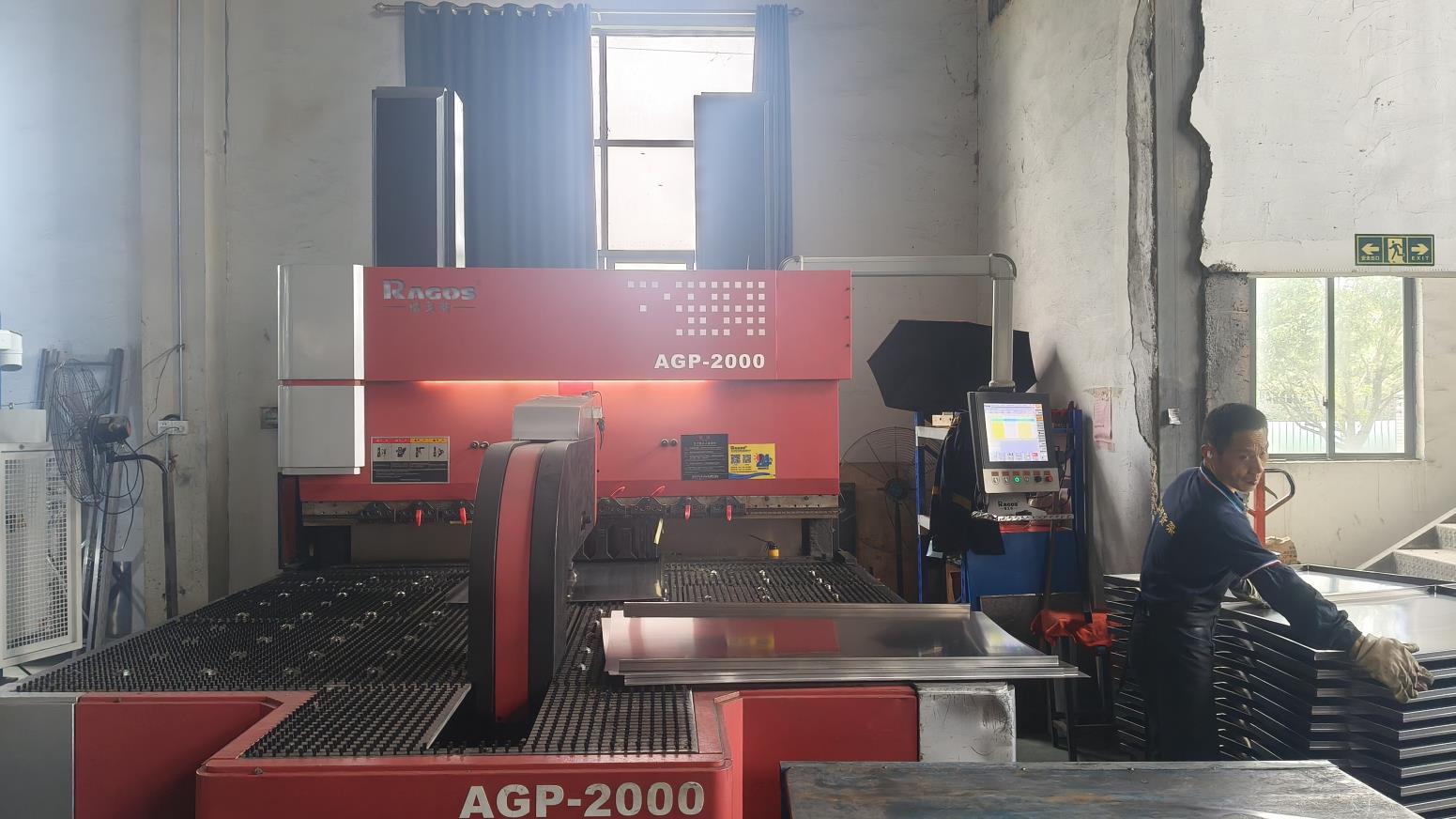
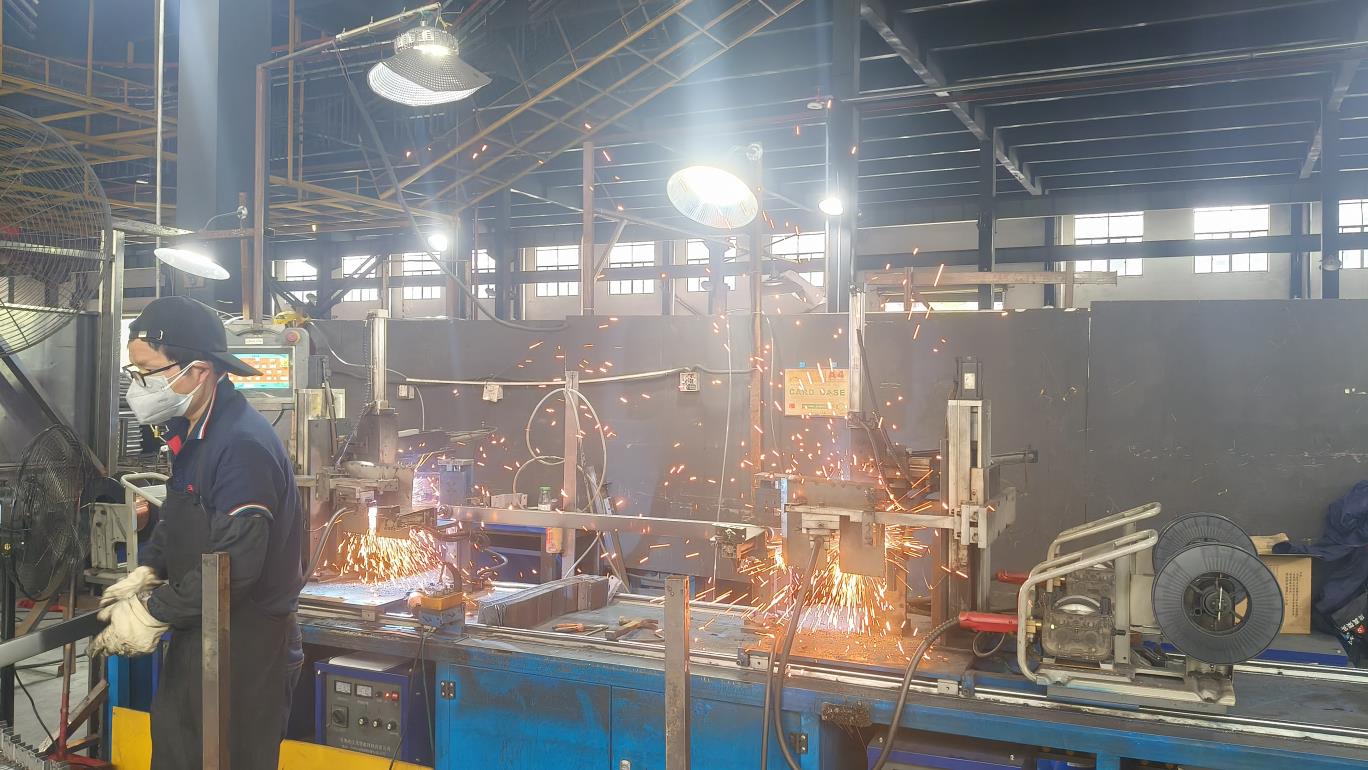
LogiSteel's manufacturing capability is driven by an array of heavy-duty fabrication machinery. The plant hosts advanced tube cutting saws, precise tube punching machines, high-capacity guillotine shears, hydraulic punching presses, CNC plate bending machines, and heavy-duty spot welding stations. These mechanical assets enable the factory to deliver consistent execution tolerances across high-volume production runs.
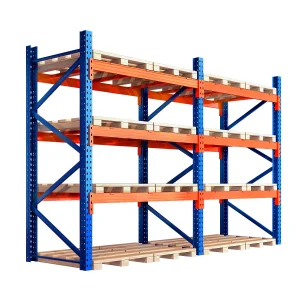
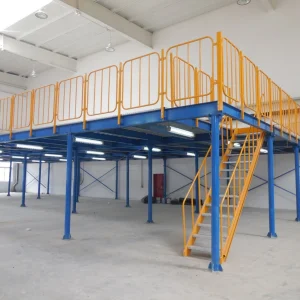
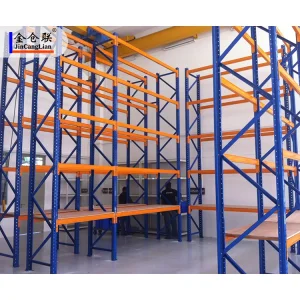
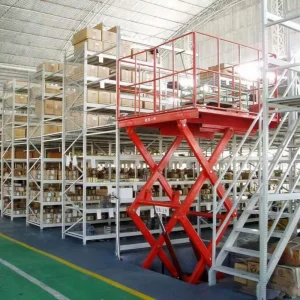
The company’s diverse product range includes selective pallet racking, VNA (Very Narrow Aisle) systems, double-deep racks, drive-in systems, heavy-duty mezzanine floors, structural steel platform layouts, and specialized retail gondolas. With an annual revenue exceeding 15 million USD, LogiSteel maintains robust supply chains across Oceania, Asia, Europe, South America, and the Middle East. All structural systems are certified under CE standards, proving the brand's compliance with international structural design and safety regulations.
Enterprise logistics require tailored architectural decisions. The table below represents the performance-cost balance and application suitability for various racking systems:
Racking failure poses extreme safety and financial liabilities. Therefore, compliance with geographic engineering standards is mandatory. Buyers sourcing from international factories must demand documentation verifying compliance with:
When managing relationships with international racking suppliers, structural engineers and procurement heads must evaluate the following key parameters to minimize project risks:
Technical answers to the most common questions raised by procurement managers, logistics consultants, and warehouse managers.
Explore specialized industrial systems from heavy-duty mezzanine structures to cantilever systems and enterprise-grade hardware integrations.
 LogiSteel Racking