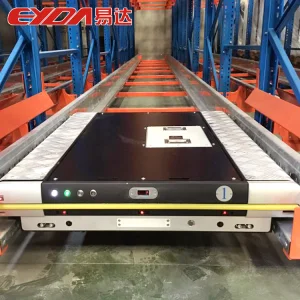
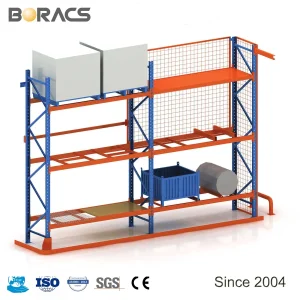
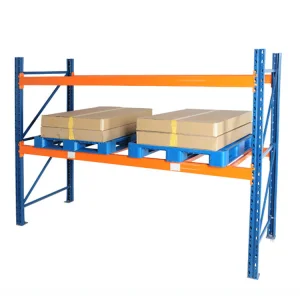
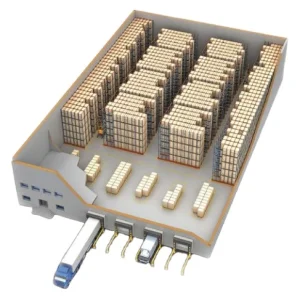
Modern supply chain logistics demand high-efficiency spatial configurations to counter rising real estate costs and faster order-fulfillment cycles. Standard static racking systems, while functional, often create operational bottlenecks due to travel times and poor space utilization. This is where Dynamic Flow Racks (including Gravity Flow, Carton Flow, and Pallet Flow Racks) act as a catalyst for efficiency, facilitating the seamless adoption of the FIFO (First-In, First-Out) inventory rotation protocol.
Operating under the force of gravity, flow racks feed materials automatically to the picking face, eliminating excessive forklift maneuvers and manual retrieval delays. By utilizing heavy-duty inclined roller tracks or skate-wheel beds, dynamic flow racks consolidate picking aisles, allowing facilities to increase density by up to 60% compared to traditional selective racking methods. As global distribution centers transition toward automated sorting, flow racking plays an essential role as an buffer interface between manufacturing and automated fulfillment corridors.
Guangzhou LogiSteel Racking Co., Ltd. is a professional manufacturer specializing in the design, production, sales, and installation of various types of storage racking systems, display stands, and supermarket equipment. Over the years, LogiSteel has developed into a reliable supplier in the material handling and retail display industry.
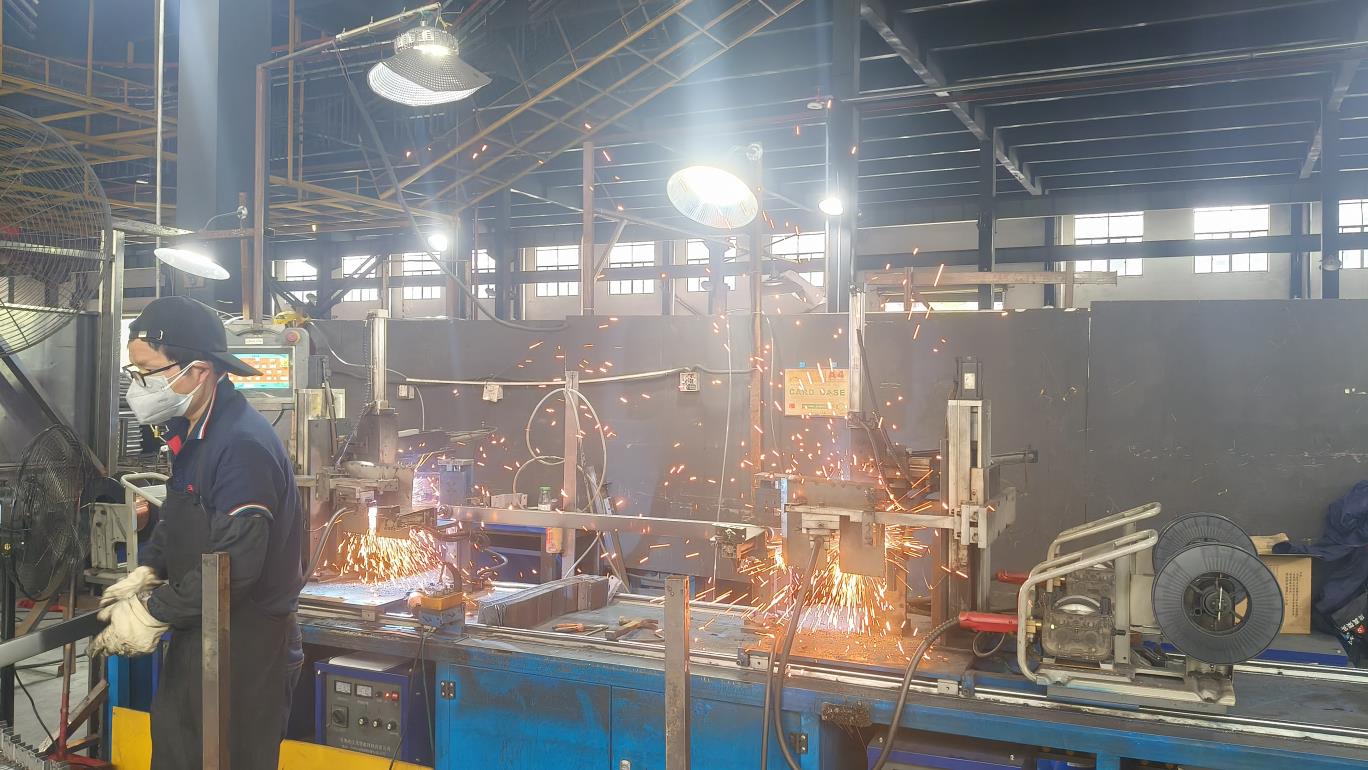
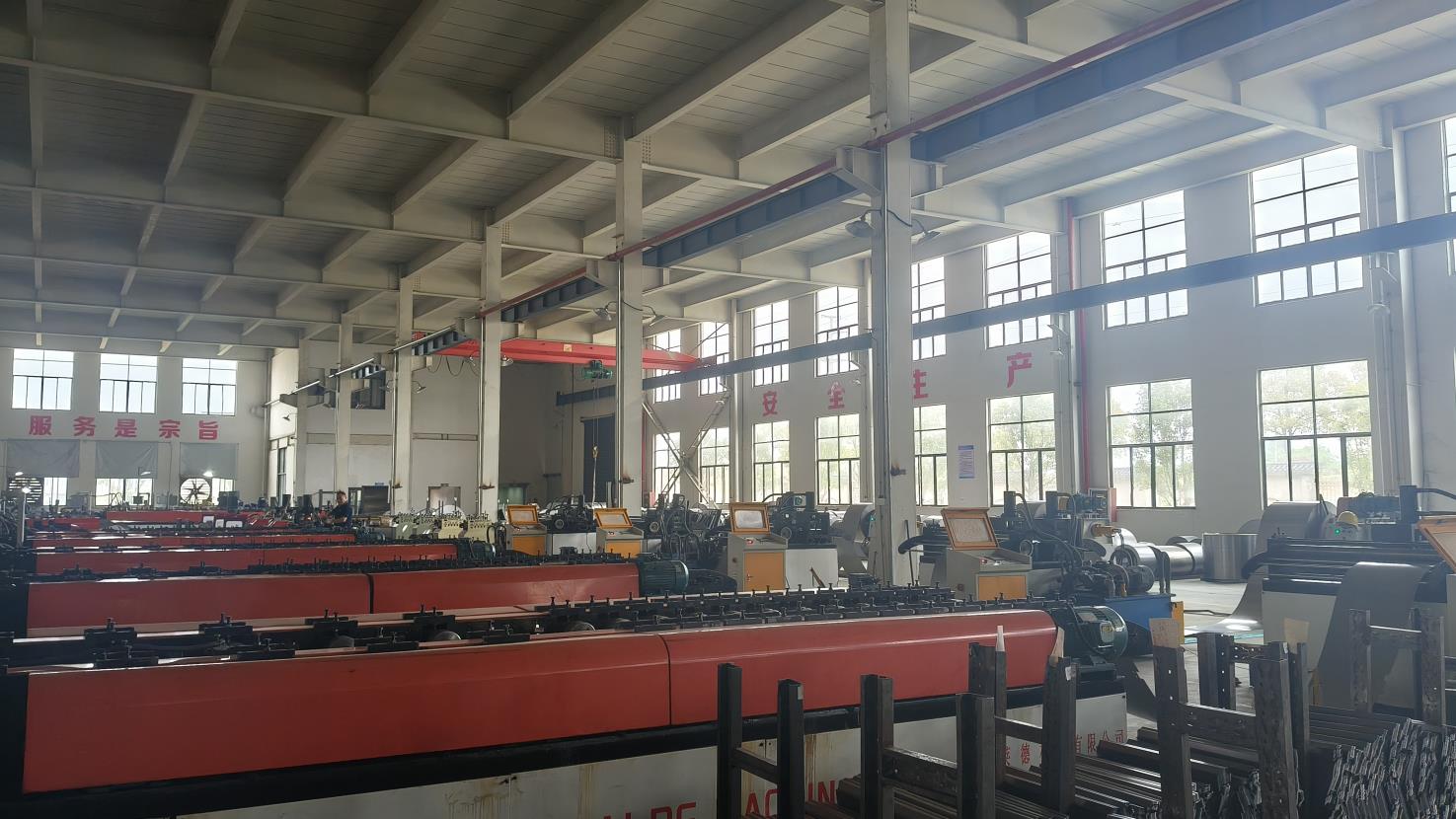
Our production campus covers an area of more than 15,000 square meters and employs over 200 skilled workers and technical staff. Armed with extensive structural engineering capabilities and cutting-edge production equipment, including tube cutting saws, tube punching machines, guillotine shears, hydraulic punching machines, plate bending machines, and advanced spot welding units, we ensure structural integrity, tight tolerance margins, and superior surface treatments across all finished products.
Our extensive catalog covers pallet racking systems, selective warehouse racks, mezzanine floors, supermarket shelving systems, gondola shelving, and customized flow tracks. These storage components are deployed globally across distribution hubs, logistics complexes, retail points, and heavy-duty manufacturing centers.
Through robust supply chain integration, LogiSteel serves markets across Oceania, Asia, Europe, South America, and the Middle East, generating an annual export-driven revenue exceeding 15 million USD.
Supported by dedicated sales divisions and structural engineering designers, LogiSteel delivers tailored system design plans within 24 hours of standard queries, validating our position as a preferred international racking partner.
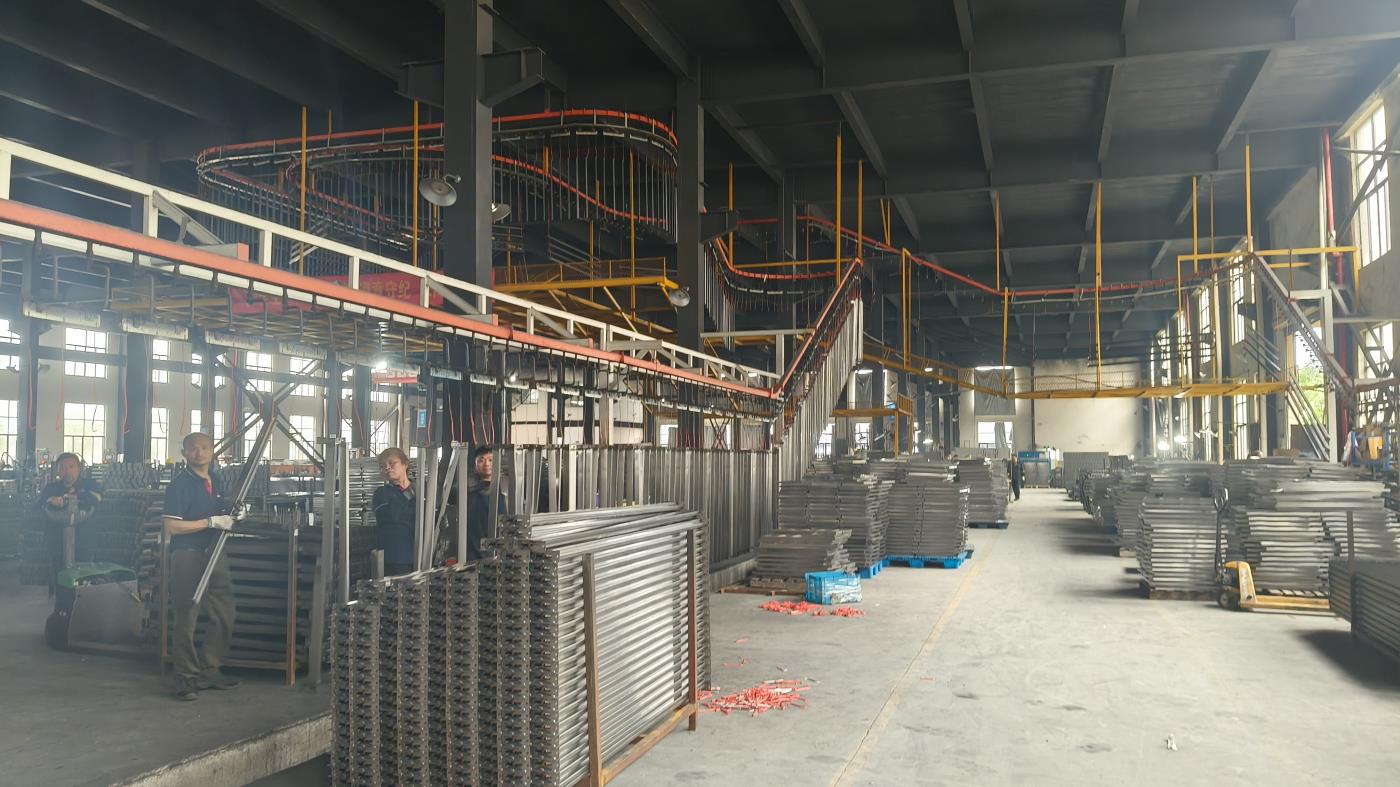
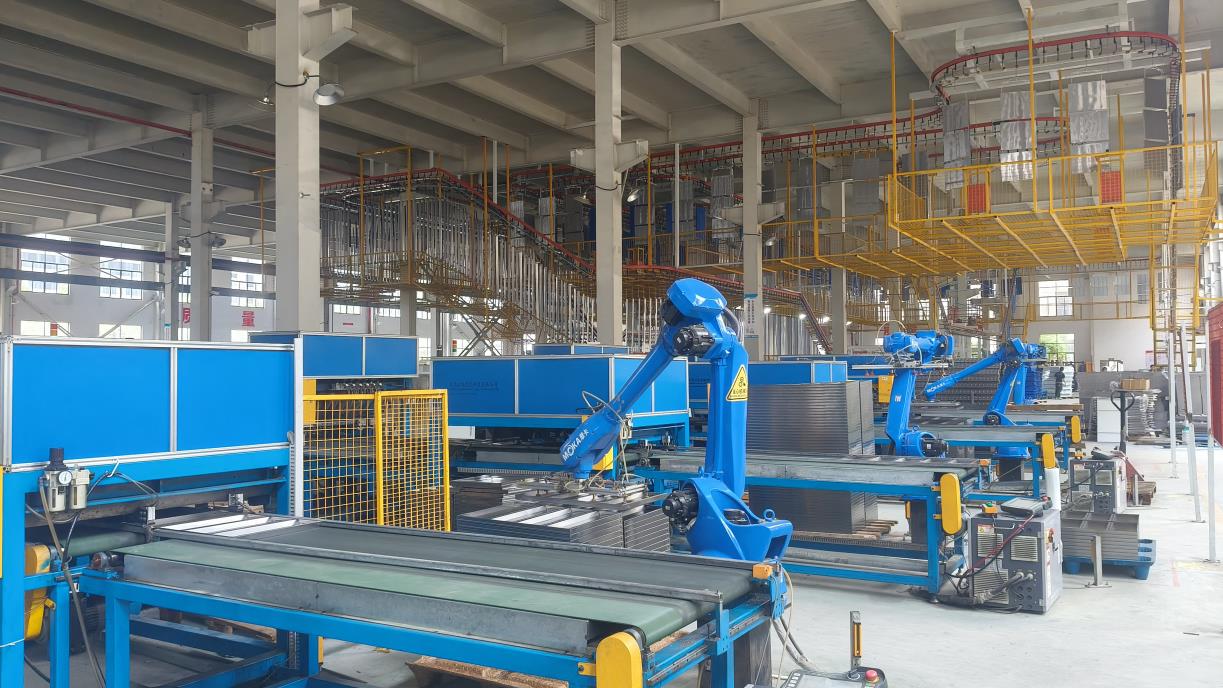
LogiSteel operates a vertically integrated fabrication setup. Every component—from raw hot-rolled coils to fully finished upright assemblies—undergoes rigid quality checkpoints. Below is our standard manufacturing process flow, featuring actual equipment and steps inside our plant.
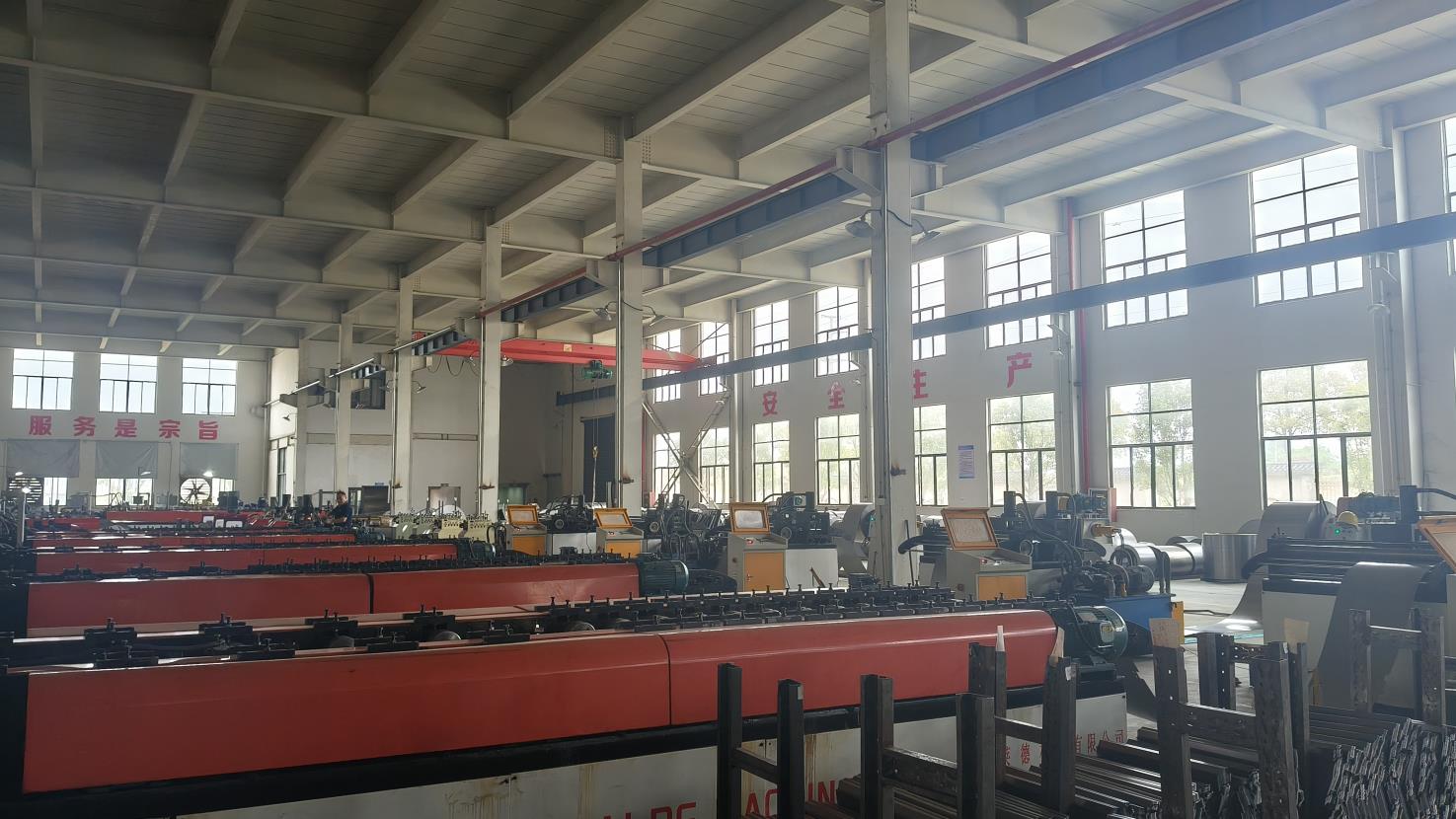
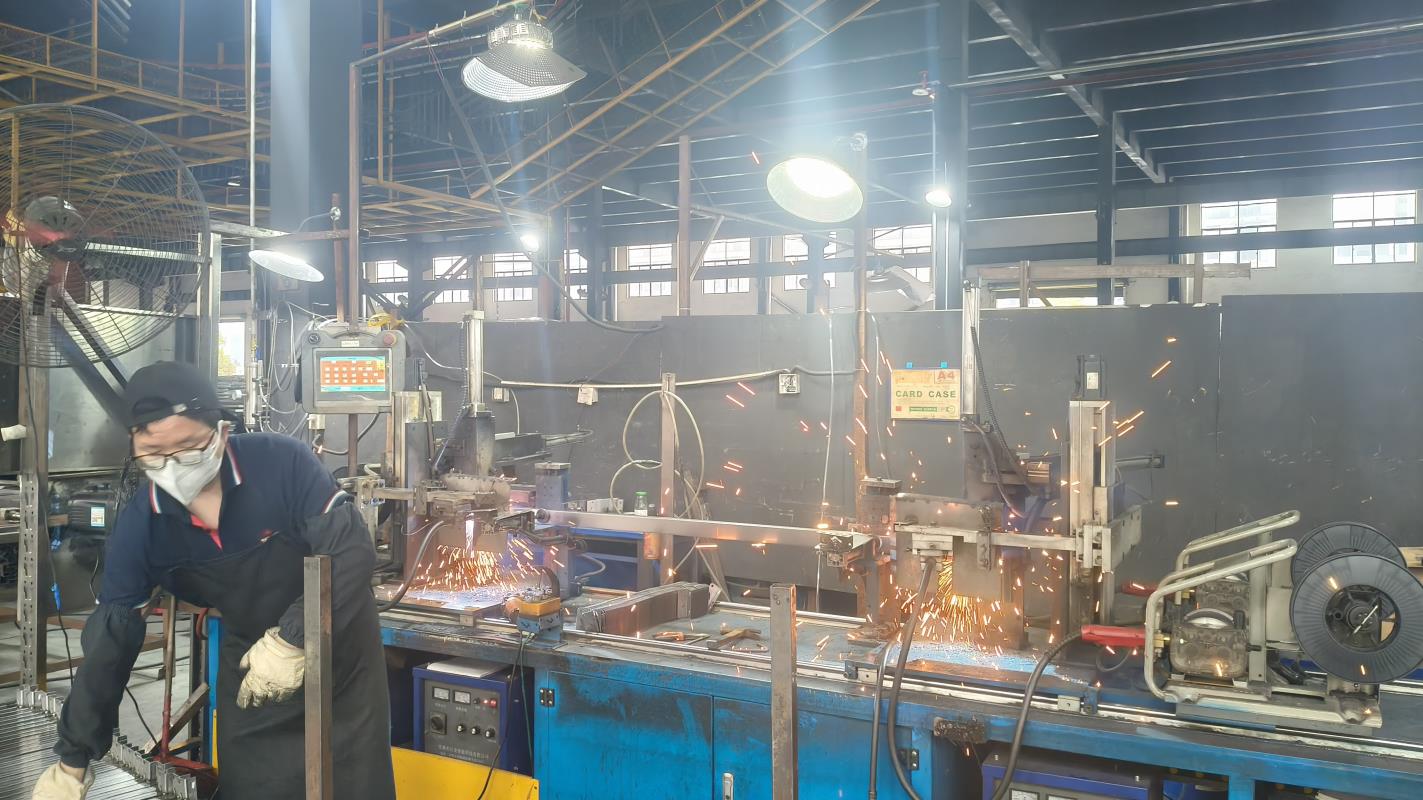
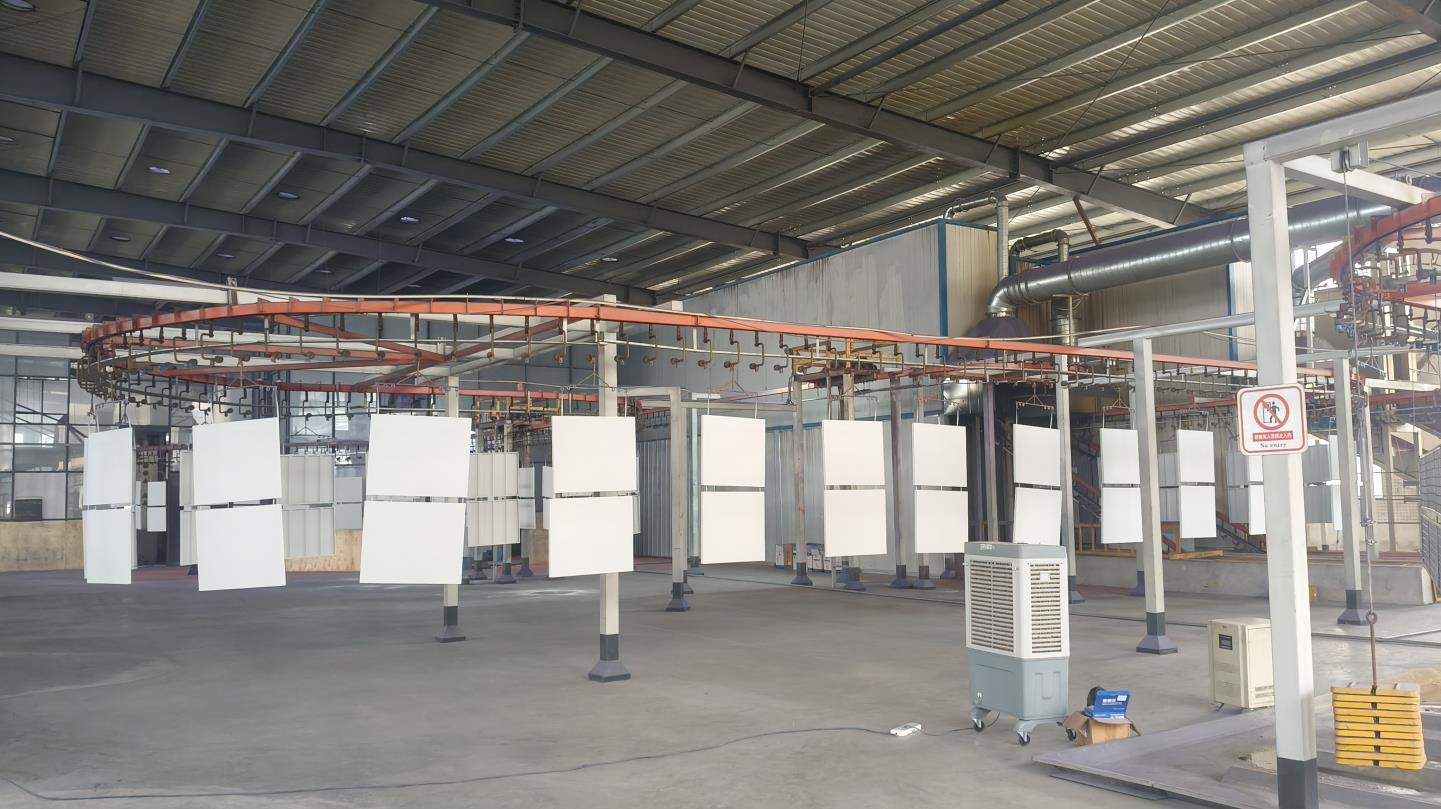
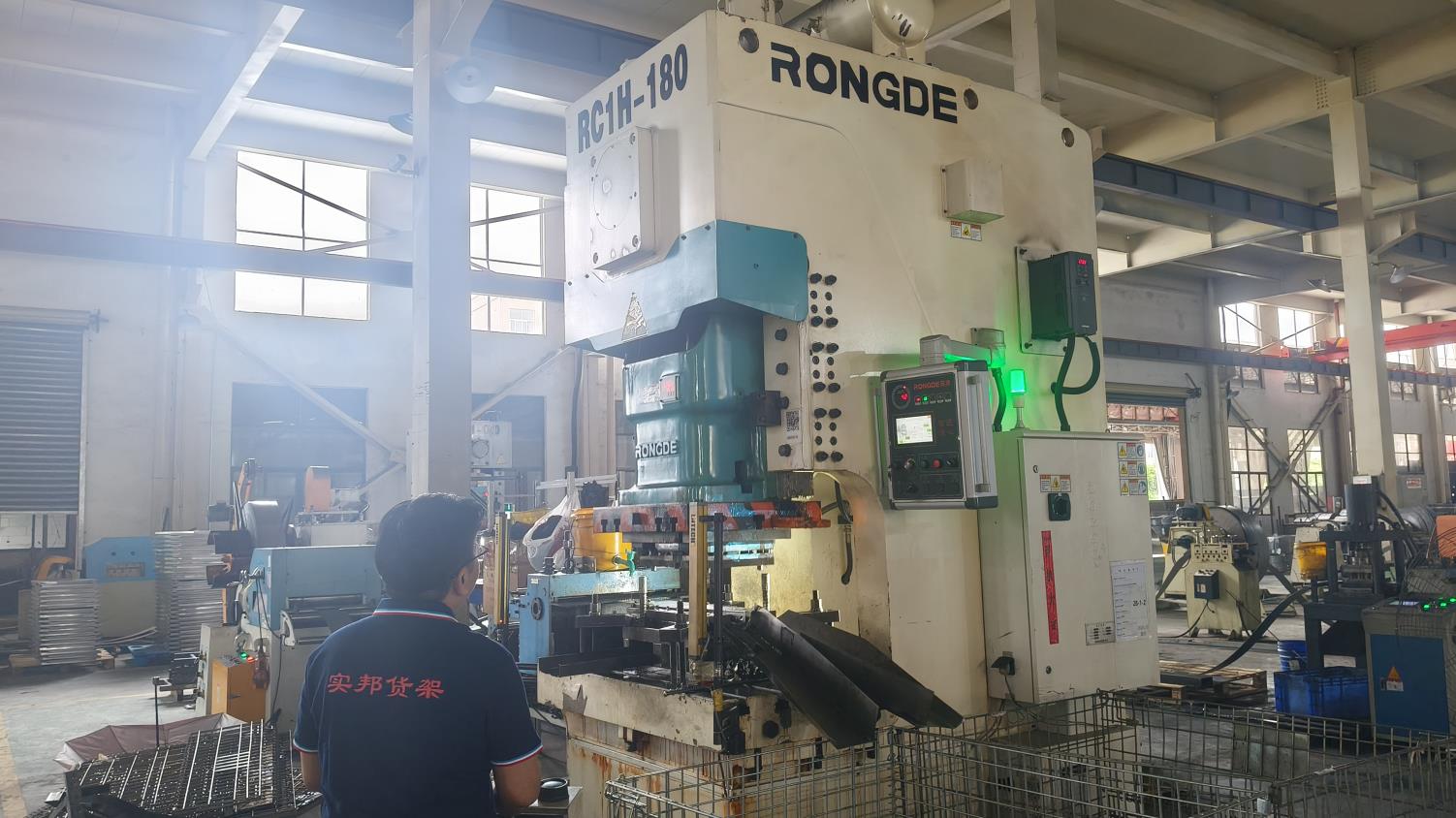
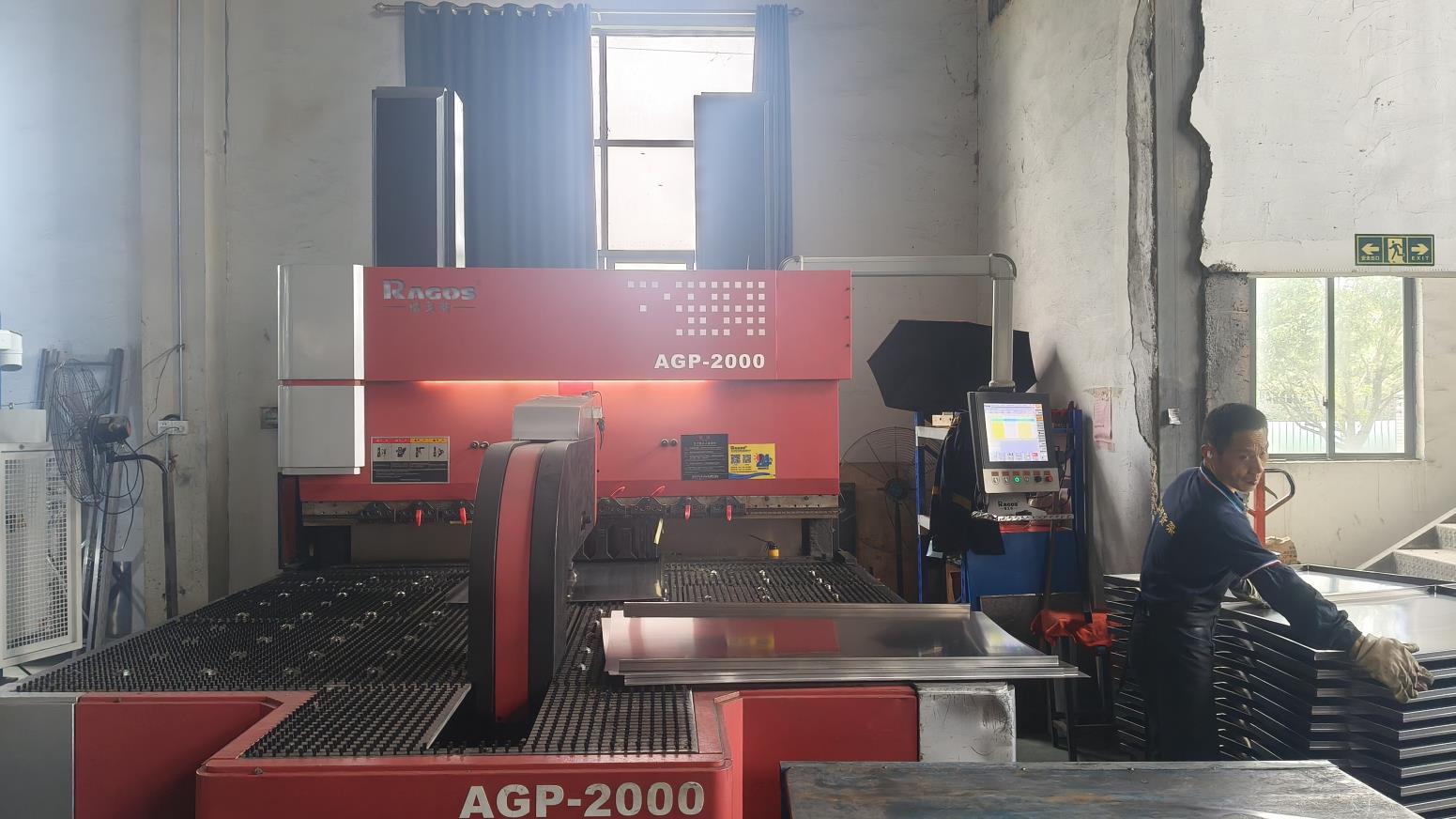
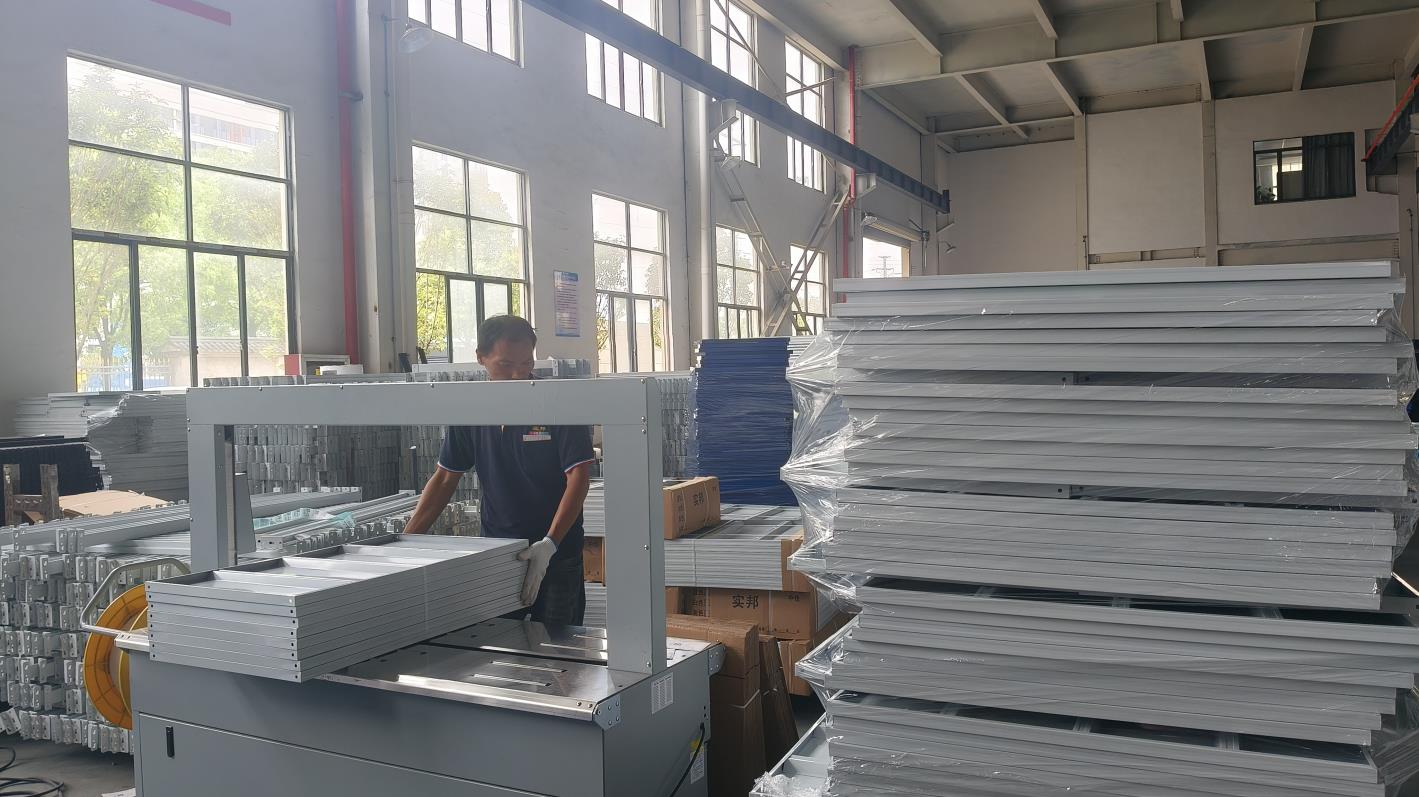
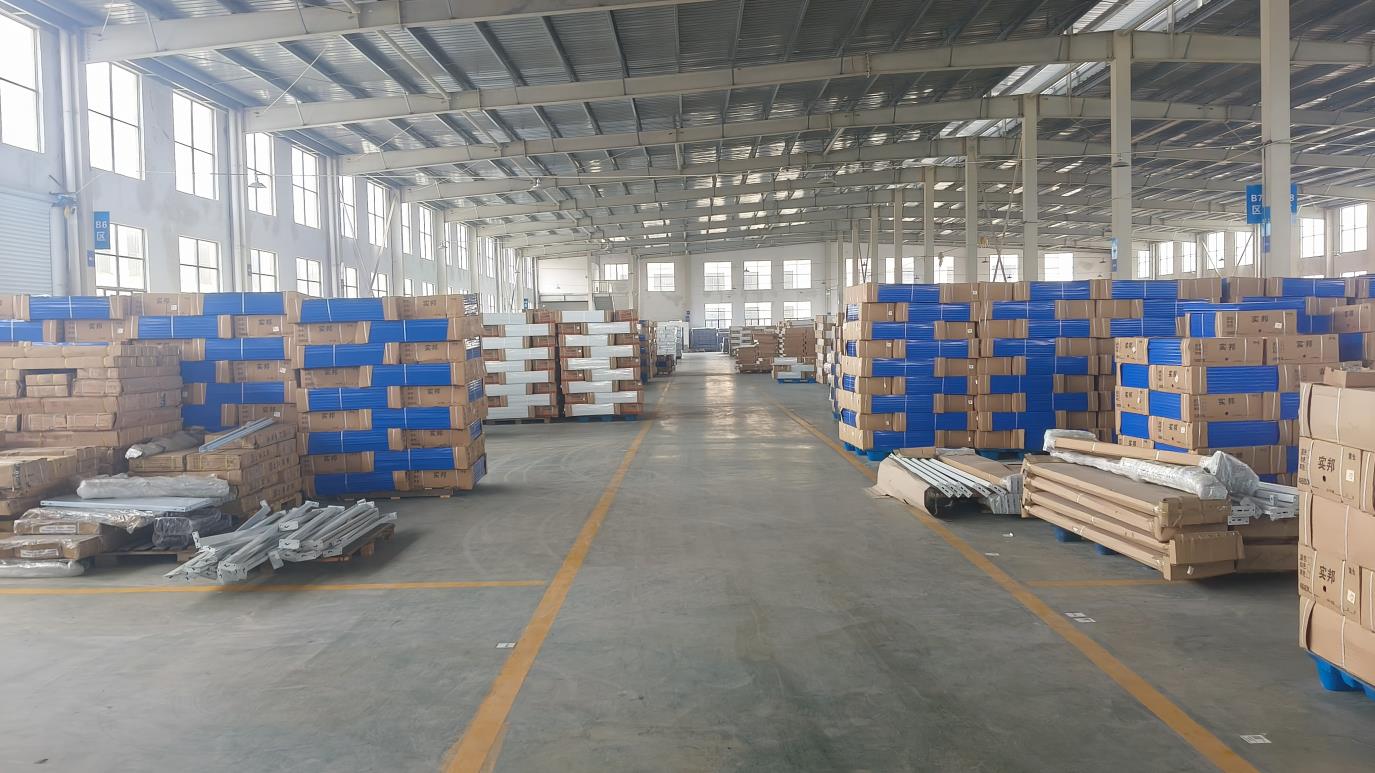
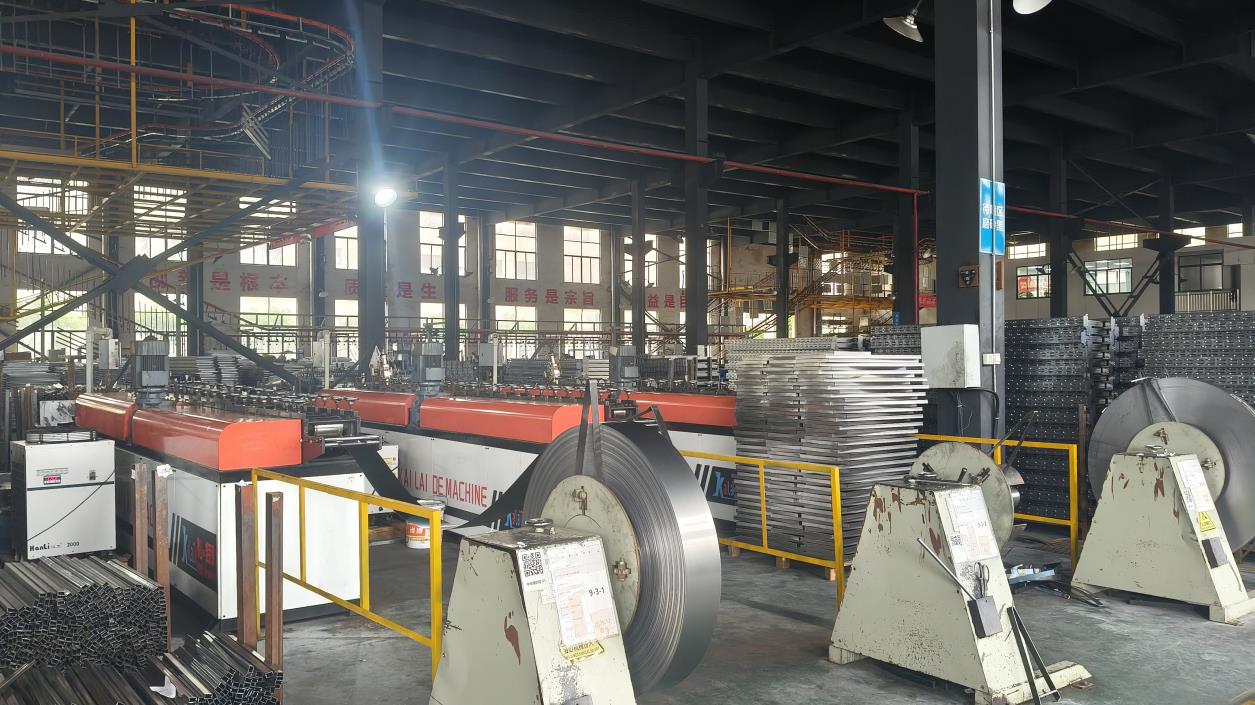
LogiSteel designs application-specific gravity flow and carton flow racking structures that conform to local structural seismic, environmental, and warehouse dynamic regulations. The demand for localized modifications depends heavily on target load classifications and localized regulatory constraints.
Within low-temperature storage setups (down to -30°C), thermal contraction impacts roller materials and bearing lubricants. Our cold-chain optimized flow racks utilize specialized low-viscosity grease and impact-resistant polymer rollers. Maintaining high-density FIFO is crucial for fresh foods and vaccines to prevent shelf-life expiration.
E-commerce hubs handling high volumes of multi-SKU orders utilize carton flow racking at picking levels. These racks are integrated with pick-to-light systems. Angled presentation shelves at the discharge face allow employees to perform rapid pick cycles without experiencing wrist strain, reducing order processing cycle times.
To support lean manufacturing (Just-In-Time production), assembly bays require line-side components delivered in heavy plastic totes. Heavy-duty roller tracks with custom guide rails feed heavy components directly to assembly stations. This setup maintains a continuous component supply and reduces material handler foot travel.
LogiSteel's engineering department is focused on enhancing physical component durability and integrating mechanical systems with automated software platforms. Our development roadmap outlines the transition of flow racking systems from purely passive mechanical structures to smart components of automated warehouses.
Refining speed controllers for deep-lane pallet flow (over 10 pallets deep). Our speed controllers utilize centrifugal braking mechanisms that match dynamic resistance to varying pallet weights, ensuring consistent travel speed down the lane.
Designing interface components to connect flow racks with stacker cranes and AGVs (Automated Guided Vehicles). This includes custom front-end stopping plates, proximity sensor mounts, and precision positioning guides that permit automated pick-up/deposit (P&D) actions.
Developing sensor-embedded rollers capable of reporting rotational speeds and vibration signatures back to warehouse management software (WMS). This facilitates predictive maintenance, flagging roller fatigue before a lane jam occurs.
We work with global engineering standards to match storage requirements with the correct metal gauge and roller configuration. Below are standard engineering specifications for our heavy-duty systems:
| Racking Attribute | Carton Flow Configuration | Pallet Flow (Gravity) Configuration |
|---|---|---|
| Load Capacity Range | 50 kg to 150 kg per lane level | 500 kg to 1,500 kg per pallet position |
| Standard Lane Incline | 3.5% to 5.5% slope | 3.5% to 4% slope |
| Frame Materials | Cold-rolled steel SPCC / Q235B | High-tensile structural steel Q355B |
| Roller Track Material | High-impact polymer wheels / Aluminum frame | Galvanized steel roller tube with sealed bearings |
| Surface Finish | Electrostatic thermosetting epoxy powder coating | Powder coated uprights; hot-dip galvanized tracks |
Securing racking equipment from a Chinese factory cluster like Guangzhou LogiSteel offers significant structural and supply chain advantages. Our integration with regional steel mills and advanced surface treatment suppliers allows us to manage lead times and shipping costs effectively, even under tight global logistics timelines.
Our proximity to domestic steel production hubs ensures a steady supply of certified structural steel (Q235B & Q355B). This minimizes cost fluctuations from raw steel price spikes and guarantees consistent metallurgical properties across production runs.
LogiSteel processes meet CE requirements and match European EN 15512 codes and American RMI standards. Our QA division checks weld depth, powder coat thickness, and upright deflection limits to guarantee compliance with local safety regulations upon import.
Our ISO-certified manufacturing facility undergoes routine quality audits. Load cell deflection tests are executed on load beams to establish safe operational thresholds. Safe operating parameters are printed and shipped with every consignment, ensuring your facility complies with local labor safety regulations.
We understand that racking procurement requires coordination between international factories and local engineers. LogiSteel offers detailed CAD and 3D structural designs during the planning phase. These plans include accurate load calculations, floor loading distributions, and spacing details for local dynamic systems.
Our shipping team designs dense loading patterns to minimize shipping costs. Racking profiles are securely bundled with protective wrap and steel strapping to prevent damage during containerized sea transit. If any installation issues occur, our team provides online support or dispatches technical supervisors to the site.
 LogiSteel Racking