Warehouse uprights carry the visible structure of a storage system, but forklifts create invisible risks around them. A minor impact can bend a frame, loosen anchors, or damage a pallet position. I have seen operators overlook small dents because the rack still looked usable. That assumption is not always right. A damaged upright may weaken gradually, especially under repeated loading and vibration.
This guide, How to Use Column Protectors on Warehouse Uprights 2026, explains practical protection methods for busy facilities. It explores protector types, suitable mounting positions, impact clearance, inspection routines, and installation checks. It also addresses the question, why should you use column protectors on warehouse uprights, when daily vehicle traffic creates predictable hazards. A protector can absorb or redirect impact before the rack frame receives the full force. However, it cannot repair structural damage or replace safe driving procedures.
Small details matter. Measure the upright before selecting a protector. Check floor conditions, anchor locations, and aisle width. Leave enough clearance for forklifts to turn without striking the guard. Follow the rack manufacturer’s instructions and applicable workplace safety guidance. Experienced supervisors should verify the installation, but their judgment still needs evidence from inspections and maintenance records.
Protection is not permanent.
Plastic guards may crack. Steel barriers may loosen. Even a well-fitted protector can fail after a severe collision. Staff should report impacts immediately and isolate visibly damaged areas until a qualified person assesses them. This approach supports safer decisions, clearer accountability, and more reliable warehouse operations throughout 2026.
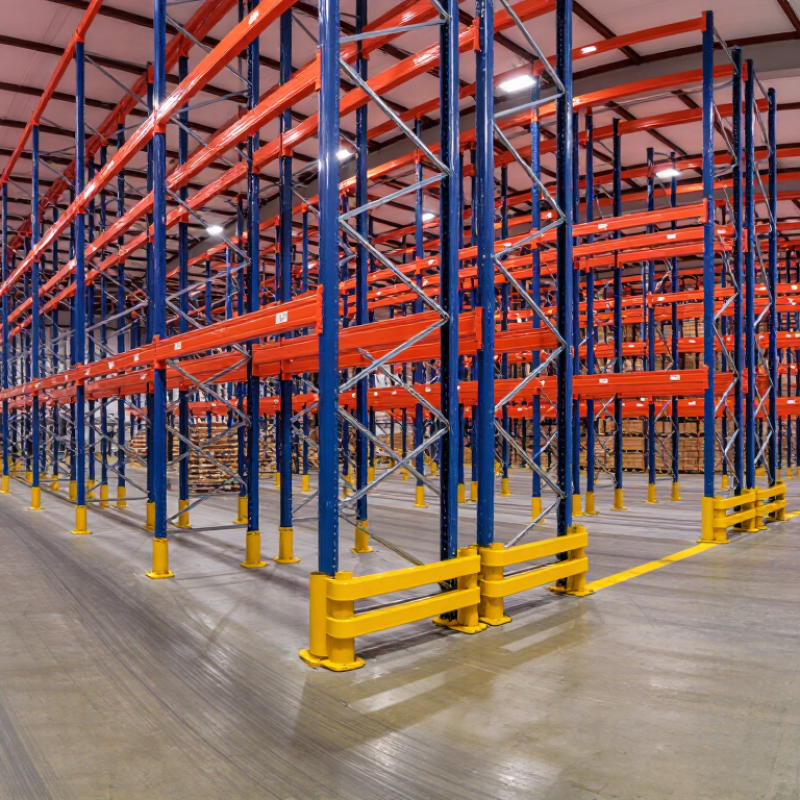
How to Use Column Protectors on Warehouse Uprights 2026
Warehouse uprights face repeated impact from forklifts, pallet trucks, and shifting loads. The risk is easy to underestimate after a quiet inspection. HSE’s Workplace Transport Safety guidance reports that workplace transport causes about one quarter of workplace deaths in Great Britain. That figure makes rack protection a control measure, not a decorative upgrade.
EN 15635 uses 400 mm as a key protection benchmark for rack uprights in relevant applications. Install protectors so they cover the vulnerable lower section, remain visible, and resist foreseeable contact. Measure from the finished floor, not from a damaged baseplate or uneven surface. A protector should not block inspection labels or create a new trip hazard. Check its fixing method, clearance, and energy rating against the rack design and site traffic pattern.
Small details matter. Keep pedestrian routes separated where possible. Mark turning points with high-visibility floor lines. Inspect uprights after every significant collision, even when paint damage looks minor. Replace bent members; do not straighten them casually. That shortcut can hide permanent loss of strength. EN 15635 also supports regular inspections by trained personnel, with expert inspection arranged when serious damage appears.
The 400 mm benchmark helps. It is not a magic shield. A narrow aisle, poor lighting, or rushed driving can still defeat good protection. Record impact locations, review them monthly, and adjust barriers or traffic controls when the same upright keeps getting hit.
Selecting a column protector starts with the rack profile, not its color or price. Measure the upright width, depth, flange shape, and available clearance before ordering. Boxed uprights may need a close-fitting sleeve, while open profiles often require a wraparound design. A loose protector can shift after one impact. That defeats its purpose.
Forklift load matters just as much. A loaded truck carries greater momentum than an empty one, even at the same speed. Record the vehicle mass, travel speed, fork height, and common contact points. Impact energy rises quickly with speed. A simple half-mass-times-speed-squared estimate helps compare risks, but it cannot replace a site-specific engineering review. Check the protector’s tested capacity, anchoring method, and compatibility with the concrete floor.
Look for real clearance.
During inspections, examine dents, cracked welds, displaced anchors, and scraped paint on uprights. A protector may appear intact while transferring force into the rack base. Keep aisles visible, mark turning zones, and retrain operators after layout changes. I have seen teams choose heavy steel guards for light contact areas, then overlook high-speed impacts at end frames. That choice felt safe, but the risk assessment was incomplete. Recheck measurements after installation, because uneven floors and pallet overhang can change the actual impact path.
Column protectors reduce impact damage around pallet-rack uprights, but correct measurements matter more than appearance. Before ordering, inspect every upright separately. Measure its width, depth, and distance from the floor. Include the base plate, anchor heads, and any braces near the bottom. A protector that fits one frame may bind against another.
Measure the anchors carefully. Record their spacing, bolt-head height, and projection from the concrete. The protector must clear these points without forcing the steel into position. Check the floor for cracks, uneven patches, or repair plates. A loose anchor needs professional assessment before installation. Do not guess here.
Aisle clearance also needs a real-world check. Measure the distance between opposite rack faces, then subtract the protector’s full projection. Allow room for pallet overhang, truck turning, and slight steering errors. Mark the proposed edges with tape and walk the route with a loaded pallet truck. This often reveals problems that drawings miss. I once measured the rack correctly but ignored a nearby fire-hose cabinet. The protector fit, yet the aisle became awkward to use. Leave clearance for maintenance access too. Follow the protector manufacturer’s fixing instructions, use the specified anchors, and tighten them with a calibrated tool. Recheck alignment after the first few impacts or after any rack movement. Calibration is easy to overlook.
How to Use Column Protectors on Warehouse Uprights 2026
Install column protectors according to the manufacturer’s torque instructions, not guesswork. Before installation, inspect the upright for dents, cracked welds, loose anchors, or damaged floor concrete. Remove forklifts from the aisle and mark a clear work zone. Fit the protector squarely around the upright, then install the specified anchors, washers, and fasteners. Use a calibrated torque wrench. Tighten each fastener in the recommended sequence, because uneven pressure can twist the protector or weaken the connection. Do not substitute longer bolts or “make them tighter.” More force is not automatically safer.
OSHA 1910.178 focuses on powered industrial truck operation, training, inspections, and workplace safety. It does not provide one universal torque value for column protectors. The correct value comes from the protector and anchoring system manufacturer, supported by site conditions and competent installation. Keep required travel lanes and visibility clear after fitting the guards. A protector that projects too far can create a new collision hazard. Check that forklifts cannot catch its edges during normal turning.
After installation, record the torque value, date, location, and installer. Inspect the protection regularly, especially after any forklift impact. Look for shifted anchors, cracked concrete, bent steel, and missing hardware. Stop using the affected aisle when damage threatens stability. A practical weakness is assuming a protector remains effective because it looks intact. It may hide a damaged upright behind it. Recheck the rack, not only the guard.
Install column protectors to the manufacturer's specified torque and follow OSHA 1910.178 requirements for powered industrial truck operations.
The chart shows exact unit conversions for example torque values. Column-protector torque is not universal: always use the torque value, bolt grade, washer arrangement, and installation procedure supplied by the manufacturer. OSHA 1910.178 focuses on safe powered-industrial-truck operation, operator training, workplace evaluation, and refresher training when required; it does not prescribe one universal column-protector torque.
Column protectors shield rack uprights from forklifts, pallets, and hand trucks. They do not repair damaged steel. The U.S. Bureau of Labor Statistics reported 4.8 recordable injury cases per 100 full-time workers in transportation and warehousing during 2023. That figure supports disciplined inspection, not complacency. A protector may look intact while the upright behind it is bent, split, or displaced.
Inspect every upright and protector weekly. Walk each aisle with a flashlight and inspection checklist. Look for dents, loose anchors, cracked welds, missing fasteners, and fresh paint transfer. Check the protector’s height and alignment. After any structural impact, isolate the location immediately. Do not straighten the upright or reuse a visibly damaged protector without competent engineering review. Replace the protector after the impact, even when damage seems minor. This is conservative. It can also feel expensive. Still, guessing about hidden damage is a poor control.
Tips: Photograph each defect beside a dated location tag. Record impact time, equipment involved, and temporary controls. Compare weekly images for movement. The Rack Manufacturers Institute recommends regular rack inspections and prompt action on damage. OSHA’s material-handling guidance also expects storage systems to remain stable and secure. In practice, weekly checks sometimes become rushed. That is a weakness worth admitting. A missed bolt or leaning guard can change the risk picture before the next inspection.
Forklifts, pallet trucks, and shifting loads can strike upright columns. Protectors reduce impact exposure around the lower rack section. They do not repair damaged steel.
Use the 400 mm protection benchmark where the applicable safety standard requires it. Measure from the finished floor. Uneven concrete can distort the measurement.
No. Poor lighting, narrow aisles, and rushed driving can still cause collisions. The benchmark helps, but it is not a magic shield.
Inspect the upright, anchors, welds, and floor concrete first. Mark a clear work zone. Fit the protector squarely around the upright. Use the specified fasteners and a calibrated torque wrench.
No. Follow the specified torque value and tightening sequence. Excessive force can twist the protector or weaken its connection. More force is not automatically safer.
Confirm that travel lanes, visibility, and inspection labels remain clear. Check that forklifts cannot catch projecting edges while turning. Record the torque, date, location, and installer.
Inspect every upright and protector weekly. Use a flashlight and checklist. Look for loose anchors, missing fasteners, fresh paint transfer, dents, and leaning guards.
Isolate the affected aisle immediately. Inspect the upright behind the protector. Replace visibly damaged protection and bent structural members. Do not casually straighten steel.
Photograph each defect beside a dated location tag. Record the impact time, equipment involved, and temporary controls. Compare weekly images for movement.
Teams may trust an intact-looking protector too much. Hidden damage can remain behind it. Weekly inspections can also become rushed. That weakness deserves honest review.
Warehouse uprights are vulnerable to collisions from forklifts, pallet movement, and daily loading activity, so protection should be planned before damage occurs. This guide explains why should you use column protectors on warehouse uprights and introduces the 400 mm protection benchmark associated with EN 15635. It also outlines how to select suitable protectors according to upright dimensions, rack configuration, forklift loads, and potential impact energy.
Before installation, measure the upright profile, floor anchors, protector height, and available aisle clearance to prevent interference with equipment or pallets. Install each protector according to the manufacturer’s instructions, including the specified fastening method and torque, while following applicable workplace safety requirements for powered industrial trucks. After installation, inspect protectors and rack frames weekly for displacement, cracking, loose anchors, or other signs of impact. Any protector involved in a significant collision should be assessed and replaced when its protective performance or the upright’s structural integrity may be compromised.

LogiSteel Racking