Calculating heavy duty pallet rack capacity is crucial for efficient warehouse management. Many organizations struggle to optimize their storage solutions. Understanding how to calculate heavy duty pallet rack capacity ensures safety and maximizes space usage.
A heavy duty pallet rack must support significant weights. It's essential to know each component's limits. Various factors influence this calculation, including pallet weight, rack design, and load distribution. Gathering precise data on these elements can be overwhelming. Small mistakes may lead to undercapacity or overcapacity issues.
Proper training in calculating heavy duty pallet rack capacity contributes to workplace safety. Yet, many employees lack this knowledge. Relying solely on intuition or experience might not suffice. Prioritizing education and consistent practices fosters reliability. Each step in the calculation process demands attention. With careful planning, challenges can be mitigated. Ultimately, achieving an accurate calculation is a continuous learning journey.
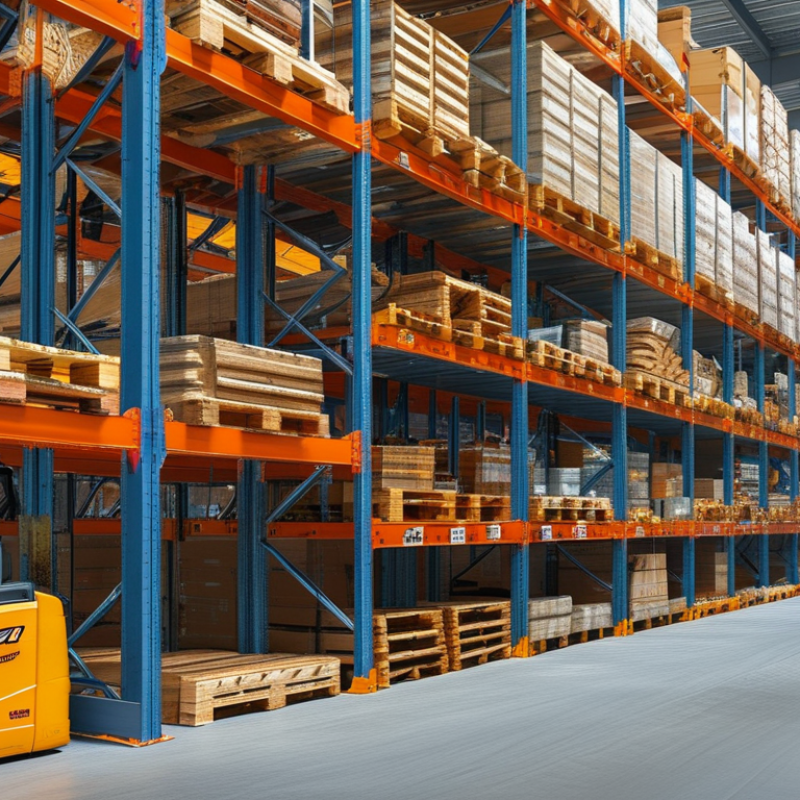
When calculating the capacity of heavy-duty pallet racks, understanding the components and specifications is vital. A heavy-duty pallet rack typically consists of frames, beams, and braces. Each part plays a crucial role in supporting the load. According to a study by the Material Handling Industry of America, properly designed racks can handle loads between 2,500 to 5,500 pounds per beam. This capacity largely depends on the materials used and the structural design.
Frames are usually made from high-strength steel. Their height and depth significantly influence the overall load capacity. It's important to verify that the frame's rating aligns with the intended use. Beams connect the frames and transfer the load to them. Their design can vary, impacting how much weight they can support. Reports indicate that a double-row configuration can yield better stability but requires rigorous testing for safety compliance.
Let's not overlook common mistakes in evaluating rack capacity. Miscalculating the weight distribution often leads to rack failures. Regular inspections are essential; wear and tear can drastically affect load performance. Additionally, keeping detailed records of load weights and configurations can aid in future assessments. This transparency fosters a safer storage environment for operations reliant on high-capacity racking systems.
| Tip Number | Tip Description | Component Involved | Specification Considered |
|---|---|---|---|
| 1 | Calculate load capacity based on beam specifications. | Beams | Beam Length, Load Ratings |
| 2 | Evaluate upright capacity from manufacturer guidelines. | Uprights | Height, Material Strength |
| 3 | Consider the layout and aisle space for load distribution. | Layout Planning | Aisle Width, Rack Layout |
| 4 | Account for dynamic loads when calculating capacity. | Dynamic Load Analysis | Dynamic vs Static Loads |
| 5 | Check the environmental factors affecting the pallet rack. | Environmental Conditions | Temperature, Humidity |
| 6 | Define the types of loads to be stored (static vs. dynamic). | Load Types | Static Weight, Movement Factors |
| 7 | Review local safety regulations and standards for compliance. | Regulatory Compliance | Load Safety Factors |
| 8 | Plan for future increases in load requirements. | Future Planning | Scalability Options, Anticipated Load Growth |
| 9 | Utilize software tools for capacity and load calculations. | Calculation Software | Software Features, Load Models |
| 10 | Consult with experts for tailored capacity assessments. | Consultation | Expert Insights, Custom Solutions |
: Temperature, humidity, and airflow play a crucial role in rack performance. High humidity can weaken materials.
About 30% of pallet rack failures result from inadequate maintenance. This can lead to safety hazards and losses.
Inspections should be routine. Regular checks help identify wear and prevent small issues from becoming bigger problems.
Forklift impacts are often responsible for rack damage. Training employees to spot issues can help prevent this.
Overloading by 10% can greatly reduce rack lifespan. This poses safety risks and may cause costly downtime.
Employees should report any signs of misuse or structural issues immediately. Awareness promotes safety within the warehouse.
Yes, corrosive elements can impact rack durability. Regular material checks are essential in outdoor or spill-prone environments.
No, every facility has unique needs. Custom solutions are often necessary to address specific environmental conditions.
Ignoring local climate conditions is a common pitfall. It can lead to inadequate capacity calculations and subsequent issues.
Regular training enhances employee awareness about safety. It encourages them to report issues promptly, fostering a safe working environment.
When learning how to calculate heavy duty pallet rack capacity, it is essential to understand the various components and specifications of pallet racks. Key factors include the materials used, the design of the rack, and the load it can bear. By assessing these aspects, you can determine the load capacity effectively. Additionally, calculating the safe working load ensures that you use the pallet racks within their limits, promoting safety and efficiency in your storage operations.
Environmental factors also play a crucial role in rack capacity. For instance, temperature fluctuations and humidity can affect the integrity of storage systems. Regular maintenance and inspections are vital to ensure optimal performance and longevity of the pallet racks. By following these tips, you can confidently calculate the heavy duty pallet rack capacity and maintain a safe warehouse environment.

 LogiSteel Racking