Top 10 Differences Between Roll Formed and Structural Steel Racks

Time:2026-07-02 Author:Isabella
0%

When considering storage solutions, many professionals ask, "what is the difference between roll formed and structural steel racks?" Understanding these distinctions can significantly impact warehouse efficiency and safety. John Smith, a renowned expert in industrial storage, states, “Choosing the right rack type can optimize space and enhance operations.”

Roll formed racks are typically lighter and more flexible. They often feature a clip system that allows for easier adjustments. This flexibility is ideal for changing storage needs. In contrast, structural steel racks are heavier and designed for durability. They can support heavier loads, making them suitable for industrial environments. The choice between them depends on the specific requirements of the warehouse.

Reflecting on these differences is crucial. While roll formed racks may seem attractive for their adjustability, they might not provide the strength needed for heavier items. Conversely, structural steel racks offer stability but can be more costly and less adaptable. It’s essential to assess needs carefully. Making a choice without understanding the nuances could lead to inefficiencies.
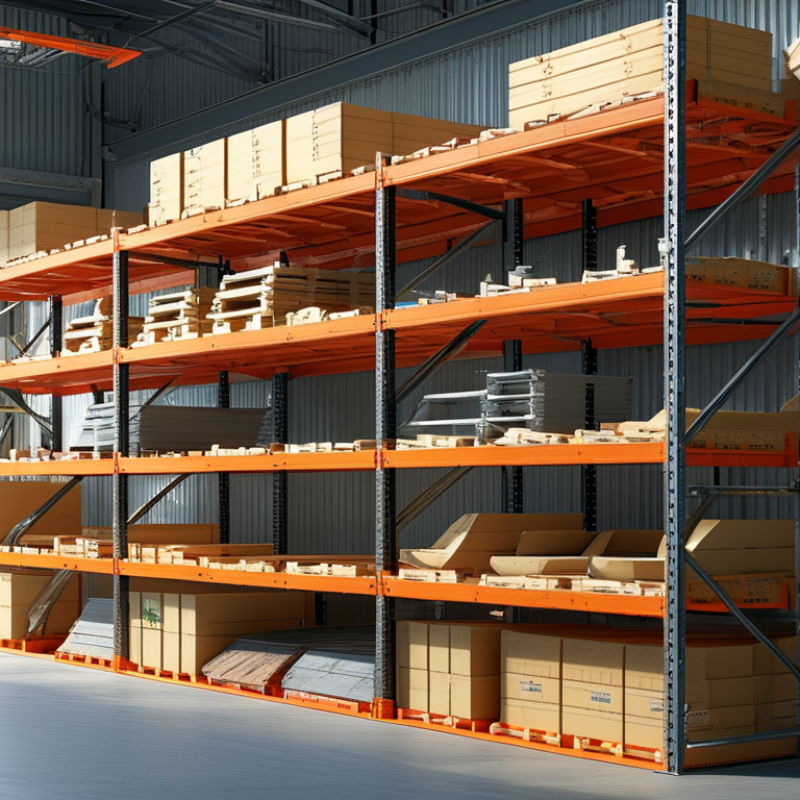
Top 10 Differences Between Roll Formed and Structural Steel Racks

Overview of Roll Formed Steel Racks

Roll formed steel racks are gaining traction in warehouses and distribution centers for their efficiency and durability. These racks are made from cold-rolled steel, allowing for thinner profiles without sacrificing strength. According to the Material Handling Industry (MHI), roll formed racks can yield 30% more storage space compared to traditional designs. This space efficiency is critical in maximizing warehouse operations.

The manufacturing process of roll formed racks involves shaping steel into specific profiles, which are then combined to create a sturdy storage solution. This method ensures that racks are lightweight yet robust. Studies indicate that these racks are often more cost-effective than structural steel alternatives. However, their load-bearing capacity can be a limiting factor. It's essential to consider specific operational requirements when choosing the appropriate rack system.

In industries with rapid technological changes, flexibility in storage solutions is vital. Roll formed racks often offer adjustable features to accommodate evolving inventory needs. This adaptability can be quite advantageous, although it may lead to some challenges regarding stability under heavy loads. Warehouse managers should carefully evaluate their inventory dynamics and choose a solution that aligns with their long-term strategy.

Top 10 Differences Between Roll Formed and Structural Steel Racks

Feature Roll Formed Steel Racks Structural Steel Racks
Manufacturing Process Created through continuous bending of sheet steel Fabricated through welding and cutting of structural steel components
Weight Lighter in design Heavier and more robust
Load Capacity Moderate load capacities Heavy-duty load capacities
Assembly Quick assembly with fewer components More complex assembly with multiple parts
Customization Highly customizable Limited customization options
Corrosion Resistance Generally has lower corrosion resistance Higher corrosion resistance with proper coatings
Cost More affordable More expensive due to materials and fabrication
Aesthetics Sleeker appearance Industrial look
Application Areas Ideal for light to medium storage Best for heavy-duty and industrial applications
Lifecycle Shorter lifecycle due to materials Longer lifecycle, more durable

Overview of Structural Steel Racks

Structural steel racks are essential in many industries. They provide a sturdy framework for storing goods and materials. These racks are built from high-quality steel, ensuring durability and strength. They can support heavy loads and withstand harsh environments. This makes them ideal for warehouses and manufacturing facilities.

One of the primary advantages of structural steel racks is their versatility. They can be adapted to different storage needs. Custom designs are often used to maximize space and efficiency. However, not all installations meet the unique requirements of every industry. It's crucial to analyze specific needs before choosing a design.

The installation process can also present challenges. Poor assembly can lead to safety issues. Regular maintenance is vital to ensure their longevity. Users often overlook this aspect, which can lead to costly repairs. Understanding the importance of maintenance can significantly reduce risks in the long run.

Top 10 Differences Between Roll Formed and Structural Steel Racks

This chart illustrates the differences between roll formed and structural steel racks across various attributes. Each attribute is rated on a scale from 1 to 10, showcasing the comparative advantages and disadvantages of each type of rack.

Key Material Differences Between Roll Formed and Structural Steel

When choosing between roll formed and structural steel racks, understanding the key material differences is crucial. Roll formed racks are typically lighter and more cost-effective. They are made from thin sheets of steel that are rolled into shape. This process allows for efficient manufacturing and easy customization. However, their lightweight nature can make them less robust compared to structural steel options.

On the other hand, structural steel racks are constructed from heavier steel sections. They offer superior strength and durability, making them suitable for high-load applications. Their robust design can withstand heavier items and harsher environments. Nonetheless, this durability comes with a higher price tag and more complex installation. Buyers must consider their specific needs when choosing between the two. It's essential to weigh the trade-offs carefully, balancing cost against the required strength and longevity for your operations.

Cost Comparisons of Roll Formed vs. Structural Steel Racks

When comparing roll formed and structural steel racks, cost is a crucial factor. Roll formed racks typically have a lower initial price point. According to the Industrial Steel Fabricators Association, roll formed racks can be up to 30% cheaper than structural options. This makes them appealing for businesses on tight budgets. However, the cost difference extends beyond initial investment.

While the upfront cost of roll formed racks is attractive, their long-term durability is a consideration. Data from the Steel Storage Solutions Report indicates that structural steel racks tend to last longer under heavy loads and high-stress environments. A business may spend more initially but save money on replacements and repairs over time. Maintenance costs can also differ significantly. Roll formed racks may require more frequent repairs, adding to lifetime costs.

Furthermore, operational efficiency can impact overall expenses. Roll formed racks are generally lighter, which can reduce shipping costs. However, their weight capacity may limit their use in heavy-duty applications. Businesses must weigh these factors carefully. Investing in the right type of rack could lead to significant long-term savings and operational efficiency gains. Ultimately, understanding the nuanced cost implications of each option is vital for making an informed decision.

Applications and Use Cases for Each Rack Type

When exploring the applications and use cases of roll formed and structural steel racks, it's essential to identify their strengths. Roll formed racks are ideal for retail environments where flexibility is key. They are lightweight and can easily adjust to accommodate varying inventory needs. These racks often allow for quick setup and reconfiguration, making them popular in dynamic environments like warehouses and showrooms.

On the other hand, structural steel racks excel in heavy-duty applications. They are built to withstand significant loads, making them suitable for manufacturing and distribution centers. Their robust design provides durability, but this can lead to limitations in adaptability. Businesses working with heavy machinery may find structural racks are a more reliable option, despite their higher initial cost.

Choosing between these rack types hinges on specific requirements. Companies must consider factors like load capacity, space constraints, and expected changes in inventory. Sometimes, businesses overlook the need for future growth, leading to inadequate shelving solutions. Balancing these elements can ensure optimal use of space and resources, helping avoid costly mistakes down the line.

FAQS

: What are roll formed steel racks?

: Roll formed steel racks are efficient storage solutions made from cold-rolled steel. They offer durability and lighter profiles.

How do roll formed racks compare in storage space?

These racks can yield 30% more storage space than traditional designs. This maximizes warehouse operational efficiency.

What is the manufacturing process of roll formed racks?

The process involves shaping steel into specific profiles, which create lightweight yet sturdy storage solutions.

What are the main advantages of structural steel racks?

Structural steel racks provide strength and durability. They can support heavy loads and withstand harsh environments, making them versatile.

What should be considered when choosing a rack system?

Evaluate load-bearing capacity and specific operational needs. This helps in selecting the right system for your inventory.

Do roll formed racks require more maintenance?

Yes, roll formed racks may need more frequent repairs, which can increase overall lifetime costs for businesses.

Are there installation challenges with structural steel racks?

Poor assembly can lead to safety issues. Regular maintenance is crucial, yet often overlooked by users, leading to costly repairs.

How do costs differ between roll formed and structural steel racks?

Roll formed racks typically cost 30% less initially, but structural racks might save money long-term due to durability and lower repair needs.

Can roll formed racks adapt to changing inventory needs?

Yes, they often offer adjustable features to accommodate evolving storage requirements and inventory dynamics.

What is a potential drawback of roll formed racks?

Their load-bearing capacity may limit usage in heavy-duty applications, requiring careful evaluation of operational needs.

Conclusion

In examining what is the difference between roll formed and structural steel racks, it's essential to understand the fundamental characteristics of each type. Roll formed steel racks are typically lighter, more cost-effective, and offer greater flexibility for specific storage needs. In contrast, structural steel racks boast higher strength and durability, making them suitable for heavy-duty applications in demanding environments.

The cost comparison between these two rack types often reveals that while roll formed racks are generally more economical, structural steel racks may provide long-term savings due to their resilience and adaptability in various industrial settings. Each type of rack finds its place in different applications, with roll formed racks frequently utilized in retail and warehousing, while structural steel racks are preferred for manufacturing and heavy storage scenarios. Understanding these differences is crucial for businesses looking to optimize their storage solutions.

Isabella

Isabella

Isabella is a dedicated marketing professional with a sharp focus on driving brand growth and engagement through strategic content creation. With an extensive background in digital marketing, she combines her passion for storytelling with her keen understanding of industry trends to deliver......