In warehouse management, understanding the optimal spacing between pallets and rack beams is crucial. This leads us to the question: what is the ideal clearance height between pallet and rack beam? Achieving the right height can reduce damage and enhance safety. It significantly impacts operational efficiency.
Research suggests that an ideal clearance height usually ranges from three to four inches above the pallet load. However, different types of pallets may require adjustments. For example, using tall pallets with taller loads may necessitate a higher clearance for safety. Proper clearance can prevent accidents caused by shifting items.
While this information provides a guideline, it is essential to remember that each warehouse has unique conditions. Factors such as load size, type of racking system, and storage practices all play a role. Warehouse operators should assess their specific situation and make adjustments as needed. Continuous evaluation is essential for optimal performance.
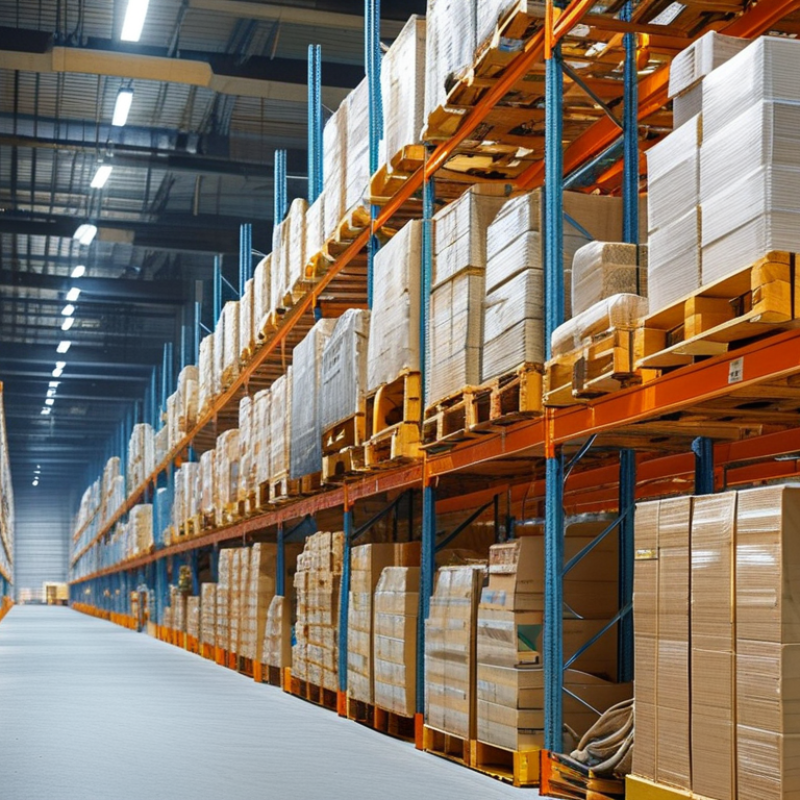
Understanding clearance requirements for pallets and rack beams is critical for safe and efficient warehouse operations. The ideal clearance height allows forklifts to maneuver without damaging pallets or beams. It also prevents accidents caused by overhead obstructions. A commonly suggested height is around four to six inches, yet this varies based on warehouse layout and pallet size.
When determining clearance, consider the pallet height, weight distribution, and the type of racking system in use. Not all setups are created equal. Some pallets might require additional clearance due to their unique dimensions or materials. For instance, softer materials may compress slightly under weight, affecting the necessary height.
Regular audits are essential to ensure compliance with safety standards. Over time, existing conditions may change, necessitating adjustments. Employees should be trained to recognize potential hazards due to inadequate clearance. A well-designed space enhances productivity, but neglecting clearance can lead to costly damage. It's worth reassessing your current setup and making necessary changes.
When considering the ideal clearance height between a pallet and a rack beam, several factors play a crucial role. The type of goods stored is paramount. For instance, taller items require more space to prevent damage. Additionally, the handling equipment used can influence clearance needs.
Forklifts and pallet jacks might need extra room to maneuver safely. A mismatch can lead to hazardous situations.
Temperature and humidity are also influential. Certain products require specific conditions. In colder environments, increased clearance may promote better airflow. This can help maintain quality and prevent spoilage. Another point worth noting is the efficiency of picking practices. An ideal clearance height should facilitate easy access. If clearance is suboptimal, it can slow down operations and create frustrations.
Reflecting on these aspects, it’s clear that finding the perfect balance is vital. Too much clearance can waste space, while too little can create hazards. Warehouse managers should evaluate their specific needs regularly. Adapting to changing inventory and equipment is crucial. This ongoing assessment can lead to better storage solutions and safer work environments.
When discussing clearance height between pallets and rack beams, safety standards play a critical role. Regulations typically require a minimum space to prevent accidents during operations. A common rule is to maintain at least six inches of clearance between the top of a pallet and the rack beam. This promotes airflow and reduces the risk of collisions during loading and unloading.
However, organizations often overlook these safety standards. Inadequate clearance can lead to serious operational hazards. Workers may face risks of falling objects. It’s essential to conduct regular assessments of rack systems to ensure compliance with safety regulations. This might require adjusting rack settings or modifying storage techniques.
Adhering to these standards is not just about compliance; it’s about creating a safe working environment. Engaging staff in regular safety training is necessary. They should be aware of the implications of insufficient clearance. Understanding the potential risks fosters a culture of safety. Acknowledging that not all workspaces meet ideal conditions opens the door for reflection and improvement.
When determining the ideal clearance height between pallets and rack beams, several factors come into play. It’s critical to account for the type of goods stored and their dimensions. For instance, if you handle oversized items, you may need extra clearance. Conversely, smaller items can be stored more tightly, saving vertical space.
Adjusting the clearance height allows for flexibility. A height that is too low risks damaging the pallets or the products during retrieval. A higher clearance may waste valuable space. Consider the forklift height as well; ensuring compatibility is essential for safety and efficiency.
To find the right balance, analyze your inventory. Create scenarios to assess how varying heights impact storage capacity and access. Measure pallet movements to prevent accidents. Always keep safety standards in mind. Experimenting with small changes can also yield important insights. Addressing potential issues before they arise will contribute to a smoother operation.
Setting the ideal clearance height between pallets and rack beams is crucial for efficient warehouse operations. However, many facilities make common mistakes that can impact safety and productivity. One frequent error is failing to account for the height of the pallets themselves. If the clearance is too low, it can lead to damaged goods and increased risk of accidents. A good rule of thumb is to allow at least a few inches of space above the tallest pallets.
Another pitfall is overlooking the need for equipment clearance. Forklifts and other machinery need room to maneuver. Insufficient clearance can lead to collisions and damage to both the equipment and the stored goods. It's essential to regularly assess the operational environment and adjust the clearance if necessary. Keeping this in mind can help maintain a smooth workflow.
Additionally, some warehouses do not plan for seasonal fluctuations in inventory. In times of higher stock levels, insufficient height can become problematic. Warehouse managers should periodically review clearance heights and adjust them based on inventory trends. A proactive approach is necessary to avoid potential issues in the long run. These considerations are vital for creating a safe and efficient warehouse environment.
: It’s typically advised to maintain at least six inches of clearance.
Adhering to standards helps prevent accidents and fosters a safe workspace.
Inadequate clearance may lead to falling objects and serious operational hazards.
Regular assessments of rack systems are essential for compliance and safety.
Consider the type and dimensions of goods, as well as forklift height compatibility.
Finding the right balance can optimize space without risking damage to products.
Regular safety training helps staff understand risks and promotes a safety culture.
Yes, small adjustments can provide insights and prevent potential issues.
Acknowledging imperfections allows for improvement and a safer work environment.
Analyze inventory and measure pallet movements to enhance safety and efficiency.
Determining what is the ideal clearance height between pallet and rack beam is crucial for optimizing warehouse efficiency and safety. Understanding the clearance requirements involves evaluating several factors, including the dimensions of the pallets, the type of goods stored, and the equipment used for handling. Safety standards and regulations play a significant role in guiding these decisions, ensuring that operations remain compliant while minimizing the risk of accidents.
Implementing best practices is essential when determining the appropriate clearance heights in racking systems. This includes assessing the vertical space for proper airflow, avoiding damage to stored products, and facilitating easy access for forklifts. Additionally, it is important to be aware of common mistakes, such as setting clearance heights too low, which can lead to operational challenges. By carefully considering these elements, warehouses can create a safe and efficient storage environment.

LogiSteel Racking